














Eurosatory 2026 DAY 4: Equipment for the Czech Army and Trends That Are Changing Modern Warfare
The world’s largest trade fair for land defense and security technology is in full swing at the Paris-Nord Villepinte exhibition center north of Paris. This year’s edition of Eurosatory is also the largest in the history of this prestigious event. Organizers report more than 2,100 exhibitors from 65 countries, over 350 official delegations from a hundred nations, dozens of national pavilions, and a record exhibition area exceeding 185,000 square meters. Over the course of five days, tens of thousands of trade visitors from the military, government institutions, and the defense industry are expected to attend.
Eurosatory traditionally offers a comprehensive overview of the current defense industry—from main battle tanks, infantry fighting vehicles, and artillery systems, through unmanned systems, electronic warfare, and artificial intelligence, to logistics, medical support, and crisis management. This year, visitors can see hundreds of new technologies and solutions that respond primarily to lessons learned from the war in Ukraine and the evolving nature of the modern battlefield.
Companies directly involved in the modernization of the Czech Armed Forces are also well represented. Among the most visited exhibits are the booths of BAE Systems Hägglunds and KNDS, whose platforms will form the backbone of the Czech Armed Forces’ heavy mechanized and tank units in the coming years. The Swedish company BAE Systems Hägglunds will supply the Czech Army with new CV90 MkIV infantry fighting vehicles, while the European group KNDS will oversee the introduction of state-of-the-art Leopard 2A8 tanks.
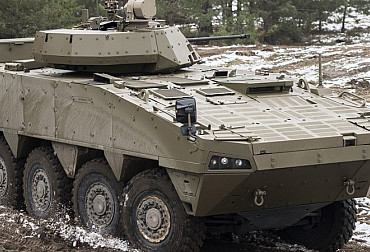
At Eurosatory, we therefore spoke with Tarkan Turkcan, CV90 Director at BAE Systems Hägglunds, and Kristof Hess, Director of the MBT Turrets Division at KNDS, about the future of their platforms, their experiences on modern battlefields, and the benefits European armies gain from operating common types of armored vehicles.
CV90: A Shared Platform for European Armies
One of the biggest draws at the BAE Systems Hägglunds booth was the CV90 infantry fighting vehicle. It is this platform that will become the backbone of the Czech Army’s 7th Mechanized Brigade in the coming years. Although the Dutch version of the CV90 MkIII was on display at the exhibition, most of the technologies Turkcan discussed also apply to the latest generation of the CV90 MkIV, which is intended for the Czech Republic. According to him, active protection systems play a significant role today. The vehicle on display has already undergone extensive testing, during which it withstood hundreds of RPG attacks and dozens of anti-tank guided missiles. “You can see scratches and minor dents on the vehicle. That’s the result of testing the active protection system. We fired hundreds of RPGs and dozens of anti-tank missiles at it. But the crew survived, and the vehicle remained combat-ready. That’s what matters most. The APS works,” says Turkcan.
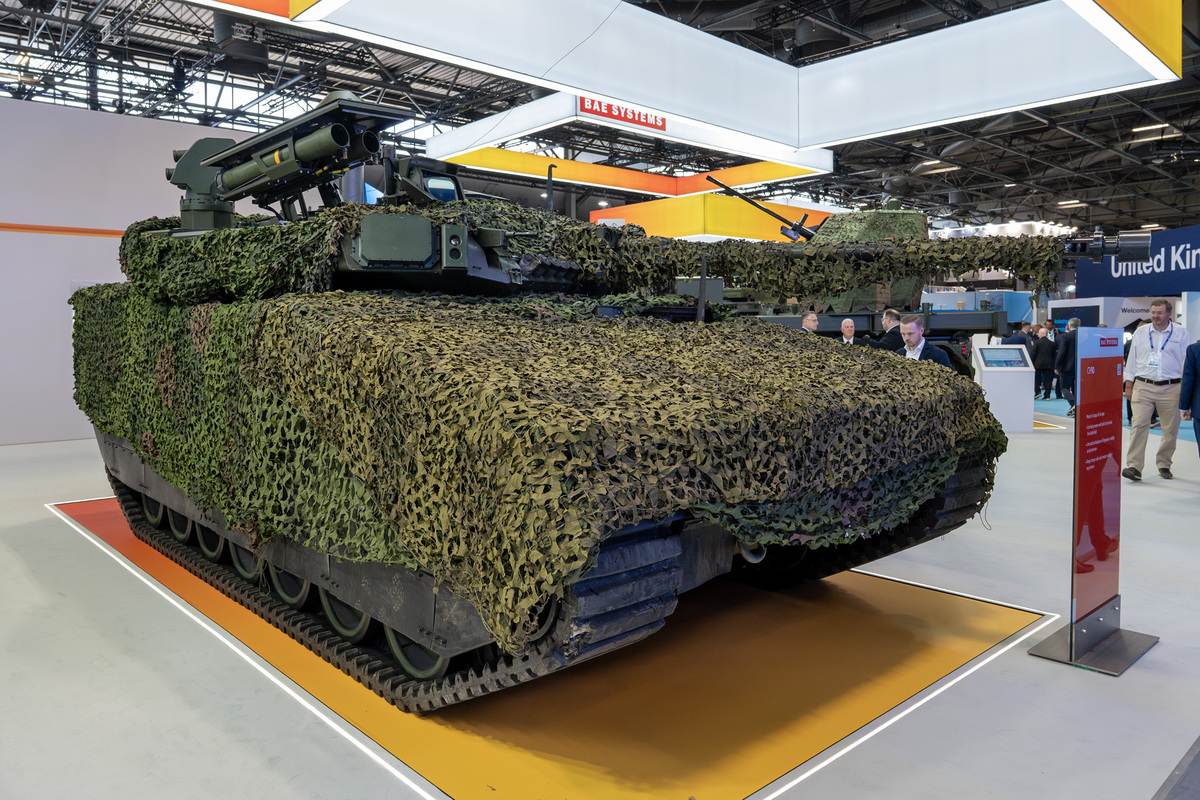
The new Czech vehicles will be equipped with a 30mm cannon with programmable ammunition, Spike LR2 missiles with a range of up to six kilometers, and a combination of hard-kill and soft-kill active protection systems. The equipment will also include an extensive network of sensors and cameras. “This vehicle has eighteen cameras. Both the crew and the troops have a 360-degree view of the situation around the vehicle. We combine the images into a single feed, and the crew can freely pan the view around the entire platform,” he explains. One of the most debated topics in current conflicts is unmanned aerial vehicles. Turkcan is convinced that drones are a permanent feature of future battlefields. “FPV drones are a new threat, and they’re here to stay. We have to learn how to deal with them. First, we had to learn how to stop a bullet; then a missile; and today, we have to learn how to stop a drone,” he states. At the same time, however, he warns against armies forgetting the fundamental mission of infantry fighting vehicles in the face of new threats. “You must never lose sight of the vehicle’s primary mission. The CV90 must transport soldiers to where they are needed. You need mobility, protection, and firepower. If you don’t have soldiers on the ground, you haven’t won the war,” he emphasizes.
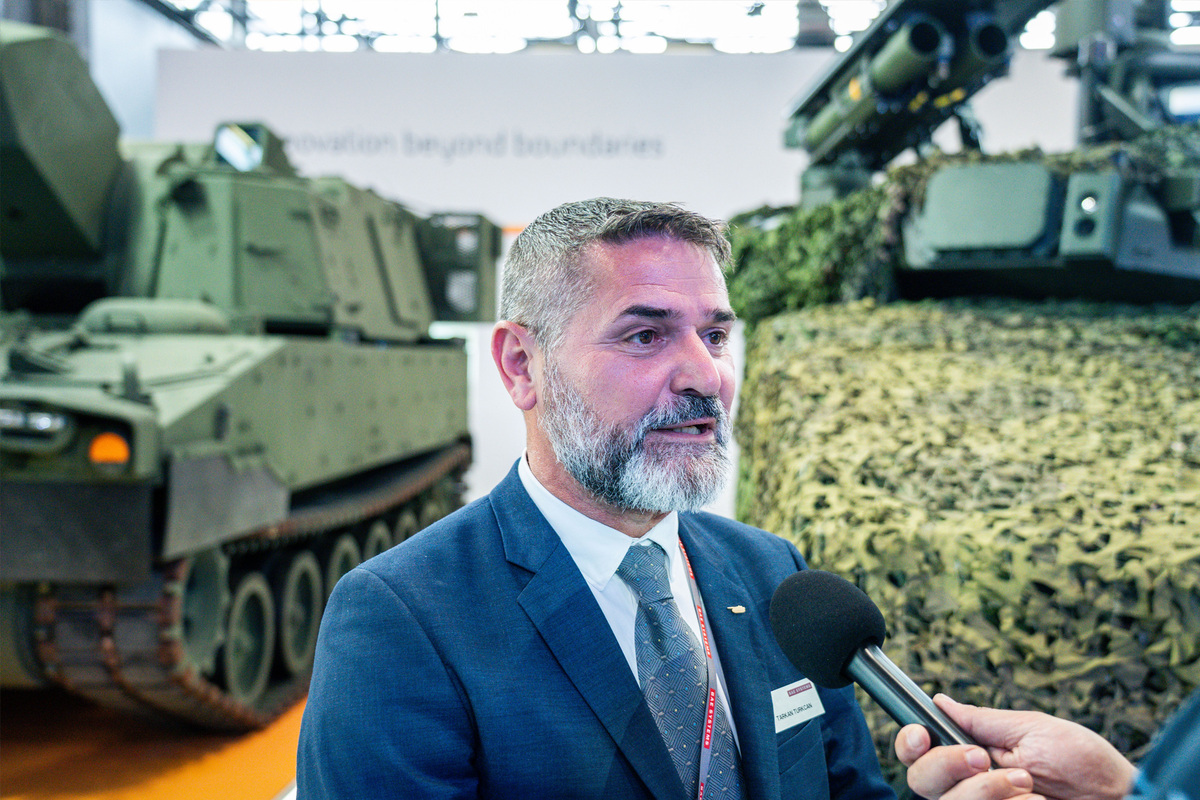
According to Turkcan, one of the CV90 program’s greatest strengths is the growing number of users of the same platform in Europe. “From a logistical standpoint, it makes a lot of sense to have several variants of the same platform. Spare parts are interchangeable, personnel only need to be trained once, and armies can share their experiences. Ultimately, this also translates into significant financial savings,” he says. Czech companies will also play an interesting role in this process. Turkcan noted that the new Medevac medical variant is being developed in collaboration with Czech industry. “The Czech Republic will have a new variant that we haven’t built this way before—an ambulance version. If it proves successful, it could also be of interest to other CV90 users,” he said. The use of artificial intelligence is also a major topic. Turkcan views AI primarily as a tool to support the crew, not as a means of replacing humans. “Cameras are already capable of detecting and classifying targets on their own. Instead of staring at a screen all day, the system alerts you to a potential threat. But the decision must be made by a human,” Turkcan explained.
Leopard 2A8: The Evolution of a Proven Tank
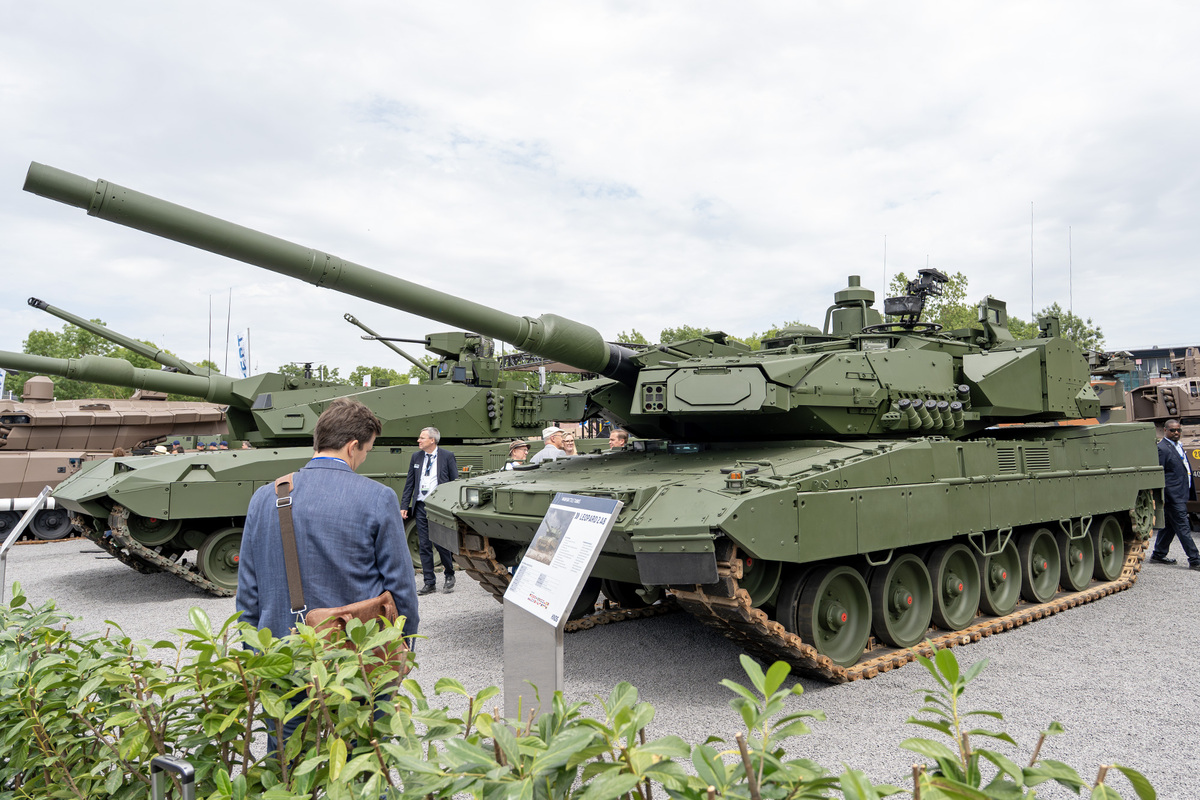
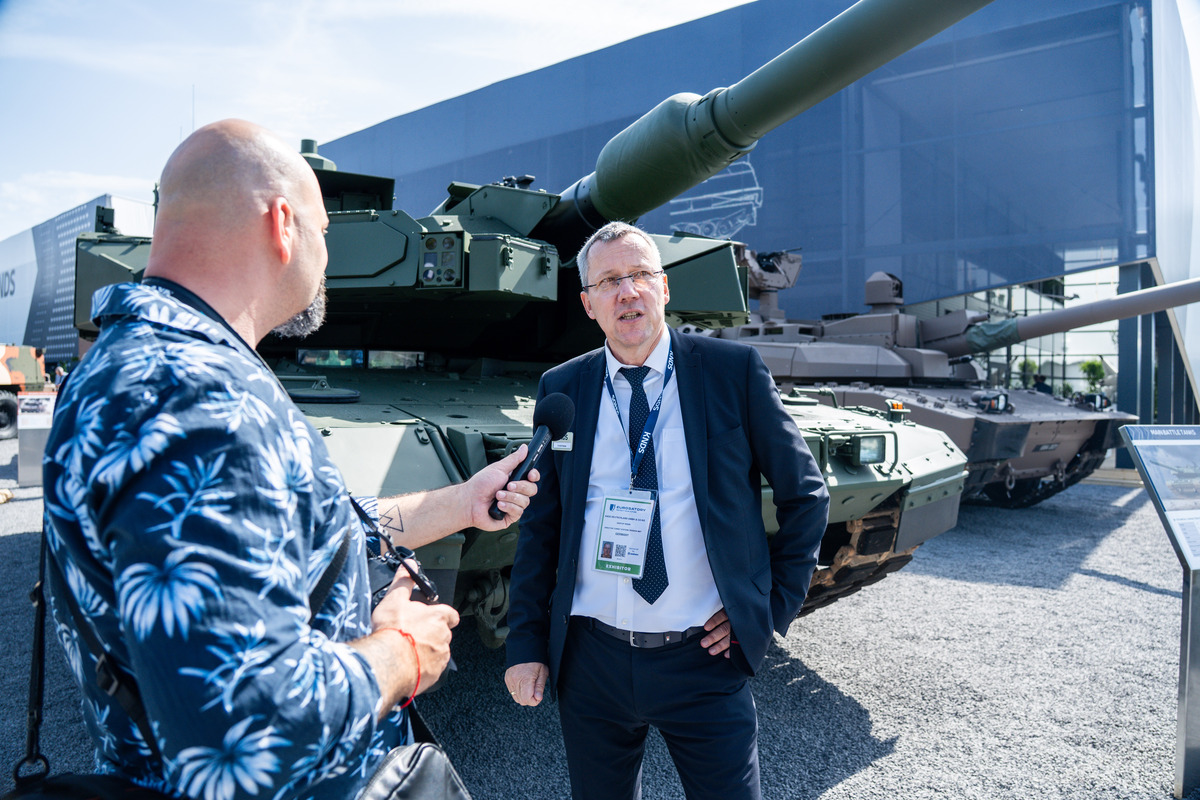
Just a few halls away, the KNDS Group showcased its latest main battle tank, the Leopard 2A8, which will become the backbone of the Czech tank forces in the coming years. According to Kristof Hesse, the Leopard 2A8 represents the biggest evolutionary step for the entire platform in recent years. “The main difference from previous versions is the integrated active protection system. At the same time, we’ve improved the tank’s protection, mobility, efficiency, and internal networking,” he explained. The tank features new displays, expanded sensor equipment, and a modernized data architecture based not only on traditional buses but also on Ethernet networks, which will allow for easier integration of future systems. In addition, the crew gains an air conditioning system and new types of ammunition that expand the vehicle’s combat capabilities. As with the CV90, the discussion here was dominated by protection against drones and attacks from above. Hesse explained that the new active protection system will be capable of detecting unmanned aerial vehicles in the future, while reinforced roof protection increases the tank’s chances of surviving attacks from above. “Survivability against attacks from above has been significantly improved compared to previous versions,” he said.
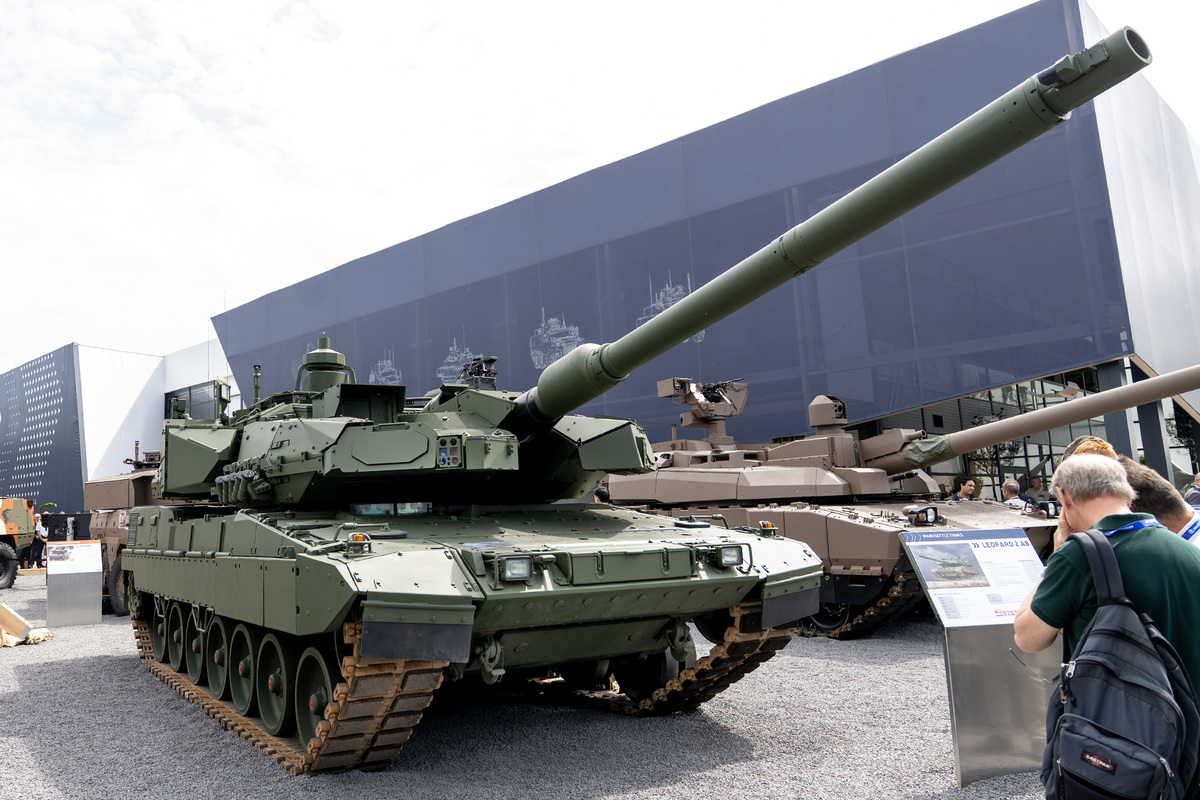
At the same time, the delivery of the Leopard 2A8 tanks will open the door for the Czech Republic to join the Leopard user community known as the Leoben Community, which brings together more than twenty operators of Leopard 2 tanks. According to Hesse, this is a platform where armies exchange operational experiences, address spare parts availability, and discuss future modernization directions. A significant portion of the discussions today focuses specifically on protection against drones and the use of artificial intelligence in threat detection. Although Europe is currently working on future generations of tanks, the Leopard 2A8 is by no means at the end of its development. “Our customers currently expect the Leopard to remain in service at least until 2050. That is why we are working to ensure that this platform can respond to future technical requirements and threats,” said Hesse.
Ukraine Took Part as a Producer, Not Just as an Aid Recipient
One of the most notable trends at this year’s Eurosatory is the exceptionally strong presence of the Ukrainian defense industry. While just a few years ago Ukraine was viewed at similar events primarily as a recipient of foreign military aid, this year it is presenting itself as a confident manufacturer of technologies proven directly on the battlefield. Dozens of Ukrainian defense companies have arrived in Paris to showcase unmanned aerial vehicles, electronic warfare systems, robotic platforms, air defense systems, and other technologies developed based on their experiences in the war against Russia. It is precisely this combat experience that serves as the main selling point for Ukrainian manufacturers today. Many of them emphasize that their products are not merely the result of laboratory tests or simulations, but are put to the test daily in real combat environments. Industrial partnerships are also a major theme at this year’s event. For example, a strategic partnership between the CSG Group and the Ukrainian company Ukrainian Armor was announced at Eurosatory, with the goal of strengthening production capacities and further integrating the Ukrainian defense industry into the European security space.
Firepoint: Technology Developed Right in the Middle of War
Among the most visited Ukrainian exhibits was Firepoint, which showcased its technologies designed for deep strikes against targets behind enemy lines. During a technical presentation, Firepoint representative Iryna Tariq emphasized that the success of Ukrainian technologies is not based solely on the work of individual companies. “What works today is not the miracle of a single company. It is the entire system of cooperation between manufacturers, the military, and the state that works. Without feedback from soldiers and without government support, our products would never look the way they do today.” According to Ukrainian officials, the country has managed to move from virtually zero capabilities to strike deep into enemy territory to production capacities worth tens of billions of dollars annually in just a few years.
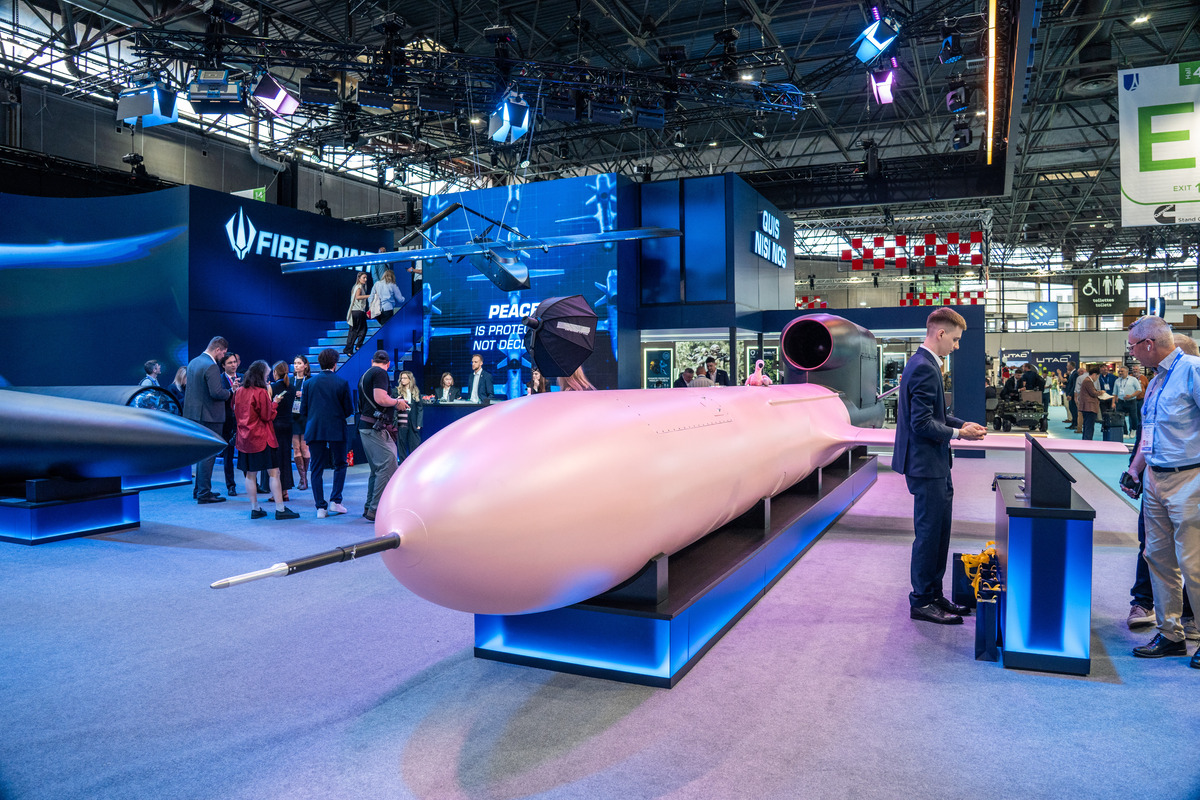
One of the main topics was the Ukrainian defense industry’s ability to respond to developments on the battlefield within weeks, rather than years. “The certification process, including testing, took five weeks. After five weeks, the missile was ready for service in the Ukrainian army. I can’t imagine how long a similar process would take in the European Union,” said Tariq. It is precisely this ability to quickly implement changes based on frontline experience that Ukrainian manufacturers consider one of their greatest advantages over traditional defense procurement processes in Europe.
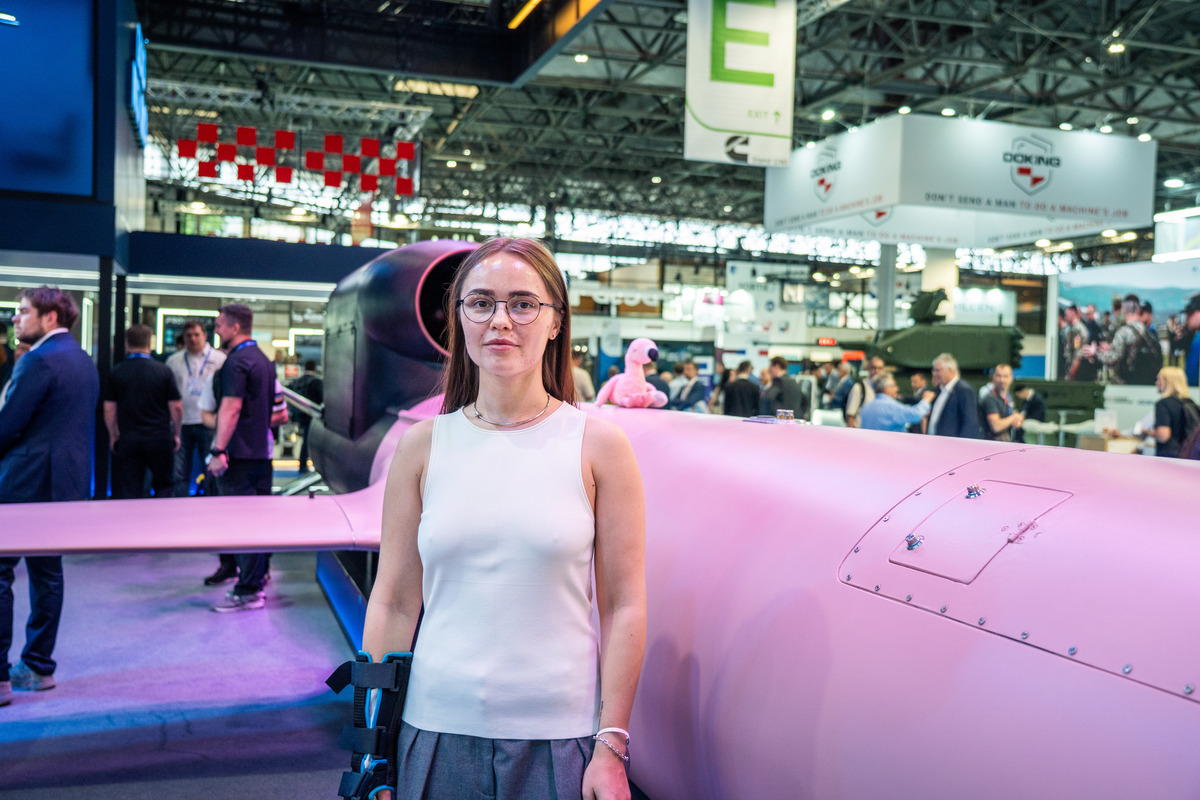
In addition to the products themselves, Ukrainian companies also want to offer their European partners the experience they have gained during the war. “We don’t want to create competition. We want to build stronger ties and foster cooperation. Today, Ukraine offers not only specific products, but an entire ecosystem of experience, training, mission planning, and the integration of modern technologies into combat,” was stated during the presentation.
Rheinmetall Bets on Unmanned Systems
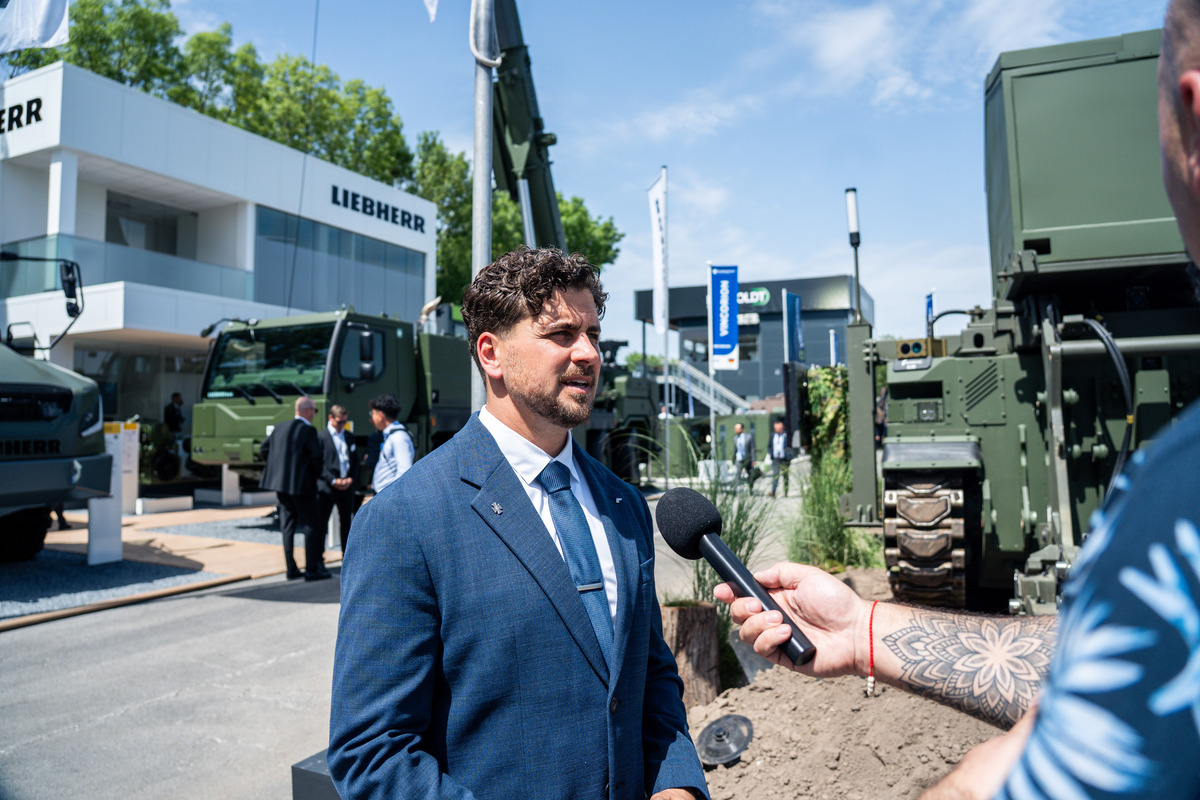
Rheinmetall’s exhibit is traditionally among the largest and most visited at Eurosatory. This year, the company unveiled a number of new products, including two unmanned platforms developed in response to lessons learned from the war in Ukraine. Viktor Zuska, Sales Director for Central Europe, and Florian Bluhm, Vice President of Sales for Europe, presented them to CZ DEFENCE.
The new MV-8 Komodo unmanned engineering system, designed primarily to clear paths through minefields and engineering obstacles, attracted the most attention. “What you see behind me is the MV-8 Komodo unmanned breaching system.
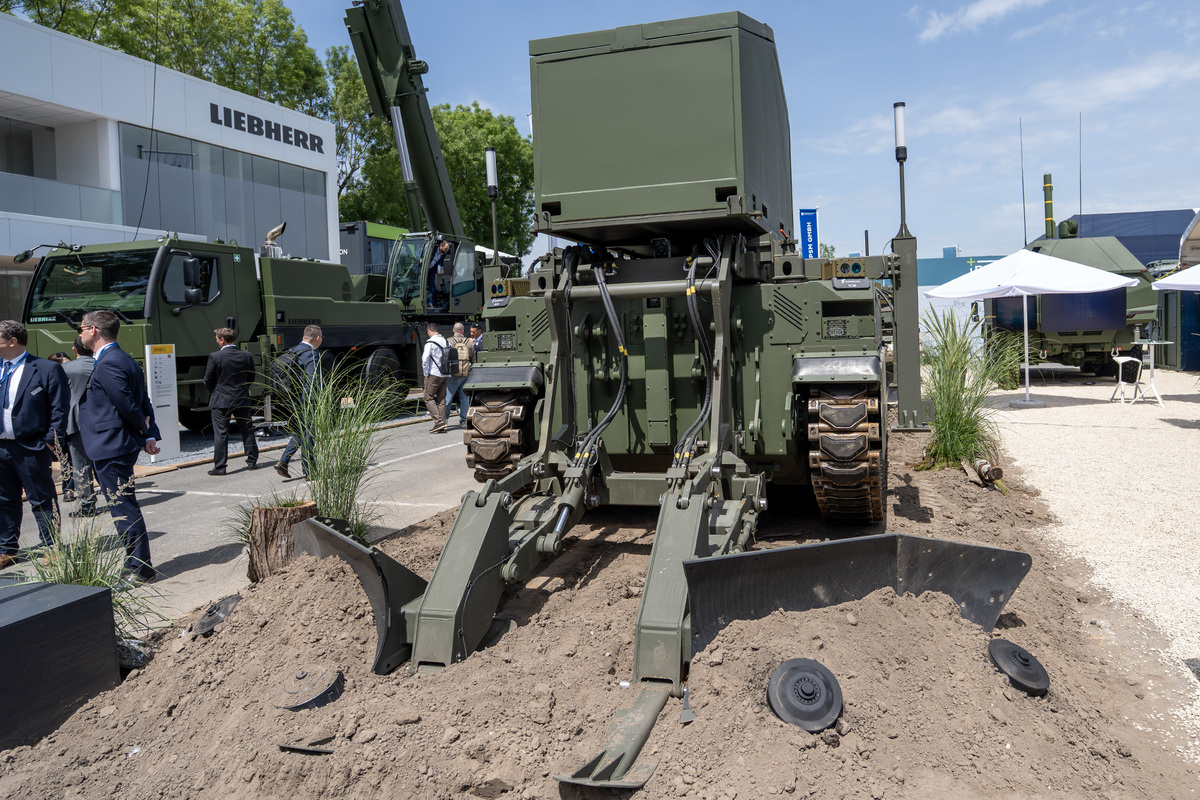
"We integrated the Foudre linear mine clearer into this configuration and created a platform designed to safely clear paths through minefields," explained Florian Bluhm.
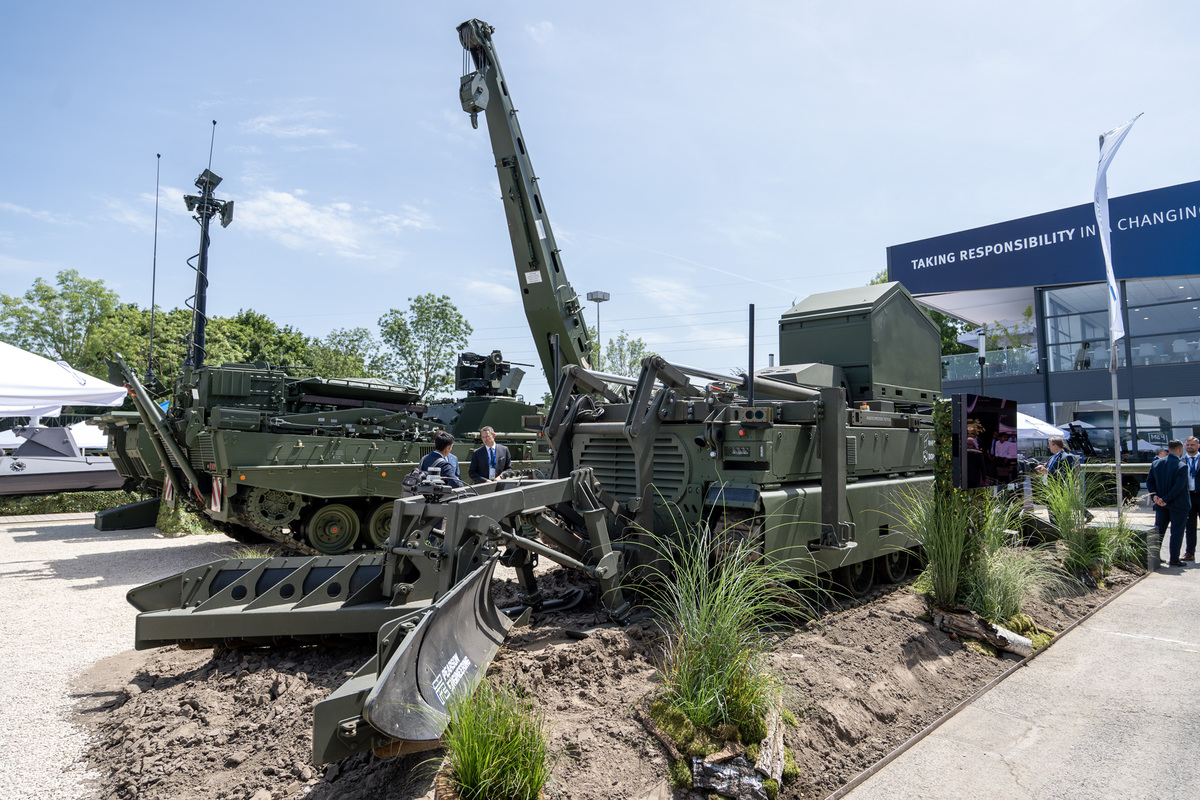
According to him, the project was developed directly based on lessons learned from the battlefield in Ukraine. “We’ve all seen what’s happening in Ukraine. We’ve gained a great deal of insight into the use of unmanned systems, and we decided that we need to apply the same approach to breakthrough and rescue operations as well.” The system is currently controlled by a single operator from a distance of up to two kilometers, provided there is direct line of sight. In the future, Rheinmetall plans to integrate autonomous functions.
Modular Buggies for a Wide Range of Tasks
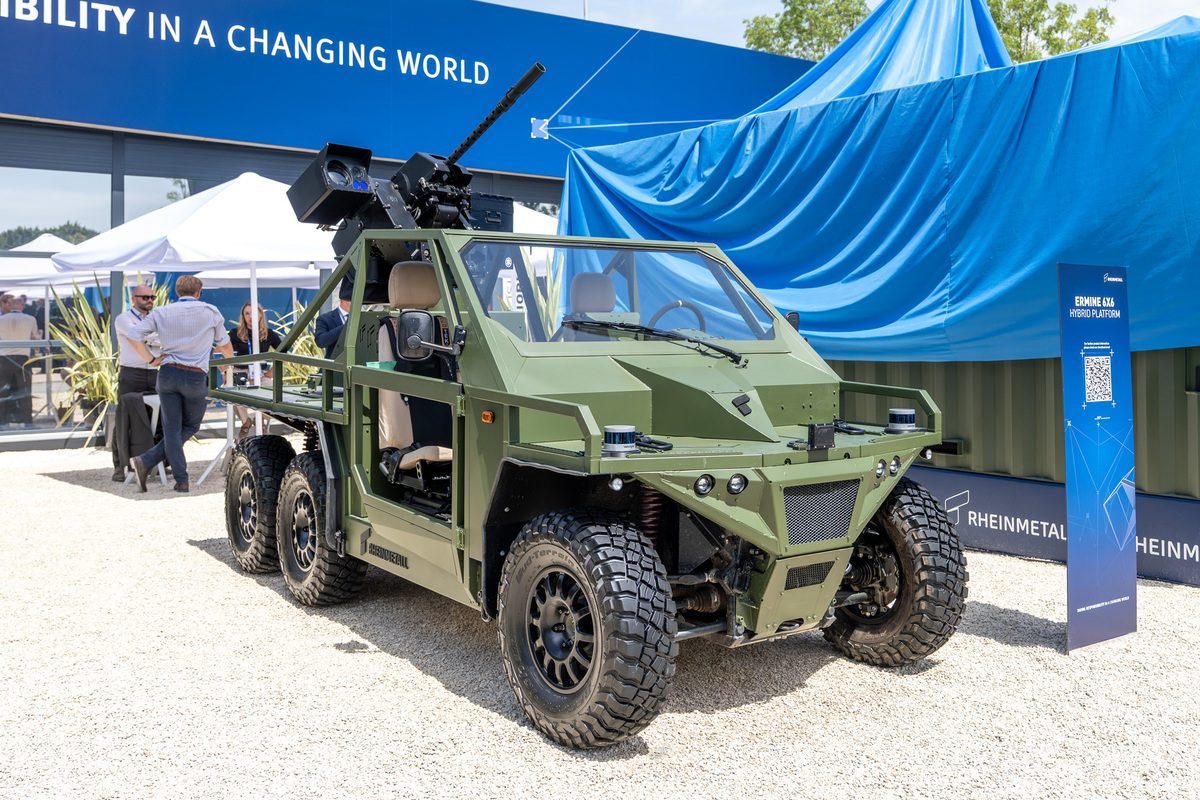
The second new product was a six-wheel modular buggy presented by Viktor Zuska. “The main advantage of this vehicle is that it can be used with or without a crew. The seats can remain in place, and the platform can operate in both modes,” he explained. The platform is available in both 6×6 and 4×4 configurations and can serve as a mortar carrier, a MEDEVAC vehicle, a troop transport, or a mobile power source for sensors and other electronic systems.
Both of the platforms presented point to the direction in which European ground forces are increasingly moving—toward unmanned systems, modularity, and minimizing the risks to soldiers while carrying out dangerous missions.
Galvion: The Helmet as Part of the Digital Battlefield
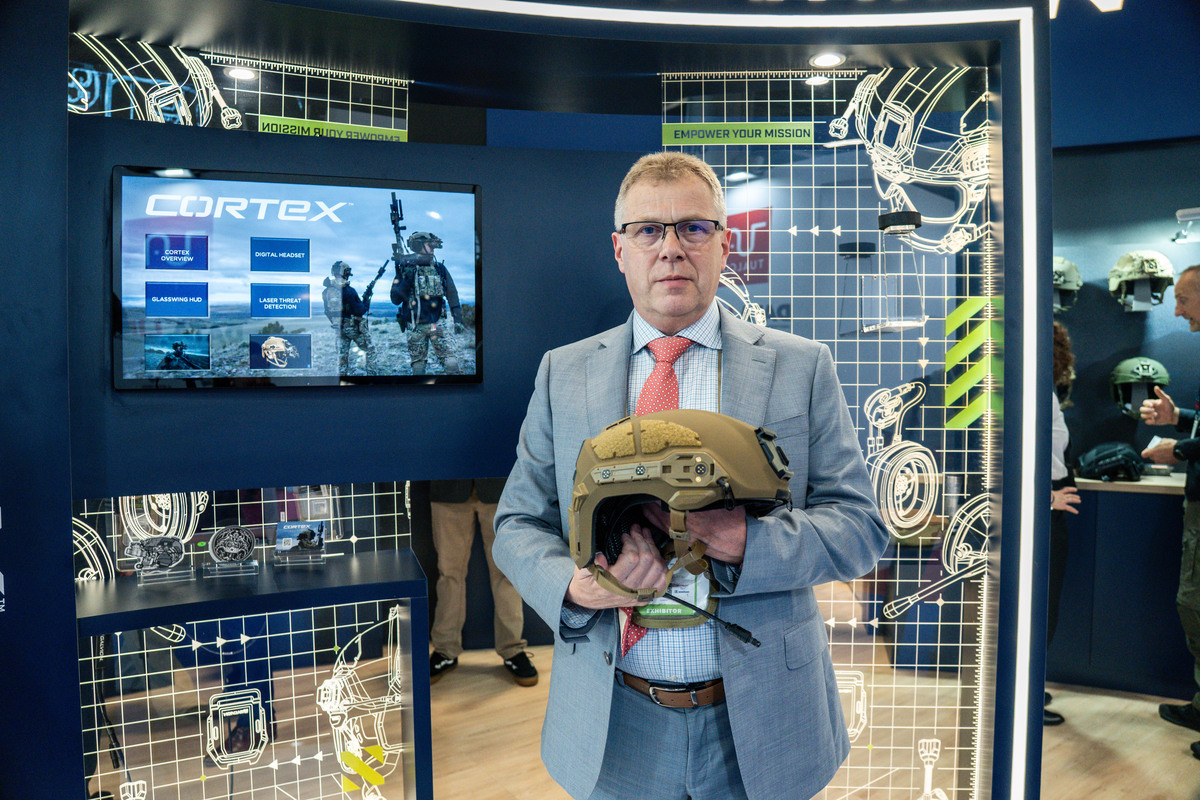
The Eurosatory trade show is not just a showcase for tanks, armored vehicles, and unmanned systems. Increasing attention is also being paid to individual soldier equipment, which is rapidly becoming an integral part of the digital battlefield. One of the most interesting exhibits in this category was the new “smart” helmets from the British company Galvion, which were presented to CZ DEFENCE by Richard Coomber, Senior Vice President for Tactical Head Solutions. Galvion is one of the world’s leading manufacturers of protective gear for soldiers, but this time it showcased much more than just a new generation of ballistic helmets. “You can think of this helmet as a hub to which a wide variety of equipment and functions can be connected. It can distribute power, transmit data, and provide the soldier with information exactly when they need it,” explains Richard Coomber. According to Coomber, a modern helmet today serves as a platform for a wide range of technologies. It can integrate night-vision devices, thermal imaging systems, head-up displays, advanced communication devices, or acoustic sensors capable of detecting approaching drones. “We can use cameras, gather information from them, and then run artificial intelligence algorithms on that data. We can also work with sound and, for example, listen for drones in a soldier’s vicinity,” he explains. Helmets can also be equipped with laser beam detection systems. “You’re a soldier. You want to know if someone is targeting you with a laser. You want to know if a missile is heading your way. And we can integrate exactly those kinds of sensors into the helmet.”
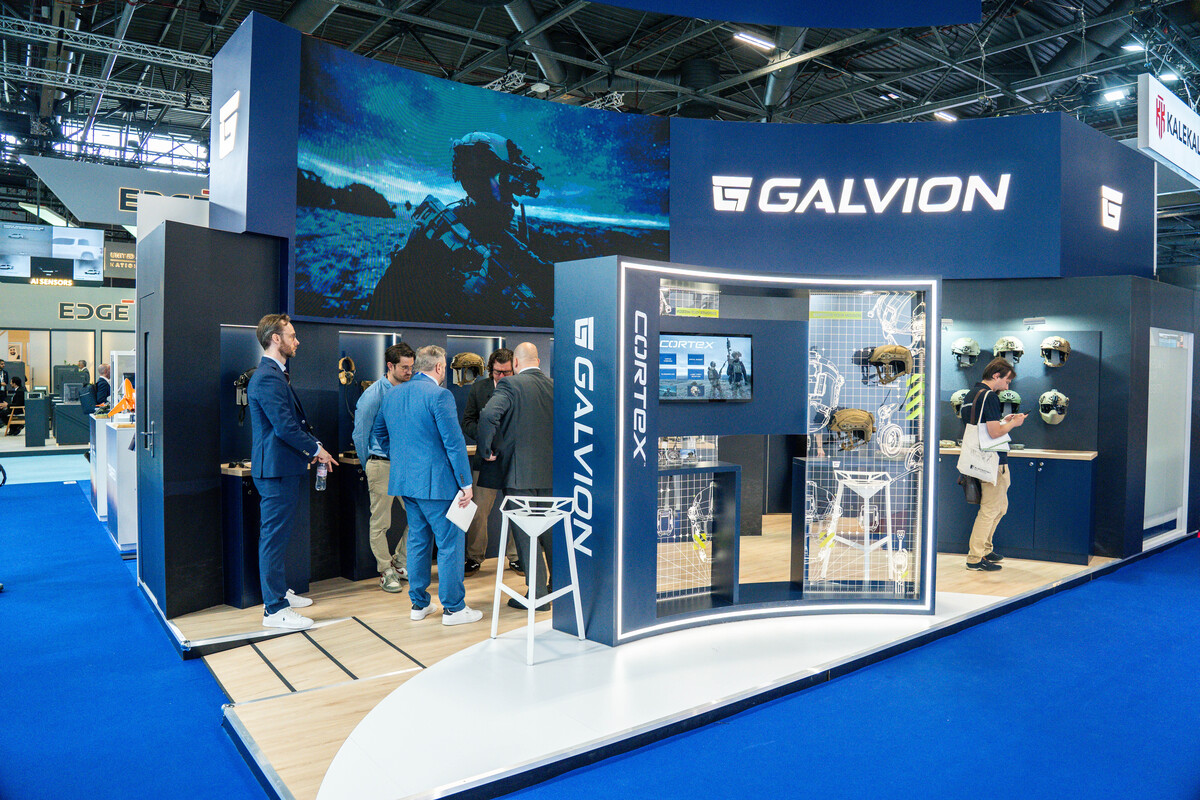
According to Coomber, one of the main risks on the modern battlefield is information overload for soldiers. “Too many people look at technology and simply say, ‘Let’s add more technology.’ But we ask how, specifically, it helps people. How does it increase their effectiveness without causing cognitive overload?” In addition to electronic systems, Galvion also presented a new generation of Hellbender ultralight ballistic helmets. “The days when special forces received the best helmets and regular infantry got something inferior are over. Today, armies want to provide the highest level of protection to all soldiers,” Coomber states.
The fourth day of the Eurosatory 2026 trade show thus demonstrated that the future of ground forces will not rest solely on new tanks and combat vehicles. Unmanned systems, digital connectivity among soldiers, artificial intelligence, and new approaches to individual protection are gaining equal importance. From Ukraine’s battlefield experiences to European heavy equipment programs and smart soldier gear, it is clear that the defense industry is entering a period of the fastest technological transformation since the end of the Cold War.