







How to Win the Battle Over the Cost per Kill
The threat posed by unmanned aerial vehicles (UAVs) has evolved from a marginal issue into a major challenge for armed forces around the world. This is particularly evident in Ukraine, where inexpensive drones are being effectively deployed against infrastructure, mechanized units, and individual soldiers.
This conflict highlights not only the scope of the threat but also the urgent need for effective and cost-efficient countermeasures. At its core, this is an economic struggle: NATO cannot afford to destroy inexpensive drones primarily with expensive guided missiles or complex systems. The decisive factor is not only technical effectiveness but also a sustainable cost-benefit ratio when deployed on a large scale.
Ground-based air defense (GBAD) systems rely on three fundamental elements:
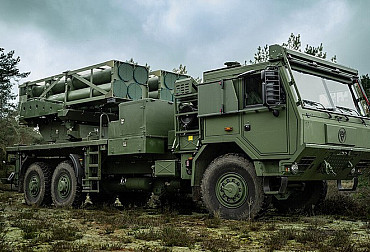
- sensors – the eyes of the entire operation,
- command and control (C2) systems – the brain,
- and effectors – the means to neutralize threats.
Modern sensors, such as Saab’s state-of-the-art Giraffe 1X system, already enable the precise detection and classification of very small targets. Depending on the type of target, range, and environmental conditions, radar can detect objects with a radar cross-section of less than 0.01 square meters. However, increasingly sensitive sensors also generate a massive amount of data that must be analyzed in real time.
Modern C2 systems, supported by growing computing power and, to an ever-greater extent, artificial intelligence, are capable of processing these data streams in fractions of a second. Nevertheless, on today’s battlefield saturated with drones, effective counter-unmanned aerial system (C-UAS) defense depends only to a limited extent on a single command system. A resilient, networked architecture is far more important in this context.
Such a networked approach integrates sensors, firepower, electronic warfare, and human-machine collaboration with rapid feedback from the front lines. The network must be fault-tolerant, allow for the rapid integration of new sensors and effectors, and support decentralized operations. The advantage will go to the side that can more quickly detect, classify, prioritize, and destroy targets – while maintaining a favorable cost-benefit ratio. The resulting situational awareness enables rapid decision-making and supports the selection of the most appropriate effector.
Soft Kill vs. Hard Kill
An effective C-UAS system is one in which the level of response is tailored to the threat and the costs involved: electronic countermeasures are used where possible, weapons and mobile teams are deployed where necessary, cost-optimized fighter jets are deployed against mass threats, and state-of-the-art missiles are used against the most challenging targets. This “cost per target shot down” logic is essential for scalable protection – from critical infrastructure to frontline units – in both military and commercial technologies.
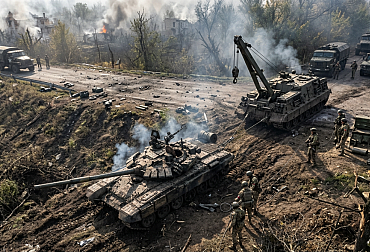
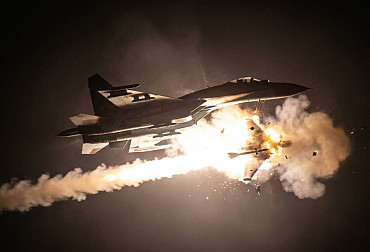
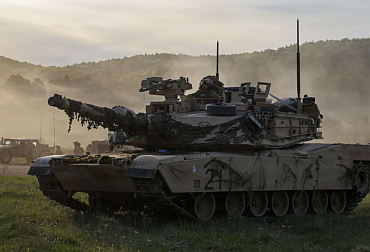
Ukraine’s experience shows that C-UAS is becoming an economic war of attrition. While a drone may cost as little as a few hundred euros, the cost of defense using advanced defense systems can run into the millions. Furthermore, long delivery times are often a factor in the production of these systems.
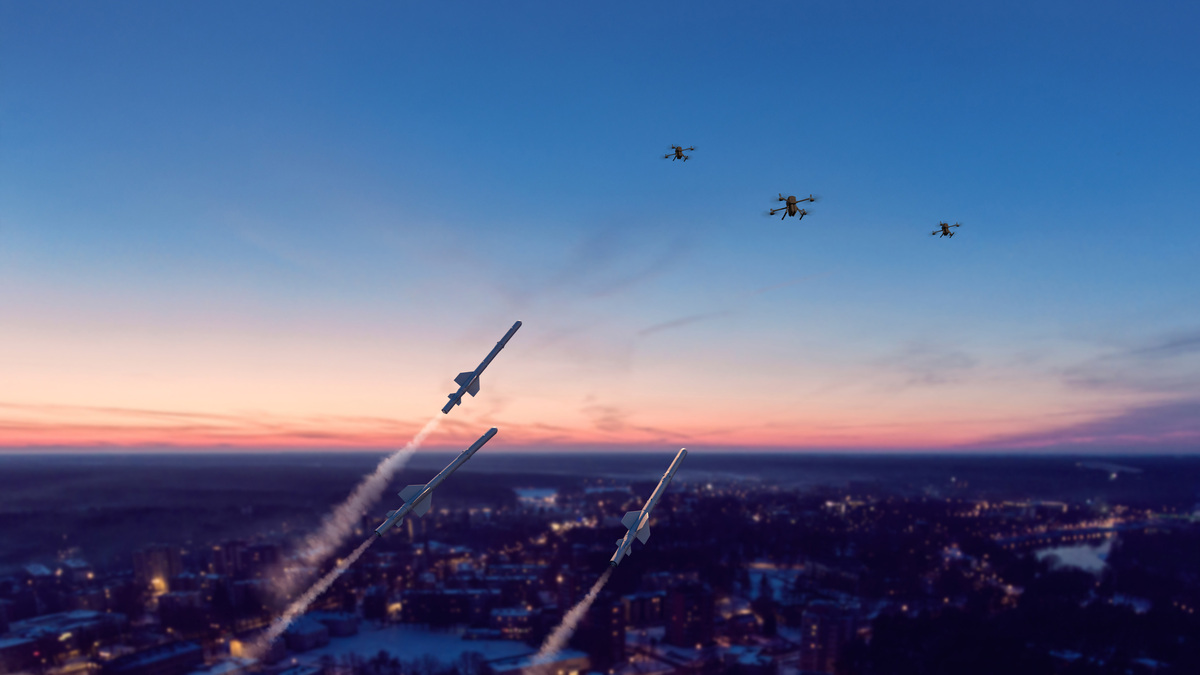
In response to this challenge, Saab is developing “Nimbrix,” a low-cost “fire-and-forget” guided missile designed specifically for anti-drone operations. The missile, with a range of 2 to 4 kilometers, utilizes an active seeker and a time-delayed (air-burst) warhead capable of destroying swarms of drones. The system is designed for both standalone operation and integration into larger air defense architectures.
Real-Time Innovation – Ukraine Sets the Pace
Ukraine has changed the pace of the war through the use of drones. Feedback from the front lines, commercial technologies, and rapid prototyping are shortening the innovation cycle to days and weeks, while tactics and capabilities can evolve within months. For NATO, the challenge is clear: traditional public procurement processes cannot keep pace with the speed at which drone threats are evolving. C-UAS systems must represent an adaptive capability – they must be continuously integrated, tested, deployed, and modernized.
Saab is shortening the time between gaining operational experience and responding at the industrial level. Feedback from users, exercises, and deployed systems is directly incorporated into development, software updates, and integration, enabling capabilities to be adapted in response to evolving threats. A notable example is the “Loke” concept, developed in collaboration between the Swedish Air Force, the Swedish Defense Materiel Administration (FMV), Saab, and its partners. In just 84 days, a mobile and adaptable C-UAS solution for combat units was developed and deployed.
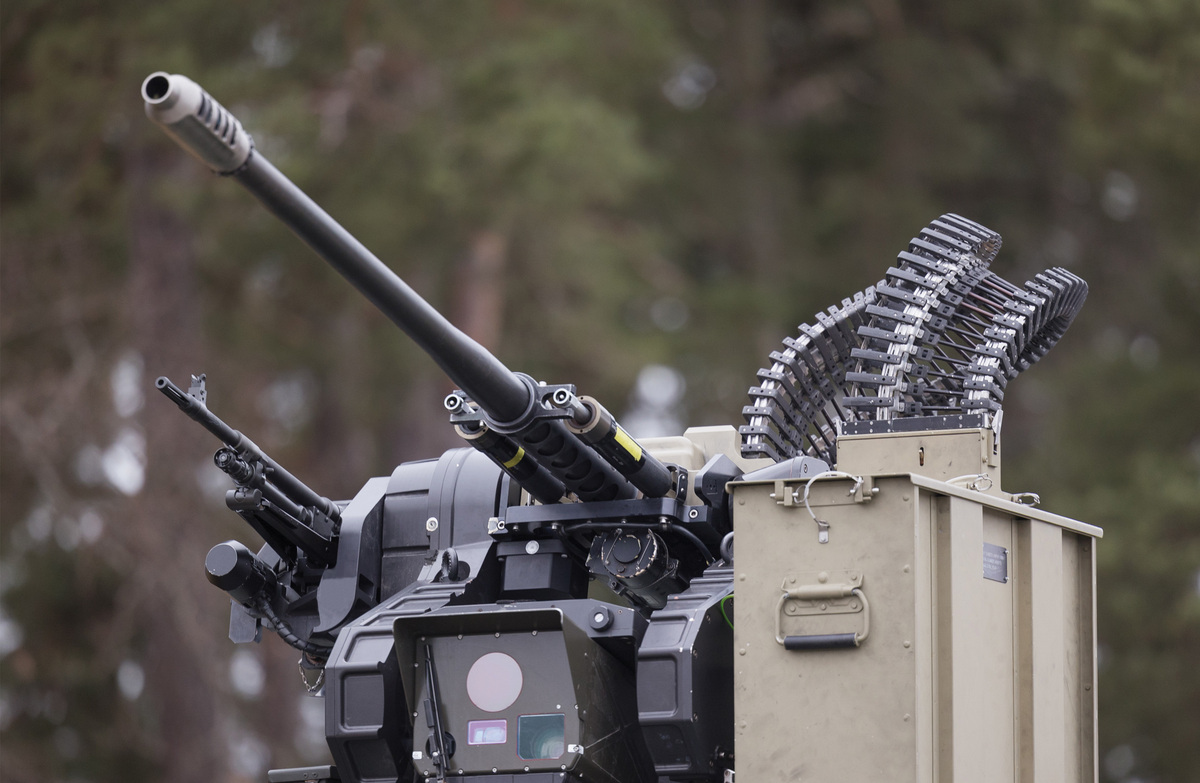
This modular system covers the entire target destruction chain and combines the proven Giraffe 1X radar with a simple C2 solution based on the SHORAD system. The concept is rounded out by effectors, such as a light cannon mounted on the Trackfire remote-controlled weapon station. These systems can be operated on land-based platforms as well as on naval vessels, such as Saab’s Combat Boat 90, and between April and September 2025, they were deployed and proved their worth in a live NATO mission at the Malbork Air Base in Poland.
The Loke system does not rely on multi-year development cycles; instead, thanks to its open, technology-agnostic architecture, it rapidly integrates proven systems with new technologies. The result is a scalable and adaptable C-UAS capability that evolves alongside the threat and remains operational even while on the move.
There Is No Such Thing as a Perfect System
Saab’s portfolio of “hard-kill” systems includes the RBS 70 NG, a laser-guided, man-in-the-loop system designed to destroy drones, aircraft, and helicopters without relying on guidance channels that can be jammed. As part of a broader “system of systems,” it combines reconnaissance assets and various combat modules, with configurations for mobile and remote launch supporting flexible MSHORAD operations.
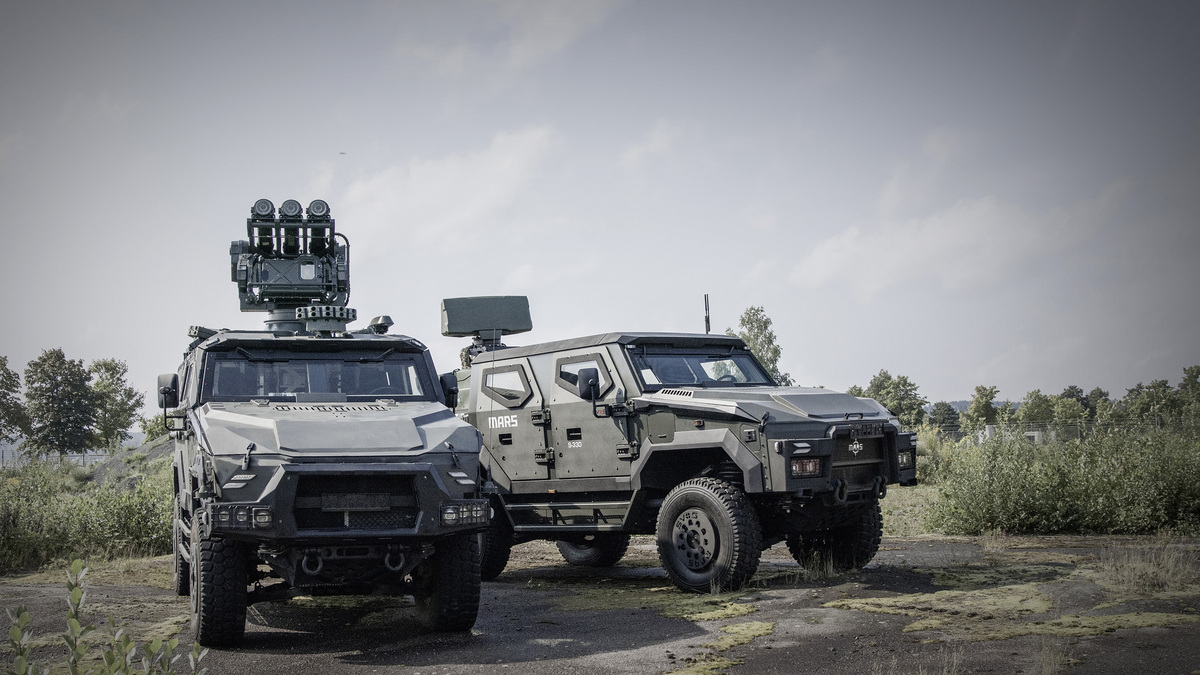
At the same time, soft-kill solutions – such as jamming, networks, and so-called “hunter drones” – are also gaining importance. Together with startups and industry partners, Saab continues to research new technologies that will enable it to counter current and future threats. However, there is no one-size-fits-all solution.
Modern counter-drone warfare requires layered defense concepts built around various systems tailored to regional threats and operational requirements. The logic of layered costs must be incorporated into these architectures from the outset: the right capability, at the right price, against the right threat. Closer cooperation within NATO is becoming increasingly important, although national security priorities continue to dominate many defense strategies.