















NATO Days 2026: Allies and the Czech Air Force Will Be on Display in Ostrava
Leoš Janáček Ostrava Airport will once again become the venue for one of the largest demonstrations of military and security capabilities in Europe on the weekend of September 19 and 20. This year’s NATO Days in Ostrava & Czech Air Force Days will feature not only extensive international participation, led by Germany as the special partner nation, but also the return of the British Red Arrows after a one-year hiatus. For the Czech Armed Forces, the event also represents an opportunity to showcase the capabilities of the Air Force to the public during a period of fundamental technological and generational transformation. While preparations are underway for the transition to the F-35, the helicopter wing is completing its transition to the H-1 platform, air defense is deploying the SPYDER system, and the transport wing is integrating the new C-390 Millennium. This year’s air show at Ostrava Airport thus has much more to offer than just an exciting weekend of aerial displays.
NATO Days in Ostrava & Czech Air Force Days will take place for the 26th time this year. This will also mark the 17th edition of Czech Air Force Days. It is precisely this combination that is essential to the nature of the entire event. NATO Days began as a separate event in 2001, at that time still held at the Černá louka Exhibition Grounds in Ostrava, while the Czech Air Force Days joined the event in 2010. Since then, the Czech Air Force’s presentation has become one of the main components of the entire event. This year’s event will take place on September 19 and 20 at the Leoš Janáček Ostrava Airport. The venue will open at 8:15 a.m. on Saturday, with the program running from 9:00 a.m. to 5:00 p.m.; on Sunday, the program is scheduled from 9:00 a.m. to 4:00 p.m. Admission remains free. The organizers will publish a detailed schedule by September 16 at the latest; therefore, the current list of participants should be considered provisional. Nevertheless, as of mid-August, it already offers a fairly clear picture of the international scope of this year’s event. Confirmed participants include F-16 and Eurofighter Typhoon fighter jets, the Italian C-27J Spartan and M-346 Master, UH-60 and H145M helicopters, the PC-9M, the An-26 transport aircraft, and the multi-purpose Airbus A330 MRTT refueling and transport aircraft. Germany and the return of the British Red Arrows aerobatic team represent a special highlight. Before we look at the international participation, however, the Czech part of the event’s name itself is worth noting. The Czech Air Force Days come at a time when the Czech Air Force is undergoing one of the greatest transformations in its modern history.
The Air Force in the midst of a generational shift
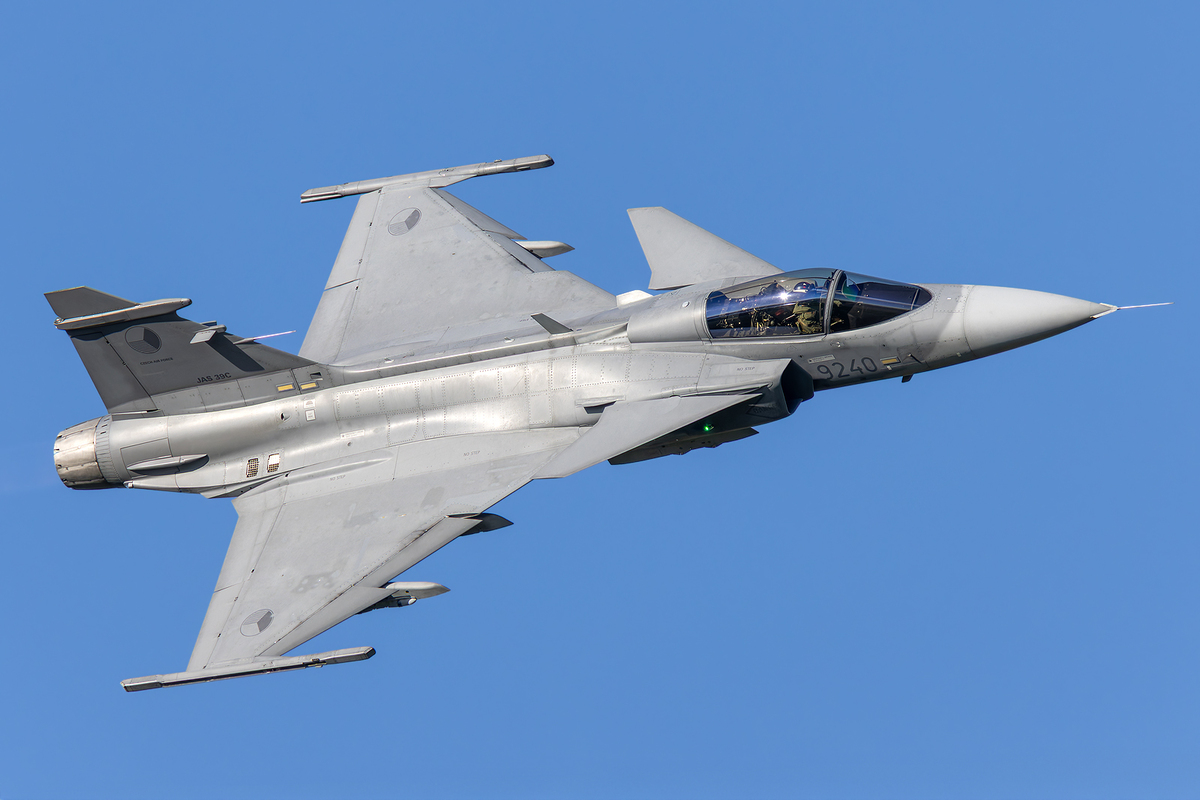
Today, the Czech Air Force consists of more than just the JAS-39 Gripen and L-159 ALCA fighter aircraft. Its missions range from the continuous protection of the Czech Republic’s airspace, through NATO missions and air defense, to helicopter and transport operations, search and rescue, civil protection, and support for ground forces. Recent years, in particular, have shown how this force is evolving technologically.
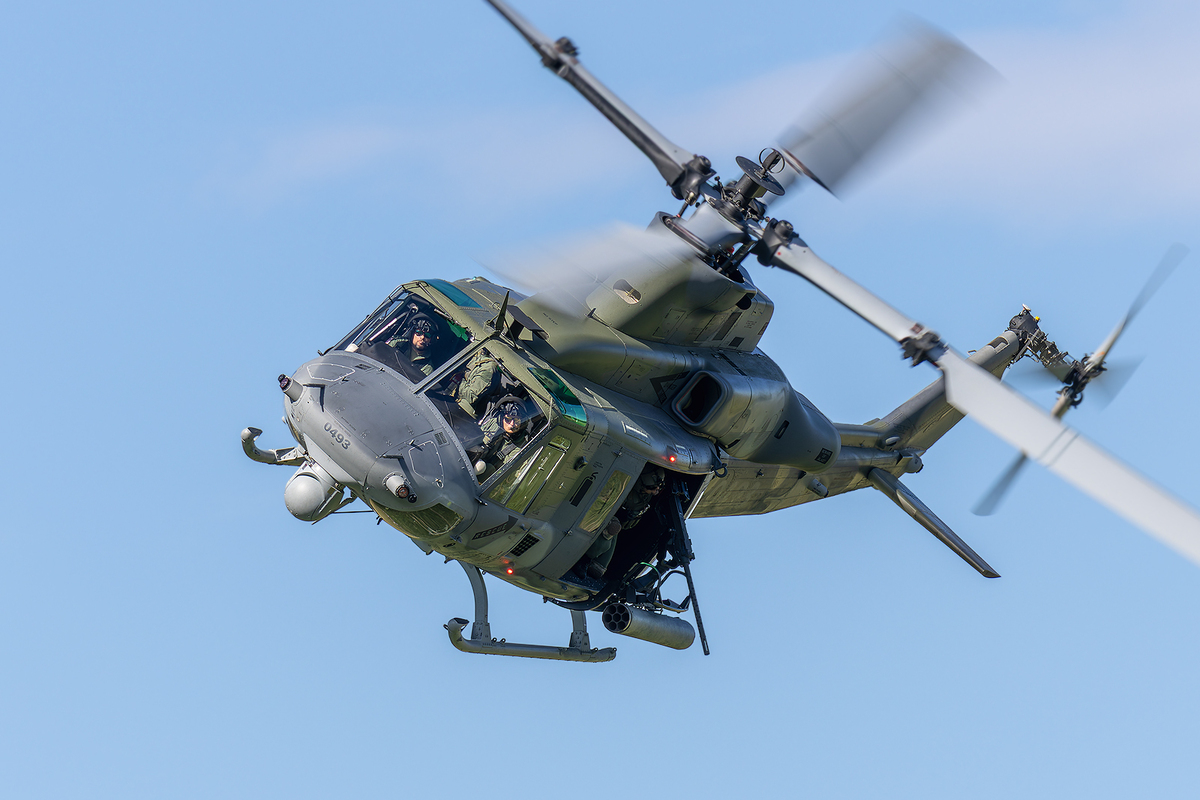
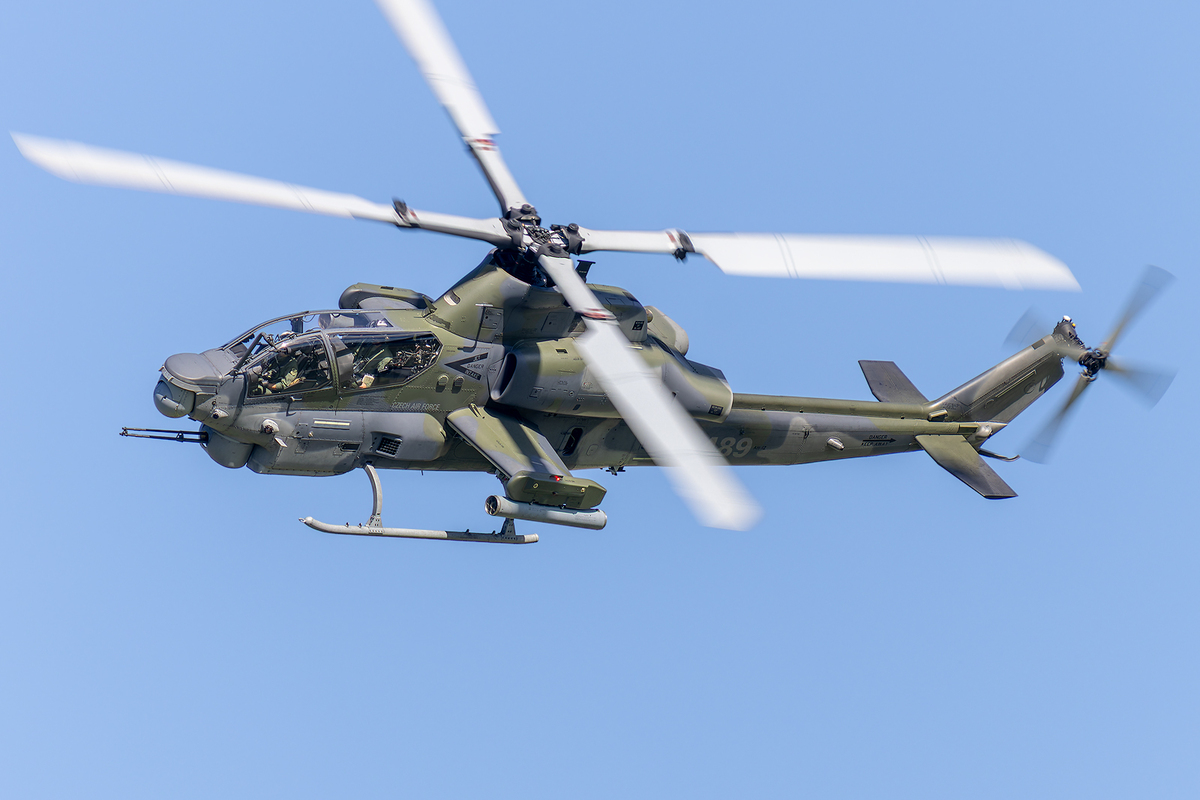
The helicopter force is transitioning to the American H-1 platform, which consists of the UH-1Y Venom and the AH-1Z Viper. The Air Force is set to acquire a total of twenty of these helicopters. The new helicopters are replacing Soviet Mi-24/35 models and represent not only a change in the type of helicopter itself, but also a transition to Western standards of training, maintenance, logistics, and deployment. Air defense is also undergoing a fundamental transformation.
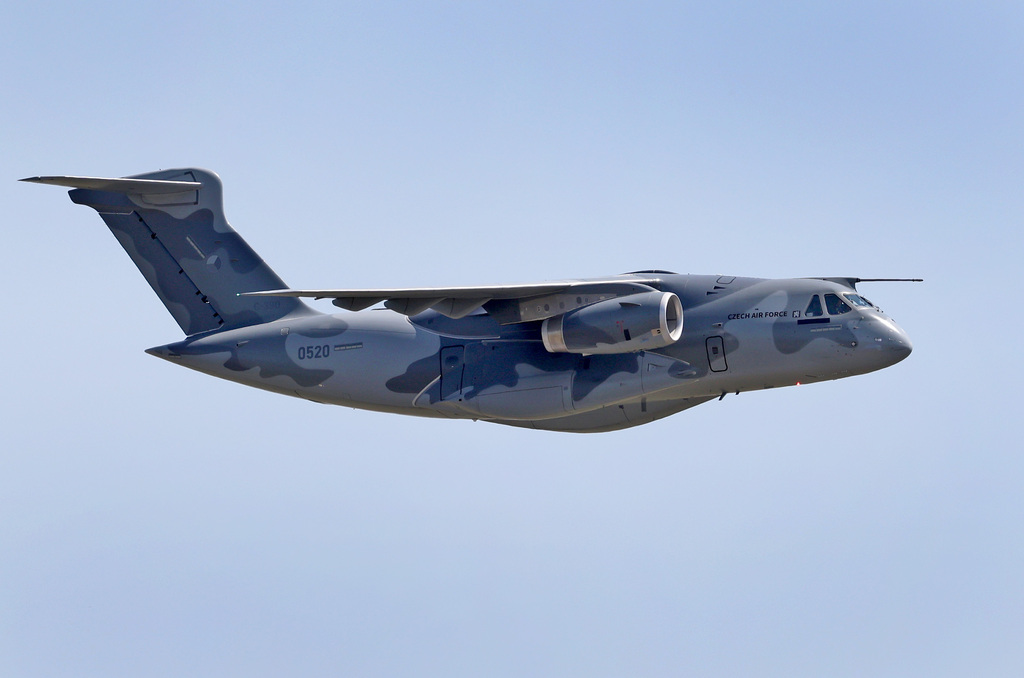
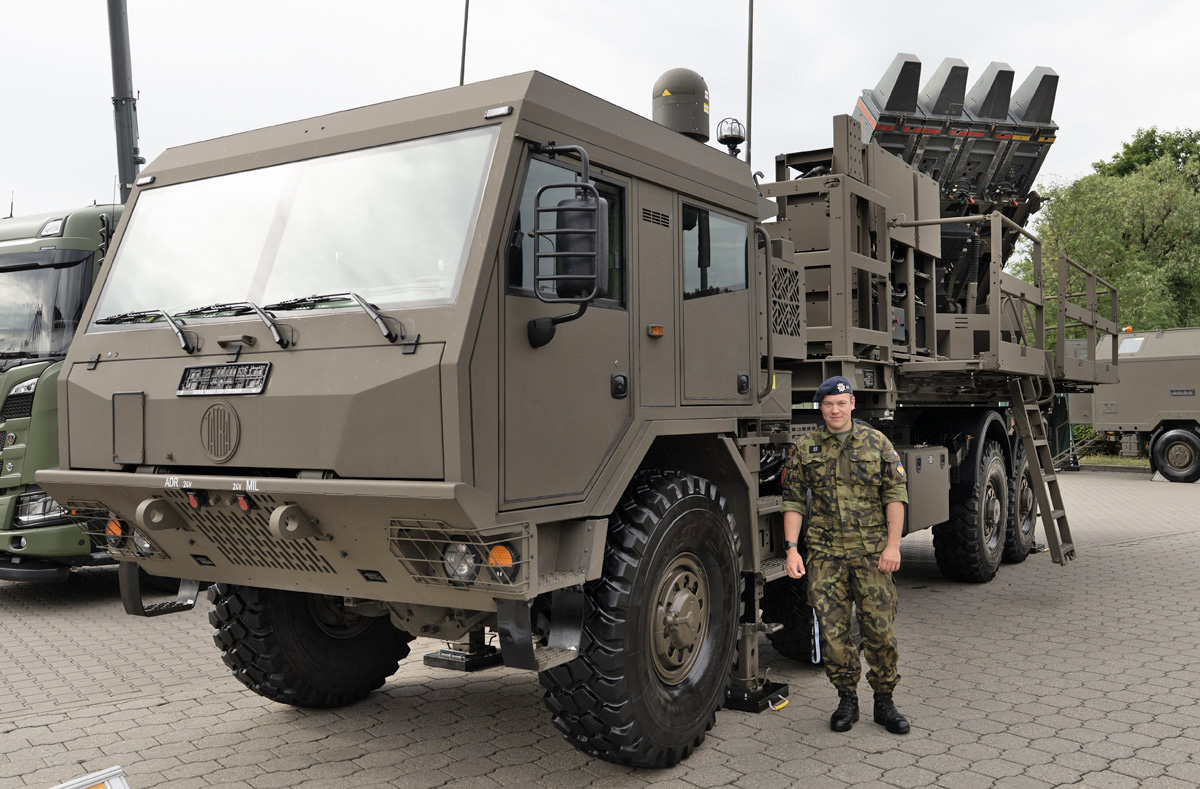
Israel’s new MADR 3D radars are being integrated into the NATO NATINAMDS system, and the army is deploying the SPYDER anti-aircraft missile system. According to the Czech Armed Forces, radio-technical units are set to conduct full operational capability testing of the new radars this year. On top of that, the transport aviation fleet is being modernized. The first of the two ordered Embraer C-390 Millennium aircraft completed its maiden test flight in Brazil this past May, and its official handover took place in mid-July. The handover of the second aircraft is scheduled for December of next year. The aircraft, assigned to the 24th Transport Aviation Base in Prague-Kbely, will significantly expand the capabilities of the Czech Air Force in transporting personnel and supplies, conducting airborne operations, performing medical evacuations, and carrying out humanitarian missions.
And above all this stands the future transition of the tactical air force to the F-35. The Czech Republic is acquiring 24 fifth-generation aircraft, and their introduction will entail a significantly broader change than simply replacing one fighter jet with another. It will require new infrastructure, training, logistics, and the ability to handle a significantly larger volume of information and integrate the aircraft into a networked operations command system. That is precisely why this year’s Czech Air Force Days take place against such an interesting backdrop. The Czech public can observe the military at a time when several decades of using Eastern-sourced equipment are gradually coming to an end, while at the same time an air force based primarily on Western platforms is taking shape.
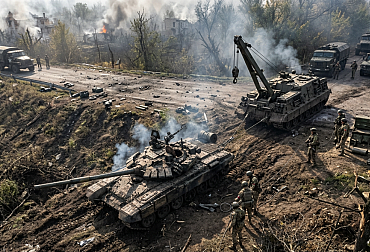
However, the way these platforms are deployed is also changing. In recent years, the Air Force has been training in the concept of Agile Combat Employment – that is, the ability to operate from multiple dispersed locations rather than relying on a few large air bases. In 2025, Czech units practiced relocating to alternate airfields and other suitable sites. The goal is to increase the Air Force’s resilience against a potential first strike and to enable operations to continue even in environments where main bases are under threat. Experience from the war in Ukraine shows that the protection of airfields, the dispersal of equipment, air defense, and the ability to quickly resume operations are among the key conditions for the survival of a modern air force.
Germany will field an exceptional lineup
Germany, which has been granted the status of a special partner nation, is expected to be the most prominent foreign participant in this year’s event. This is not a new concept for NATO Days. A partner nation is given the opportunity to showcase its armed forces and security agencies on a significantly broader scale, and the presentation typically includes the defense industry as well. Germany’s participation this year will be particularly noteworthy in the aviation segment. The Luftwaffe is celebrating its 70th anniversary and plans to send eleven aircraft and helicopters to Ostrava. According to recently published data, three Tornado aircraft, three Eurofighter Typhoons, two A400M transport aircraft, a CH-53 heavy-lift helicopter, an AS532, and an Airbus A320 are scheduled to arrive.
The Tornado IDS will likely attract the most attention. This aircraft, which for decades has been one of the symbols of the German air force, has appeared at NATO Days in the past, but this year it is set to make its debut in a dynamic demonstration. Its appearance takes on added significance given the gradual phasing out of this model from Luftwaffe service. Germany is undergoing an extensive modernization of its armed forces, and the Tornados will be gradually replaced by new platforms. The Ostrava audience will thus have the opportunity to see an aircraft that represents a concluding chapter in European military aviation, alongside the Eurofighters, which, on the other hand, remain one of Europe’s core combat aircraft.
However, this extensive German presentation also holds significance beyond the airshow program itself. In the current security situation, Germany is one of the key countries for Europe’s ability to strengthen its own defense and, at the same time, an important ally of the Czech Republic. This year’s role as a special partner country thus aligns well with the shift that European defense has been undergoing in recent years.
The Red Arrows are back over Ostrava
Another highlight of the program will be the British aerobatic team, the Red Arrows. The red Hawk T1 jets will return to Ostrava just one year after their last performance; instead of the usual nine, seven will fly in an impressive formation this year. In 2025, their return marked the end of a thirteen-year hiatus. At that time, the British team performed during the 25th anniversary edition, and their arrival was accompanied by a joint flyover with Czech Gripen jets over Prague. This year, one of the world’s most famous military aerobatic teams will perform for visitors to NATO Days for the second year in a row. At the same time, the Red Arrows clearly demonstrate another aspect of such events. In addition to showcasing specific military capabilities, air shows are also important for fostering a relationship between the armed forces and the public. An exciting aerial display attracts visitors to military aviation who otherwise might not actively follow security issues.
Not just fighter jets
The list of confirmed international participants also shows that the Czech Air Force Days are not merely a showcase for the fastest and most spectacular fighter jets. From a technical standpoint, the Airbus A330 MRTT, for example, can be just as interesting. The Czech Republic is part of a multinational fleet of these aircraft, which provides participating countries with strategic transport and, in particular, in-flight refueling capabilities. The practical significance of this cooperation was demonstrated, for example, by the mission of Czech Gripen aircraft to Iceland in 2025, when the Czech aircraft utilized refueling from an A330 MRTT during their flight. It is precisely these capabilities that tend to be overshadowed by fighter jets, yet without them, modern air operations cannot be conducted over long distances or for extended periods. The same applies to transport aviation, helicopters, communications units, air traffic control, ground support, and air defense.
Air Force Days can thus offer the public a more comprehensive answer to the question of what it actually means to have a functional air force. It is not just a pilot and a fighter jet, but an extensive system of personnel, sensors, logistics, infrastructure, air defense, and command and control.
Drones are changing the nature of war, and they will change military parades as well
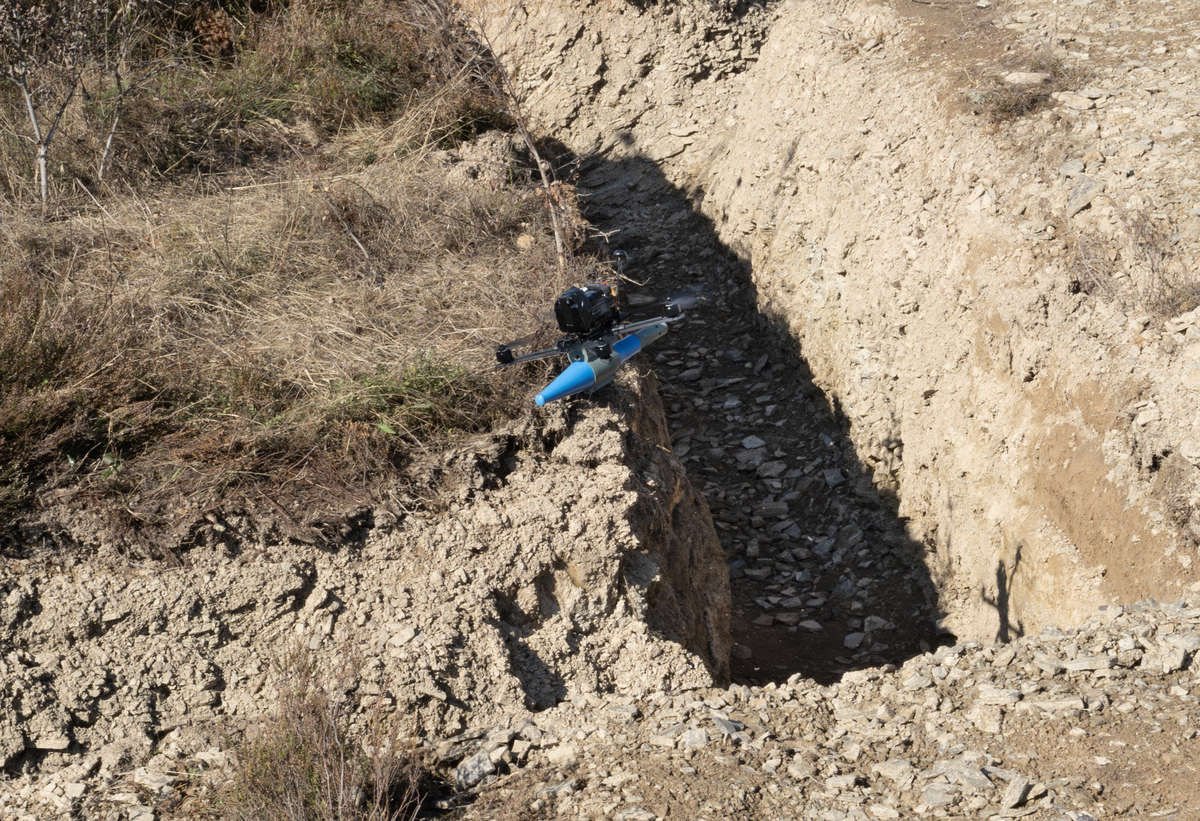
One of the questions that arises when looking at the future of NATO Days is the growing importance of unmanned systems. The war in Ukraine has dramatically changed their role. Drones are no longer merely specialized reconnaissance vehicles. Unmanned systems perform reconnaissance, strike, logistics, and communications tasks, while also placing enormous pressure on air defense and electronic warfare. This creates an interesting paradox for traditional air shows. Fighter jets, helicopters, and aerobatic teams naturally attract the most public attention. However, the technological revolution in the military is also taking place with significantly smaller and, at first glance, less spectacular systems. Similarly, the importance of artificial intelligence, automated data analysis, electronic warfare, and the integration of individual sensors and weapon systems is growing. The future format of NATO Days will therefore likely have to increasingly find ways to present to the public capabilities whose true value is not immediately apparent.
The defense industry as part of the change
At the same time, the Czech defense industry is undergoing a transformation. Significantly growing European demand for military equipment and lessons learned from Ukraine are accelerating the development of new systems and increasing production capacity. The Czech Republic, however, is not merely a customer of foreign manufacturers. Domestic companies supply ammunition, ground vehicles, radars, electronics, optoelectronics, unmanned aerial vehicles, and other technologies to foreign markets. This aspect, too, has been increasingly reflected in the NATO Days in recent years. For defense professionals, the exhibition thus offers the opportunity to view not only equipment already in service but also systems that are on their way to the armed forces or represent the latest developments in the defense industry. For the Czech Air Force, industrial cooperation is crucial, particularly given the scale of the current modernization effort. The transition to new platforms requires the establishment of long-term maintenance, logistics, and training infrastructure and, in some cases, the involvement of domestic companies.
Security is not just a matter for the military
From the very beginning, however, NATO Days have not been conceived merely as a military air show. Soldiers, police officers, firefighters, customs officials, emergency responders, and other components of the security system all come together in one place. It is precisely this combination that sets the Ostrava event apart from many traditional European air shows. In today’s security environment, this concept takes on new significance. National security can no longer be reduced solely to the military’s ability to defend the country’s territory. Resilience includes the protection of critical infrastructure, cybersecurity, the ability to respond to large-scale natural disasters or industrial accidents, border protection, and the functioning of an integrated emergency response system.
The Air Force has a role to play here as well. This was underscored, for example, by its assistance during this year’s massive wildfire in Bohemian Switzerland. Over the course of four days, military helicopters carried out 596 water drops and delivered more than 1,000 metric tons of water to the fire site. The Air Force is therefore not a capability that the state uses only in wartime. The opportunity to showcase to the public not only combat operations but also this more everyday role of the armed forces is one of the key aspects of the Czech Air Force Days.
Ostrava as a meeting place for allies
Over the course of more than a quarter-century, NATO Days in Ostrava & Czech Air Force Days have evolved from a regional event into a large-scale international security exhibition. Last year’s anniversary edition, for example, featured around seventy aircraft from seventeen countries and NATO structures, as well as more than ninety dynamic demonstrations. This year’s final lineup has not yet been announced. However, the confirmed participants already demonstrate a broad spectrum of capabilities – ranging from F-16s and Eurofighters to Tornados, A400M and C-27J transport aircraft, helicopters, and the A330 MRTT. The Red Arrows will also be joining the event, along with, most notably, an extensive German presentation.
From the Czech Republic’s perspective, however, the domestic portion of the program will be no less significant. The 17th Czech Air Force Days come at a time when the Czech Air Force finds itself between two eras. The Gripen fighters continue to protect Czech airspace and carry out Alliance missions, while preparations for the F-35 are already underway. The Helicopter Force is transitioning to the H-1 system, the Transport Aviation is acquiring the C-390, Air Defense is deploying SPYDER, and the Signal Corps is introducing new radars. So while this year’s NATO Days will offer the traditionally attractive display of allied air forces, the Czech Air Force Days can simultaneously showcase something more substantial: how the very nature of the Czech Air Force is changing and what capabilities the Czech Republic will need in the security environment of the coming decades.
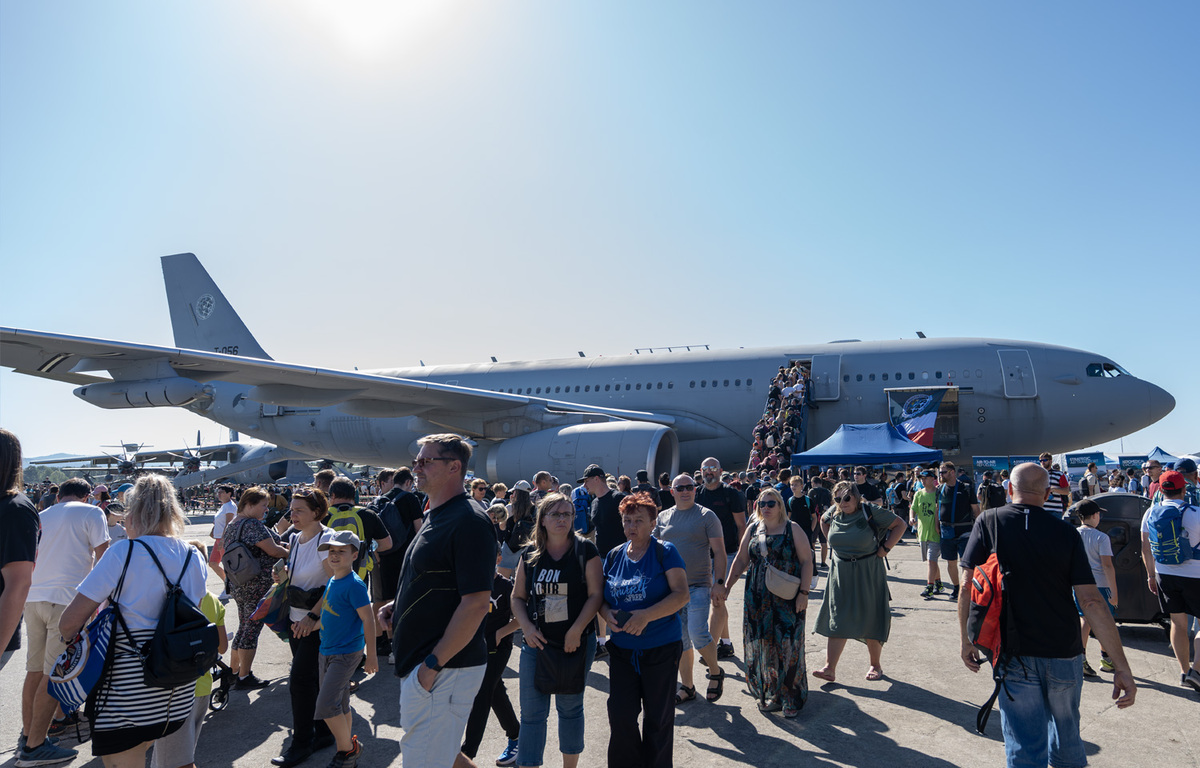
And that is precisely where one of the main purposes of the entire event lies. The public will not just see individual aircraft and helicopters here. In one place, they can get a sense of how Czech capabilities are integrated with those of our allies and why modern defense cannot function in isolation. The German Luftwaffe, the British Red Arrows, other European and NATO aircraft, and the Czech Air Force will thus represent different parts of the same collective defense system in Ostrava this September.