















VOP CZ and CV90: Czech Integration, Development, and Service Support for a New Generation of Infantry Fighting Vehicles
The CV90 tracked infantry fighting vehicle project is one of the most significant modernization programs of the Czech Army. From the perspective of the state-owned enterprise VOP CZ, however, this is not merely a matter of assembling new equipment, but a major industrial project that develops the production, development, testing, and maintenance capabilities of the Czech defense industry. The first vehicles are being built in Sweden, but the bulk of the integration work for the Czech Army will take place at VOP CZ.
Video: VOP CZ and CV90: Czech Integration, Development, and Maintenance Support for a New Generation of Infantry Fighting Vehicles / CZ DEFENCE
The acquisition of 246 CV90 tracked infantry fighting vehicles in seven variants represents a long-awaited step for the Czech Army toward reequipping its mechanized forces. At the same time, this project goes far beyond the mere purchase of foreign equipment. As part of the project, a domestic industrial base is being developed to ensure not only the supply of vehicles to the Czech Army but also long-term support, maintenance, and capability development throughout the entire life cycle of the new platform.
The state-owned company VOP CZ plays a key role in this process. According to its director, Vlastimil Navrátil, the CV90 project is the largest project currently underway for the Czech Army and represents an extraordinary opportunity for the company. He notes that this is not merely a matter of “assembly,” as VOP CZ is also involved in the development of two versions intended for the Czech Army—a fact that the company’s management views as a significant achievement of its own development department.
It is precisely the development of the Czech variants that demonstrates that VOP CZ’s involvement in the project extends beyond manufacturing to include design and engineering. Milan Zvirinský, Director of Projects and Development, notes that the “Czech footprint” in the contract lies, among other things, in the development of two platforms. One of these is the ambulance version, and the other is the forward artillery observation post version. The design for the ambulance was developed practically “from scratch.” While BAE Systems established the framework rules and requirements, the specific interior layout and technical design were the result of the work of VOP CZ’s developers.
The significance of this work, however, need not be limited to the Czech program. According to Zvirinský, it cannot be ruled out that some of the solutions developed at VOP CZ may also be used in the future in other CV90 platform programs outside the Czech Republic. This is an important development for the domestic defense industry: the Czech company is not merely acting as a recipient of foreign technology, but as a partner capable of contributing its own design solutions and know-how to the project.
Behind the visible part of the project lies extensive work by design, development, and technical teams. Zvirinský explains that the core project team consists of about twenty people, but roughly 100 employees will be working on the project in a broader capacity. In addition to mechanical designers and electrical engineers, specialists in analysis and integrated logistics support are also involved in the program, which includes, among other things, the creation of manuals, safety analyses, translations, and other technical documentation.
In order for VOP CZ to handle such a large-scale project, it had to significantly adapt its production and service facilities. The company’s technical director, Lukáš Drábek, explains that the main production hall will be used for the assembly, servicing, diagnostics, and subsequent testing of CV90 vehicles. Two production lines will be set up in the hall—one for combat vehicles and the other for other variants. New column cranes, racks for small parts, and special steps adapted for work on the vehicles were prepared for the project. The hall also now features new access gates and a security system.
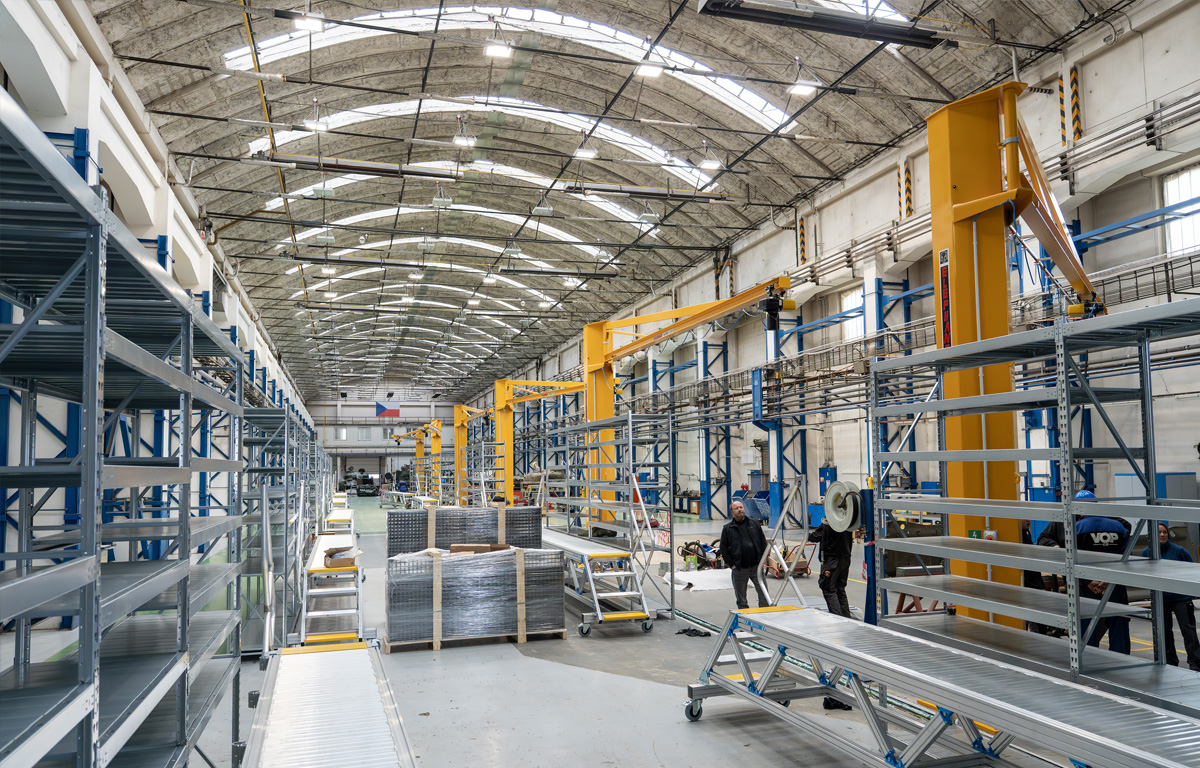
However, modernizing the production facilities is not just a matter of heavy machinery and material-handling equipment. The CV90 is a vehicle of the current digital era, and the workstations had to be adapted accordingly. They are equipped not only with air and electrical connections, but also with data lines. During integration, workers will use digital manuals and procedures on tablets; production records will be kept electronically; and the vehicles will be brought online and diagnosed at each stage using special computers and fixtures.
The integration itself will proceed step by step, starting with the delivered hull and continuing until the vehicle is fully assembled, ready for testing and handover to the military. During the busiest phase of the project—in 2027 and 2028—the estimated turnaround time is approximately three and a half days per workstation. After VOP CZ takes delivery of the open hull from the Swedish partner, the next steps will include installing additional ballistic and mine protection, fitting the running gear, and assembling the distribution systems, hydraulics, pneumatic systems, electrical wiring, engine, and other components.
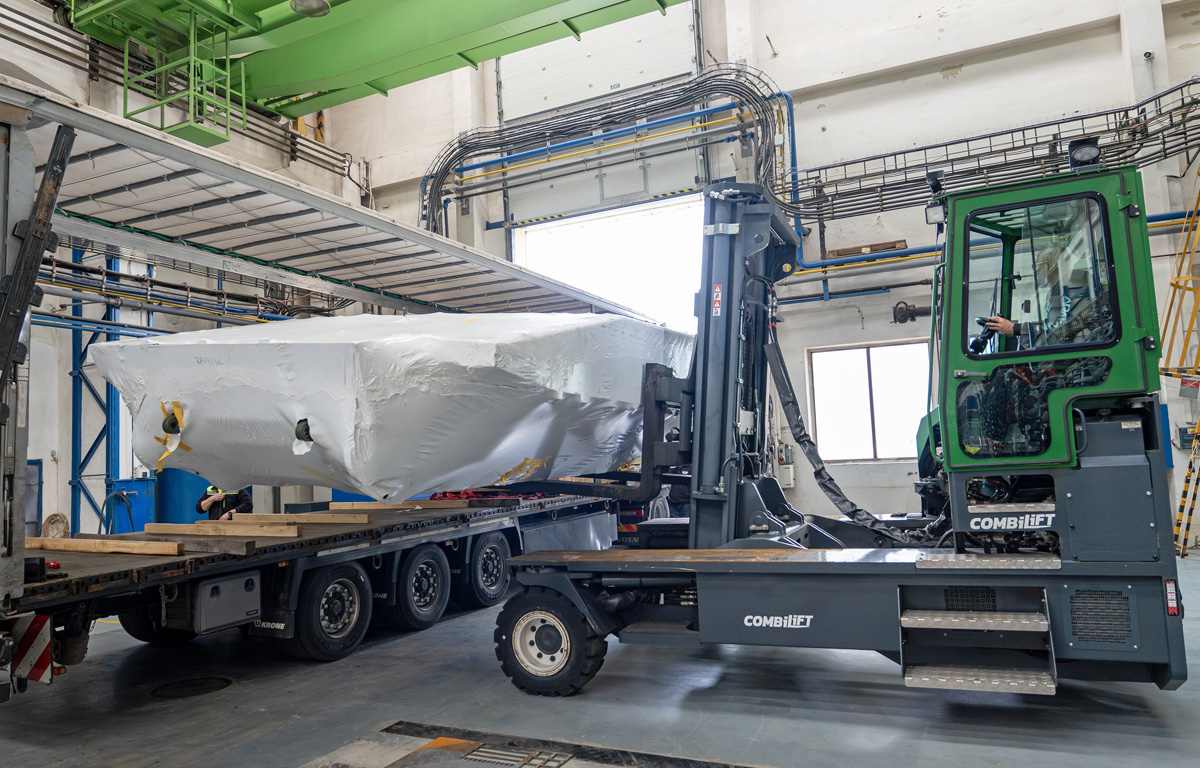
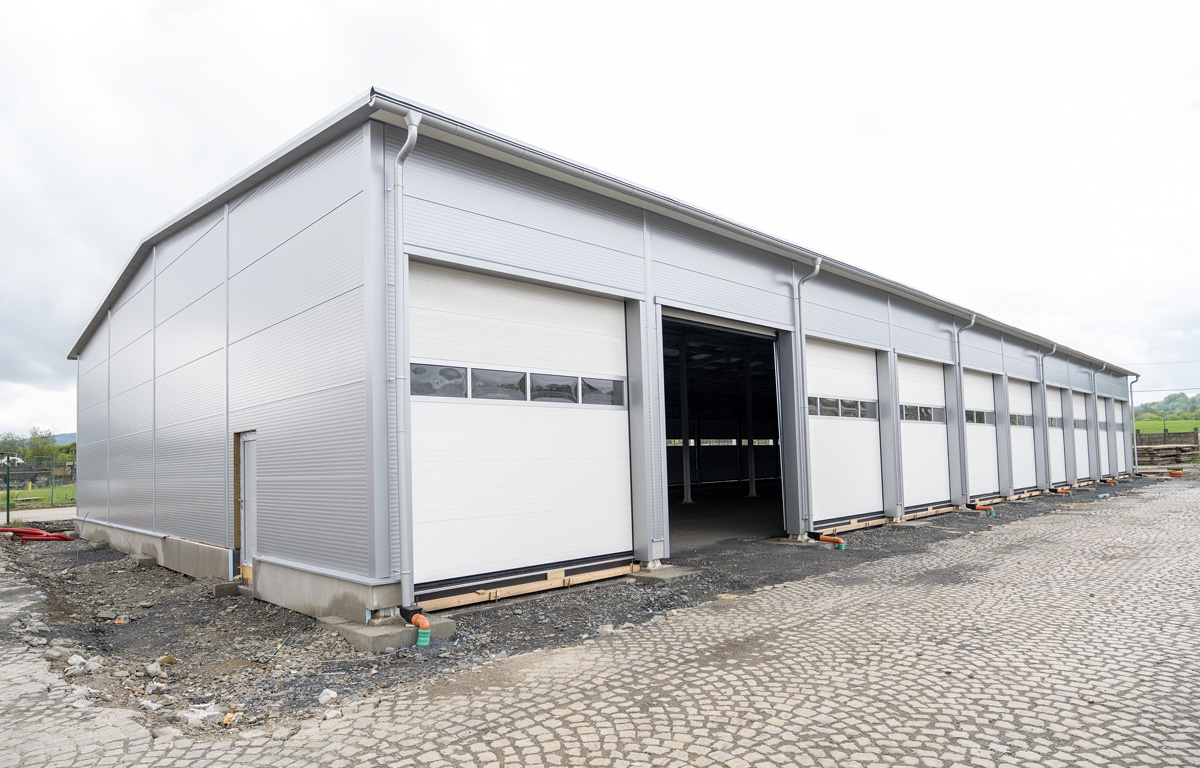
Another important part of the new facility is a hall for storing finished vehicles. It will have a capacity of 20 vehicles and will be used to store vehicles between completion and delivery to the customer. According to Drábek, it is equipped with controlled ventilation with heat recovery, heating, and connections for vehicle preservation. It will primarily serve as a storage area where only limited minor adjustments or quality checks can be performed. The project also includes enhanced security for the entire complex, including new camera systems, a central control console, controlled access, and smart cards.
In addition to the production hall and storage area, VOP CZ has also prepared a testing infrastructure. A key feature is a ford designed to test the watertightness of vehicles. It builds on the original facility, which has been modified and extended. Thanks to a transfer tank, it will be possible to regulate the water level and conduct tests at various submersion depths, ranging from approximately half a meter to one and a half meters. Tests will focus not only on the vehicle’s watertightness but also on the functionality of selected systems at different water levels.
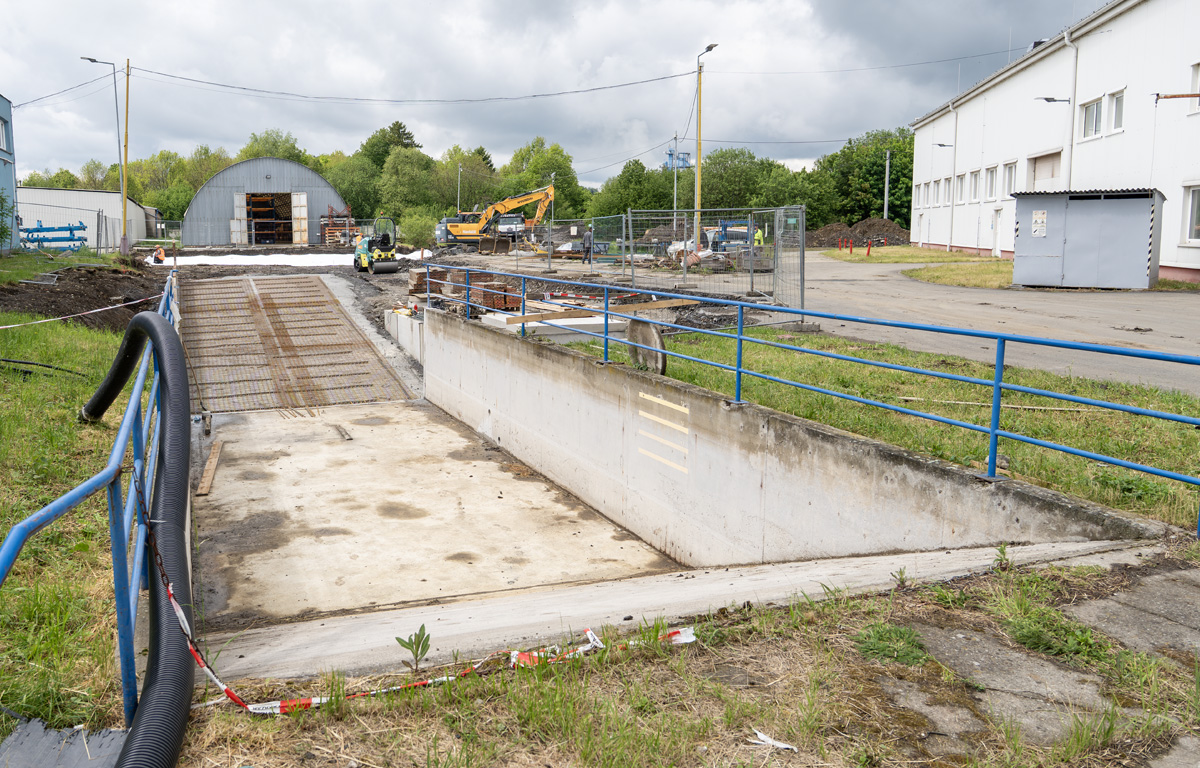
The ford will not be limited to use with the CV90. According to Drábek, it will also be possible to use it for other vehicles, including Leopard tanks, for which VOP CZ has a signed service contract. This highlights the broader significance of the investments associated with the CV90 project: these are not one-time modifications for a single contract, but rather an expansion of the company’s capabilities that can also serve other military programs.
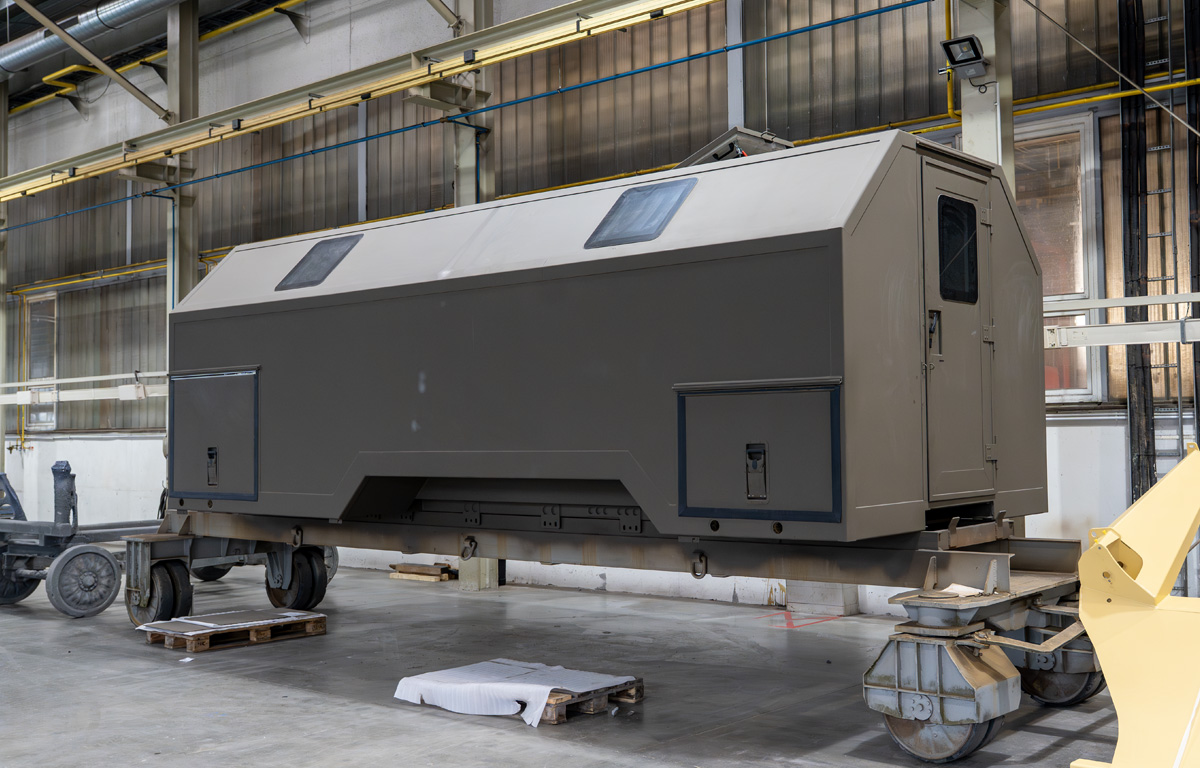
The project also includes the creation of a service infrastructure for vehicle operations in the field. Support for the CV90 will include mobile workshops built on Tatra chassis. VOP CZ plans to offer three variants of these service superstructures—one for turret maintenance, one for chassis maintenance, and a universal platform. Their design was developed at VOP CZ based on requirements from the Czech Army and input from the Swedish partner, particularly regarding the types of fixtures and equipment needed for vehicle maintenance. These mobile workshops are primarily intended for lower-level repairs in field conditions, while higher-level repairs will be carried out in hangars or service centers.
For VOP CZ, the CV90 project is not only a contract but also a significant industrial leap forward. The company is obtaining new certifications, expanding its technological capabilities, and strengthening its position in the European supply chain. In this context, Vlastimil Navrátil notes that VOP CZ’s ambitions do not end with the integration of vehicles for the Czech Army. According to him, the company is simultaneously negotiating with the Swedish side, manufacturing, for example, simulator cabins for BAE Systems as part of another international program, and planning to develop additional capabilities in the future, including welding.
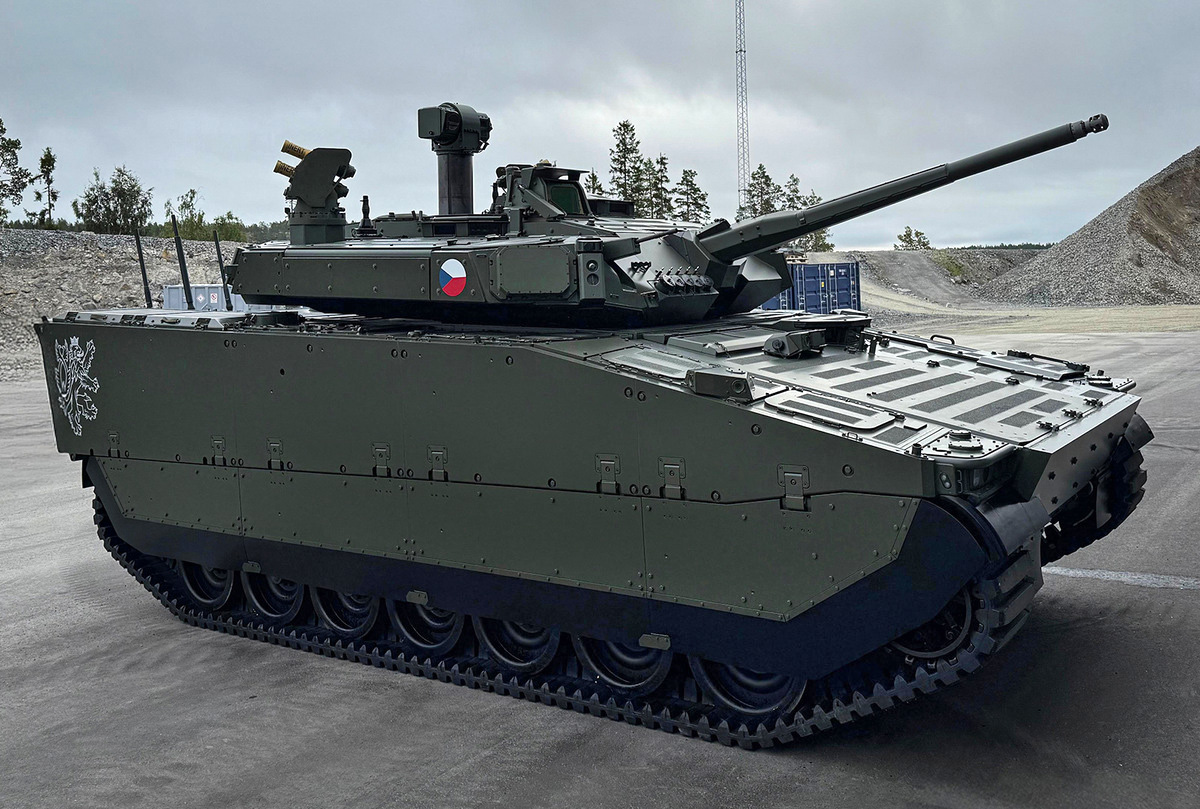
If the set schedule is met, the last vehicle should leave the VOP CZ facility in 2030. For the 7th Mechanized Brigade, this will mark the completion of a long-awaited modernization that the Czech mechanized forces have been awaiting for more than two decades. For VOP CZ, however, the CV90 project may mark the beginning of a new phase in which the state-owned enterprise will position itself not only as a domestic repair and assembly center, but also as an integration, development, and service partner capable of participating in the most significant European defense programs.
Related