













2026 St. Wenceslas Cup: Drones, Tunnels, Grenades, and Elite Units in Boletice
Bigger, more action-packed, and better organized! These words sum up this year’s St. Wenceslas Cup, which, as is tradition, took place at the Boletice military training area. Teams – not only from the Czech Army – competed against one another across three shooting ranges. The St. Wenceslas Cup is, in fact, an inter-agency competition with international participation.
Video: 2026 St. Wenceslas Cup: Drones, Tunnels, Grenades, and Elite Units in Boletice / CZ DEFENCE
As a result, among the competitors were teams from both the Military Police and the Czech Police’s special response units. Among the foreign teams, names such as the Slovak LYNX, the Estonian K-Komando, the French Air Force Special Unit, and the Kenyan Special Purpose Unit stood out. For a quick summary of this year’s competition, we spoke with the event director, Senior Warrant Officer Michal Baka of the Land Forces.
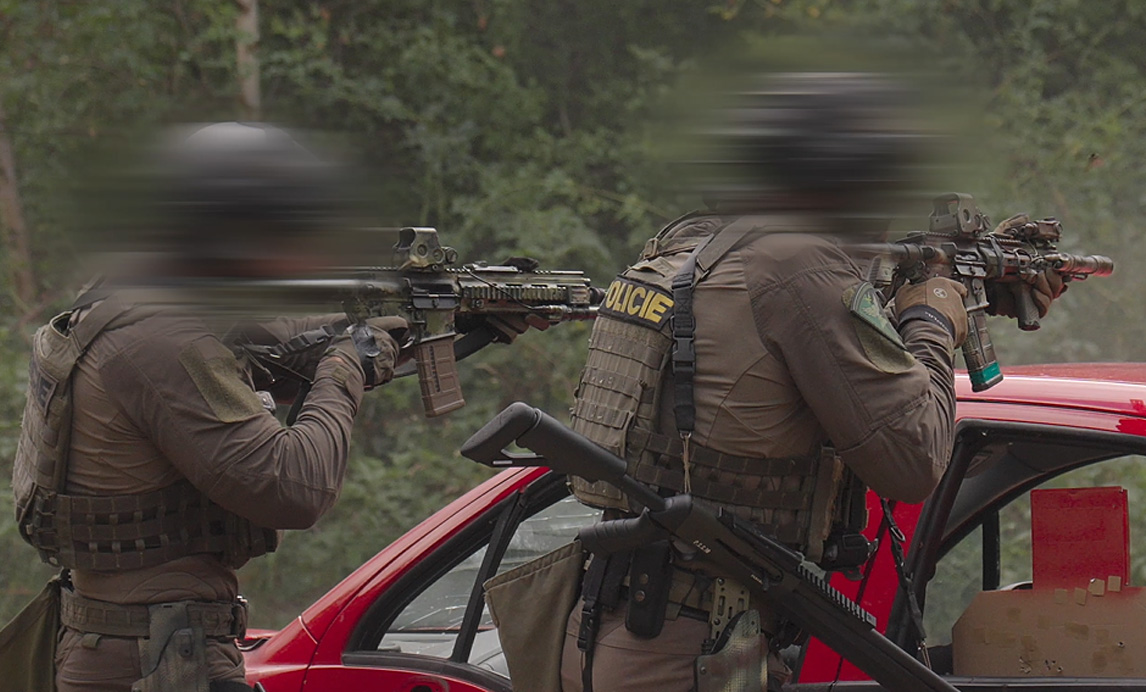
Since the St. Wenceslas Cup is primarily a demonstration of training focused on blind spots, the organizing team focused on modern battlefields to highlight skills that are often overlooked. For example, competitors threw over 3,000 grenades, fought in tunnels, rappelled from a makeshift helicopter, fired at moving drones, and much more. During the awards ceremony, we had the opportunity to speak with one of the French teams and ask them for their thoughts on the competition.
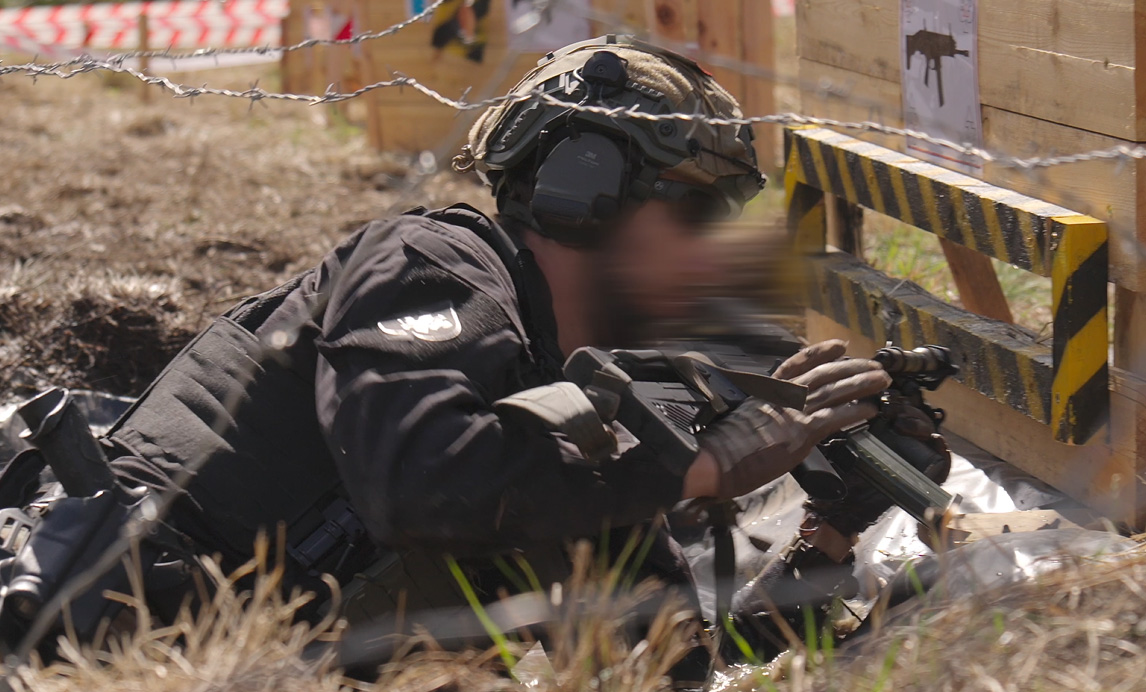
So how can we best describe this year’s event – the twelfth edition of the largest tactical shooting competition? Simply put: Excellent organization, a focus on advancing training, an unforgettable experience, plenty of new insights, and above all – broad engagement with the European military community, where cohesion is what our times demand.
This year’s St. Wenceslas Cup in the main Infantry NVG category was won by paratroopers from the 43rd Airborne Regiment, who took first place.
St. Wenceslas Cup: When Being a Good Shooter Isn’t Enough
The St. Wenceslas Cup is an interagency tactical shooting competition that tests two-person teams in accuracy, speed, physical endurance, communication, and the ability to make decisions under pressure. Day and night scenarios reveal whether competitors can maintain safe and accurate performance despite fatigue, lack of sleep, and unexpected changes in conditions.
The competition was established in 2014 as a demanding form of training. What began as a one-day competition has gradually evolved into a multi-day event involving units from the Czech Army, the Military Police, the Czech Police, other security forces, and foreign partners. Success depends on more than just accurate shooting. Safety, speed, physical fitness, the ability to assess unknown situations, and – above all – cooperation within the two-person team are decisive factors.