






Day Three of Future Forces 2026 Focuses on Robotics, Industrial Cooperation, and Advanced Technologies
The Future Forces 2026 international trade fair in Letňany, Prague, concluded its three-day professional program. The final day focused primarily on the robotization of the modern battlefield, autonomous systems, cybersecurity, and opportunities for international industrial cooperation. The CZ DEFENCE studio also continued its series of interesting interviews with representatives of domestic and foreign technology companies. This year’s event, featuring more than 530 exhibitors and a number of foreign delegations, confirmed the growing importance of this event for the Czech and European defense and security communities.
Video: Day Three of Future Forces 2026 Focuses on Robotics, Industrial Cooperation, and Advanced Technologies / CZ DEFENCE
Friday’s program at the 16th annual Future Forces event built on the previous two days, during which modern military and security technologies, new weapons systems, and solutions developed in response to lessons learned from current armed conflicts were showcased at the PVA EXPO PRAHA exhibition center. The final day of the FFF’s professional program focused primarily on expert discussions and the practical application of innovations that are increasingly shaping the modern battlefield.
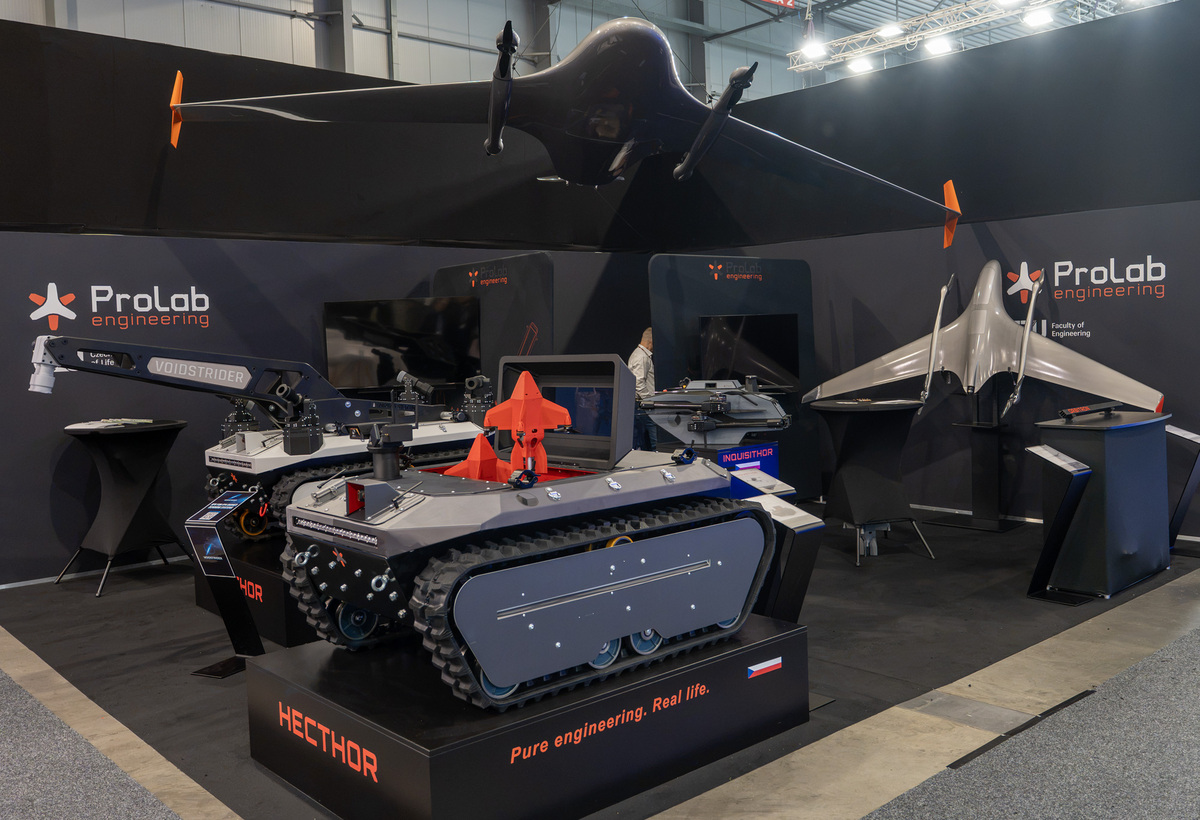
One of the main topics was the development of robotic and autonomous systems. The expert panel on “Robotic Warfare” focused on the design, armament, deployment, and defense against unmanned systems, as well as on development trends and cooperation with civilian universities.
At the same time, the MESAS 2026 international conference, focused on the modeling and simulation of autonomous systems, continued. Protection against chemical, biological, radiological, and nuclear threats, cybersecurity, and NATO working group meetings also featured prominently on the agenda.
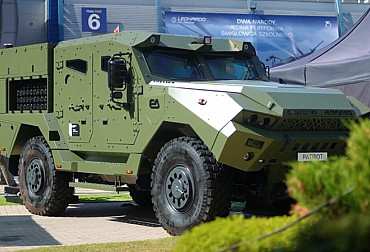
From the perspective of the Czech defense industry, the Patria CZ Industry Day was also significant, focusing on opportunities for domestic companies to participate in the Patria AMV XP 8×8 wheeled armored vehicle project. The Finnish company, in cooperation with the Czech STV GROUP, presented a concept for localizing production, system integration, and long-term operational support for these vehicles in the Czech Republic.
The third day of the CZ DEFENCE event featured primarily interviews focused on the future of industrial cooperation, innovative technologies, and opportunities for Czech companies to participate in international projects.
One of the guests was Jiří Kašpárek, director of the state-owned Military Technical Institute (VTÚ). VTÚ serves as a major research and development hub for the Czech defense industry and participates in modernization projects for the Czech Army.
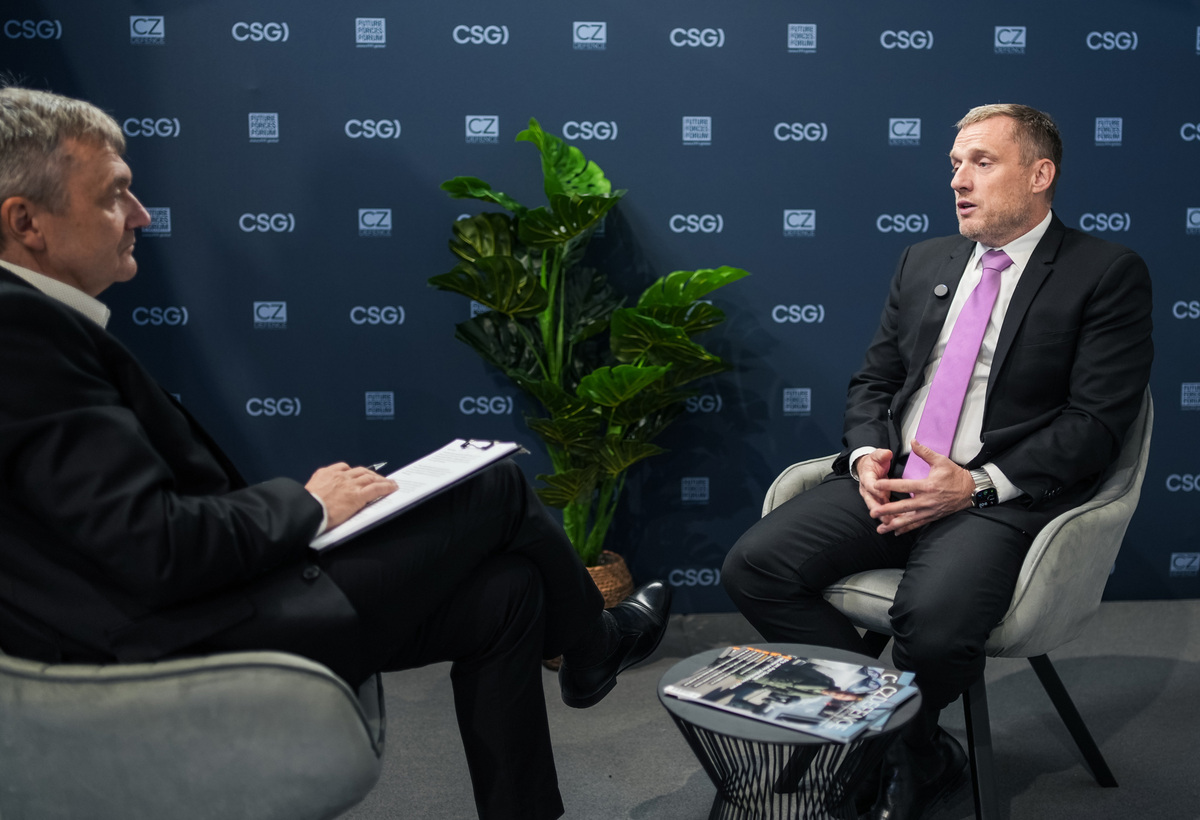
Among other topics, the interview focused on the state-owned enterprise’s position in the domestic defense industry and opportunities for further cooperation with both Czech and foreign manufacturers. Pavel Břeský, sales director at KABEL TRADE PRAHA, discussed the potential applications of modern communication technologies in the defense sector. The company specializes in telecommunications infrastructure, ruggedized communication systems, data networks, and technologies that ensure reliable information transmission and power supply for critical systems.
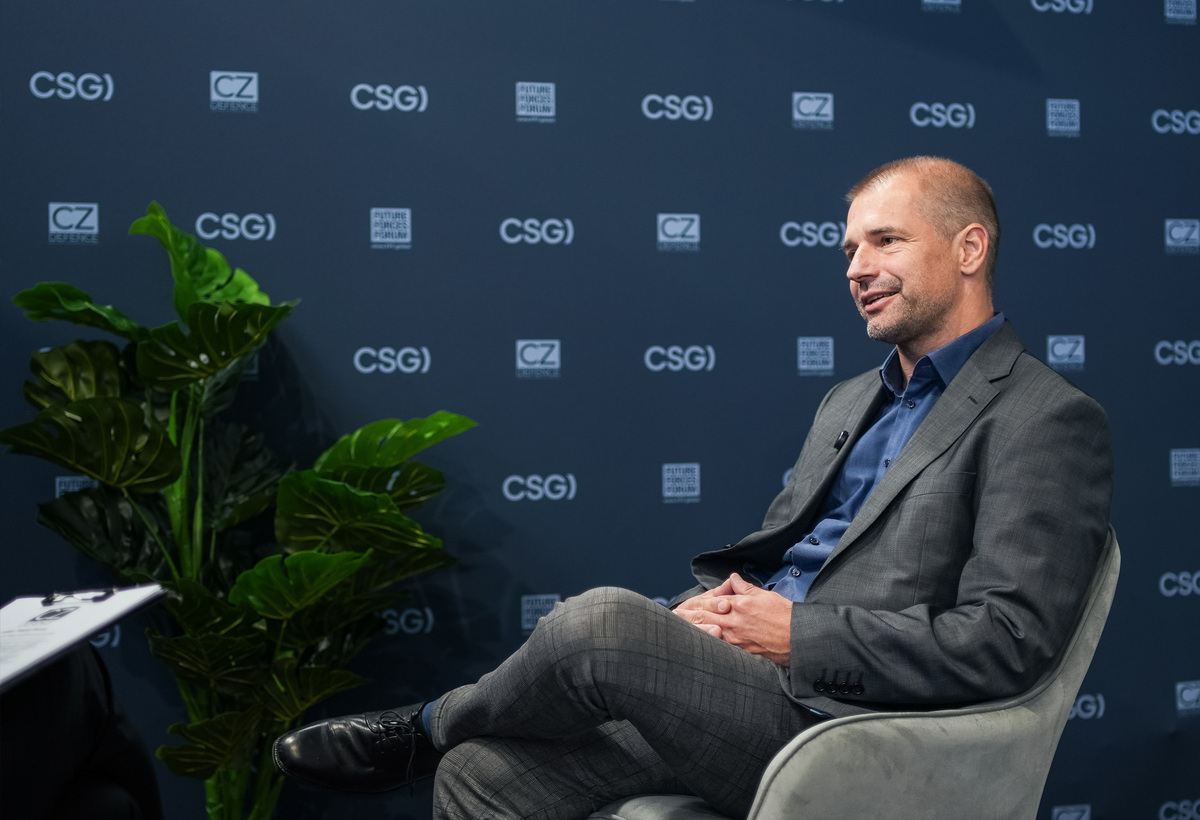
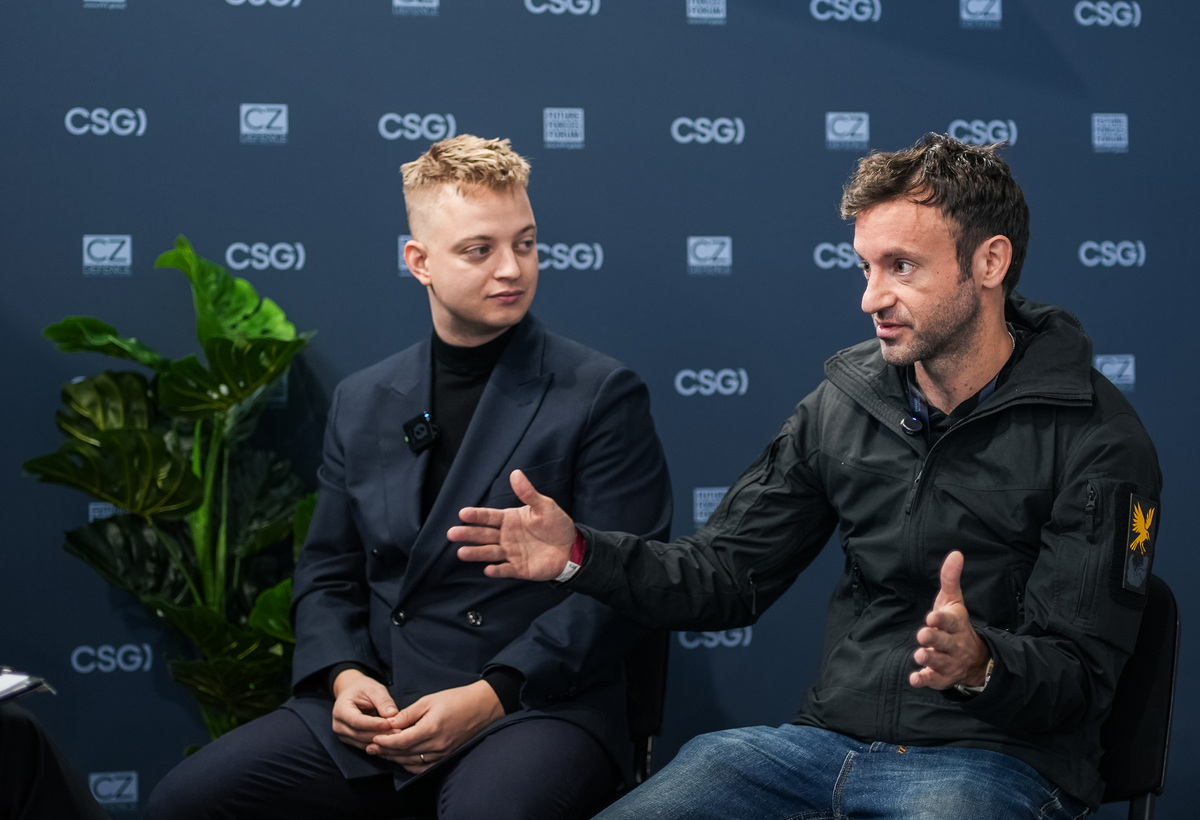
A significant portion of the discussions focused on unmanned vehicles, their autonomous control, and defenses against them. Matej Luhový, a partner at the Tech Horizons investment fund, and Gui Wainwright, co-founder and CEO of the British-Ukrainian company Occam Industries, participated in a joint interview. The Tech Horizons fund, affiliated with the industrial-technology group CSG, invests in promising defense and security technologies. Occam Industries develops software that enables the autonomous control of drones from various manufacturers without the need for major design changes. The company’s technology is also being developed based on experience gained on the Ukrainian battlefield.
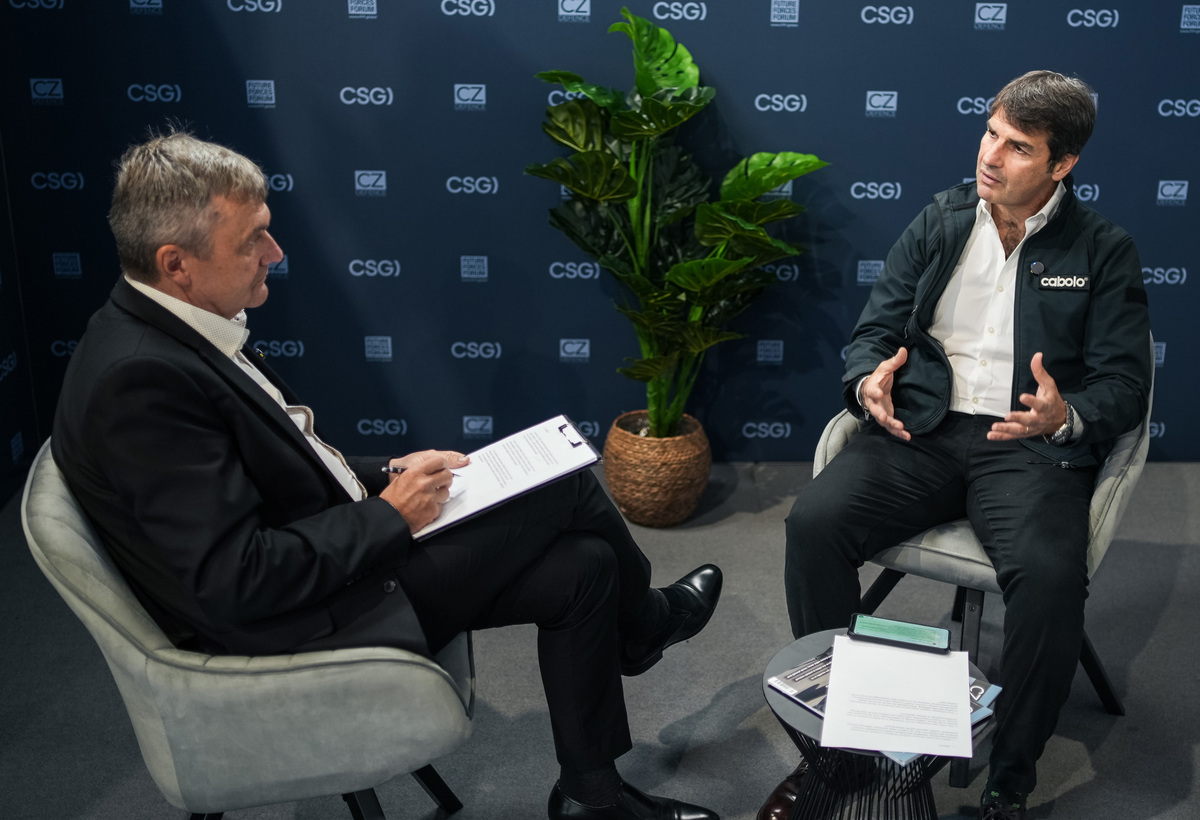
Enrico Giannotti, CEO of CABOLO – a company that develops solutions for automatic transcription, translation, and speech processing – offered another perspective on the use of artificial intelligence. A key feature of the company’s technologies is the ability to securely process sensitive information without requiring a connection to the cloud, which opens up opportunities for their use in government and security agencies.
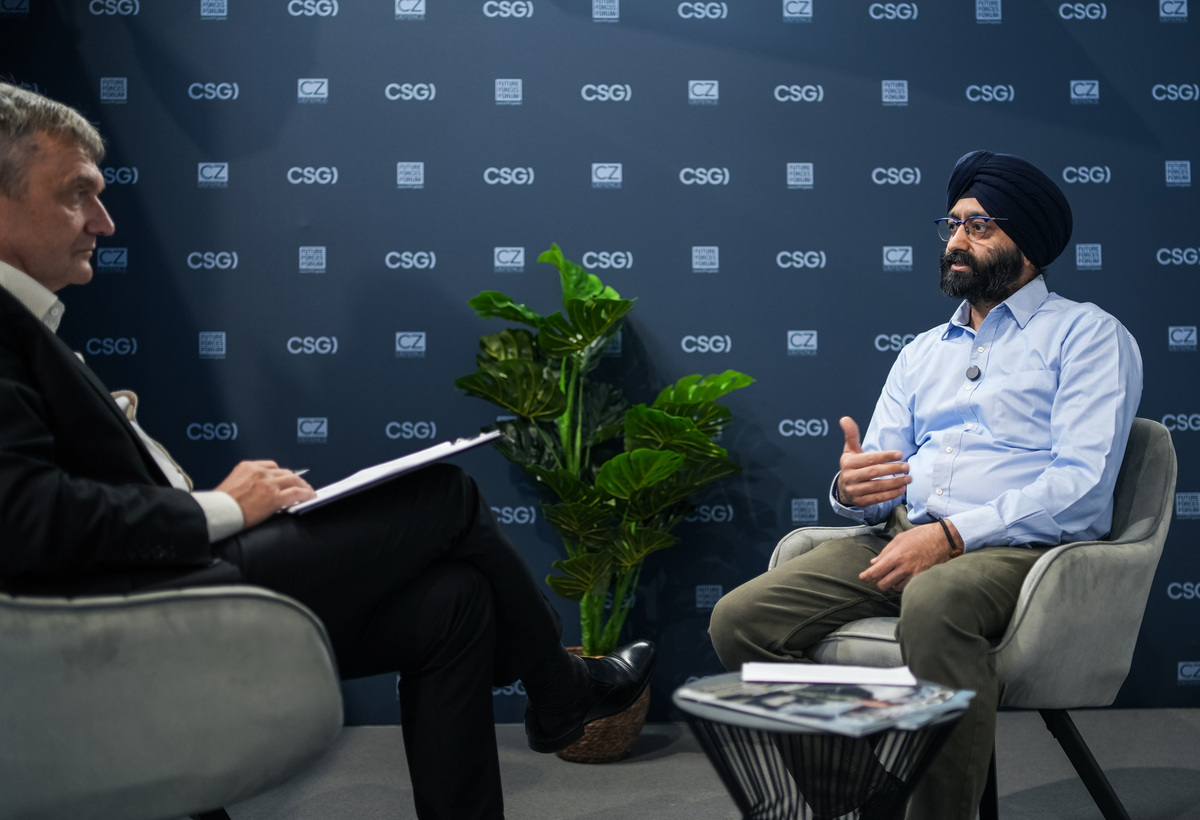
Navin Singh, founder and CEO of the British company DronBrix, also presented measures for protection against unmanned aerial vehicles. The company focuses on developing anti-drone systems that combine detection, tracking, and drone neutralization capabilities. Its solutions are designed for both military use and the protection of critical infrastructure and strategically important sites.
Pavel Konečný, founder and CEO of Neuron Soundware, discussed drone detection using artificial intelligence. The company uses acoustic analysis – originally developed for diagnosing industrial equipment – to recognize the acoustic signatures of unmanned aerial vehicles. Its Sound Shield system offers another option for supplementing current airspace defense measures.
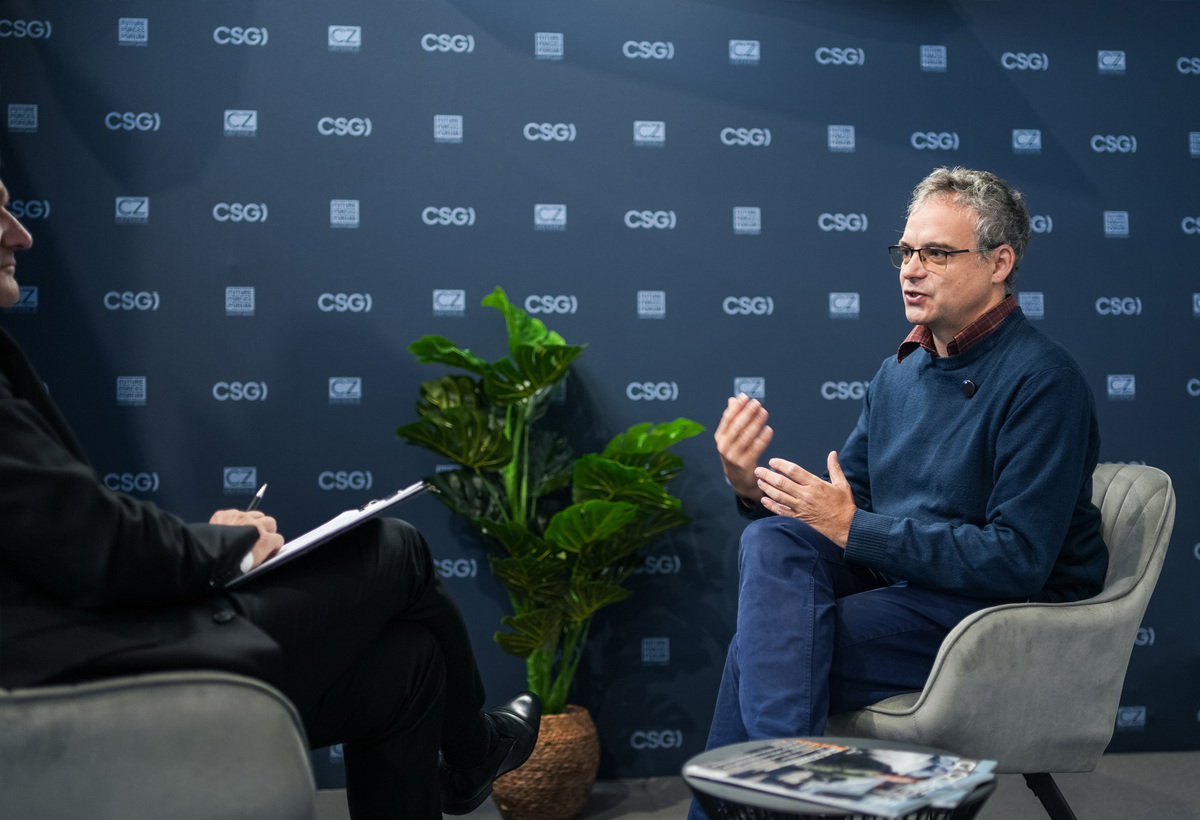
Companies focused on more traditional segments of the defense industry were also given a platform. Adam Ostrý, foreign trade manager at AGADOS, presented the potential applications of specialized trailers and mobile logistics solutions in military settings. AGADOS is one of the leading Czech manufacturers of trailer equipment and also applies its manufacturing expertise to the development of specialized equipment for the armed forces.
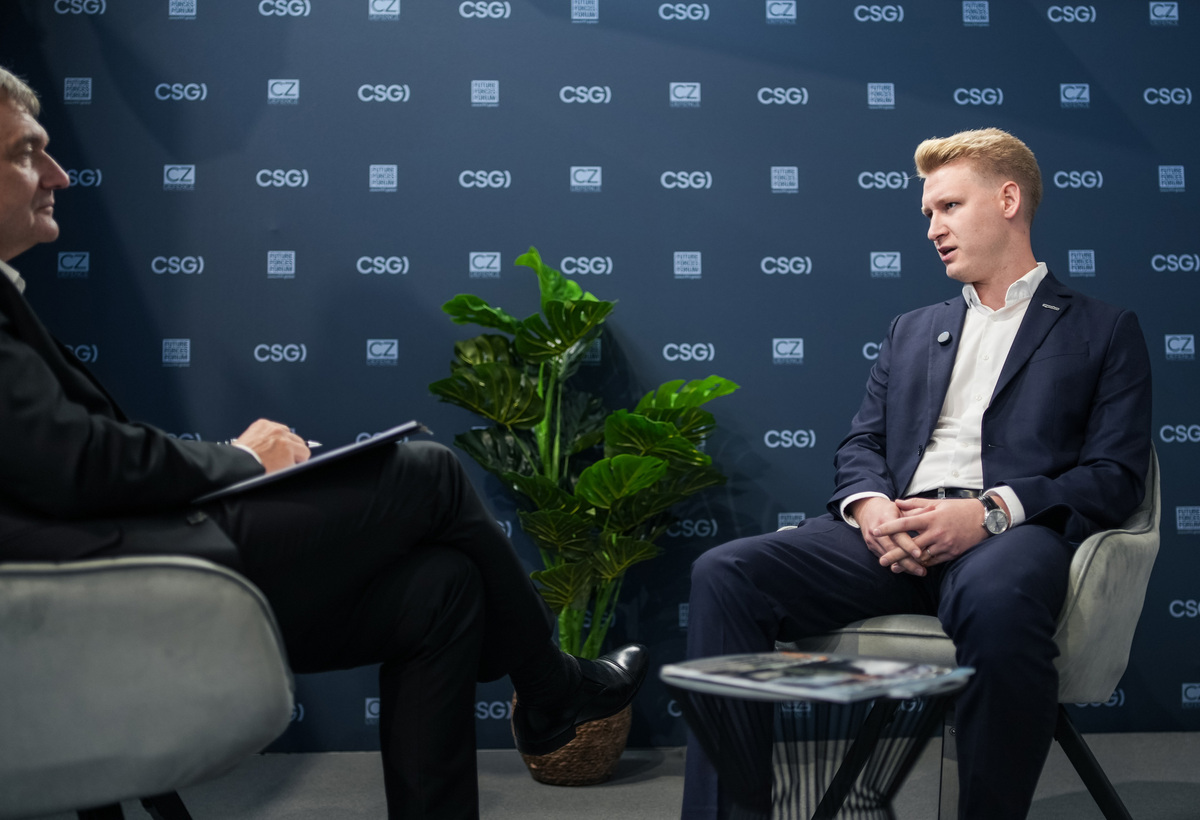
Alex Hooper, vice president of international business development at Galvion, represented the company at the studio. Galvion specializes in ballistic protection for soldiers – particularly modern helmet systems – as well as power and data management technologies for individuals on the digitized battlefield. Its portfolio demonstrates how a soldier’s personal gear is gradually evolving into an integrated system of protection, communication, and electronic equipment.
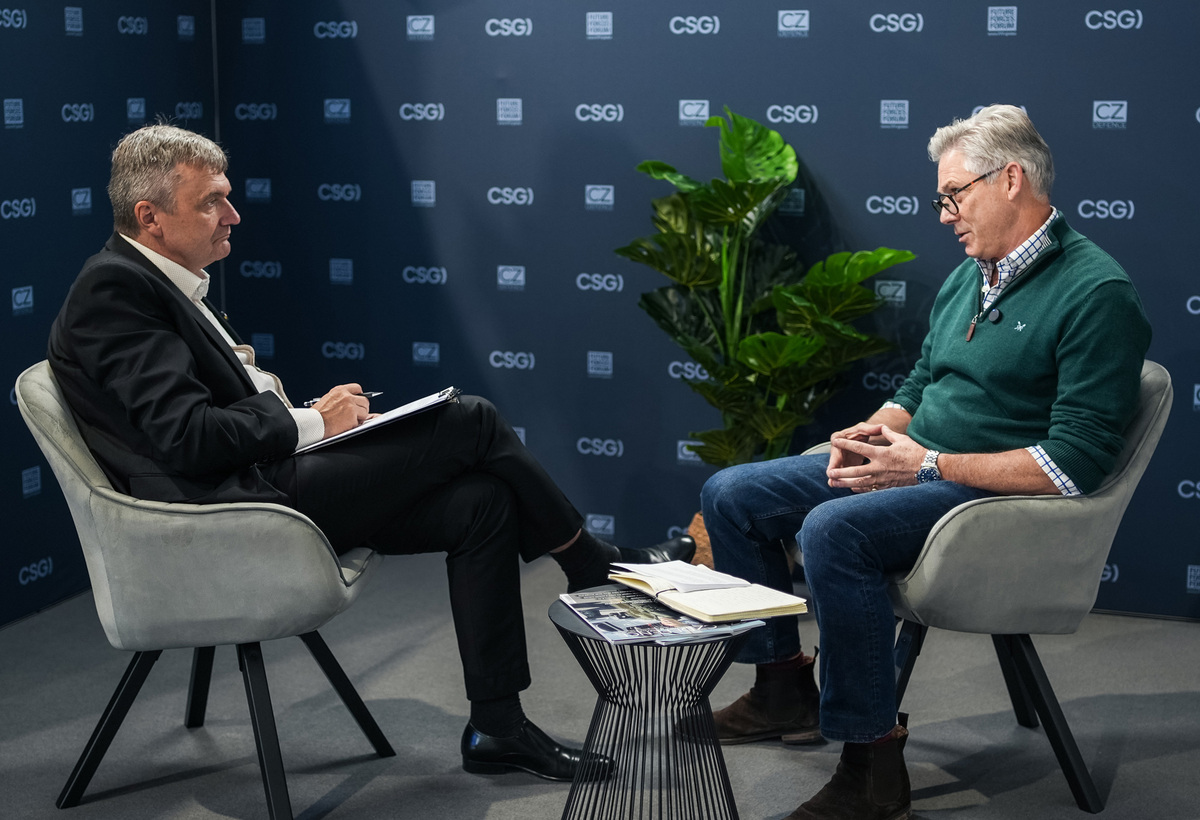
This year’s Future Forces event reaffirmed its position as a major international platform connecting the military, the government, academia, and the defense industry. More than 530 exhibitors, over 45 expert panels, conferences, and discussions, broad participation by industry professionals, and a large number of foreign delegations attest to the scope and success of the 16th edition. Its main benefit, however, remains the opportunity for users of military technologies to meet directly with their manufacturers and developers and to create opportunities for further industrial cooperation.
The future of this cooperation was also the topic of the closing interview in the CZ DEFENCE studio with Matěj Benda, the Commissioner for the Defense Industry and Director of the Department of Defense-Industrial Cooperation at the Ministry of Industry and Trade of the Czech Republic.
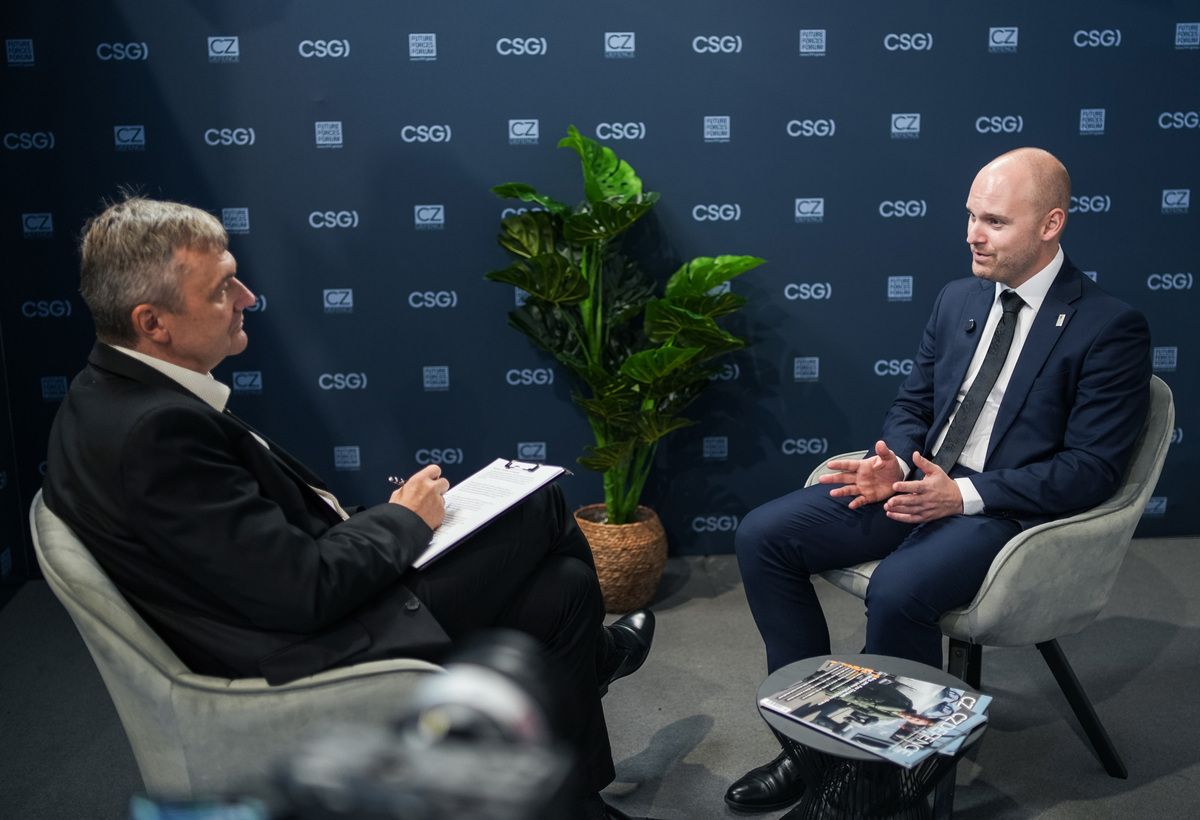
The transfer of responsibility for defense-industry cooperation from the Ministry of Defense to the Ministry of Industry and Trade represents a significant shift in the government’s approach to the domestic defense industry. The new department is intended to strengthen export opportunities for Czech companies, support their integration into foreign supply chains, and create conditions for the further development of technological and manufacturing capabilities. The ability to transform growing defense spending into long-term opportunities for Czech industry will be one of the key issues in the coming years.
Related