













Top Executives, Czech Armed Forces and Government Representatives Discuss Cooperation Between Civilian and Defense Industries at DEFENCEO Conference
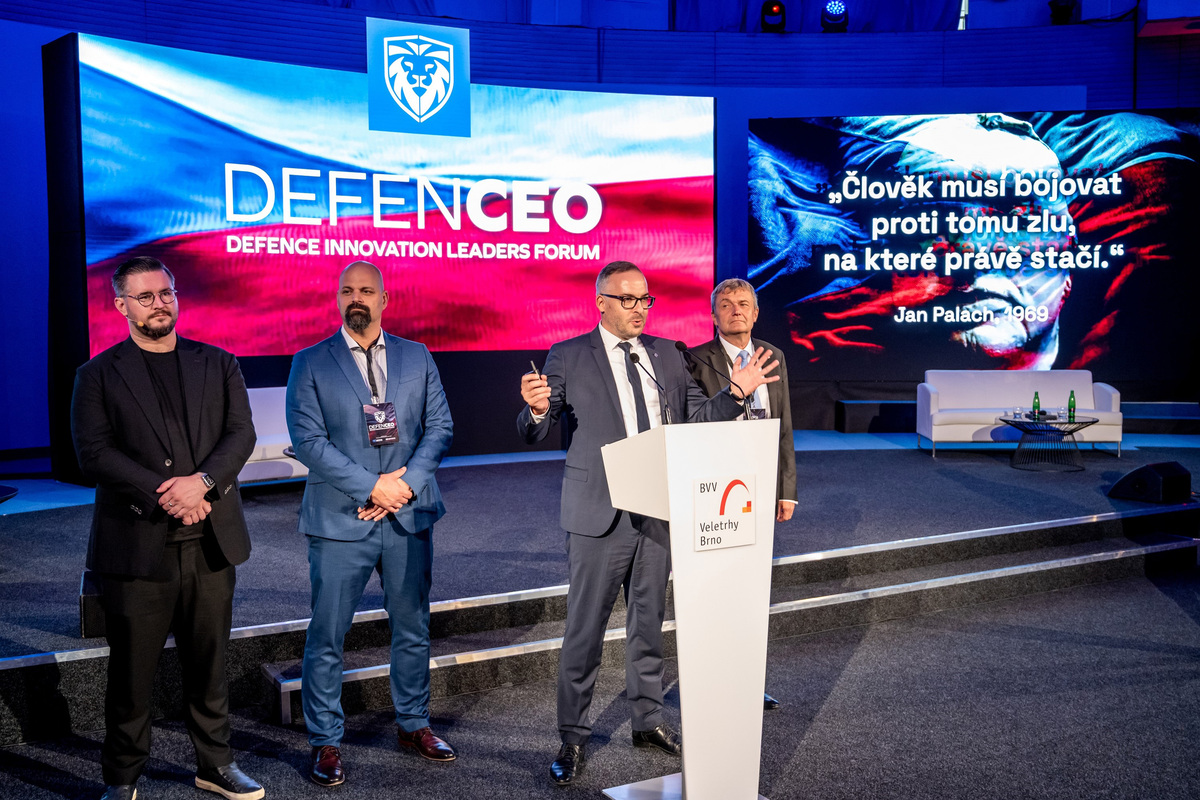
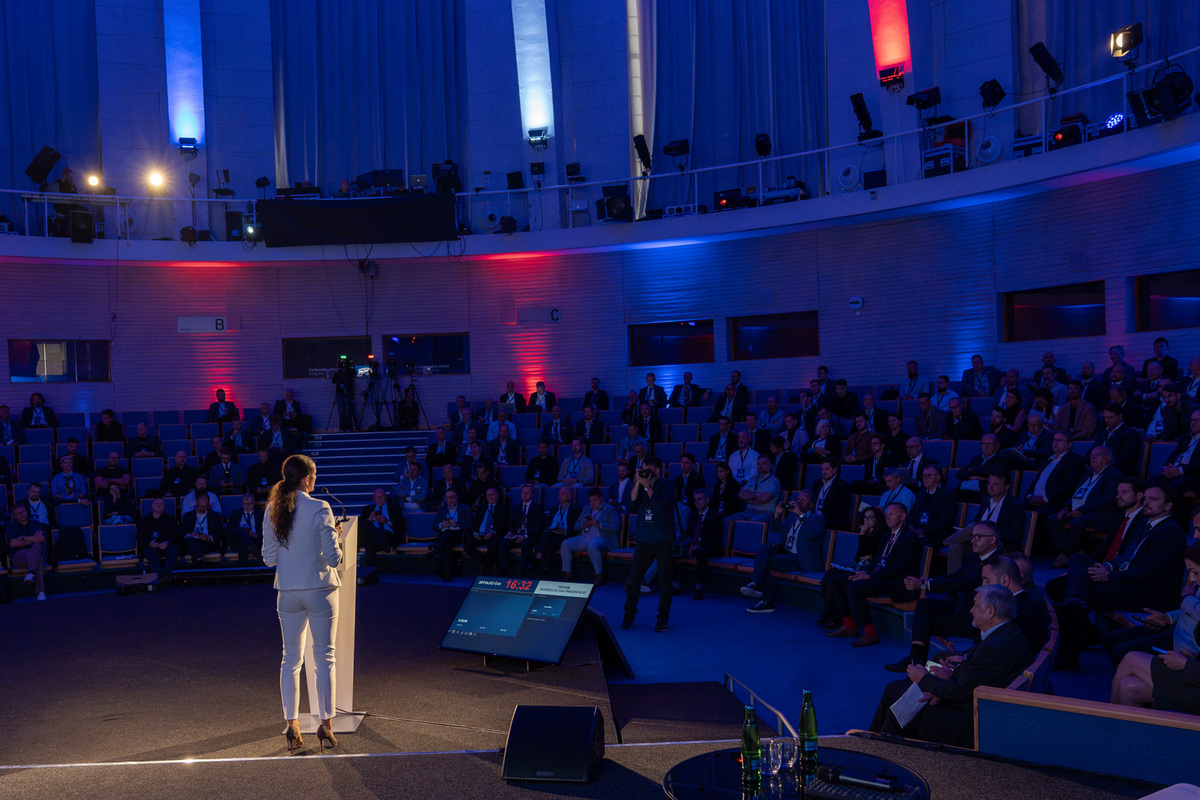
On Wednesday, October 7, 2026, the DEFENCEO 2026 Management Summit took place in Brno, facilitating a high-level, practical discussion on specific opportunities for Czech industry arising from the objective need to invest in security, critical infrastructure, and defense spending in accordance with NATO requirements.

The conference took place in the Rotunda Hall in Pavilion A of the Brno Exhibition Center under the patronage of the Minister of Industry and Trade of the Czech Republic, the Minister of Defense of the Czech Republic, the Chief of the General Staff of the Czech Armed Forces, the President of the Czech Defense and Security Industry Association, the President of the Czech Chamber of Commerce, and the Director of the Engineering Technology Association.
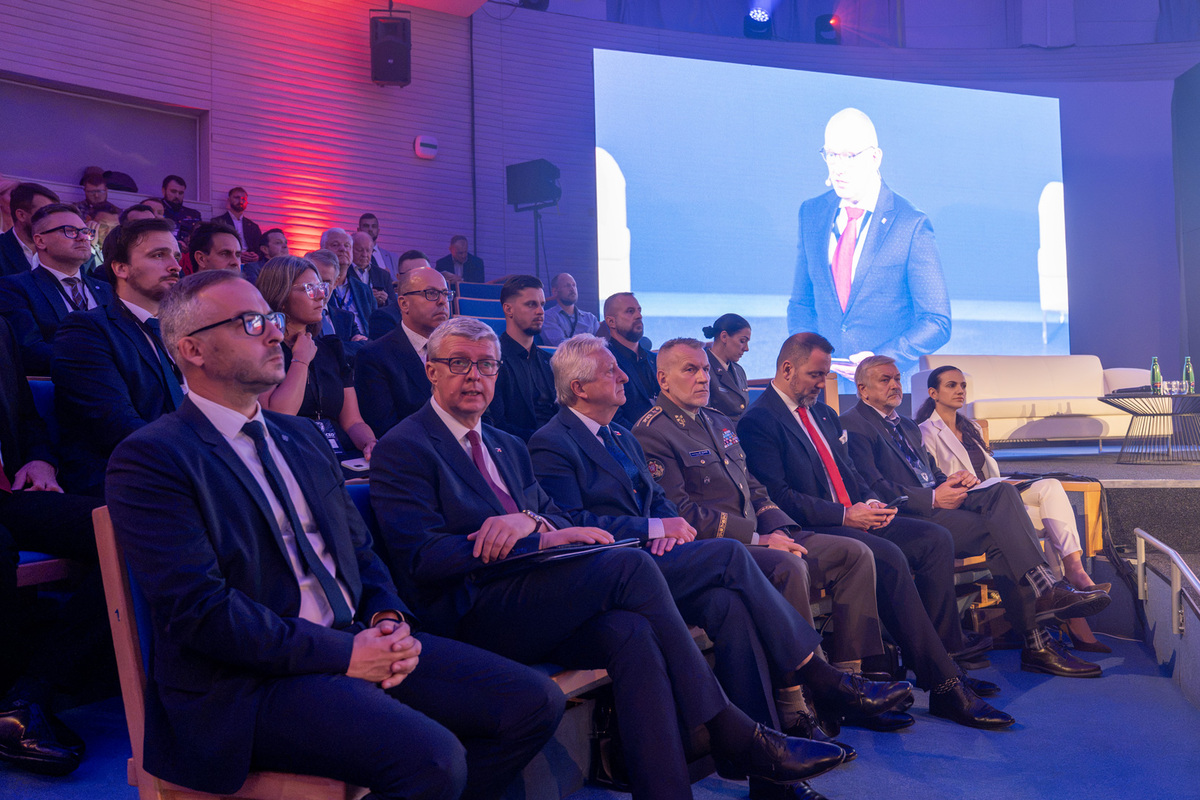
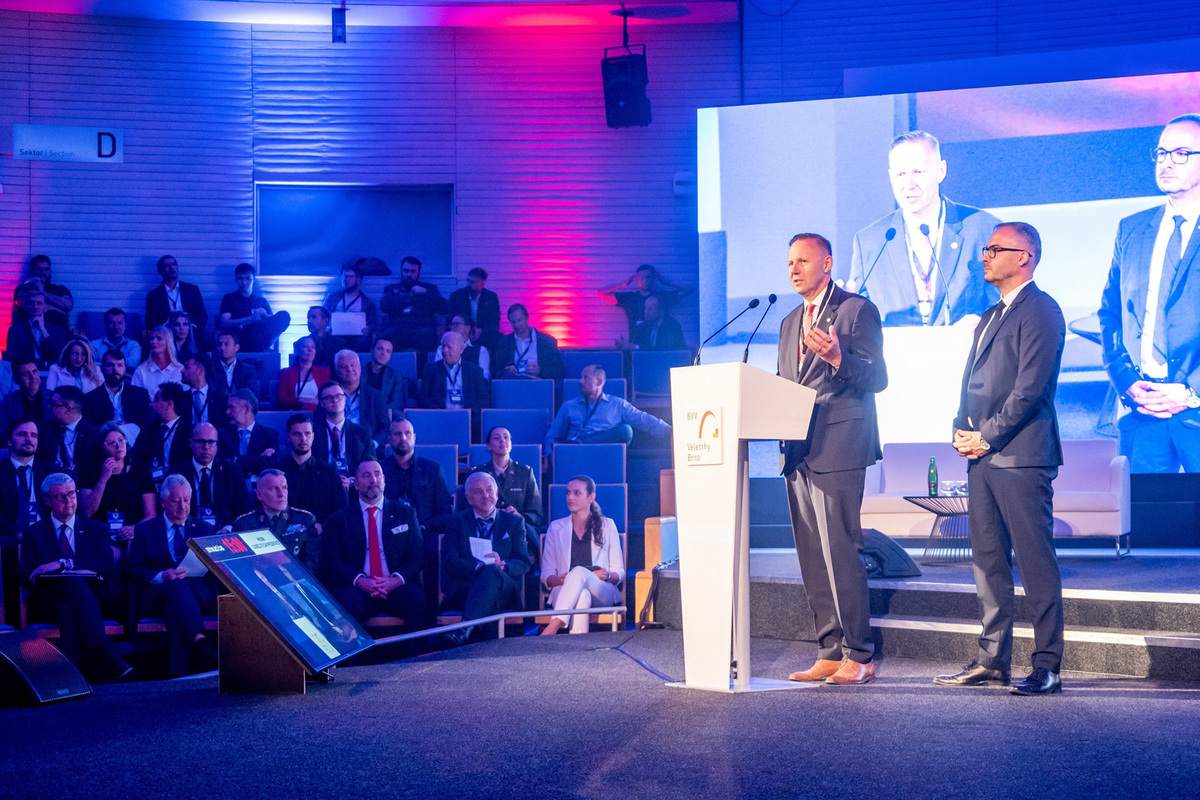
Jan Homola, founder of the DEFENCEO initiative, officially opened the event; his company, Defence Consulting, organized the conference in cooperation with the trade magazine CZ DEFENCE. In his speech, he noted that the goal of events organized under the DEFENCEO banner is to bridge the gap between the defense and civilian sectors, as, according to Homola, this issue has not yet been satisfactorily addressed at the systemic level. Last but not least, he noted that linking the civilian and defense sectors is key to ensuring resilience and security. At the same time, however, it can also serve as a stimulus for the domestic economy.
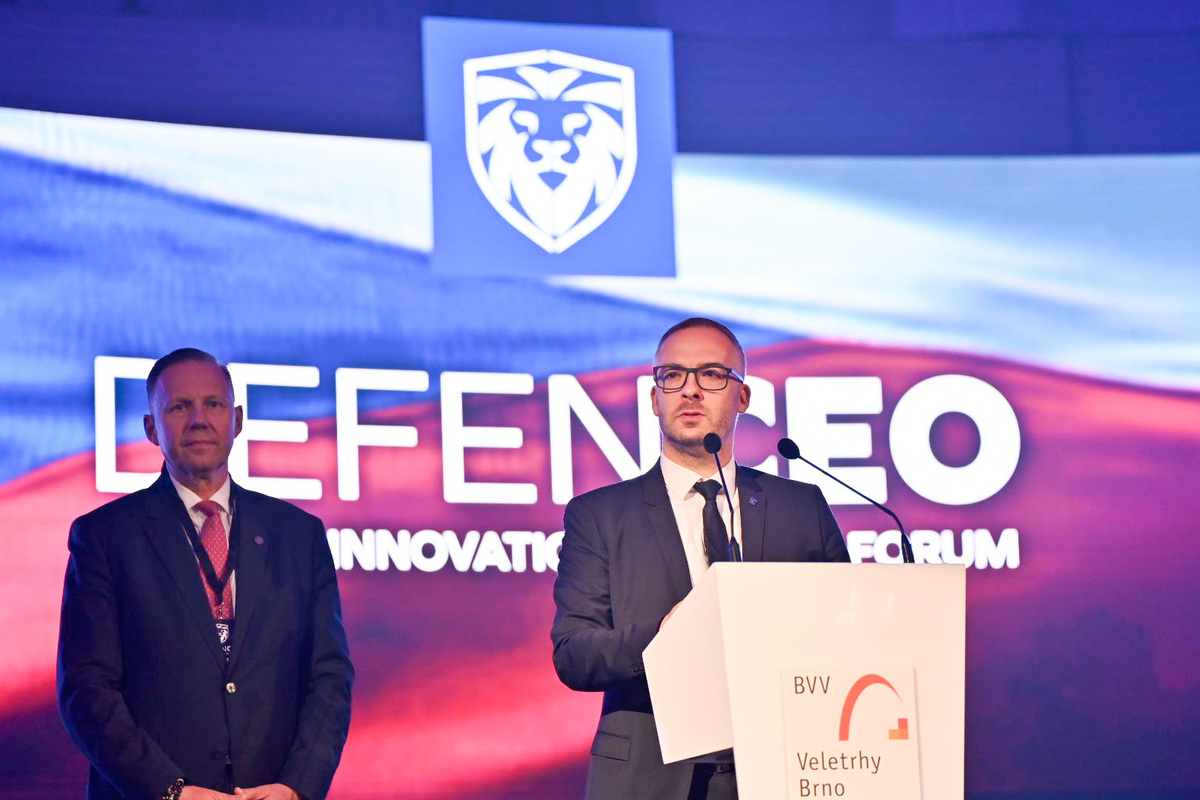
It’s also worth noting that the conference took place at the Brno Exhibition Center as part of the ongoing International Engineering Fair. It’s no coincidence, then, that Jan Kubata, CEO of Veletrhy Brno, also spoke during the official opening ceremony. According to him, it’s clear that the engineering sector is increasingly focused on the defense industry. “We need to bring together all the key elements to ensure the security and prosperity of the younger generation,” Kubata commented.
The conference was then opened with a speech by First Deputy Prime Minister and Minister of Industry and Trade Karel Havlíček, who stated that maintaining the productivity of the primary sector as a whole is a necessary condition for increased investment in defense. In this regard, he said it is essential to halt the exodus of European companies from Europe and to change the EU’s approach to climate protection. At the same time, he warned against the influx of cheap goods from Asia into Europe, which undermines European competitiveness. The minister also called for the creation of a comprehensive industrial and supply chain ecosystem within the defense sector, involving dozens of domestic companies from various industrial sectors.
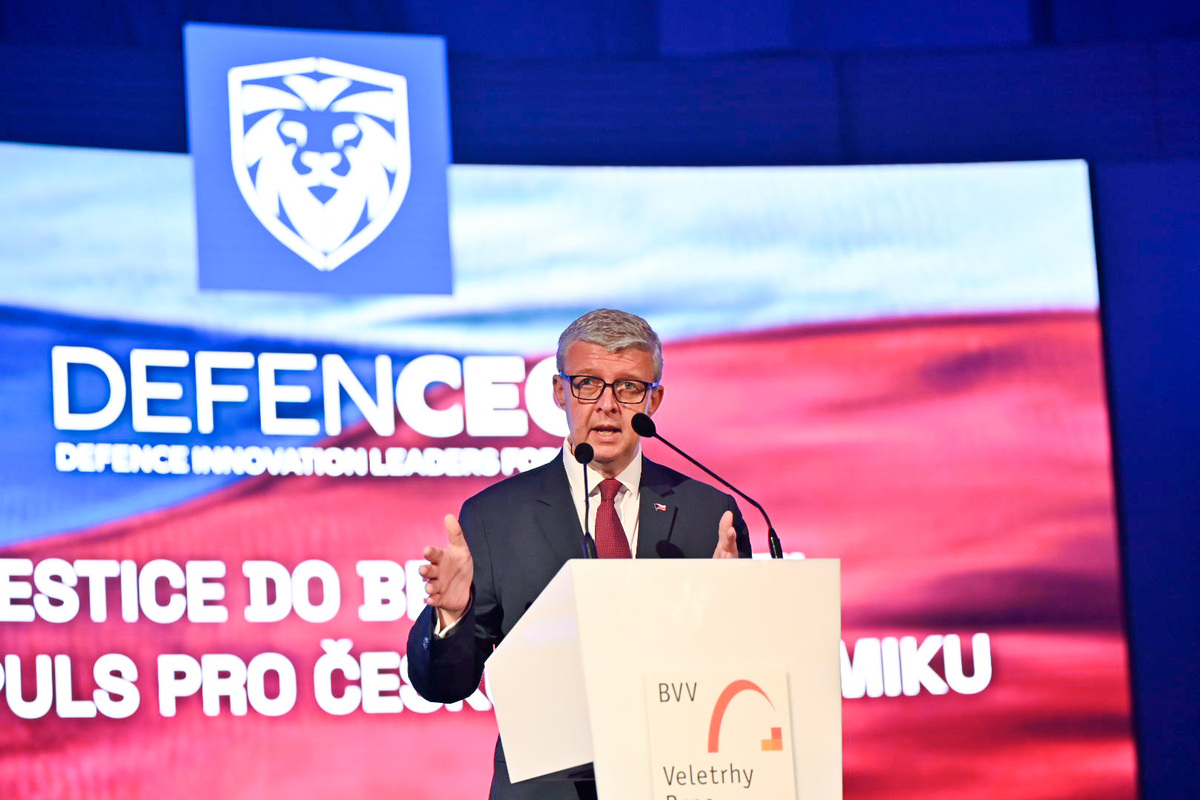
He pointed out, however, that the industrial sector does not generate enough revenue for the state to finance defense to the extent required by the current security situation. According to Havlíček, it is therefore necessary to acknowledge that, without incurring debt, the state will not be able to cover increased defense spending. “Let’s do everything we can to ensure that defense companies remain in the Czech Republic, expand their capacity, employ citizens, and thereby contribute to GDP growth,” Havlíček summarized, emphasizing that maintaining economic growth is essential to keeping defense companies in the country. And, in his view, this goal cannot be achieved simply by “cutting spending.”
Deputy Prime Minister and Minister of Defense Jaromír Zůna followed up on this. “Let’s work methodically and at a steady pace,” Zůna announced right at the start of his remarks. According to him, the worst thing is to stand still – as was the case, for example, with the defense sector in the period following the 2008 economic crisis. Today, however, the defense sector is growing. In such a situation, the defense minister said, it is crucial to focus primarily on technological development, as well as on the issue of human resources.
In this context, Zůna noted that the Ministry of Defense is working intensively to establish and deepen cooperation with universities, with which it has signed more than two dozen memoranda to date. The ministry has also signed more than 40 memorandums with secondary schools. Zůna explained that the ministry provides scholarships to high school students who have decided to pursue technical fields of study. This practice is intended to motivate students to choose a technically oriented education and, in the long term, to secure the necessary human resources for the desired technological development in the defense sector.
Subsequently, Kristýna Helm, vice president of the Association of the Defense and Security Industry of the Czech Republic, assessed the situation in the defense sector in her presentation, which she said is best described by the phrase “from 0 to 100.” This reflects the explosive growth in interest in the defense industry in recent years. This high level of interest brings with it many opportunities, which, paradoxically, can contribute to a certain paralysis among companies from civilian sectors interested in entering the defense market, as they find it difficult to navigate the current situation.

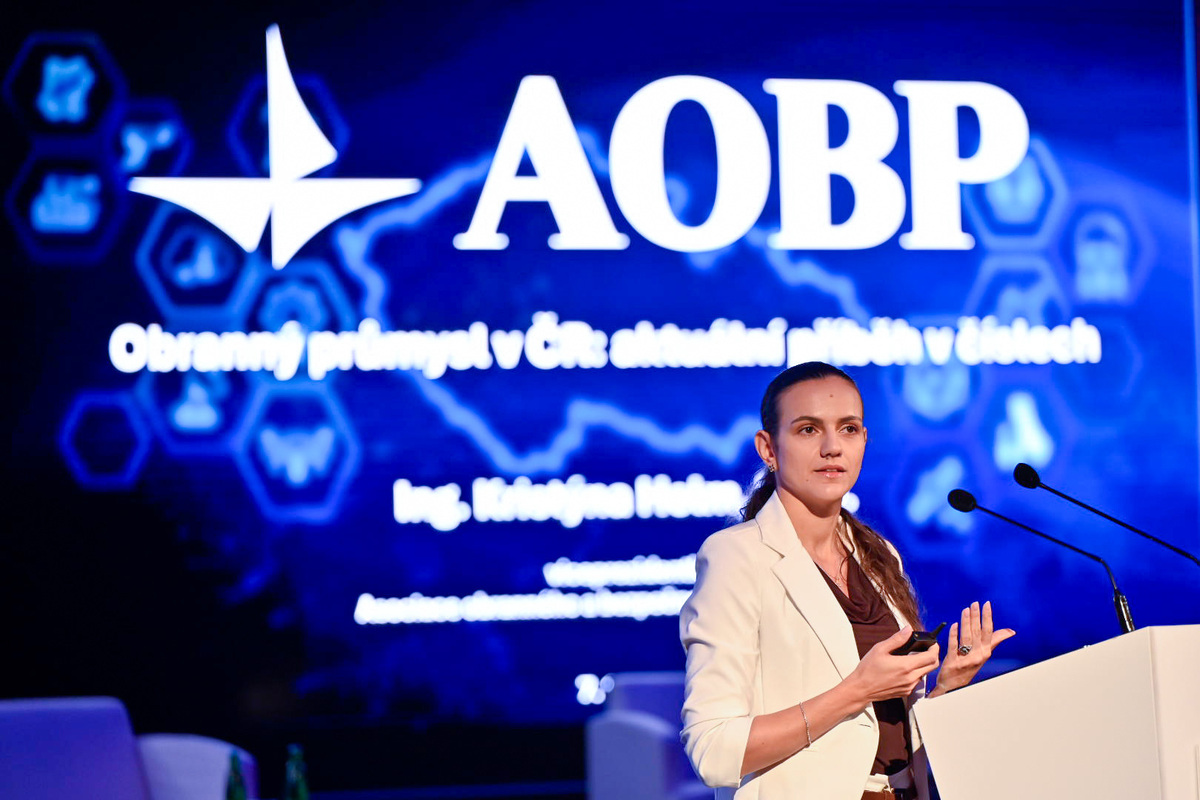
Helm went on to focus on the opportunities offered by European funding programs. She pointed out that prior to 2017, not a single euro in the EU budget was earmarked for the defense industry. Today, however, there are numerous budgetary and extra-budgetary instruments to support this sector. For example, of the planned 133 billion euros allocated to the Competitiveness Fund under the next multiannual financial framework, up to 120 billion euros is expected to go toward defense and space. According to Helm, this demonstrates that there has been a fundamental shift in thinking about defense in Brussels in recent years.
However, when it comes to drawing on European grant programs, the Czech Republic is not performing very well. For example, the Italian aerospace and defense manufacturer Leonardo alone has drawn significantly more funds from the European Defense Fund (EDF) in recent years than all participating domestic companies combined during the same period.
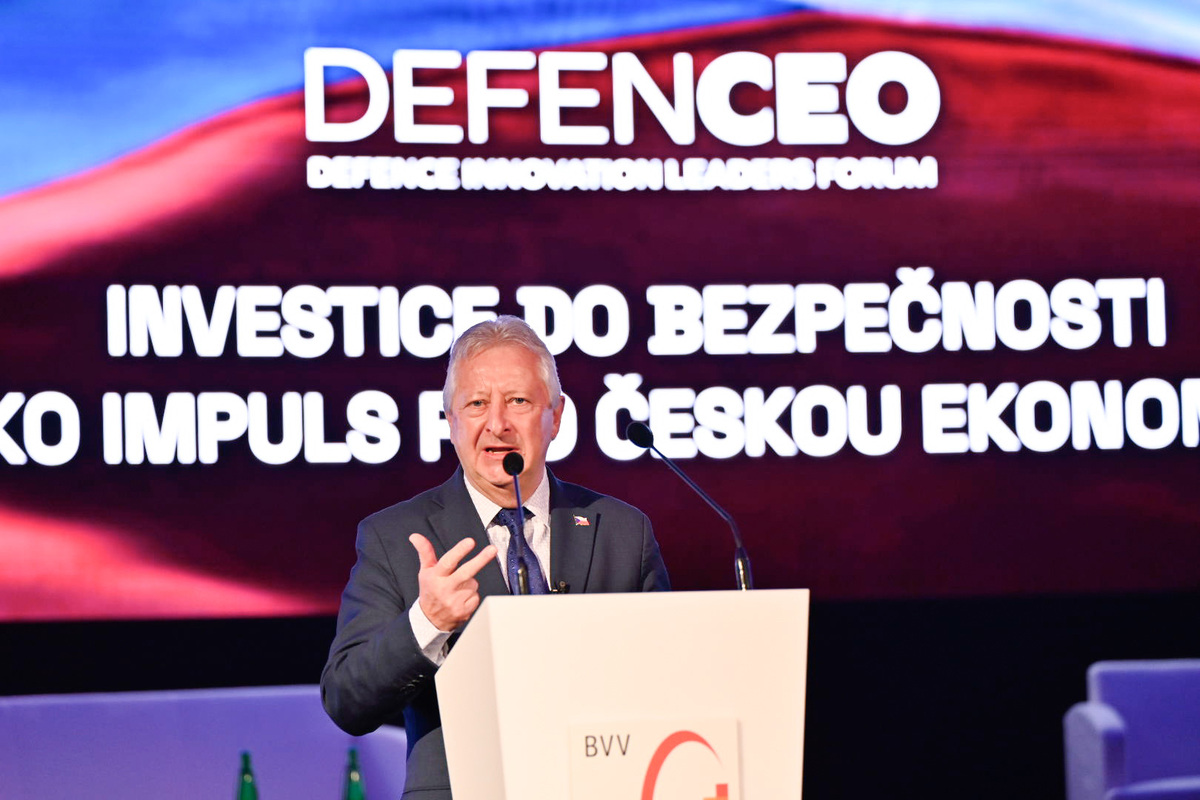
Pavel Zůna then addressed the conference attendees. As the national representative on the NATO Science and Technology Committee, he emphasized, among other things, the importance of science and education in the defense sector: “Investing in R&D and education is like putting money into a savings account. When you need it, you can withdraw it – and even earn interest.”
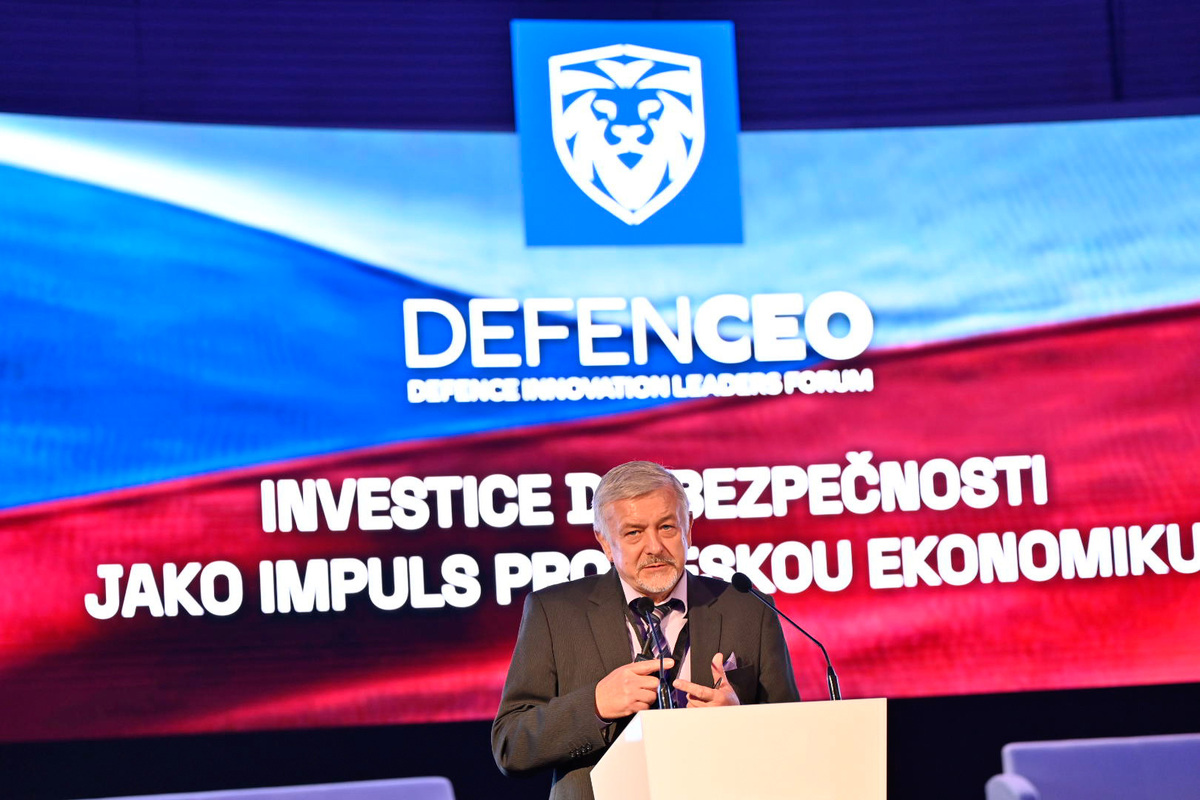
Last but not least, Ivo Červenka, director of the Association of Engineering Technologies, spoke during a moderated discussion. According to him, the domestic engineering industry has a strong interest in “breaking into” the defense sector, and it certainly has a lot to offer. “The Czech engineering industry has cutting-edge technology; we are capable of manufacturing components for the F-35, for example,” Červenka stated. However, engineering firms’ entry into the defense sector is complicated by a lack of information on how to integrate into the defense industry’s supply chains. Uncertainty is also a key factor, leading to a reluctance among engineering firms to invest in the necessary technologies. “The Czech engineering sector does not want special privileges from the state. However, it wants long-term opportunities to demonstrate that it can be a part of the Czech Republic’s security and defense capabilities,” summarized the director of the Association of Engineering Technologies.
These presentations were followed by the second session of the conference, which aimed to discuss the topic: “From Expenditures to Investments – The Czech Defense Industry as a Strategic Partner of the State.”
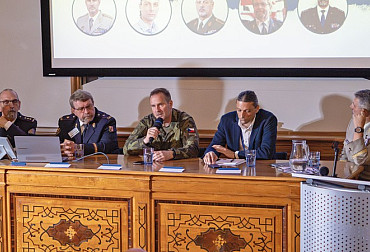
The panel featured Lubomír Kovařík, Vice President of the Czech Chamber of Commerce and Chair of the Defense Industry Section; Jan Hamáček, Director of External Relations at CSG; Jakub Gabriel, CEO of Ray Service; and Jan Zajíc, CEO of Česká zbrojovka.
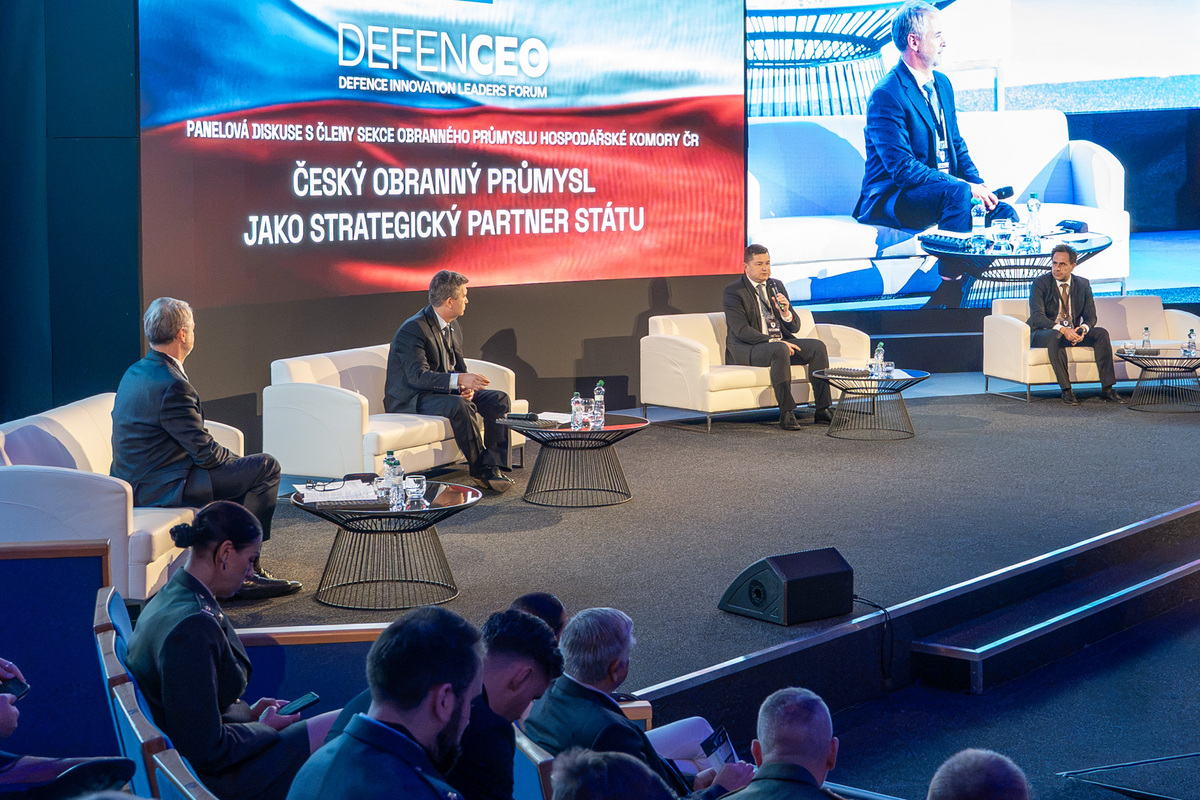
In response to the question of what the government should do to ensure that defense companies are able to scale up production during a crisis, Jan Zajíc, director of Česká zbrojovka, emphasized above all the need to prepare for such situations during peacetime.
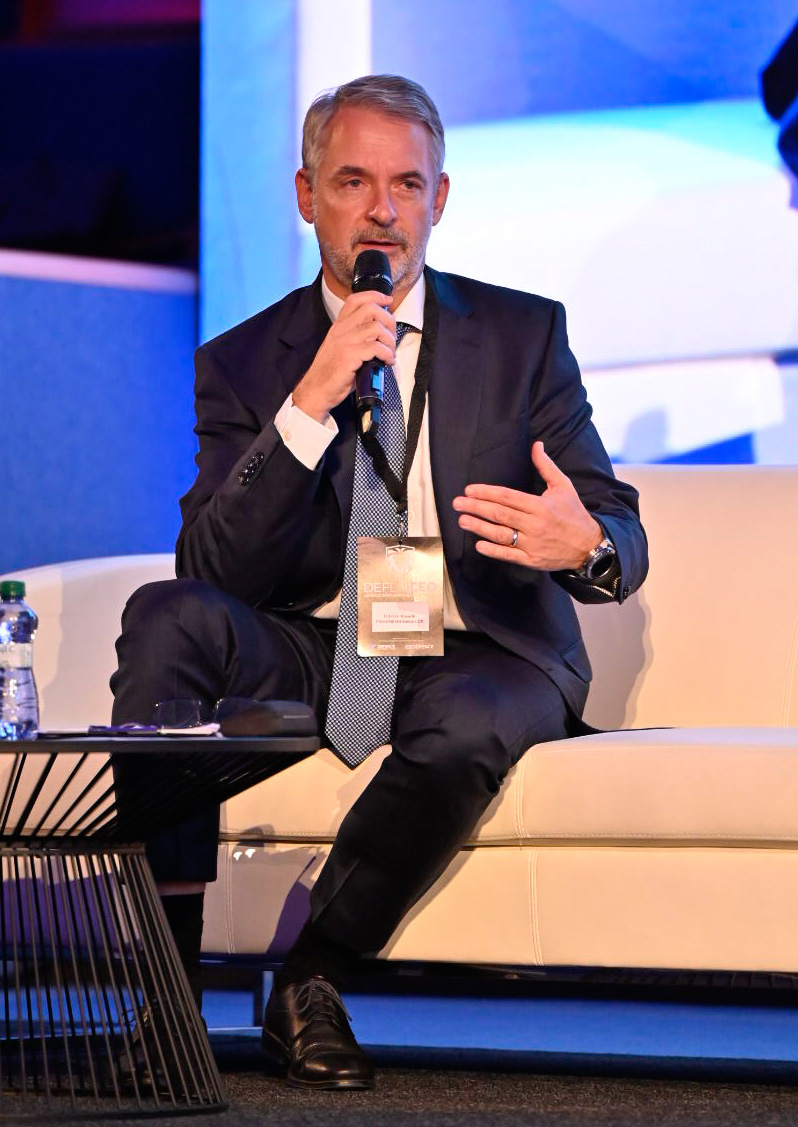
In addition to timeliness and preparedness, he also emphasized the need for open dialogue between the government and businesses regarding how to proceed in such situations and what the government will need. Hamáček also emphasized the need for open dialogue: “The government should state what it needs, businesses should provide cost estimates, and then an agreement must be reached.”
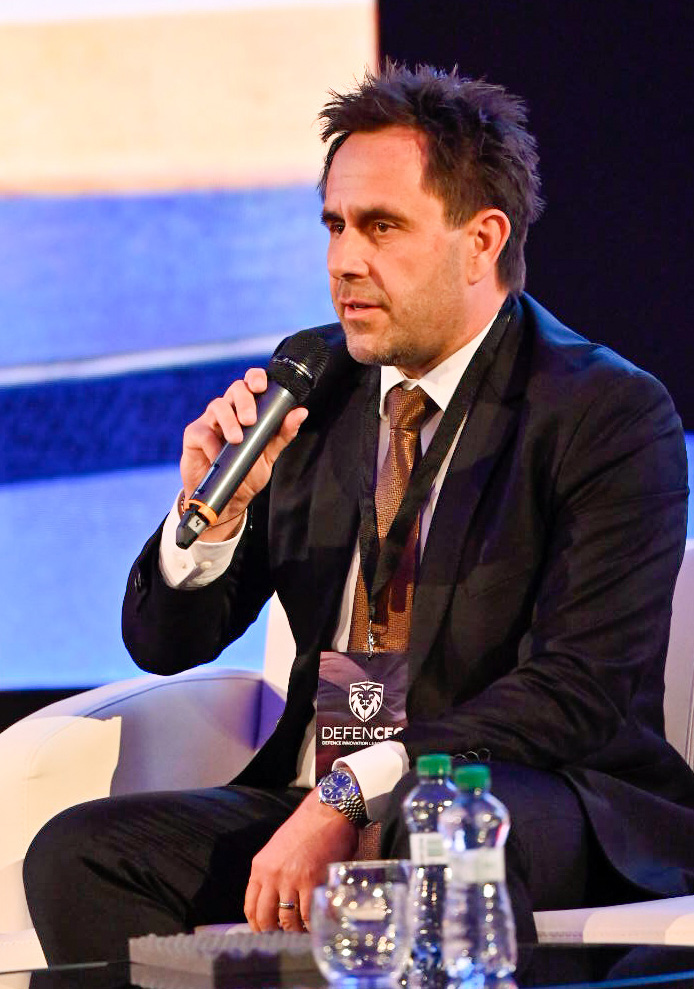
The panelists touched on one of the topics raised during the first panel discussion, namely the (lack of) success of Czech companies in drawing funds from the EDF. According to Zajíc, for domestic companies to be more successful, they should actively establish international partnerships within European consortia. Gabriel from Ray Service added that companies can focus on forming “mini-consortia” within the Czech Republic and then use those to join European consortia.
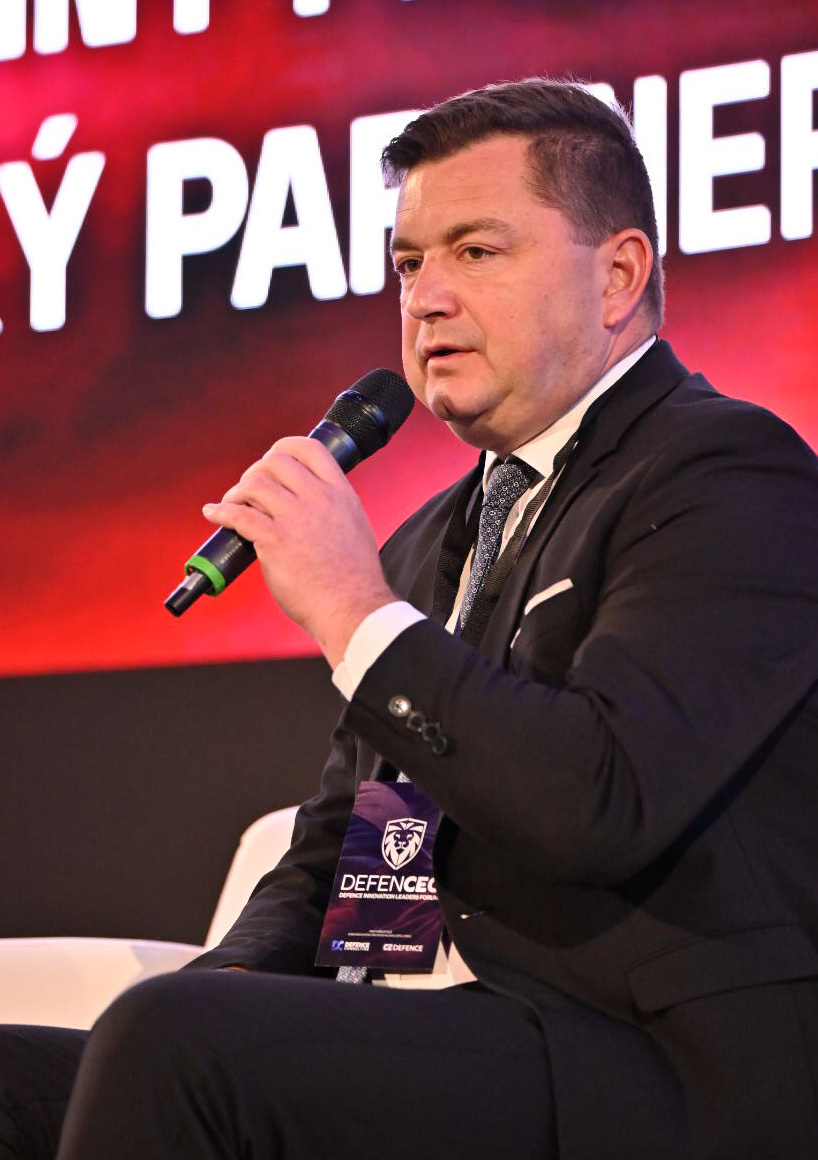
In response, Hamáček noted that the key to everything is being present right at the source of information. He explained that CSG, which is now part of two consortia, joined ASD – the European Association of Defense and Aerospace Industries – precisely for this reason. “You can’t do this from Prague,” Hamáček concluded.
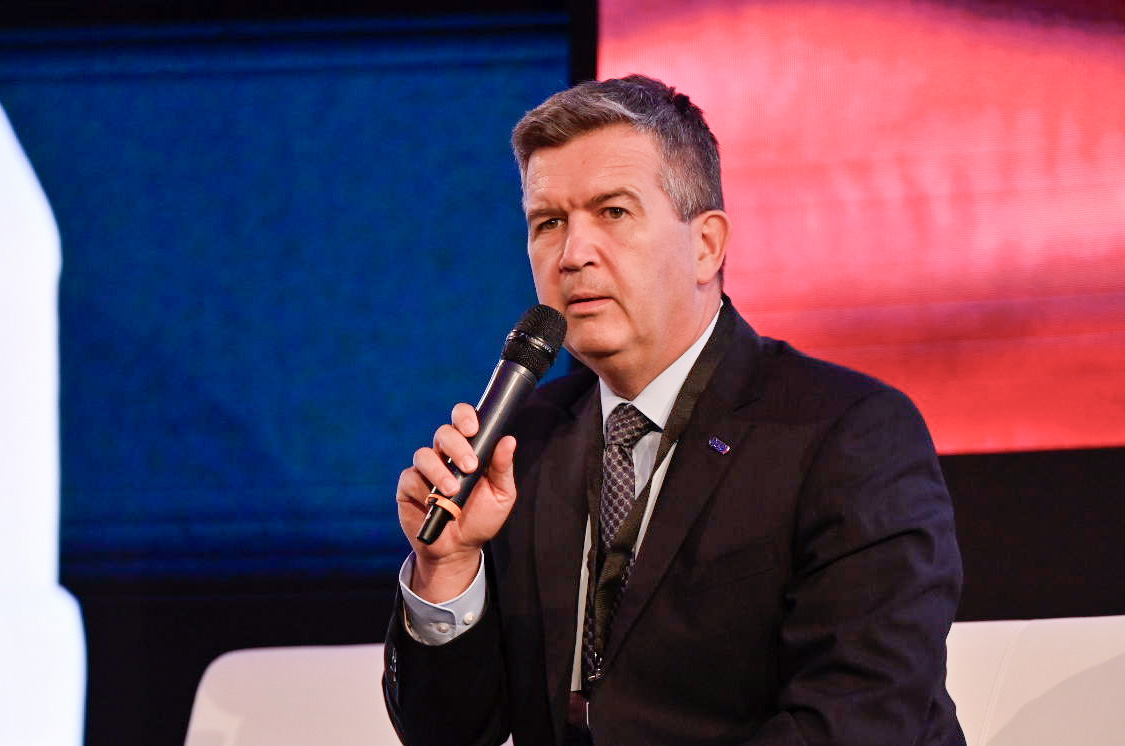
Toward the end of the panel, the discussion turned to companies from civilian sectors that are interested in entering the defense sector. On that occasion, the panelists offered recommendations to these companies regarding what they believe is required to become involved in the defense industry. These included perseverance, a willingness to invest in their own capabilities in advance, and the need to understand the specifics of the defense sector.
One of the highlights of the conference was the speech by the Chief of the General Staff of the Czech Armed Forces, Lt. Gen. Miroslav Hlaváč, who (like the Minister of Defense) placed particular emphasis on the issue of technology. In an era that demands, above all, speed and adaptability, the ability to flexibly integrate new technologies into military equipment is a fundamental prerequisite for the state to succeed in the new operational environment. Hlaváč pointed out that, due to the rapid pace of technological change on the modern battlefield and the rigidity of procurement processes, the state is essentially already purchasing yesterday’s weapons. “The process must not take precedence over the ability to defend ourselves effectively and build defense capabilities,” he said, summarizing the core of the problem.
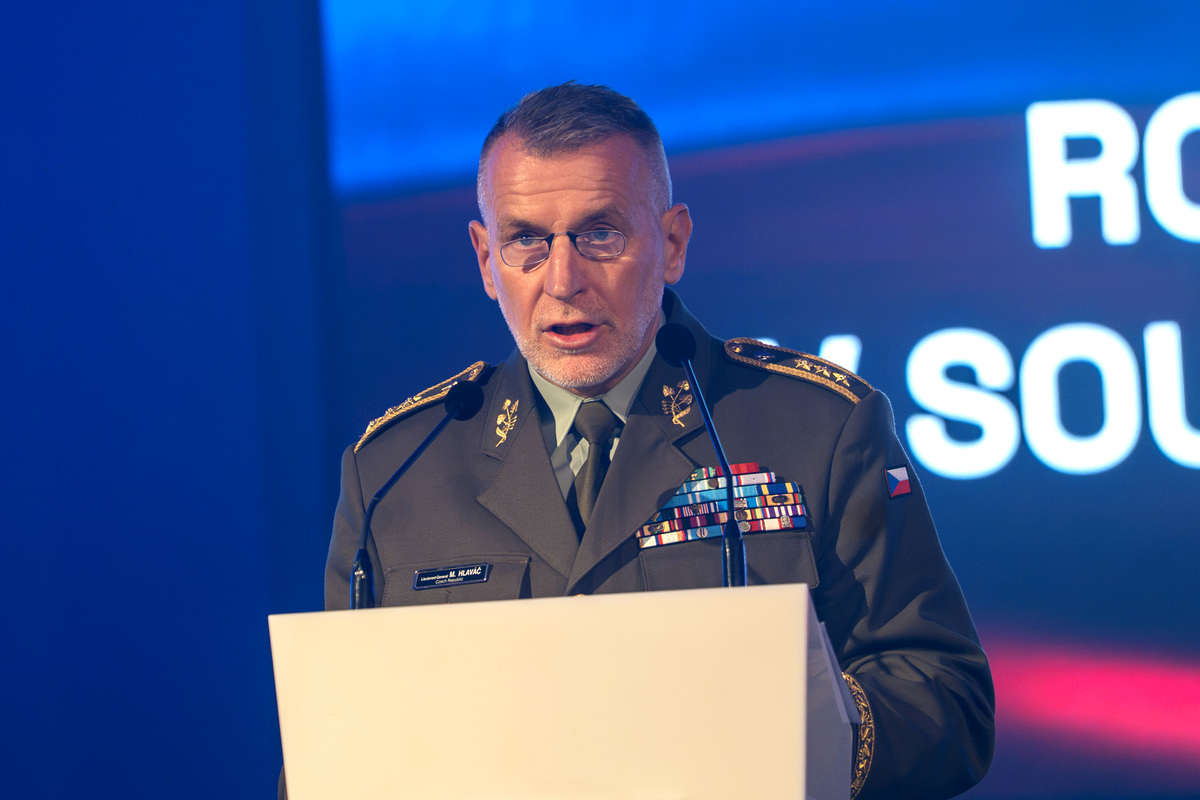
At the conclusion of his remarks, Hlaváč stated that this week the Czech Armed Forces (AČR) command adopted the Czech Armed Forces Innovation System, which will be based on the AČR’s innovation concept. The new system should contribute to greater flexibility in the procurement process, thereby accelerating the acquisition of specific defense products.
Similarly, according to the Chief of the General Staff, a concept for experimentation will be introduced, involving domestic companies that will have the opportunity to contribute their own ideas to the innovation process. As part of the innovation system, according to Hlaváč, a so-called “experimental element” will also be established within the structure of the Czech Armed Forces, through which he aims to attract students from civilian universities to the military; these students, he hopes, will help the military solve problems for which it lacks the necessary expertise.
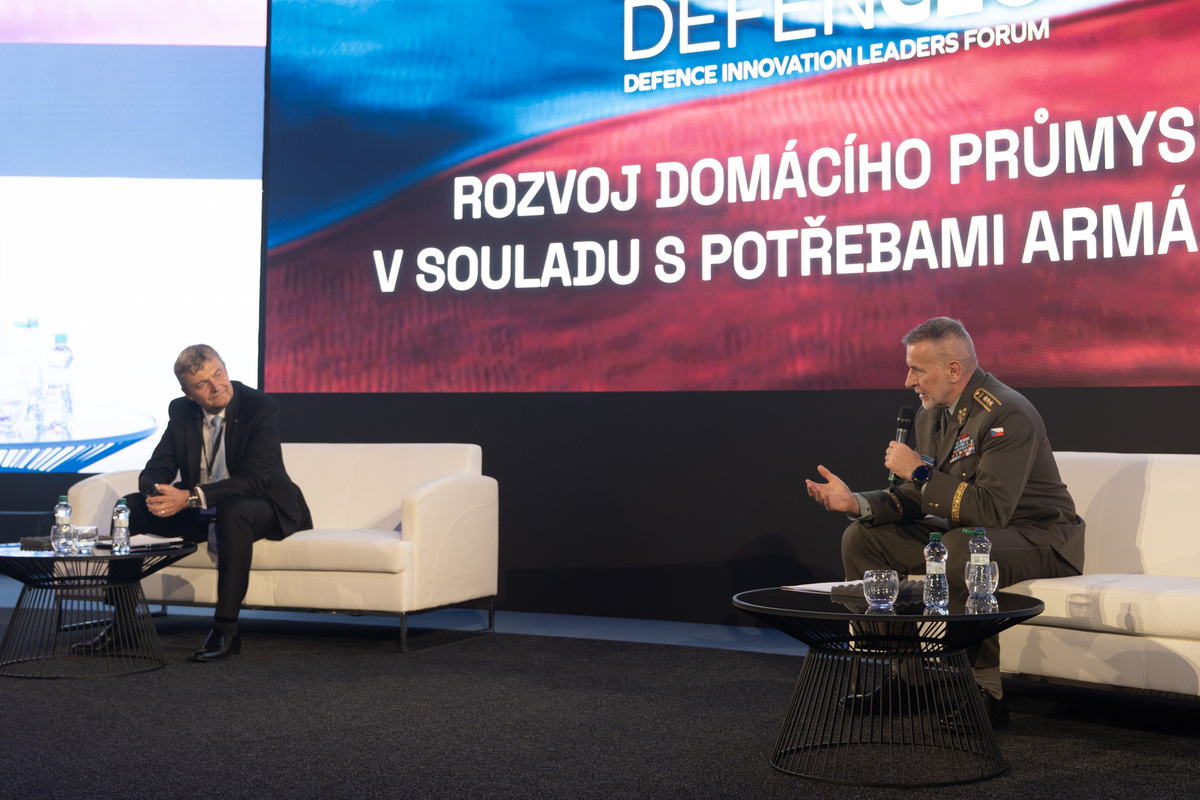
After a break and some informal networking, the third session began, focusing on the development of domestic industry in line with the needs of the Czech Armed Forces. Participants included Brig. Gen. Petr Šnajdárek, Director of the Communications and Information Systems Section at the Czech Ministry of Defense; Jiří Protiva, Director of LOM PRAHA; Vlastimil Navrátil, Director of VOP CZ; and Jiří Kašpárek, Director of VTÚ.
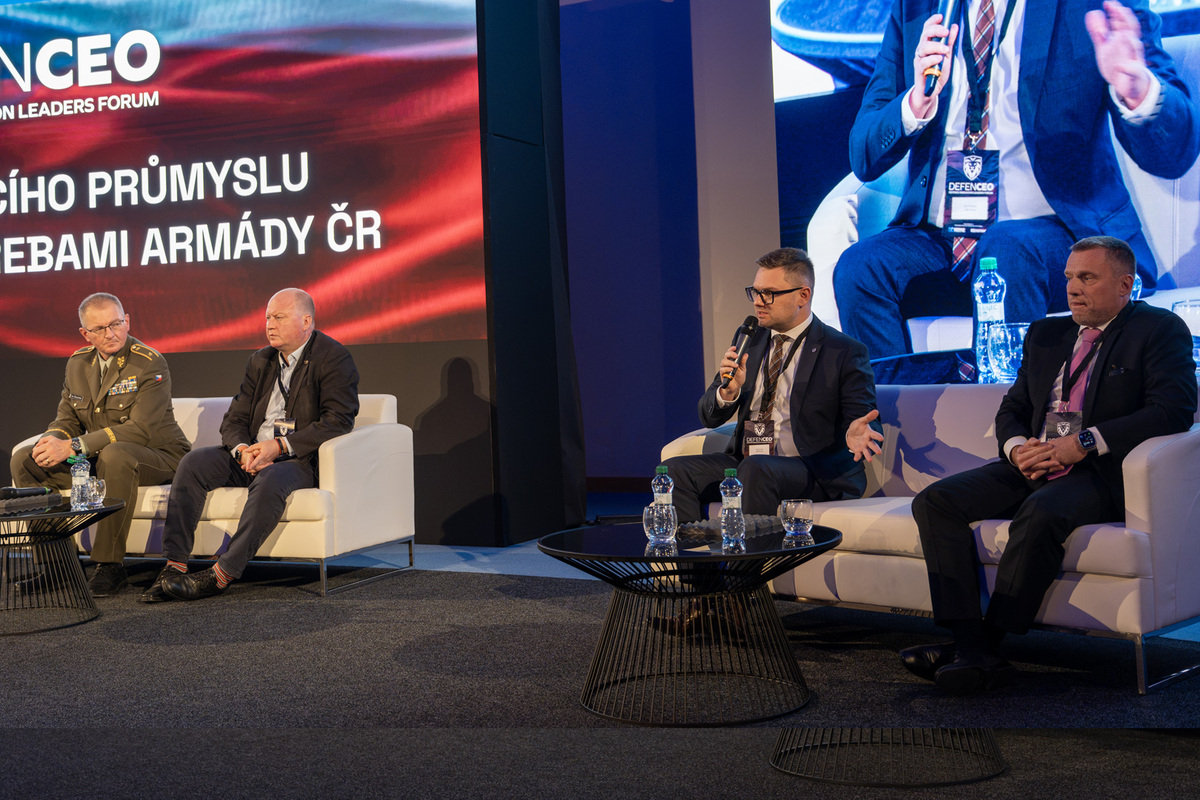
The panelists primarily discussed the role and significance of state-owned enterprises operating in the defense industry. As Protiva noted, state-owned enterprises are meant to serve as a bridge between the civilian sector and the state. The state can approach state-owned enterprises, which then act as a sort of “procurement office,” the director of LOM PRAHA explained. State-owned enterprises then negotiate contracts with companies. According to Protiva, state-owned enterprises are often able to expedite the entire procurement process. In this regard, they can be viewed as entities that help build the capabilities of the Czech Armed Forces. VOP Director Navrátil subsequently shared his perspective on this issue as well. “When the state or the military needs something, we say, ‘We’re here!’” – that, he said, is precisely the role of state-owned enterprises.
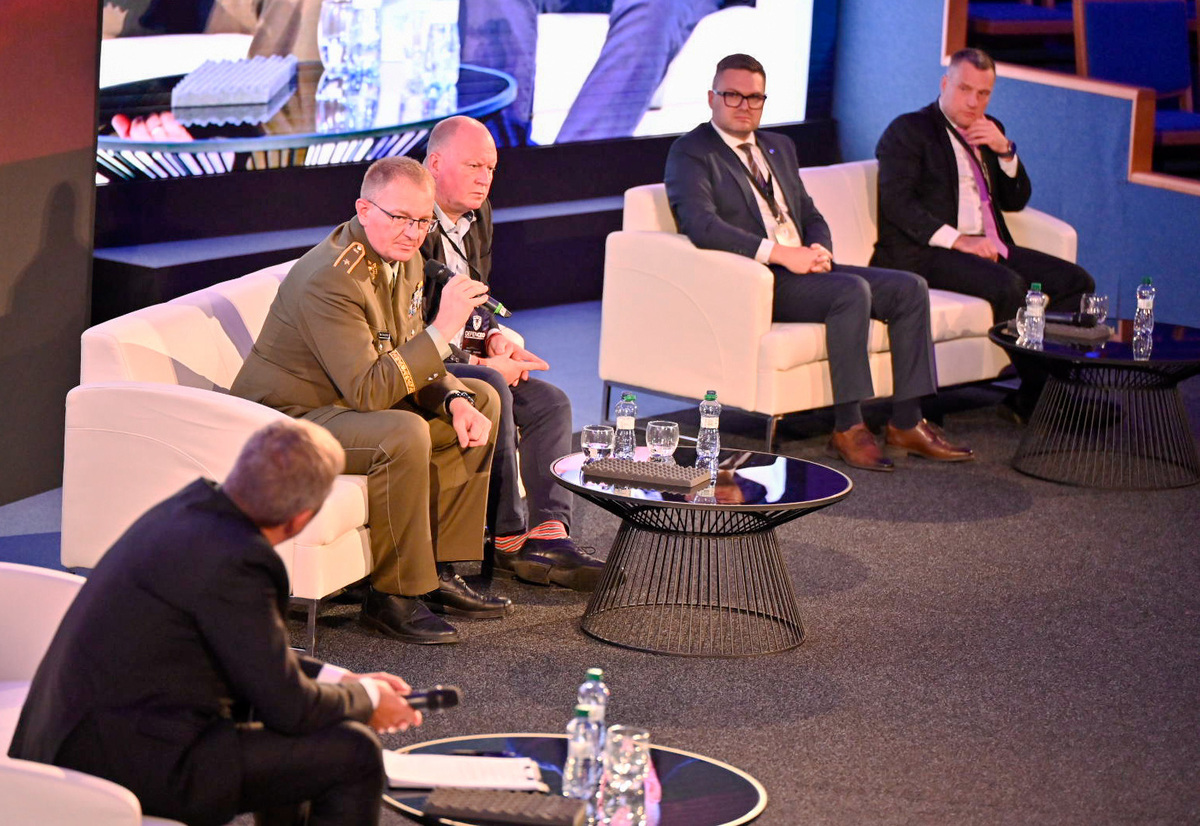
The top executives of various domestic state-owned enterprises, together with Brig. Gen. Šnajdárek, agreed that they see the significant importance of these entities in the role of integrator, which they largely fulfill within the defense industry. Jan Zilvar, deputy editor-in-chief of CZ DEFENCE and moderator of the discussion, raised the question of whether a state-owned enterprise could serve as an umbrella organization for key manufacturers in a specific market segment and, together with them, ensure a specific capability. According to Šnajdárek, this would represent a possible path forward. State-owned enterprises cannot handle the entire integration process on their own, as they cannot, for example, afford to hire the necessary experts.
The fourth session was devoted to the topics of dual-use, export support, and financing the transformation of production. Speakers on this panel included Daniel Ždych, representative of the National Contact Point for the European Defense Fund (AOBP); Vladimír Degťar, Director of the Export Services Section at CzechTrade/CzechBusiness; Marek Dlouhý, Vice Chairman of the Board of Directors at the Export Guarantee and Insurance Corporation; and Miroslav Stříbrný, Director of the Trade and Export Financing Division at the Czech Export Bank.
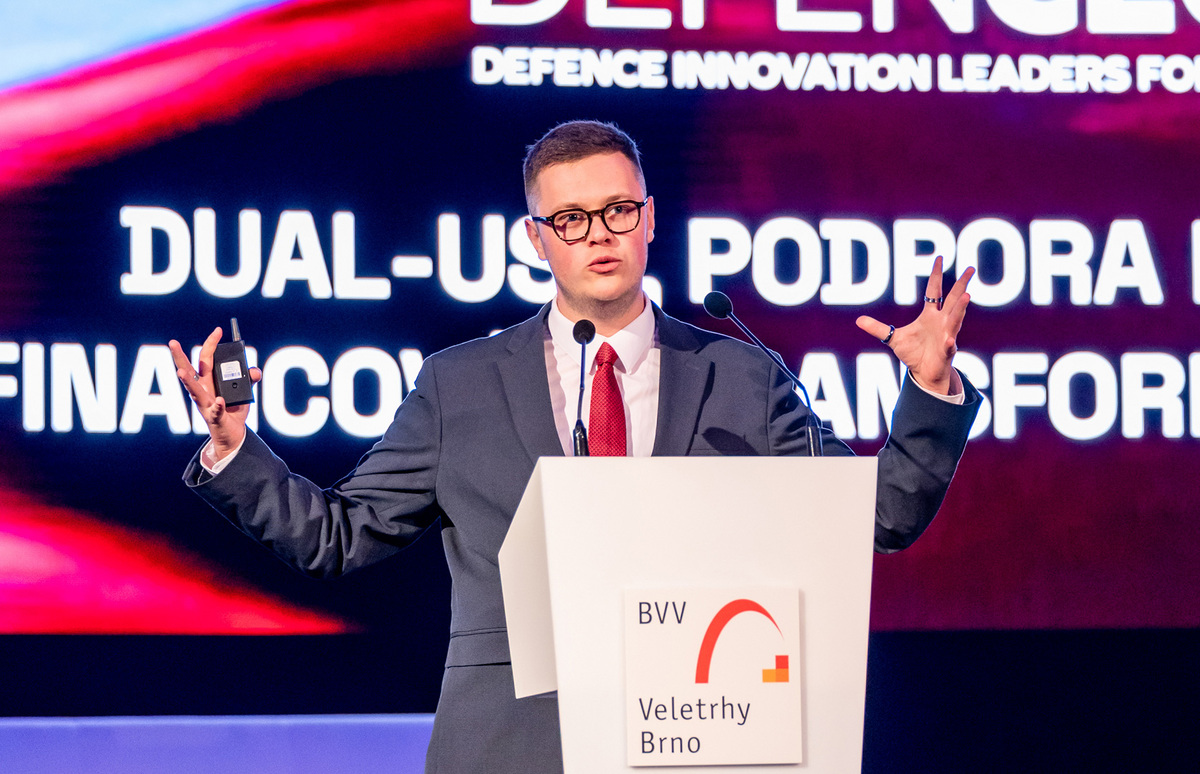
In addition to topics related to the export of defense products, the discussion also touched on the issue of bank financing for the defense sector. Although the banking sector had long completely excluded the defense sector from its investment activities, the situation is now different, according to Stříbrný. Like the Czech Export Bank, most Czech banks currently have no problem financing the defense industry. However, this is still not the case, for example, with the European Investment Bank (EIB), which is nowhere near as open to financing the defense sector as Czech banks are.
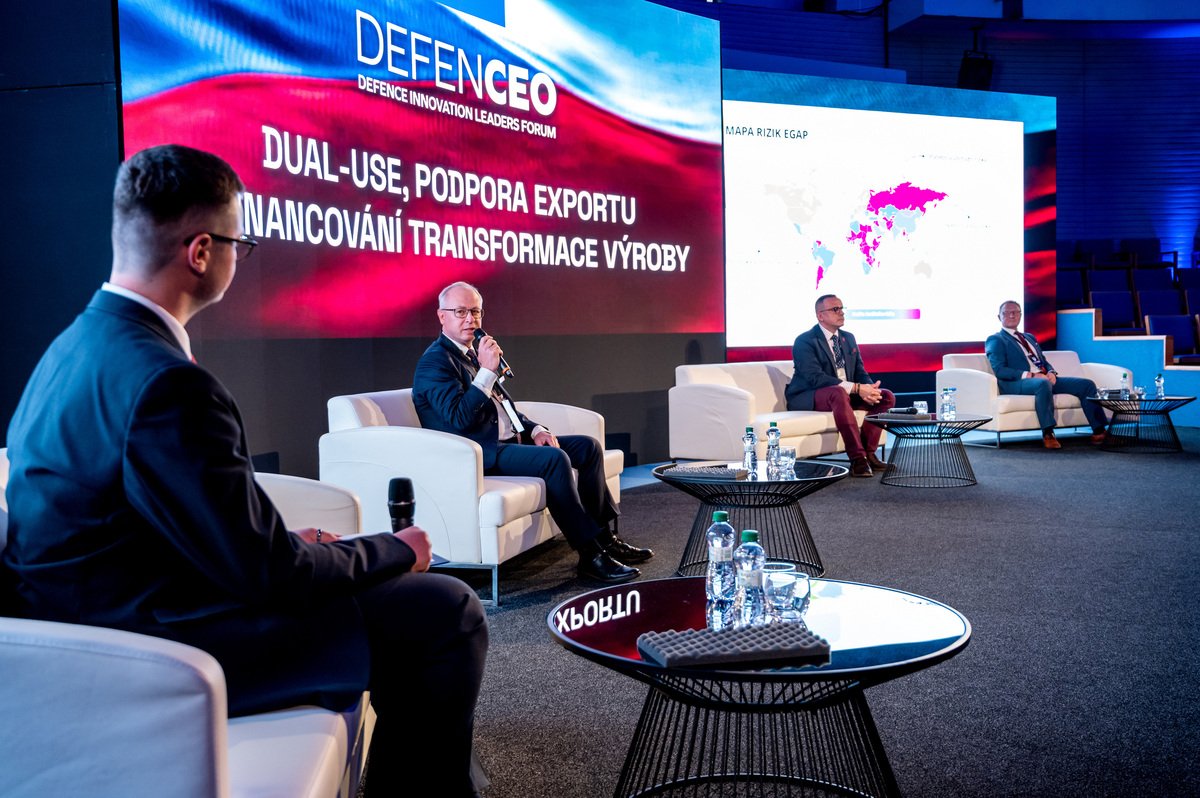
This fact, too, may increase the attractiveness of the defense industry for civilian companies, thereby motivating them to reorient their portfolios to some extent. As Dlouhý noted, with a touch of hyperbole: “Many companies that weren’t previously involved in defense have discovered that they can use one of their presses to manufacture tubes for mortars.”
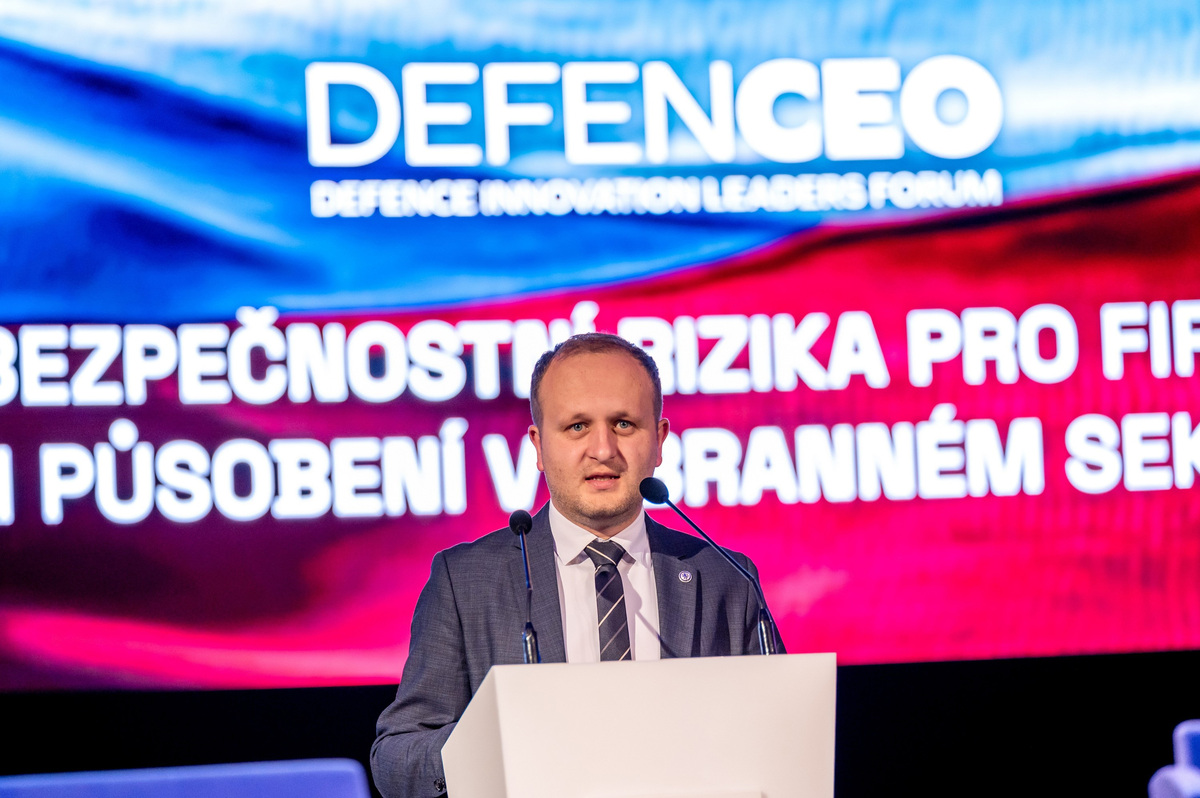
The topic of the final session was the security risks companies face when operating in the defense sector. Lukáš Kintr, director of NÚKIB, opened the session with a speech.
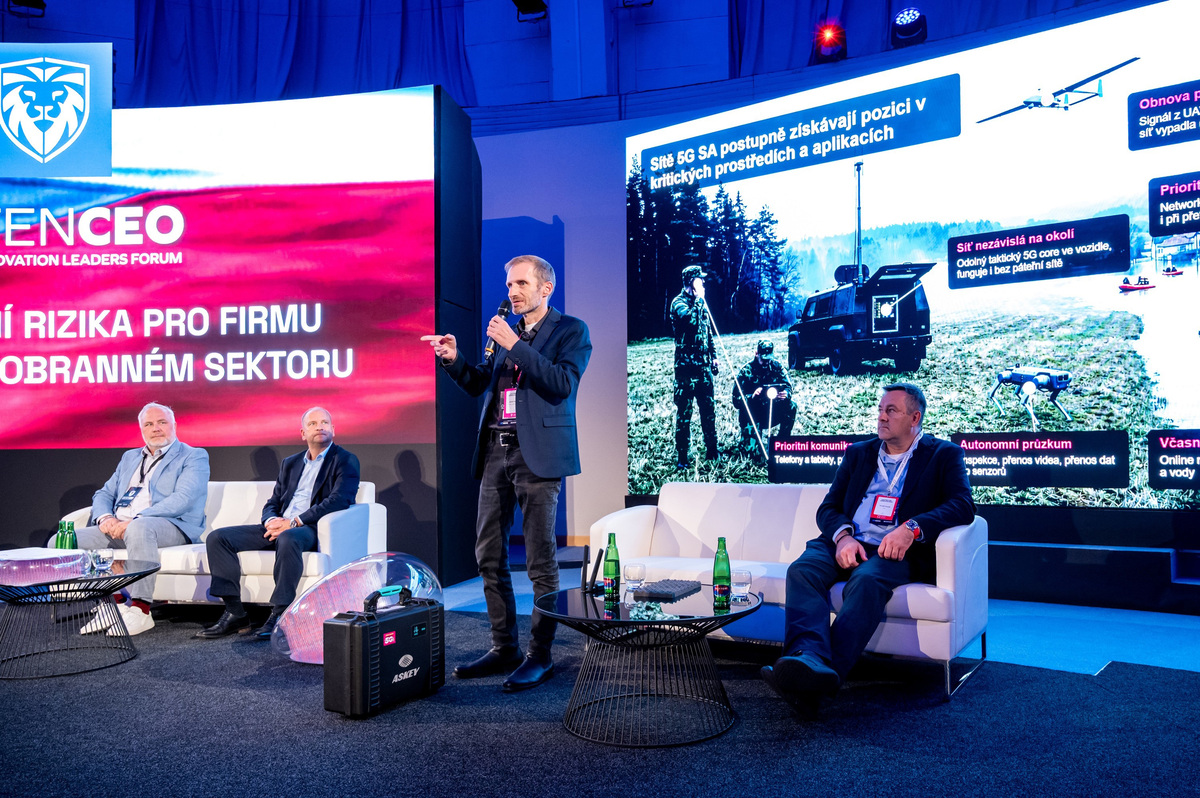
This was followed by a panel discussion featuring Robert Keil, Director of the National Center for Industry 4.0; Rostislav Pilc, CSO of PBS GROUP; Jiří Václavík, CEO of VÚTS; Jakub Kopecký, Industry 4.0 Development Manager at T-Mobile; and Tomáš Veselý, Director of Smart Informatics.
The conference was officially closed by Jan Homola, founder of the DEFENCEO initiative, and Michal Pivoňka, editor-in-chief of CZ DEFENCE.