













Eurosatory 2026 Day 3: Czech Companies Prove That Defense Innovations Are Also Made in Czechia
The third day of the Eurosatory 2026 trade show confirmed the growing confidence of the Czech defense industry. Czech companies are not only presenting individual products here, but increasingly offering comprehensive technological solutions that respond to current experiences from modern conflicts. This applies to the training of drone operators, electronic warfare, air defense, and new generations of ammunition and small arms. It is clear that Czech companies are able to keep pace with the world’s most advanced competitors.
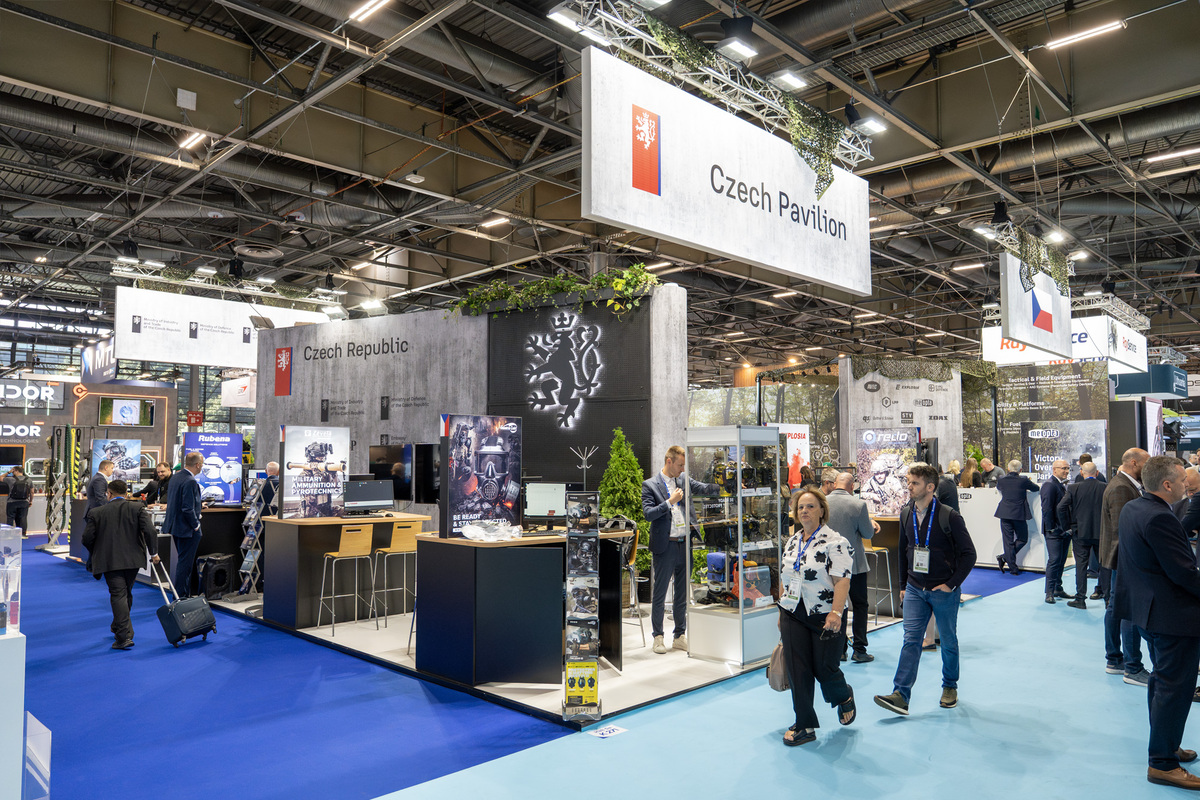
The Eurosatory trade fair is often described as Europe’s most important showcase for defense and security technologies. This year, that status is confirmed by record numbers of exhibitors and visitors and, above all, by the breadth of technologies on display, which reflect the transformation of today’s battlefields. It is here that the significant changes the Czech defense industry has undergone in recent years are fully evident. “This demonstrates how the Czech defense industry and some dual-use companies have reached European and global standards. They have a lot to offer. You’ll even find our companies at the booths of major European manufacturers,” says Jan Sechter, Deputy Minister of Industry and Trade.
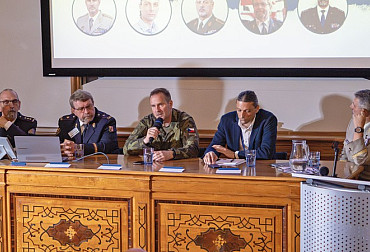
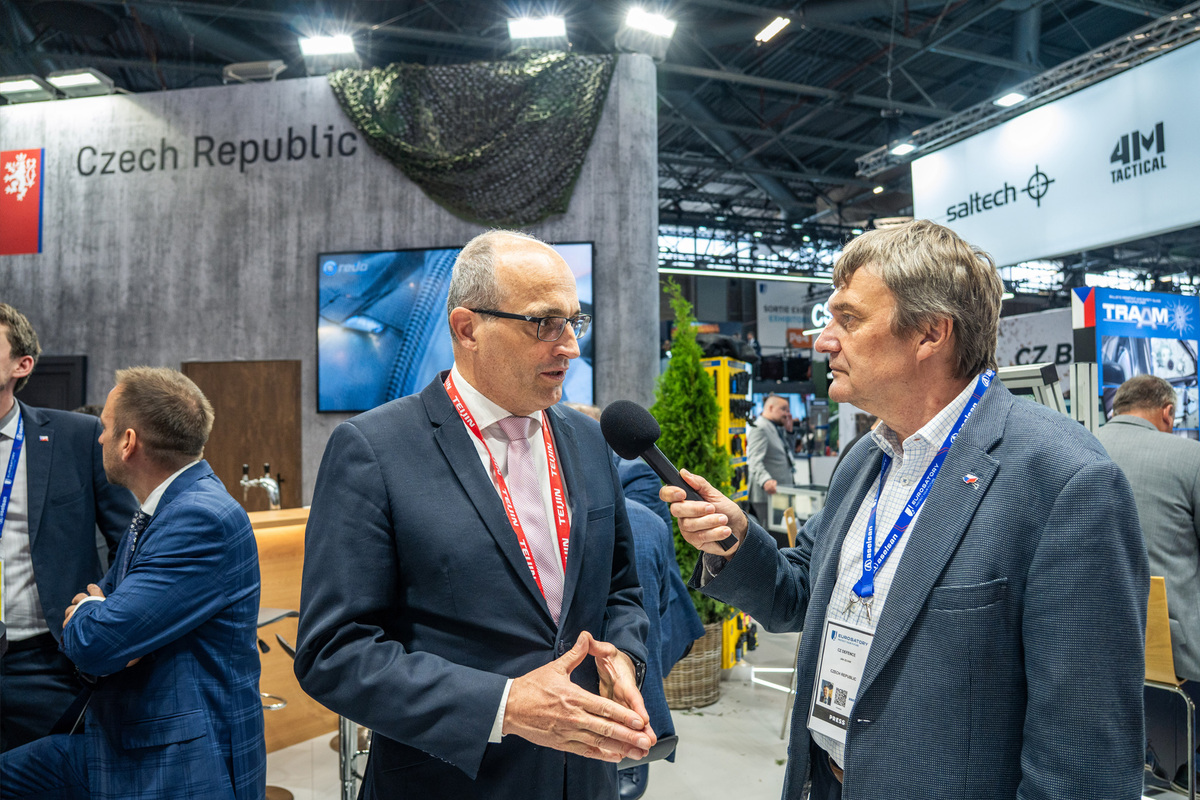
According to him, the international expansion of Czech companies is one of the government’s main goals. “We want our industry to have an open door to the world, regardless of whether a specific military procurement is currently underway.” Sechter also pointed out the increasingly strong links between the civilian and defense sectors. The technologies that determine success on the battlefield today often originate outside the traditional defense industry. “Technological development is so rapid that the civilian and defense sectors are now able to work together in a way we haven’t seen in Europe for a long time. This applies to drones, air defense, artificial intelligence, and integration with space technologies,” explained the deputy minister of the Ministry of Industry and Trade.
Unmanned aerial vehicles and related technologies are among the most prominent topics at this year’s event. It is therefore no surprise that the Omnipol Group’s exhibit is also attracting a great deal of attention; there, Farpoint is showcasing an advanced tactical simulator for training drone operators.
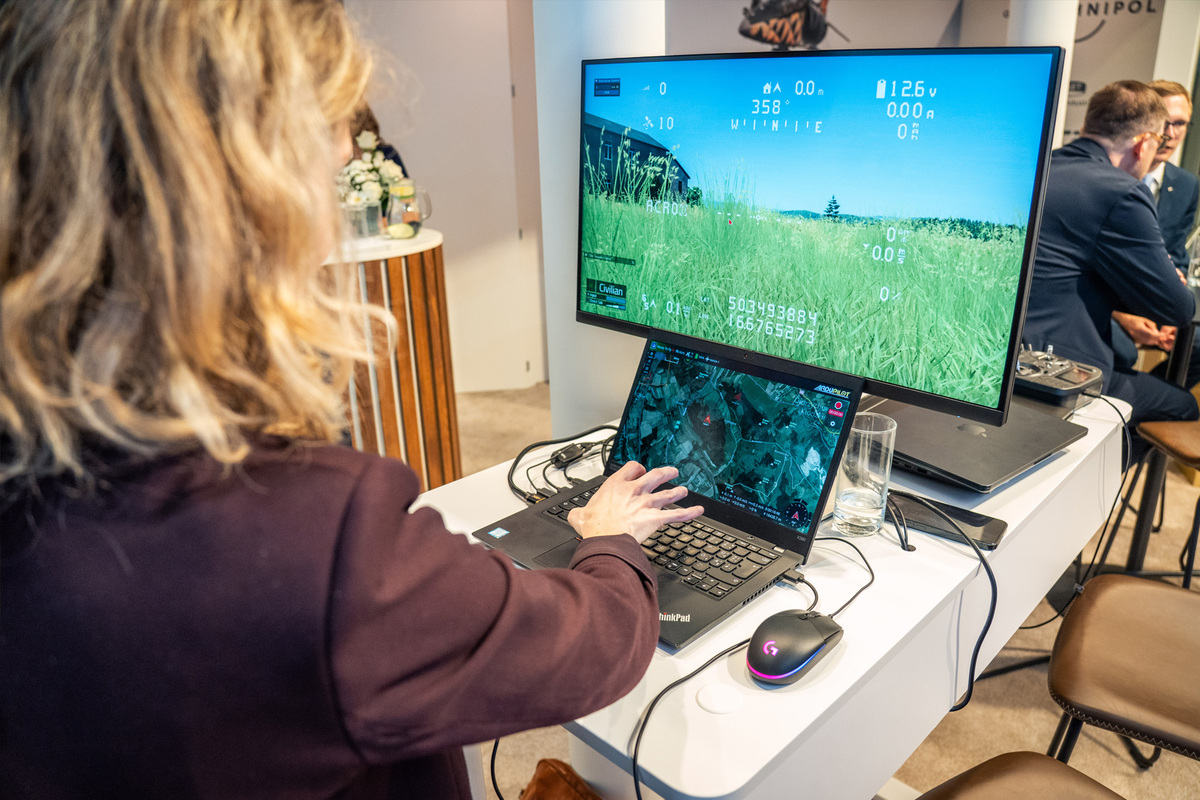
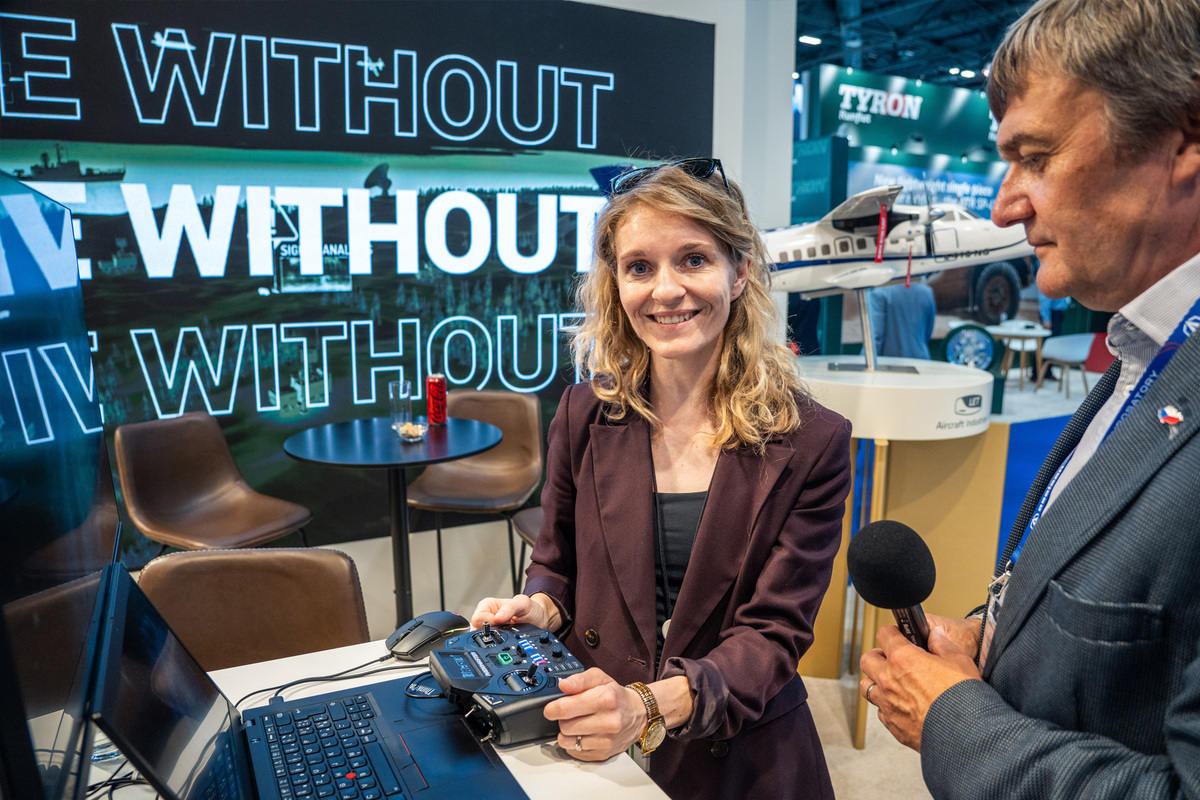
At first glance, it looks like an unassuming workstation with a monitor and a controller. In reality, however, this system is a highly complex training environment capable of simulating virtually any combat situation. Operators can use the same controls, laptops, or FPV goggles that they use in real-world operations. Michaela Klazarová explains that the system was developed in response to the rapidly growing need for high-quality training. “We’re able to connect multiple stations, so we can also train communication within units and essentially define any mission scenario that armies will need for training,” says Klazarová. The importance of such systems is constantly growing. The current war in Ukraine has shown that the success of unmanned systems depends not only on the quality of the technology itself, but above all on the skills of the operators and their coordination within units. Modern training is therefore becoming just as important as the development of new platforms.
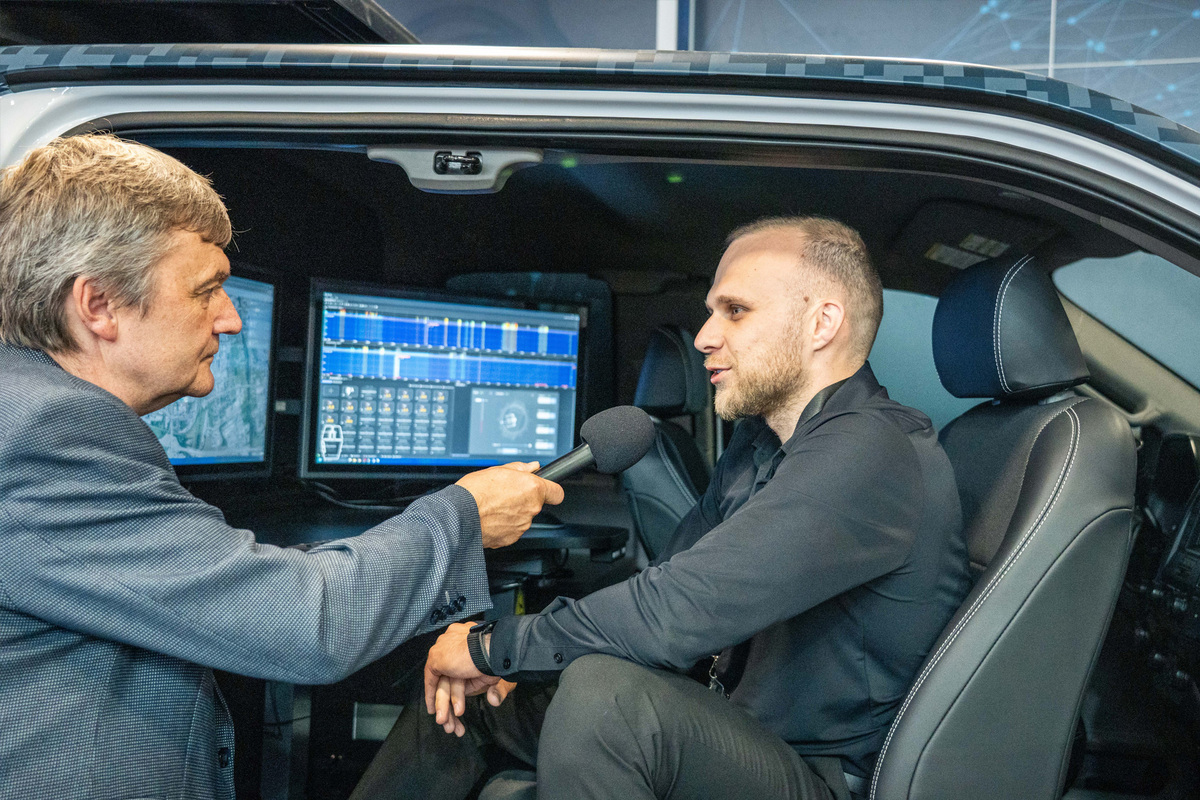
Another area that is having a major impact on the nature of the battlefield today is electronic warfare. The Czech company URC Systems brought a mobile solution to Paris capable of monitoring the radio spectrum and identifying a wide range of threats, including unmanned aerial vehicles. The system is integrated into a light vehicle that can be mounted on virtually any platform according to customer requirements – from civilian off-road vehicles to armored vehicles, containers, or unmanned systems.
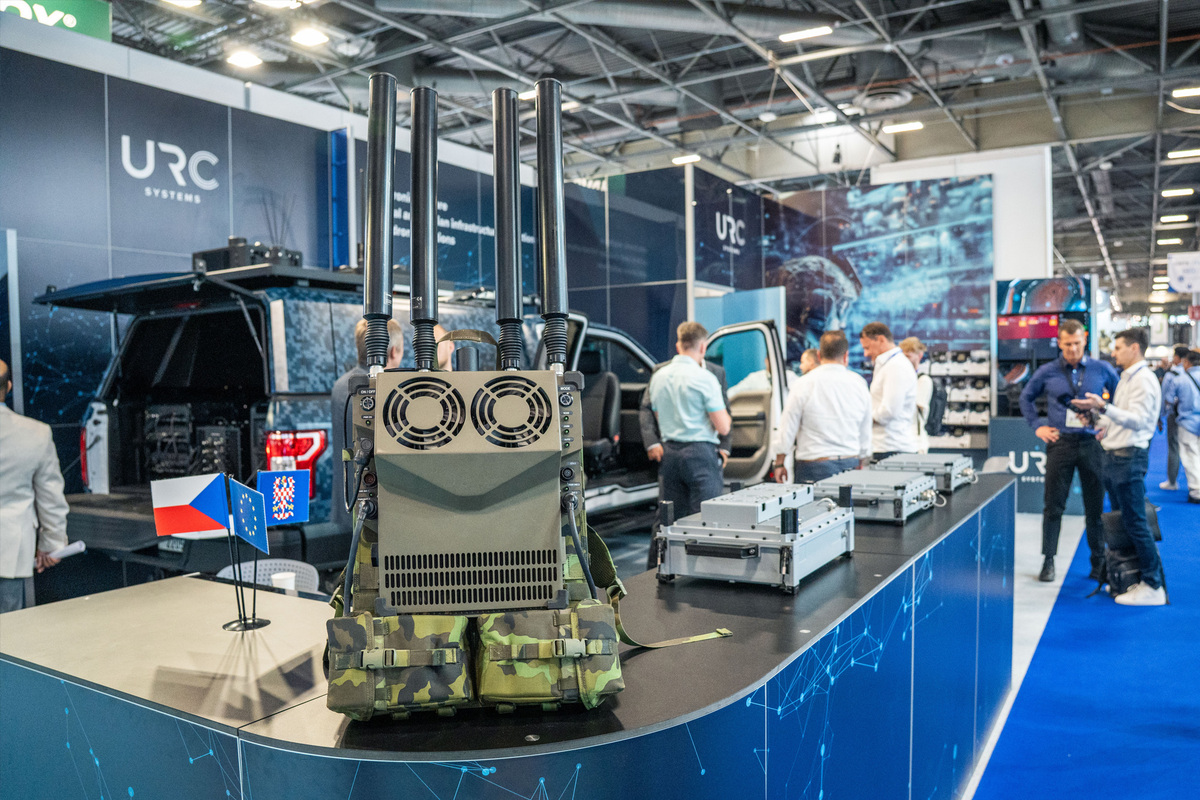
“Today, we’re mainly focused on monitoring drones, but not exclusively. We can detect radio activity in frequencies ranging from 25 MHz to 6 GHz,” explained Filip Boleloucký, sales director at URC Systems. An interesting aspect is the philosophy of separating the passive and active parts of the system. While detection technology can remain hidden, active jammers immediately become a potential target for the enemy once turned on. That’s why URC Systems allows them to be mounted on a separate trailer or a remotely controlled platform. “We’re actually like antivirus software. We have to constantly respond to new threats and adapt to them,” said Boleloucký, describing the dynamics of an industry that changes literally from week to week.
Command and control systems are an equally important part of the modern battlefield. RETIA showcased its ReCUBE GBAD system at Eurosatory, where it was presented by the company’s CEO, Jan Mikulecký. ReCUBE GBAD is a mobile air defense command and control center housed in a container-based solution mounted on a Tatra chassis.
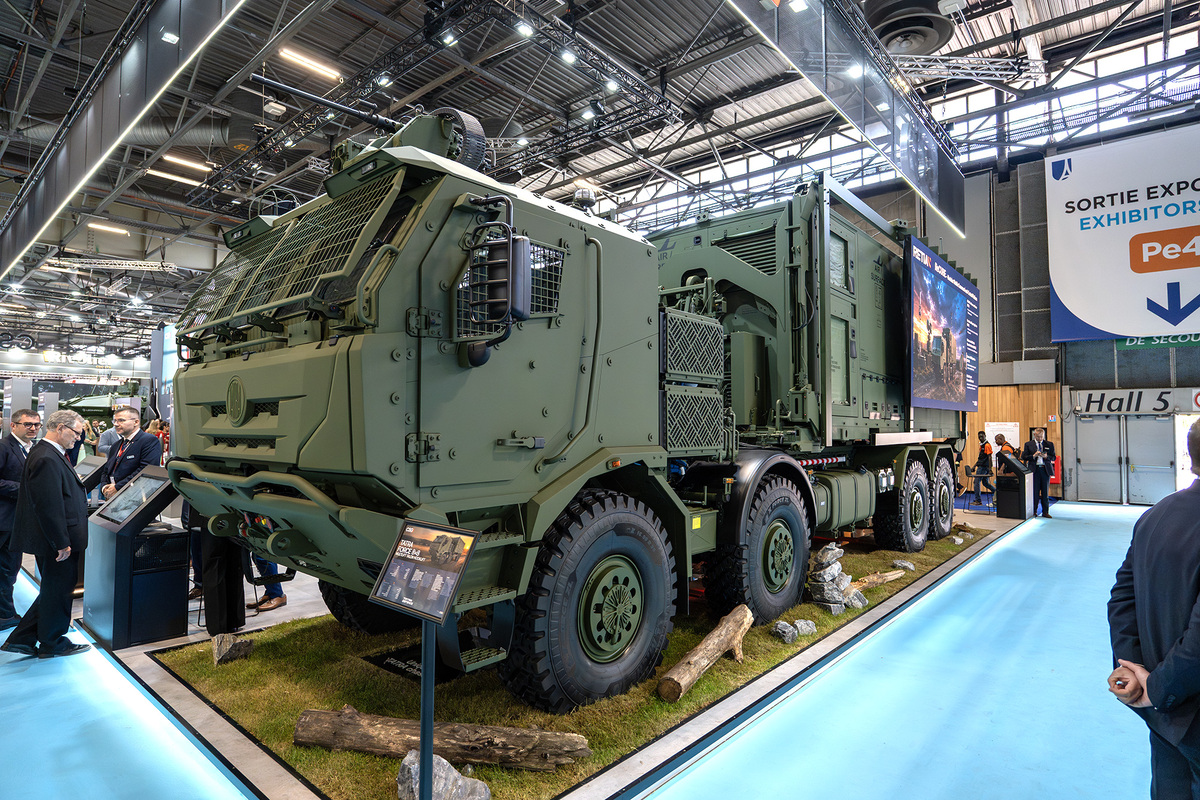
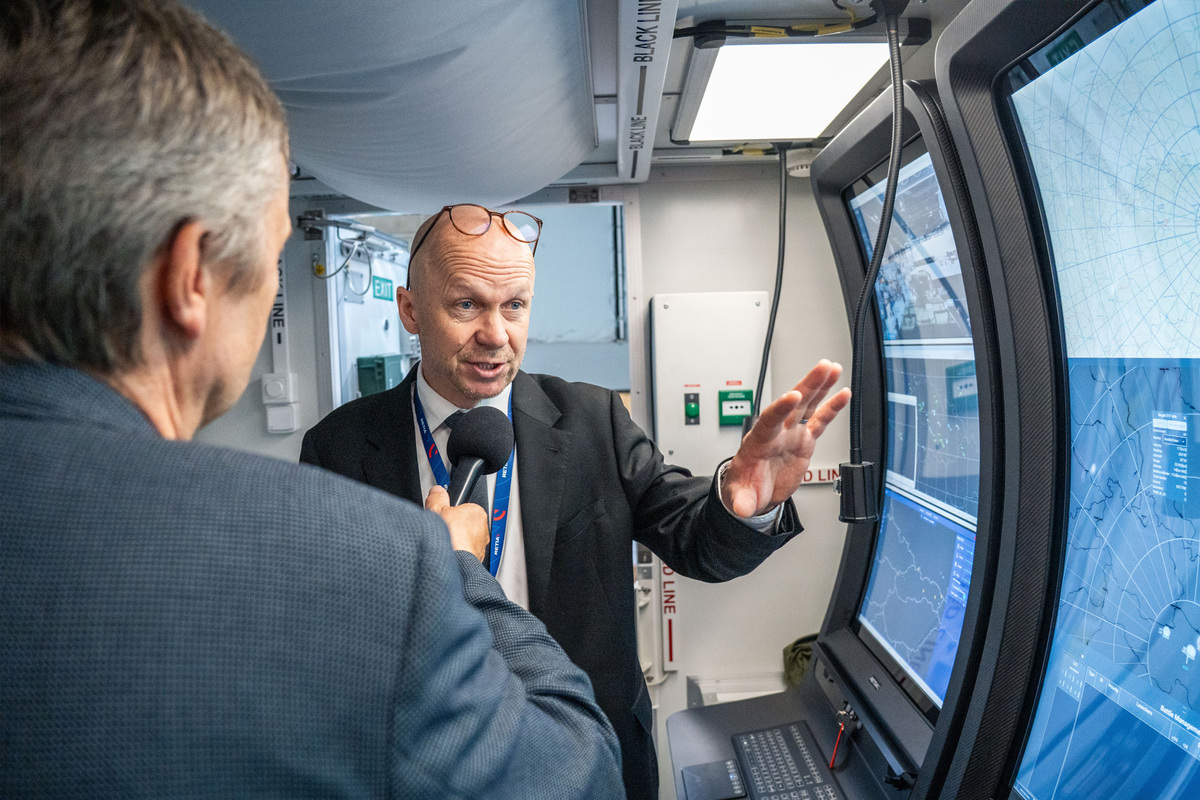
Its task is to integrate radars, sensors, weapon systems, and operators into a single functional unit capable of responding to rapidly changing situations on the battlefield. “It is a command and control platform that can be scaled from tactical operations directly on the battlefield up to the highest levels of command,” explained Mikulecký. The system’s advantage lies in its high modularity. It can function as a mobile command post directly in the area of operations, but it can just as easily serve as a stationary command center. At the same time, its design meets current requirements for electromagnetic protection, resistance to detection by the enemy, and operation in contaminated environments. ReCUBE GBAD also forms a significant part of the new Trident multilayer air defense system. Air defense is one of the segments that has seen the greatest development in recent years. Mikulecký emphasized one of RETIA’s main competitive advantages: “We will never be a huge conglomerate the size of Thales or Rheinmetall. Our strength lies in our ability to tailor solutions to the specific needs of our customers.”
The ability to integrate various technologies into functional units is also evident in the Omnipol Group’s exhibit. This year, for the first time, the group is presenting its own large-scale booth, where it brings together manufacturers of aviation equipment, communication systems, and radar technologies. The centerpiece of the exhibit is a model of the L-410 aircraft from Kunovice, complemented by presentations from MESIT and ERA Pardubice. However, it was the newly established company Omnipol Defence that drew the most attention from experts. Its mission is not to develop individual products, but to create comprehensive, integrated solutions. One example is the Drone Hunter project, which combines the L-39 jet aircraft with modern sensors and systems designed to destroy unmanned aerial vehicles.
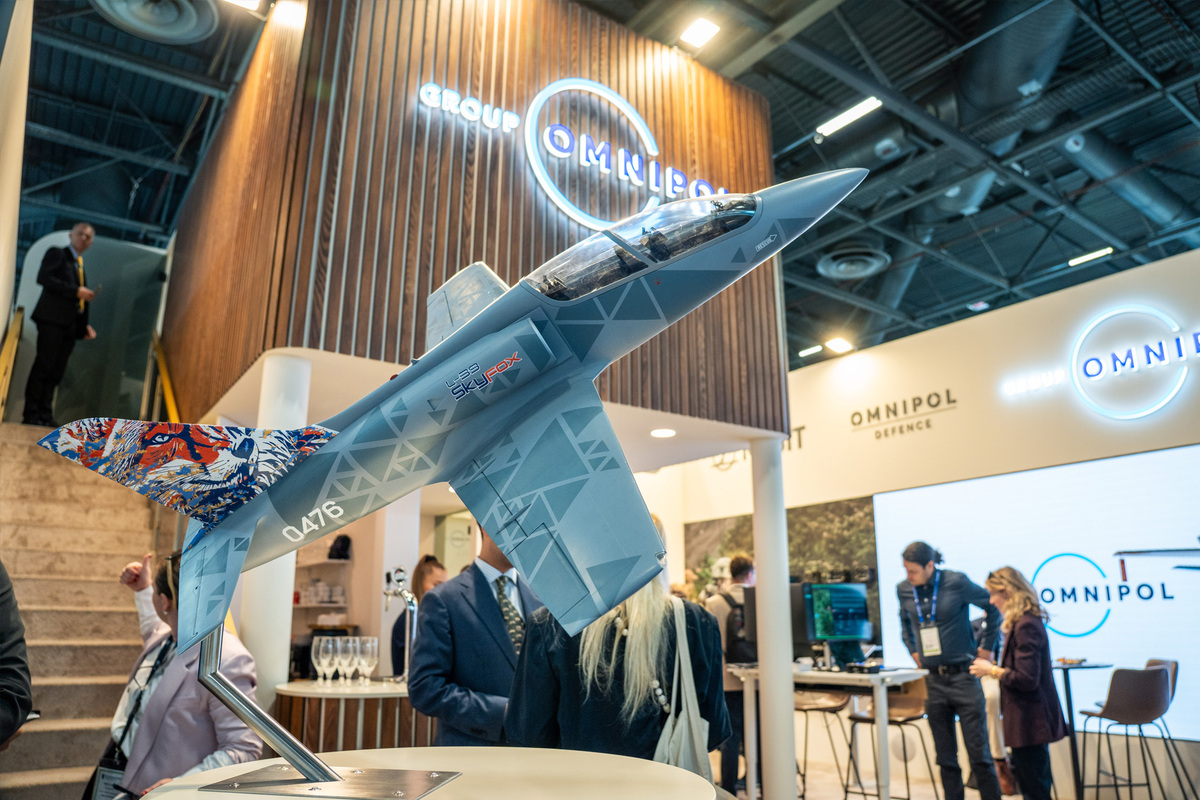
“Omnipol Defence’s role is to serve as an integrator of the entire group’s products and to create comprehensive solutions for customers,” said Marek Somol, marketing director of the Omnipol Group. However, the Ukrainian battlefield influences more than just the development of electronic systems and air defense. It also plays a significant role in the development of small arms.
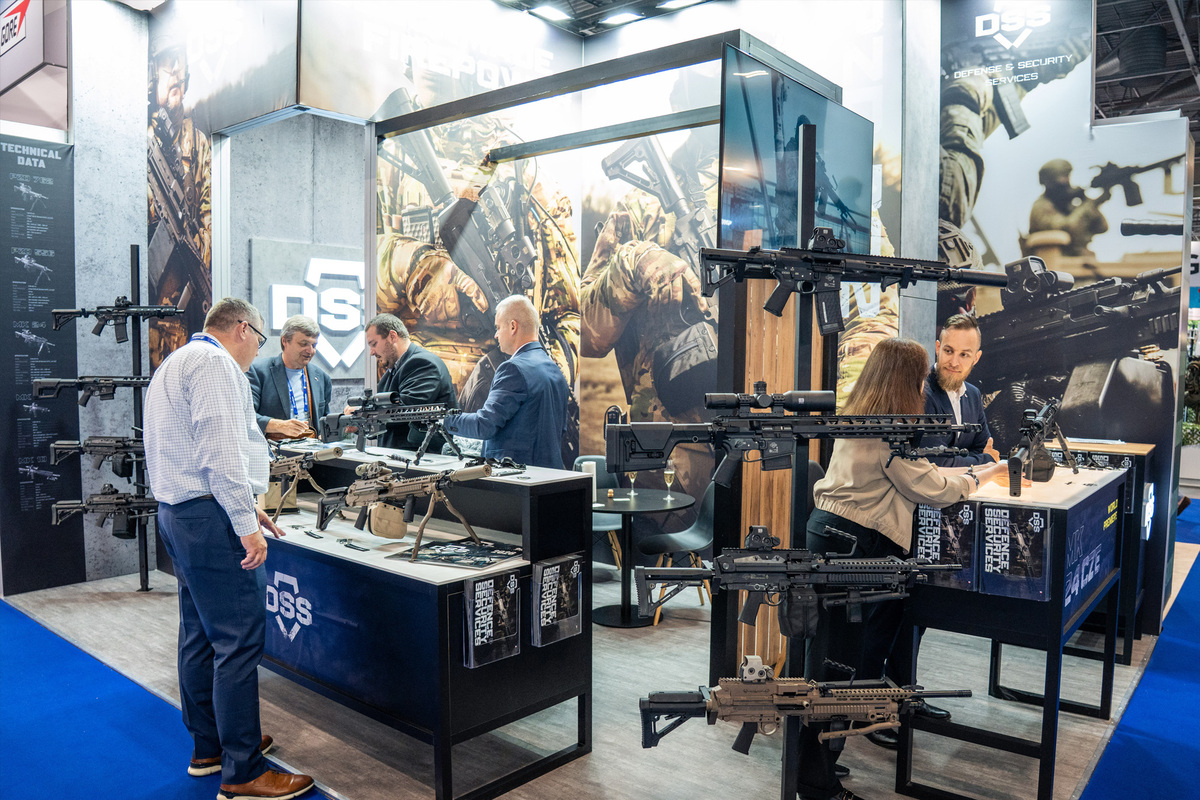
Proof of this is the Czech company DSS, which is presenting its own line of machine guns and assault rifles at Eurosatory. The company relies on intensive collaboration with users directly in combat conditions. After the weapons are delivered, technical teams visit the units and gather feedback from soldiers. This feedback is then incorporated into design modifications. The PZ 762 machine gun, chambered in 7.62 × 51 mm, attracted the most attention. It was developed based on a proven design but modified according to experience gained in combat conditions. “We receive feedback from soldiers directly from the front lines and then implement changes into production,” explained Jan Vokoun, Business Development Manager.
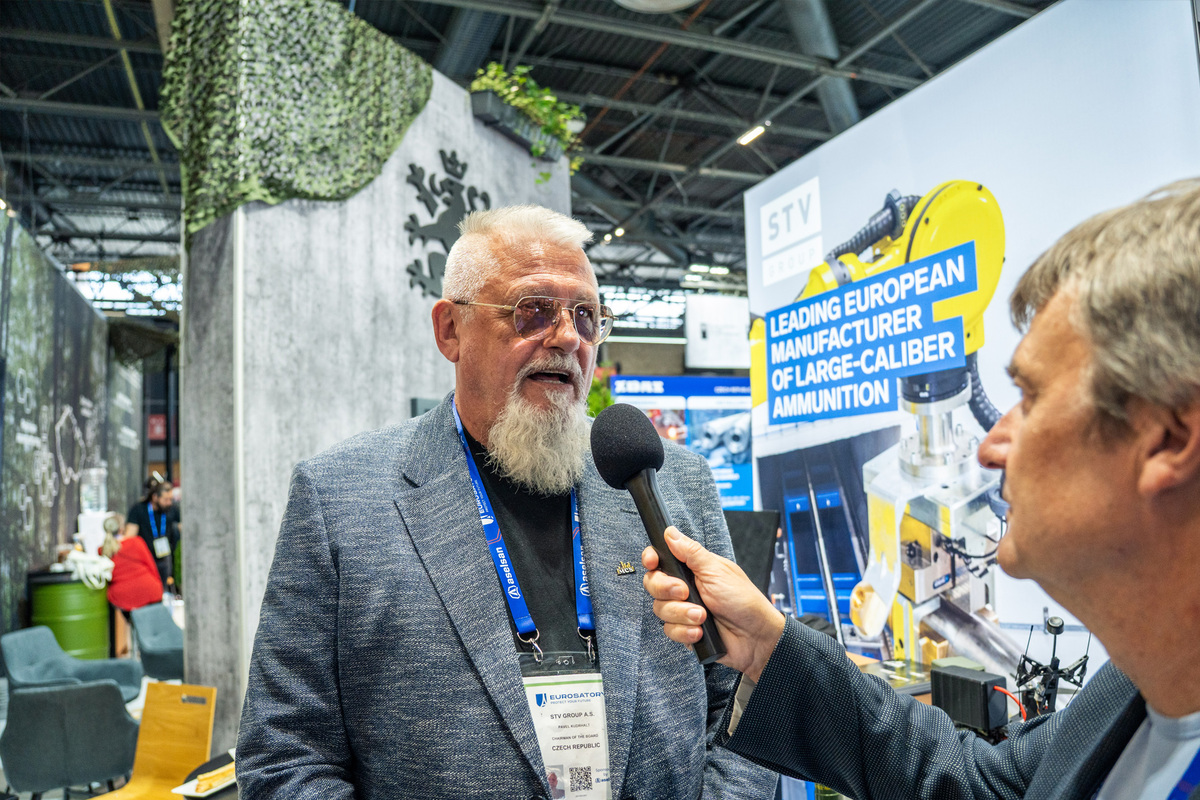
In addition to weapons, ammunition production remains one of the most important topics. The STV Group in Paris is showcasing both small-caliber ammunition and 155-mm artillery shells, including variants with an extended range exceeding 40 kilometers.
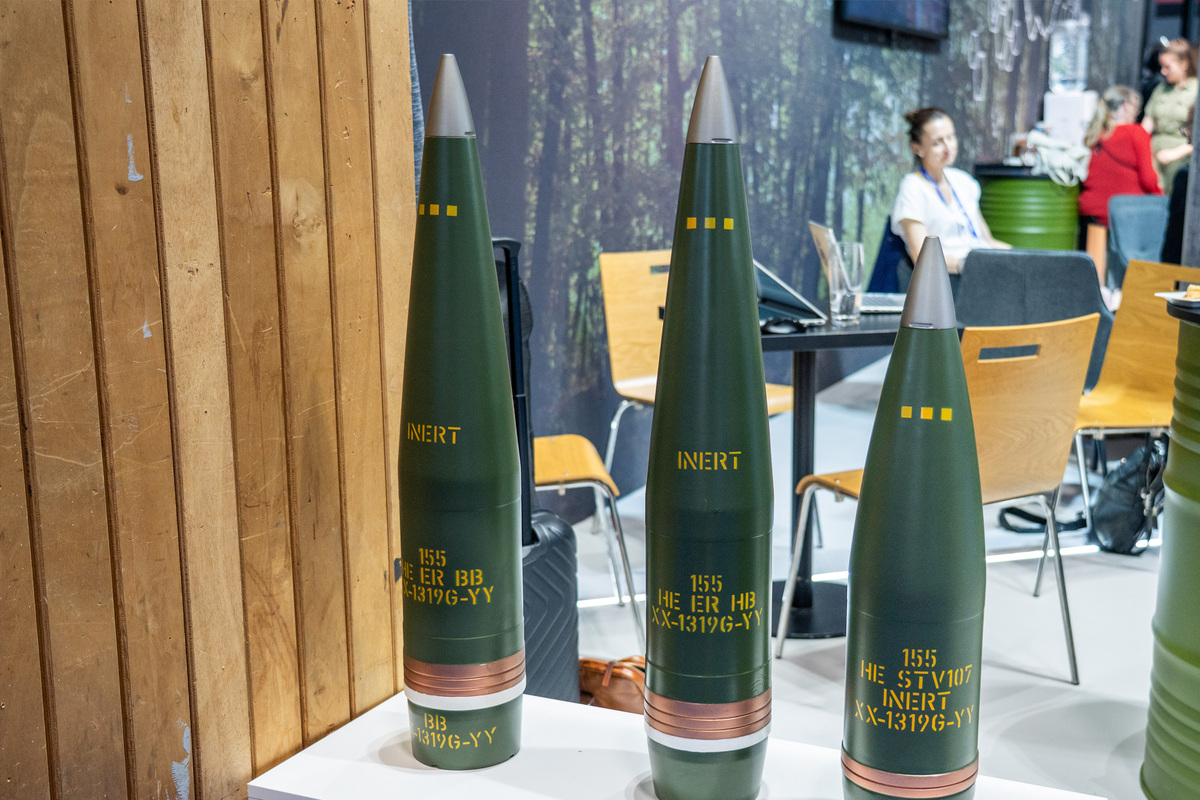
Pavel Kudrhalt, Chairman of the Board of Directors of STV Group, pointed out that even if the war in Ukraine were to end, the defense industry would not lose its importance. “It will be necessary to replenish stockpiles not only in Europe but also in other countries that support Ukraine,” he said during the presentation. Furthermore, a significant portion of development efforts is shifting toward new types of ammunition designed to combat unmanned aerial vehicles.
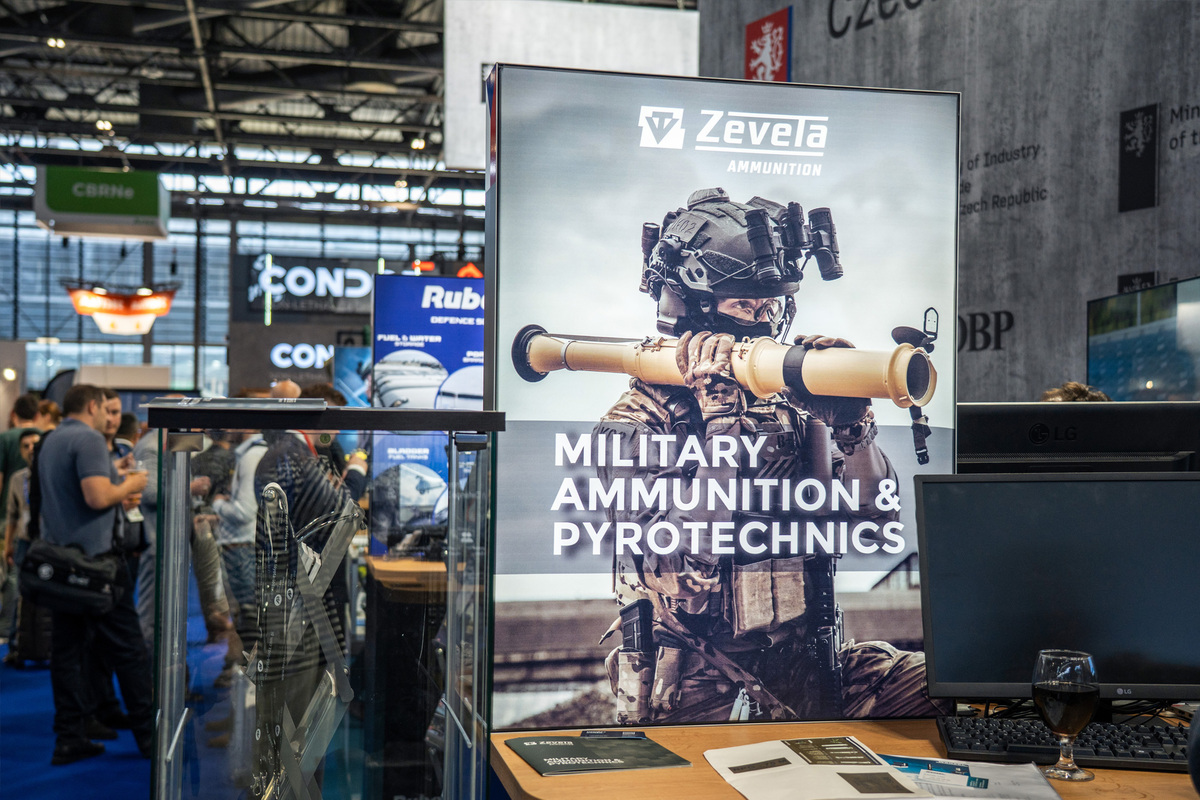
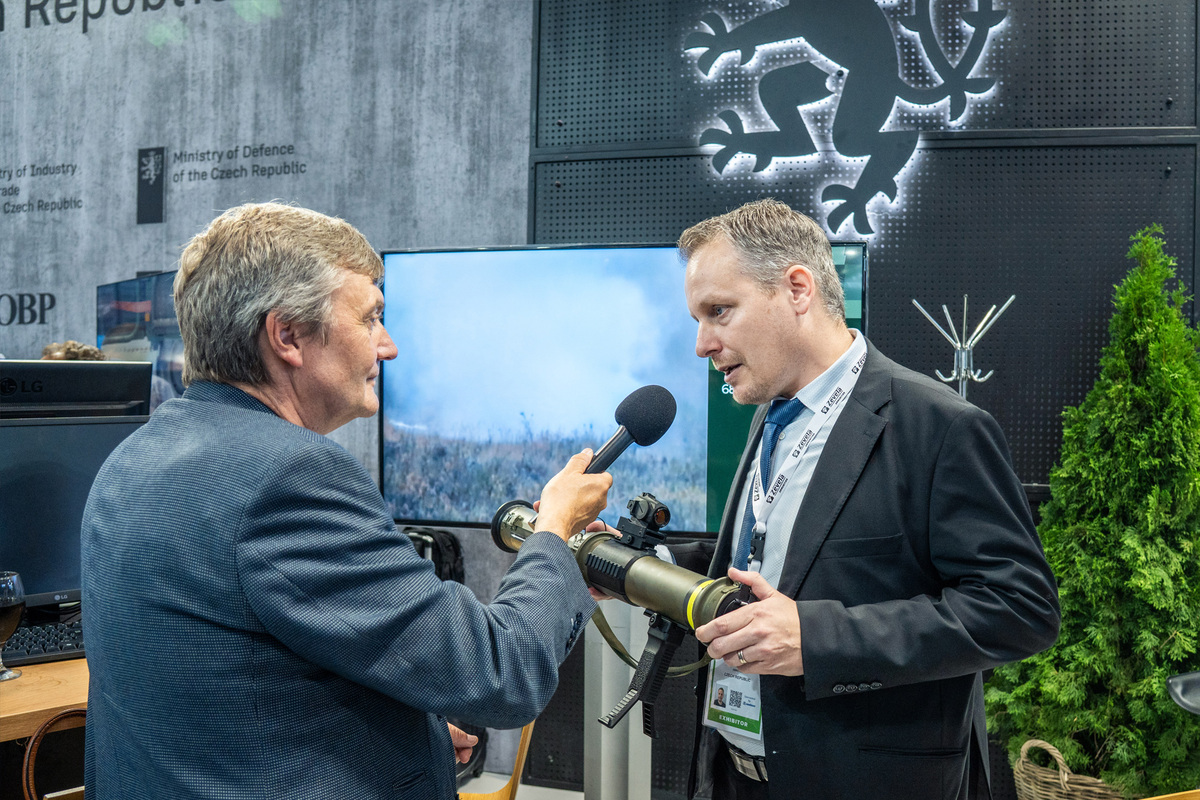
ZEVETA also has its traditional spot at the trade show. The company unveiled an upgraded version of the well-known RPG-75 anti-tank weapon, which has undergone extensive technological modernization. At the same time, the manufacturer is expanding its lineup of HG-22 hand grenades. The thermobaric variant, the HG-TB – which was introduced into service with the Czech Army last year – attracted particular attention.
In an interview, Tomáš Hrádek, CEO of ZEVETA Ammunition, also emphasized that the modernization of the company’s production does not concern only the ammunition itself, but also the possibility of integrating new optical systems, sights, and other accessories that enhance the effectiveness of the products offered.
A look at this year’s Eurosatory confirms that unmanned aerial vehicles and air defense systems are among the fastest-growing segments of the defense industry today. According to Jakub Karas, president of the Alliance for the Unmanned Aerial Vehicle Industry, this is evident in virtually every exhibition hall. “When you look around, you can see that drones and air defense are among the main trends today. Their presence is constantly growing, and more and more companies are offering solutions based on real-world experience from Ukraine,” says Karas.
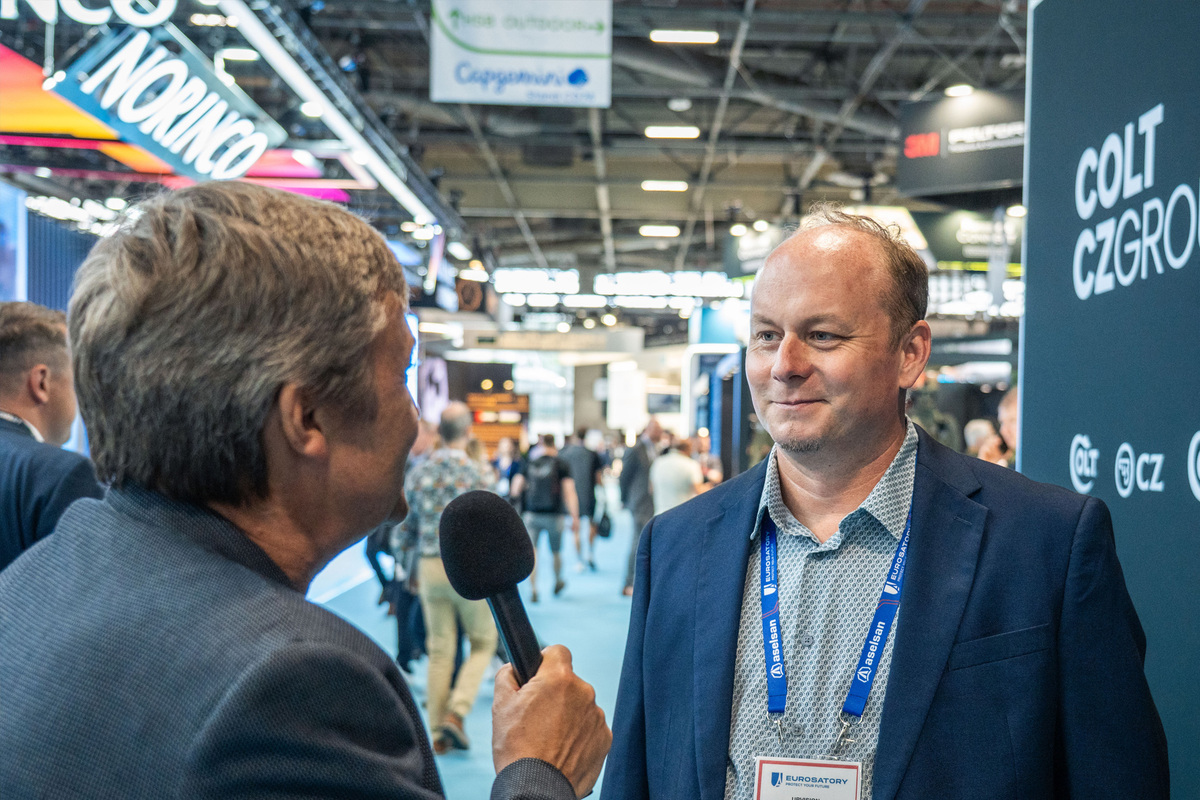
According to him, it is precisely the Ukrainian battlefield that is fundamentally changing the way new technologies are developed. “These days, it’s no longer enough to develop a product and leave it unchanged for several years. Modern technologies evolve practically nonstop and respond to battlefield experience within a matter of weeks,” he explains. According to Karas, Czech companies demonstrated at this year’s Eurosatory that they can hold their own against European competition. “The Czech Republic isn’t playing in the second division here. We have companies that can offer their own development, their own technologies, and their own solutions. And that was very evident at this year’s event.”