














Jaromír Zůna: We Need to Prepare Acquisition Projects Before the Money Becomes Available
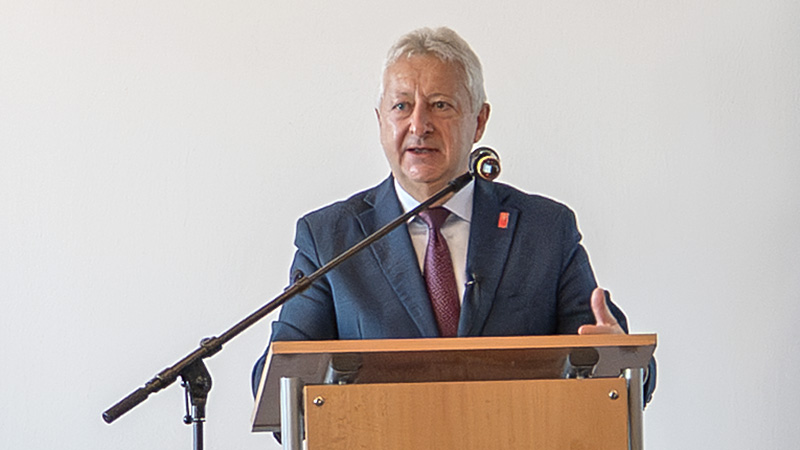
The pace of technological development is placing ever-greater demands not only on the Czech Armed Forces but also on the defense procurement system itself. According to Defense Minister Jaromír Zůna, the main problem is not merely the length of procurement processes but, above all, the lack of project readiness when funding or a new technological opportunity becomes available. In an interview with CZ DEFENCE – conducted during the 6th Armament Conference in Ostrava, which focused on the modernization of the armed forces in the context of rapid technological growth – the minister also discussed cooperation with the Czech defense industry, the NATO DIANA program, the involvement of research institutions, and the current status of the SPYDER air defense system.
Video: Jaromír Zůna: We need to prepare acquisition projects before the funding becomes available / CZ DEFENCE
According to Jaromír Zůna, the question of the procurement system’s ability to respond to rapid technological developments is not a new one. He notes that the Ministry of Defense has long been amending legislation and internal regulations, though a certain tension between the speed of technological development and the pace of the ministry’s processes will continue to exist. Therefore, according to the minister, it is crucial for the military to have a pre-prepared pool of projects that will enable it to respond quickly to new technologies, offers, or changes in the security environment. “Fortune favors the prepared,” said Zůna, adding that the preparation phase in particular needs to be significantly strengthened.
In his view, the development of the military’s capabilities should not be determined from the outset by how much money is currently available. First, the ambitions, future needs, and capabilities the military aims to build must be defined, and only then should their funding be addressed. According to Zůna, current practice too often leads to project preparation not getting fully underway until it is likely that budget funds will be available for it. When the funds actually arrive, a prepared project is often missing.
Closer collaboration between the Ministry of Defense, scientific and research institutions, and the Czech defense industry should also play a significant role in modernization. According to the minister, this cooperation must begin as early as the development phase of new technology, not only when the final product is ready.
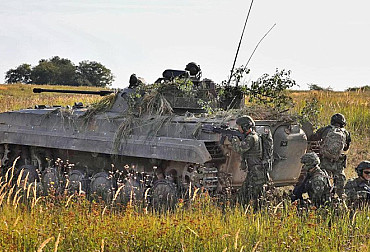
Zůna praised the achievements of the Czech defense industry in both domestic and foreign markets. He also noted that the ministry is preparing legislative changes designed to make it easier for the industry and research institutions to test and validate new technologies using the Czech Army’s equipment and training facilities. According to the minister, limited opportunities for practical testing are currently among the factors slowing down the adoption of new solutions.
The defense minister also sees potential in NATO’s DIANA innovation accelerator, for which he himself worked in the past. Under rules being implemented in some NATO countries, successful companies can gain the opportunity for more direct involvement in public procurement. However, Czech legislation does not yet provide for a similar mechanism, and according to Zůna, it will be necessary to amend it accordingly.
The minister described cooperation with the domestic defense industry as an “absolute priority.” According to him, relations between the Ministry of Defense, the Association of the Defense and Security Industry of the Czech Republic, the Chamber of Commerce, and individual companies should be intensive, continuous, and transparent.
Zůna also illustrated the importance of Czech suppliers with current procurement figures. According to him, the Ministry of Defense has concluded more than 300 new procurement contracts this year, of which only 18 involve foreign suppliers. He stated that the ministry’s goal is not only to acquire the capabilities needed by the military but also to channel as much funding as possible into the domestic industry.
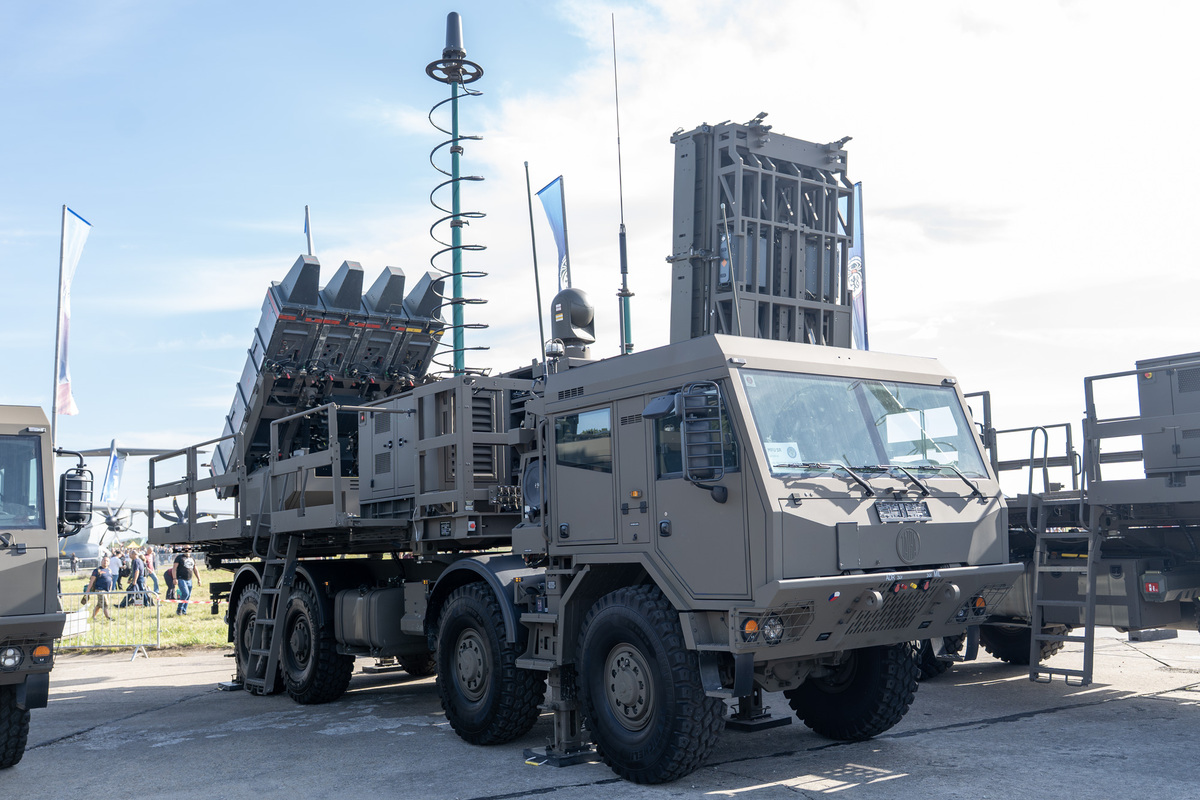
The minister also commented on current modernization projects. Regarding the Israeli SPYDER air defense system, he stated that all four batteries being procured are already in the Czech Republic and have undergone military testing. Their further integration into the Czech Army’s air defense system will follow.
At the same time, the Ministry also aims to develop its human resources. It has prepared a pilot program to train reserve officers while they are studying at civilian universities. The project was developed over several months in cooperation with the Karlovy Vary Region, and according to Zůna, it represents another step toward a broader, society-wide approach to defense and security.
It is clear from the interview with the defense minister that further modernization of the military will not depend solely on the amount of available funding. Equally important will be the ability to prepare projects well in advance, to more quickly connect the military with research and industry, and to continuously amend legislation so that it can keep pace with technological developments.