




The Czech Defense Industry as a Strategic Force: The Capabilities and Importance of Domestic Manufacturers for European Defense
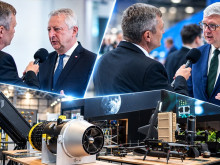
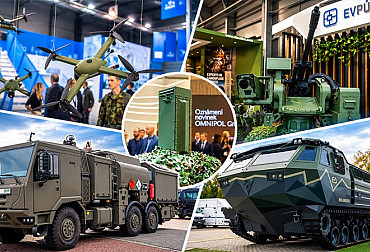
The Czech defense industry is one of the key pillars of national security and, at the same time, a significant part of the European defense industrial base. Manufacturers of military vehicles, weapons systems, ammunition, and specialized technologies are expanding their capacities, investing in development, and gaining an increasingly strong foothold in foreign markets. This year’s Future Forces event in Letňany, Prague, offered an opportunity to showcase specific products and discuss the future of Czech companies, their involvement in the modernization of the Czech Armed Forces, and strategic international cooperation projects. Studio CZ DEFENCE therefore welcomed representatives from major domestic manufacturers, state-owned enterprises, and the Ministry of Industry and Trade to discuss the current opportunities and prospects for the Czech defense industry.
Video: The Czech Defense Industry as a Strategic Asset: The Capabilities and Importance of Domestic Manufacturers for European Defense / CZ DEFENCE
The Future Forces 2026 international trade fair, which took place on October 21–23 at the PVA EXPO PRAHA exhibition center in Letňany, confirmed the growing importance of the Czech defense industry in today’s security environment. Domestic companies showcased modern ground vehicles, weapon and ammunition systems, air defense technologies, and solutions designed for the logistical support of the armed forces. Beyond specific products, however, the central question was how to ensure the Czech Republic’s long-term industrial readiness while simultaneously strengthening the ability of European nations to respond to growing security threats. The war in Ukraine has fundamentally transformed the perspective on how the defense industry operates. In addition to the technological sophistication of individual weapon systems, the ability to rapidly scale up production, ensure the supply of spare parts, keep equipment operational, and respond flexibly to lessons learned from its combat deployment is coming to the forefront. Industrial capacity is thus becoming an integral part of a nation’s defense capability.
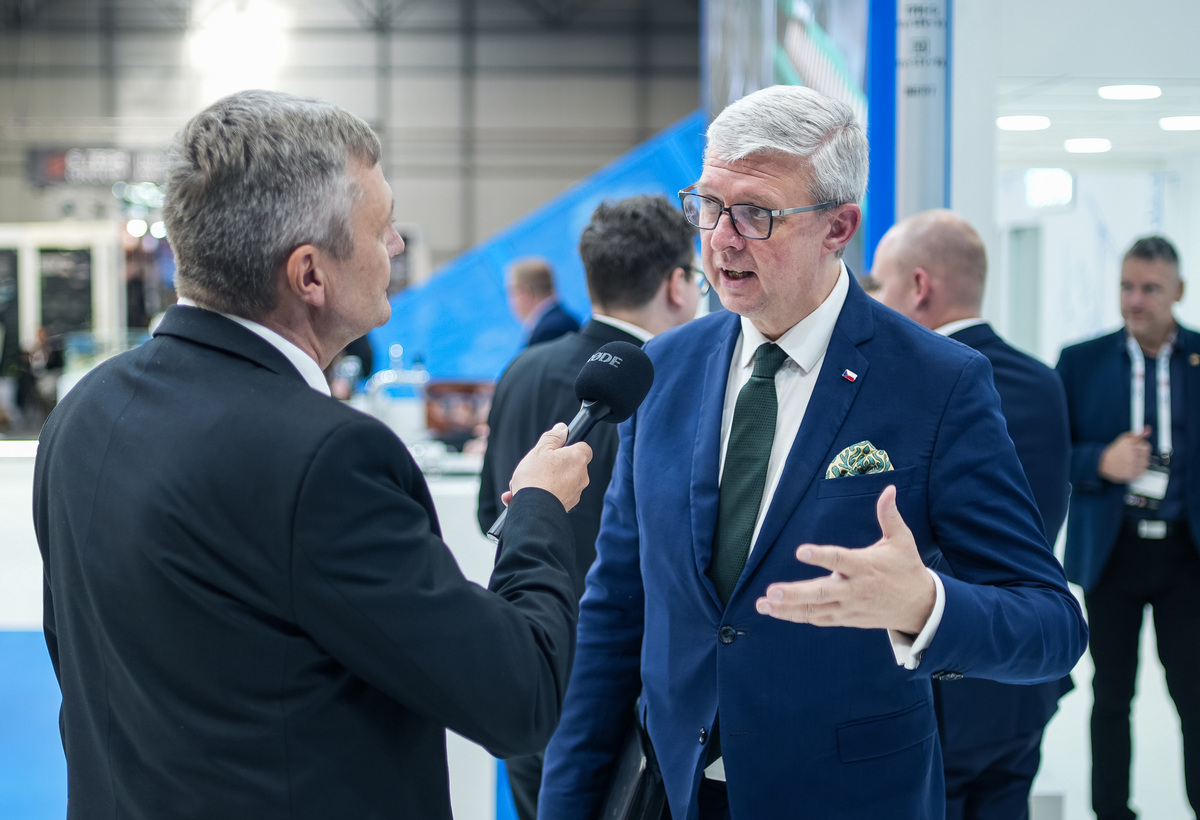
Minister of Industry and Trade Karel Havlíček, who was one of the guests on the CZ DEFENCE program, focused precisely on the interconnection between defense and industrial policy. The significance of the Czech defense industry, however, extends beyond the mere supply of military equipment. It is a strategic sector that creates highly skilled jobs, supports technological development, and strengthens the Czech economy’s export capabilities. Coordination between the Ministry of Industry and Trade and the Ministry of Defense is also a key issue. While the Ministry of Defense defines the needs of the armed forces and implements modernization projects, the Ministry of Industry and Trade focuses on creating conditions for the development of domestic companies, supporting exports, and fostering international industrial cooperation. Their interconnection can significantly influence the extent to which Czech companies participate in strategic defense programs.
For domestic manufacturers, predictability is of paramount importance. Investments in production facilities, specialized technologies, and research capabilities require a long-term perspective. If companies are to respond to growing European demand, they need not only new orders but also a stable environment in which to fulfill them.
From Armored Vehicles to Ammunition: The Manufacturing Potential of Czech Companies
The Czechoslovak Group (CSG), an industrial and technology group, holds a significant position in the domestic defense industry; its companies operate in the fields of ground military equipment, ammunition, radar systems, and other defense technologies. Thanks to its extensive manufacturing and R&D capabilities, the group is able to integrate several interrelated segments of the defense industry and offer customers not only individual products but also more comprehensive solutions.

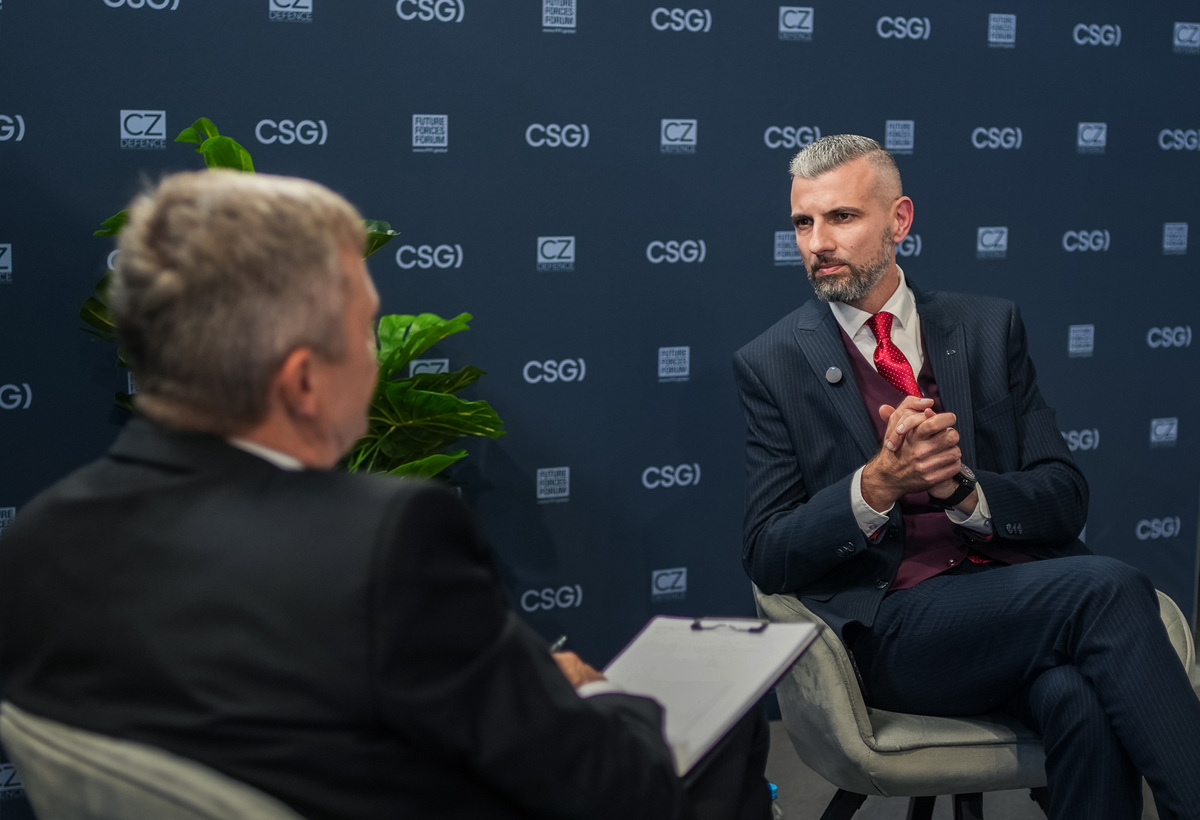
One of its key companies is Excalibur Army, which specializes in the development, production, modernization, and servicing of ground military equipment. Its portfolio includes armored and special-purpose vehicles, artillery systems, engineering equipment, and other gear for ground forces. The company also leverages its ability to integrate various technologies into proven automotive platforms and tailor the resulting solutions to specific customer requirements. During Future Forces, Excalibur Army CEO Adam Liška presented the company’s direction and its capabilities in the field of modern ground equipment.
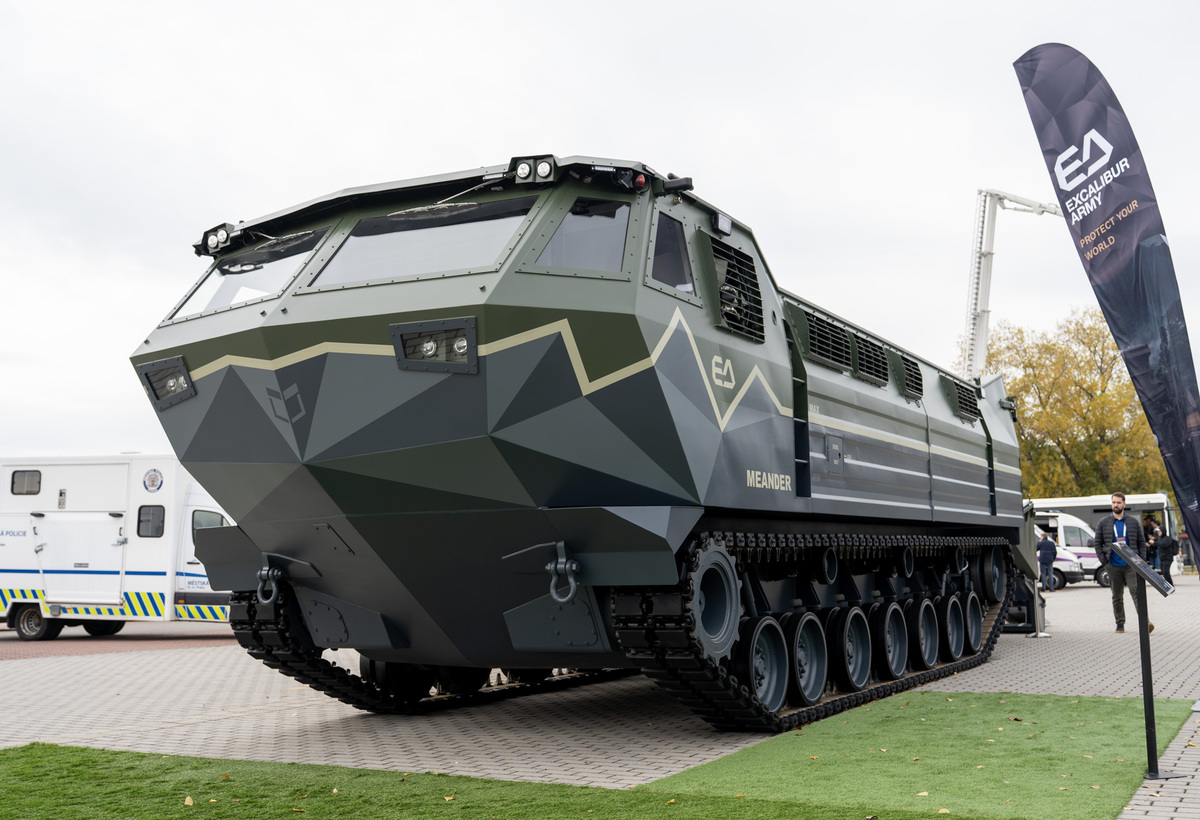
A notable example of these development efforts is the new Meander amphibious vehicle, the first prototype of which was unveiled at the trade show. The vehicle is being developed in collaboration with New Space Technologies and builds on experience gained in the development of specialized amphibious platforms. The collaboration between the two companies demonstrates how established military equipment manufacturers can leverage the technological capabilities of smaller, specialized companies.
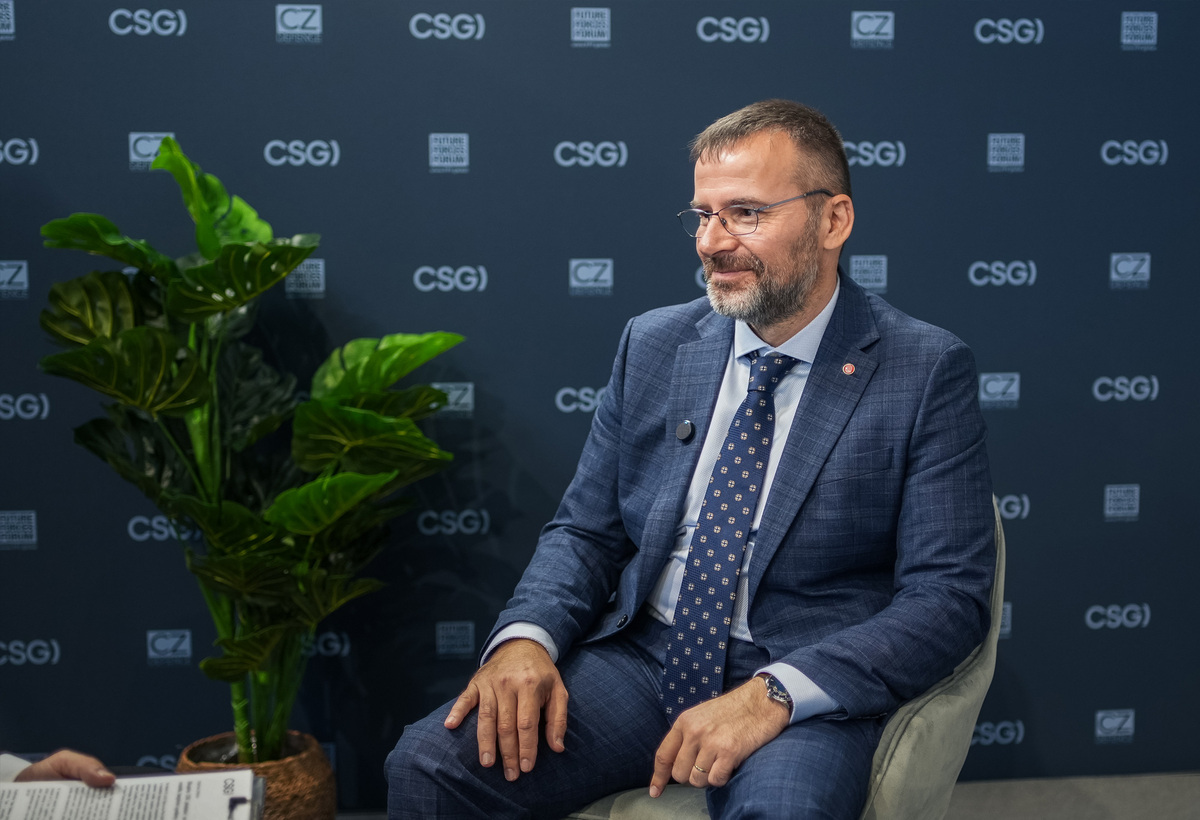
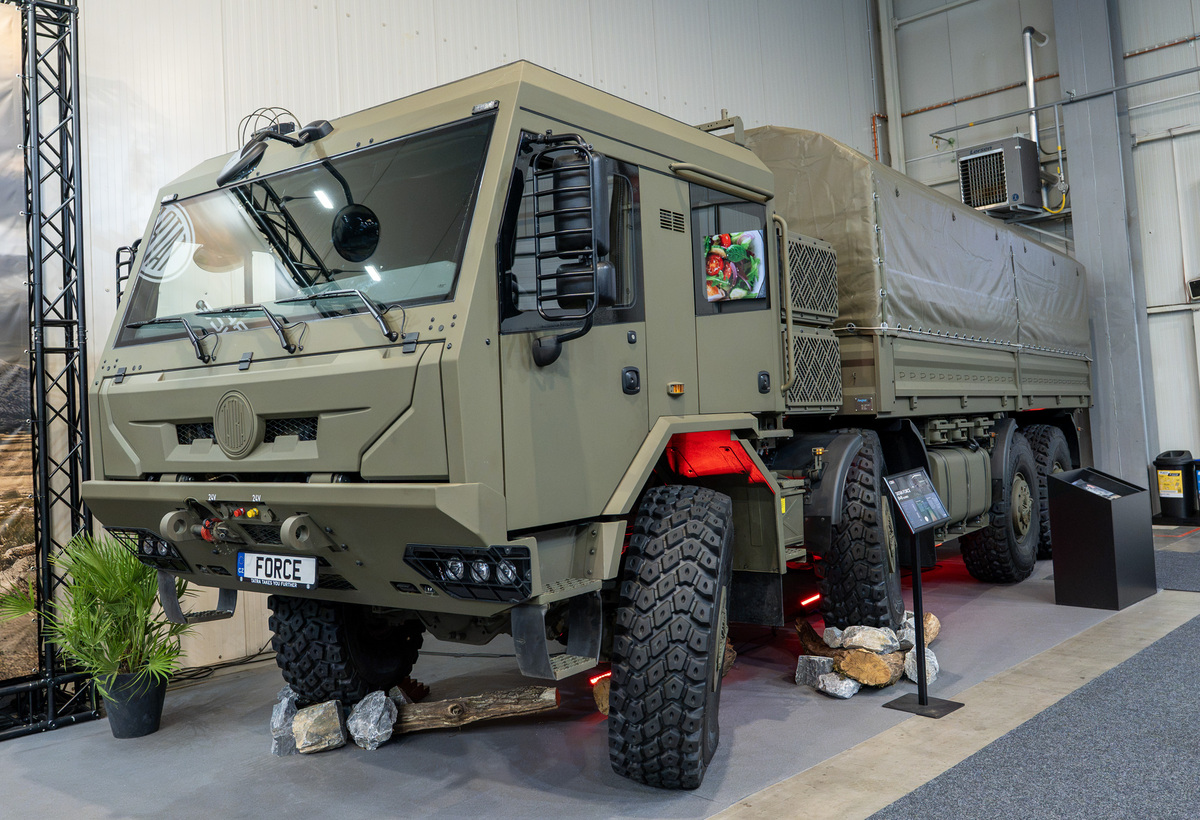
Tatra vehicles are also a key component of Czech land vehicle production. Their chassis platforms form the basis for a wide range of military systems, from logistics and transport vehicles to special superstructures and artillery equipment. The unique design of the Tatra chassis allows for use in challenging terrain and provides the foundation for integrating a wide range of military technologies. Vladimír Sokolovský, Commercial Director of Tatra Export, discussed the importance of Czech automotive platforms and their application in foreign markets during the CZ DEFENCE studio segment. Export, in particular, represents an important opportunity for domestic manufacturers to expand production capacity, invest in further development, and strengthen their position in international supply chains.
The significance of automotive platforms extends beyond vehicle production itself. A modern military chassis forms the foundation of a comprehensive system that can integrate communication equipment, sensors, weapon systems, and specialized equipment. The ability to manufacture and further develop its own platforms therefore represents a strategic advantage for Czech industry.
A separate chapter is dedicated to ammunition production, the importance of which has grown significantly in connection with the war in Ukraine and the need to replenish the stockpiles of European armies. The MSM Group, which is also part of the CSG, operates in this field. Its portfolio includes, in particular, large-caliber ammunition, ammunition components, and related manufacturing and technological activities. During the trade show, Ondřej Tomášek, a representative of the MSM Group, outlined the group’s current focus and its activities in the ammunition industry.
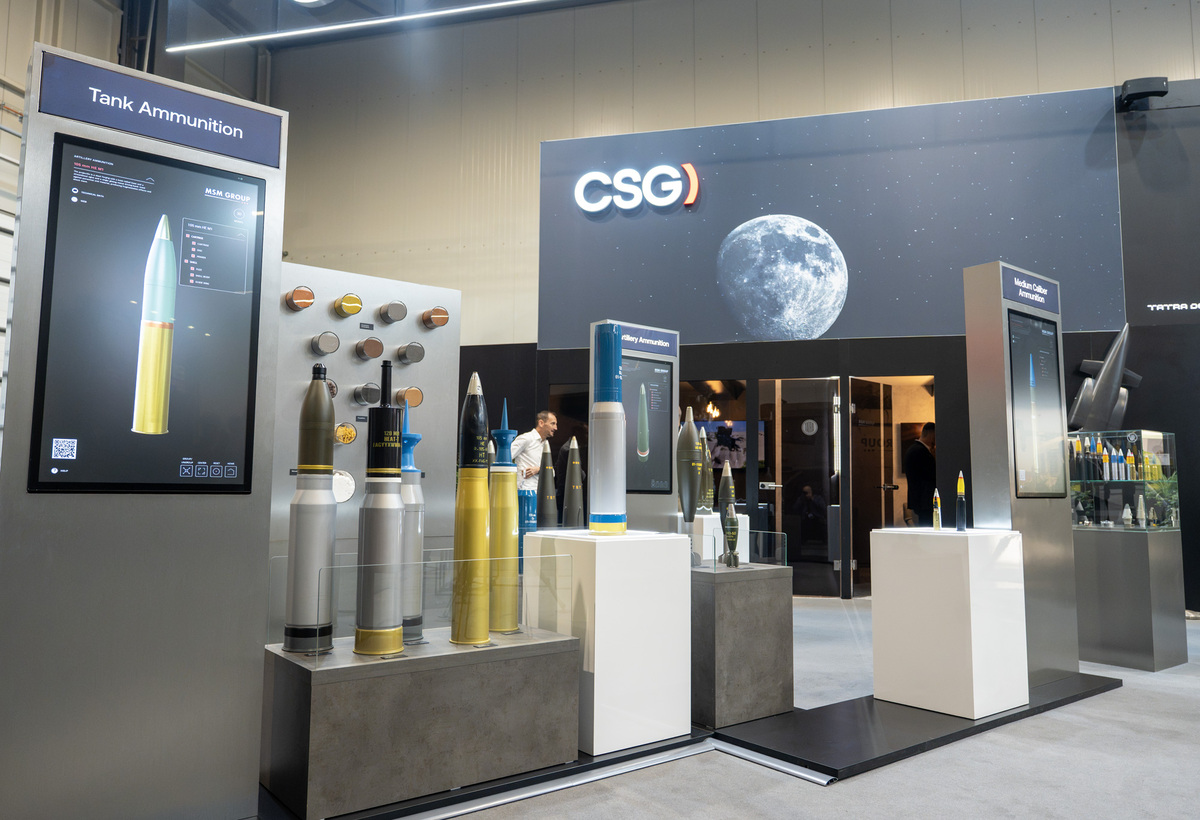
This sector is characterized by high technological and investment intensity, which requires long-term planning, stable supplier relationships, and sufficient predictability of future demand. Experience in recent years shows that production capacity cannot be established immediately. Building such capacity involves investments in infrastructure, technological equipment, skilled workers, and securing raw materials. The ability to maintain and develop European ammunition production is therefore becoming one of the key issues in security policy.
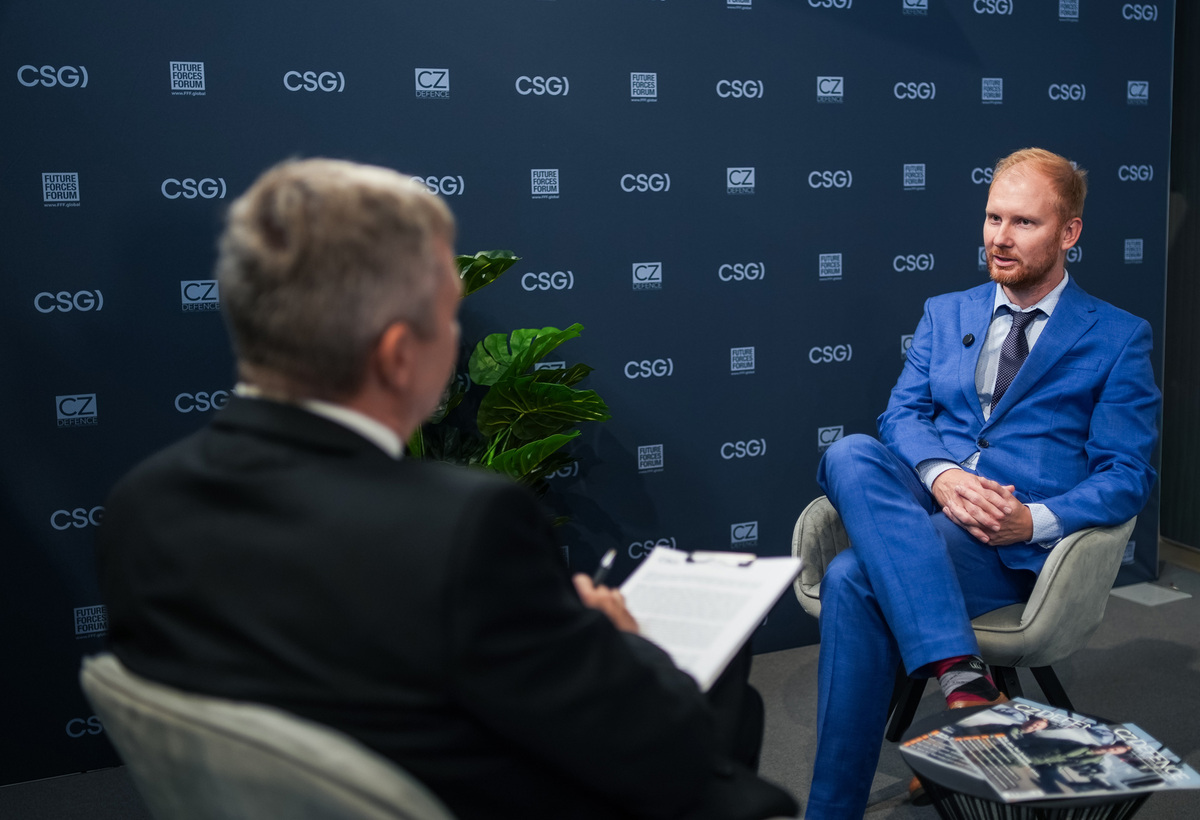
The STV Group also holds a prominent position among Czech ammunition manufacturers. The company is active in the production and supply of ammunition, military equipment, and related services. Its activities contribute to preserving domestic industrial capabilities in a segment that is essential for the long-term sustainability of the armed forces. During Future Forces, Tomáš Rubáček, Chairman of the Board of Directors of STV Group, discussed the development of the company’s portfolio and the demands that the modern battlefield places on manufacturers of ammunition and military equipment. From the perspective of the Czech Republic’s defense capabilities, however, the ability to purchase ammunition alone is not decisive. It is also important to have domestic production, storage, and technological capacities, as well as the ability to expand them if needed in times of increased demand.
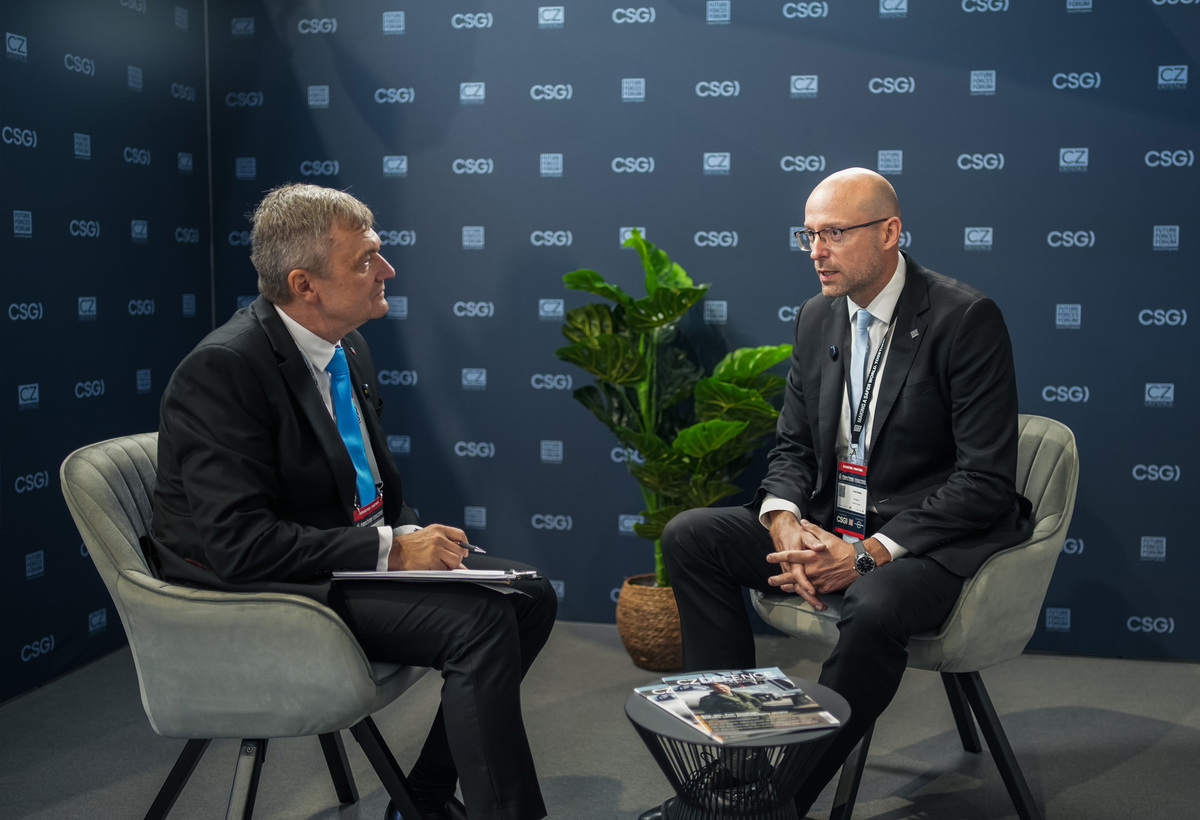
Česká zbrojovka Uherský Brod (CZUB), one of the traditional Czech manufacturers of small arms, also plays a significant role in the Czech defense industry. Its product line includes pistols, assault rifles, submachine guns, sniper rifles, and other firearms intended for the armed forces, law enforcement agencies, and the civilian market. The company is part of the international Colt CZ Group and exports its products to many countries around the world.
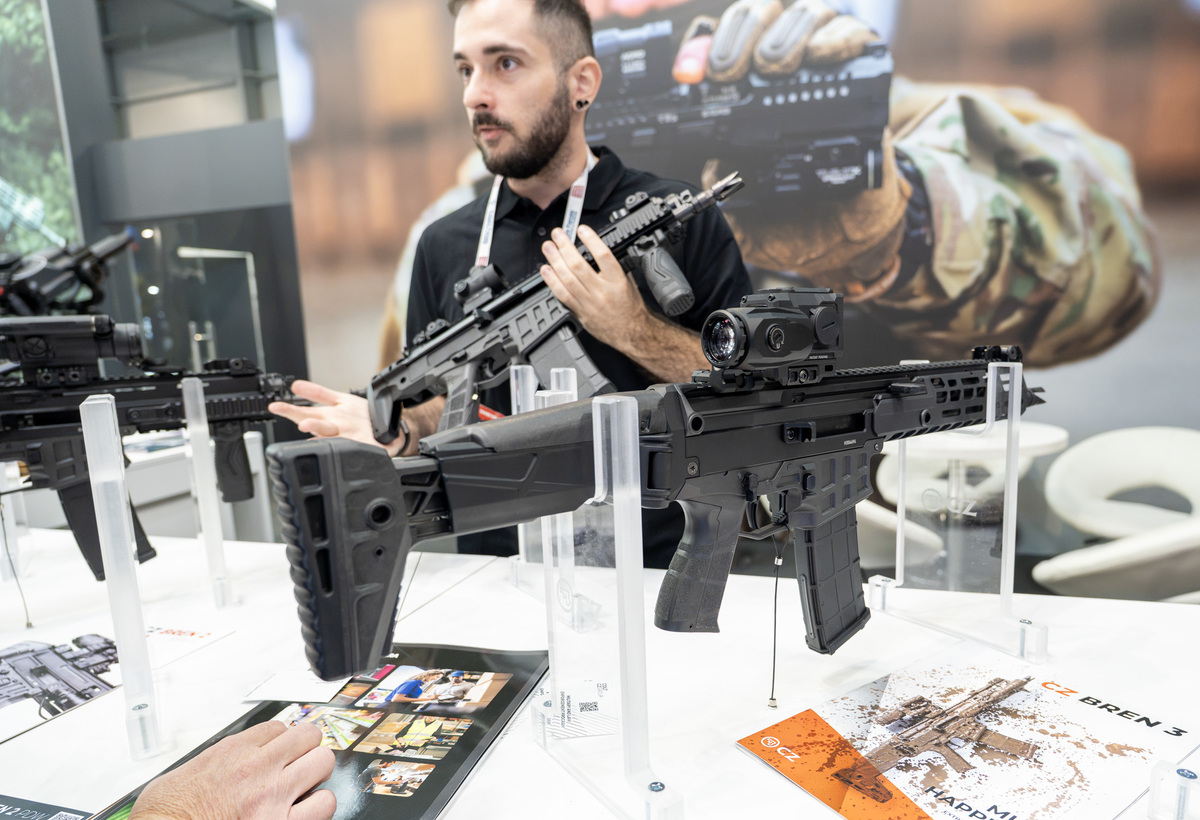
Česká zbrojovka is also one of the major suppliers to the Czech Army, which uses, for example, the CZ BREN series of assault rifles and the CZ P-10 pistol. In addition to manufacturing, an important part of its operations is the in-house development and ongoing modernization of weapon systems according to user requirements. Company representative Tomáš Bouša was among the representatives of traditional Czech manufacturers who showcased their technological capabilities at the CZ DEFENCE exhibition. The significance of this segment of the defense industry lies primarily in its ability to ensure the production, servicing, and further development of small arms through domestic industrial infrastructure. At the same time, it is a sector with significant export potential and high demands on quality, reliability, and the ability to respond to the changing requirements of the armed forces.
State-Owned Enterprises as Part of the Military’s Strategic Infrastructure
In addition to private defense companies, state-owned enterprises under the Ministry of Defense also play an important role in the Czech Republic. Their significance lies not only in manufacturing and providing services, but above all in maintaining the strategic capabilities the state needs to support its own armed forces. One of the most prominent representatives of this sector is VOP CZ, a state-owned enterprise headquartered in Šenov near Nový Jičín. Its activities include the development, production, repair, and modernization of military equipment, system integration, and cooperation with major foreign manufacturers. The enterprise has long focused primarily on ground-based military equipment and provides the industrial infrastructure necessary for its operation throughout its entire life cycle.
VOP CZ Director Vlastimil Navrátil discussed the company’s current direction and its involvement in strategic modernization projects for the Czech Army during an appearance on the CZ DEFENCE program.
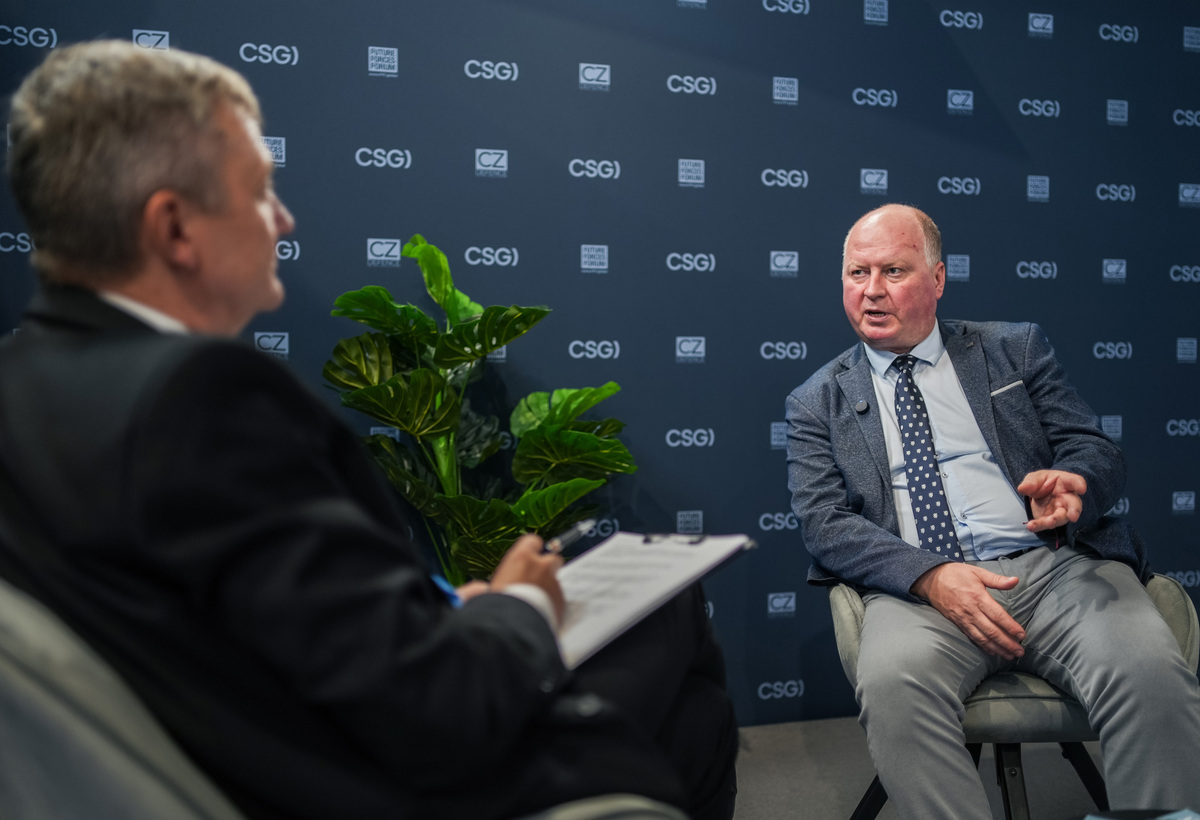
One of the most significant is the CV90 tracked infantry fighting vehicle program, which represents not only a major modernization of the Czech ground forces but also an opportunity for domestic industry to become involved in international manufacturing and supply chains. Industrial cooperation is precisely one of the key prerequisites for the long-term benefits of foreign acquisitions.
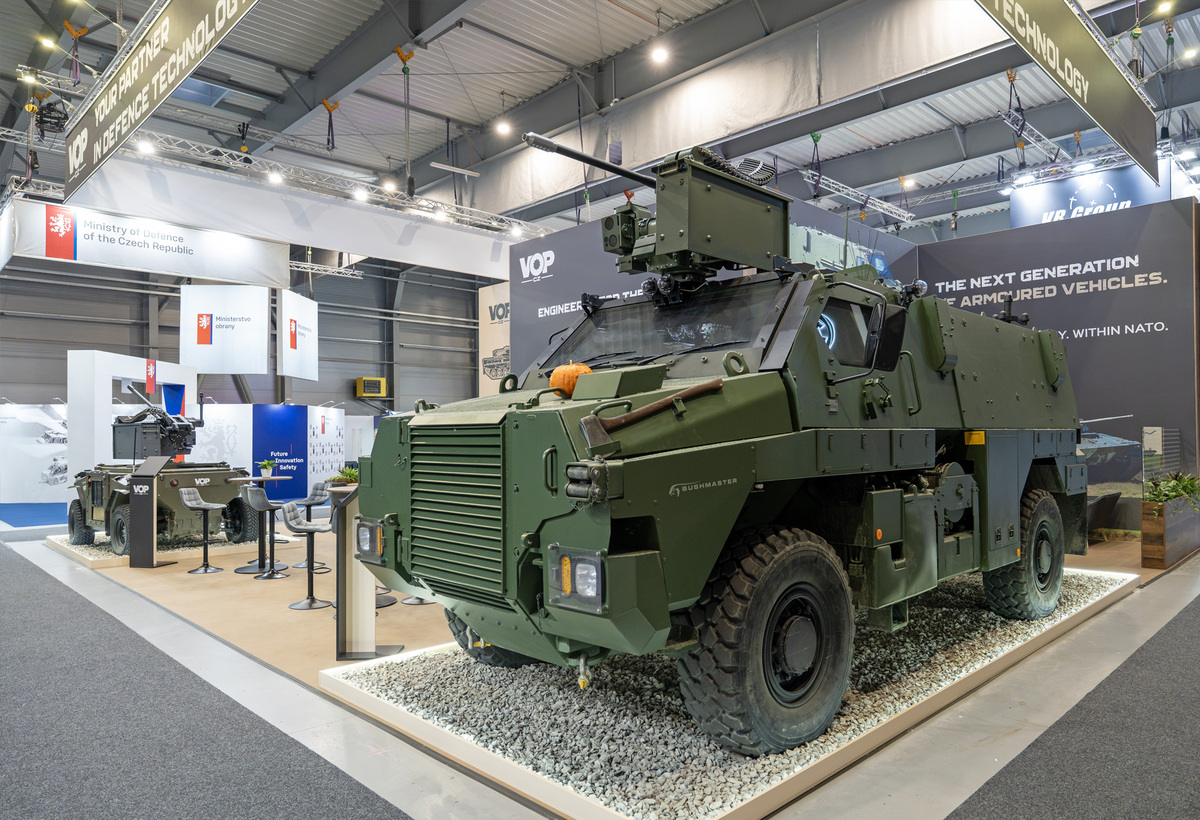
In the case of VOP CZ, it is not merely a matter of participating in the actual production, but also of acquiring technological expertise, the ability to integrate specialized components, and establishing a service infrastructure for the future operation of the procured equipment. Another key area of the company’s development is its collaboration with European manufacturers of armored vehicles, including KNDS. From the Czech government’s perspective, it is essential that modernization projects contribute to maintaining and developing domestic capabilities in the areas of maintenance, repairs, modernization, and the potential production of specialized systems.
Modern combat vehicles can no longer be evaluated in isolation based solely on their firepower or armor protection. Communication systems, data sharing, situational awareness, and the ability to cooperate with other elements on the battlefield are playing an increasingly important role. For the state-owned enterprise VOP CZ, the modernization of the Czech Army thus means not only new production opportunities but, above all, the need to develop professional and technological competencies over the long term.
Another key player in the state defense industry is LOM PRAHA, whose activities focus primarily on aviation technology, helicopter maintenance and repairs, military pilot training, and other specialized services. The company is a vital component of the infrastructure that enables the Czech Republic to maintain its own capabilities in the field of military aviation.
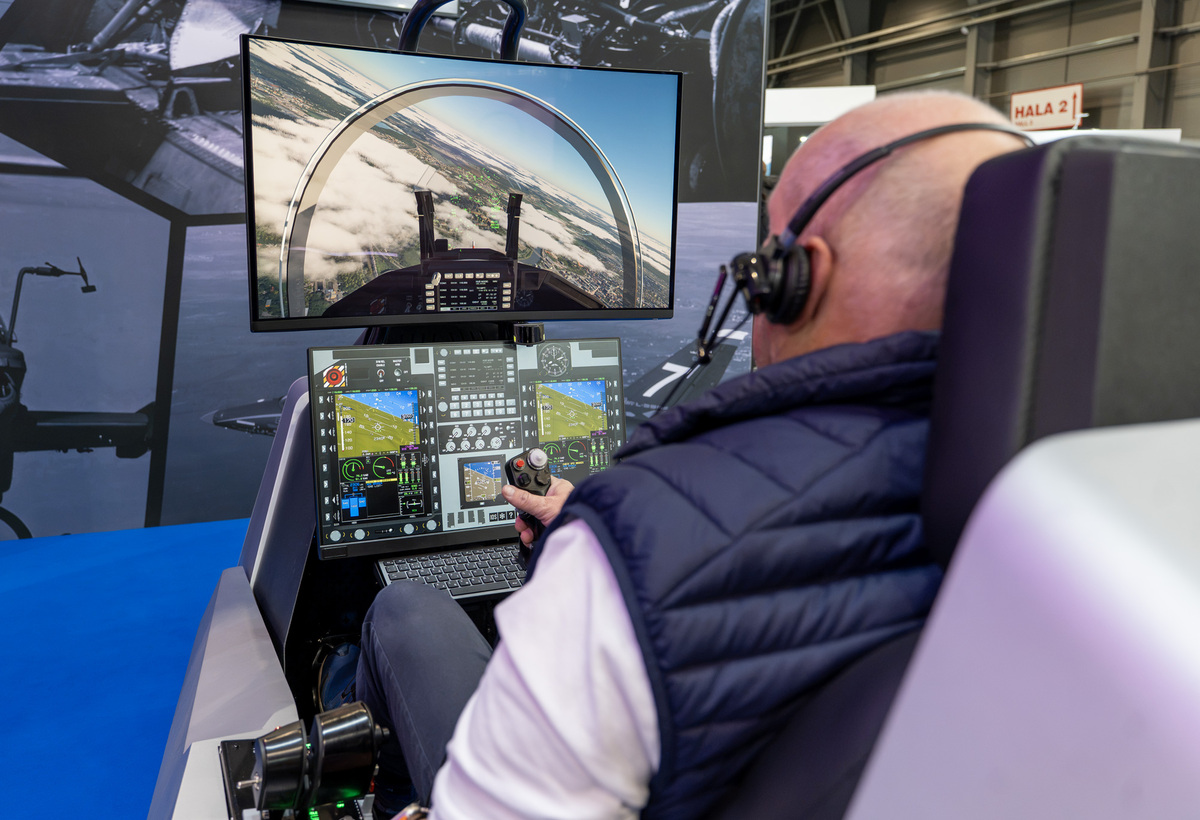
Jiří Protiva, Director of LOM PRAHA, represented the defense industry segment at the CZ DEFENCE studio – a sector that is of critical importance to the functioning of the armed forces, even though it is not always as visible as the production of new weapons systems. The maintenance and repair of aviation equipment, personnel training, and ensuring the operational readiness of military aircraft and helicopters are, in fact, essential prerequisites for their actual operational use. LOM PRAHA has many years of experience, particularly in the repair and modernization of helicopter equipment. At the same time, through its training facilities, it contributes to the training of military pilots and other aviation personnel. Another important focus is adapting these capabilities to the modernization of the Czech Air Force and the gradual introduction of new technologies.
The company’s importance therefore lies not only in providing specialized services, but also in preserving technical expertise and technological capabilities that cannot be easily replaced when needed. While the acquisition of new military equipment tends to attract significant public attention, ensuring its long-term operation, modernization, and the availability of qualified personnel is no less important. The state-owned enterprises VOP CZ and LOM PRAHA thus represent two important components of the strategic infrastructure of the Czech Armed Forces. What they have in common is the ability to maintain and develop capabilities that have a direct impact on the operational readiness of the armed forces and reduce dependence on foreign suppliers.
The Future of the Czech Defense Industry and the Role of the State
The interviews on the CZ DEFENCE show also raised the broader question of how the state can support the development of domestic defense companies while ensuring that their manufacturing and technological capabilities meet the needs of the Czech Armed Forces. The Czech defense industry is not merely a collection of companies supplying military equipment. It is also a source of skilled jobs, technological development, export revenue, and capabilities that could prove crucial in the event of a security crisis.
One of the main topics at Future Forces was therefore the issue of involving Czech companies in major international defense projects. Modern weapons systems are developed through extensive supply chains in which individual companies handle the development, production, and integration of specialized components. For the Czech industry, participation in these projects represents not only an opportunity to secure new contracts but, above all, a chance to acquire advanced technologies, develop its own research capabilities, and gradually transition from the role of a subcontractor to the production of more complex systems.
However, an important question remains: what is the true added value of industrial collaboration? A domestic company’s mere participation in a specific project does not necessarily guarantee long-term technological benefits. What is crucial, above all, is the scope of transferred expertise, involvement in development, access to technical documentation, and the ability to apply the acquired capabilities in other projects as well. The Ministry of Industry and Trade is addressing precisely this issue; it plays a significant role in creating conditions for industrial cooperation, supporting exports, and involving Czech companies in international projects.
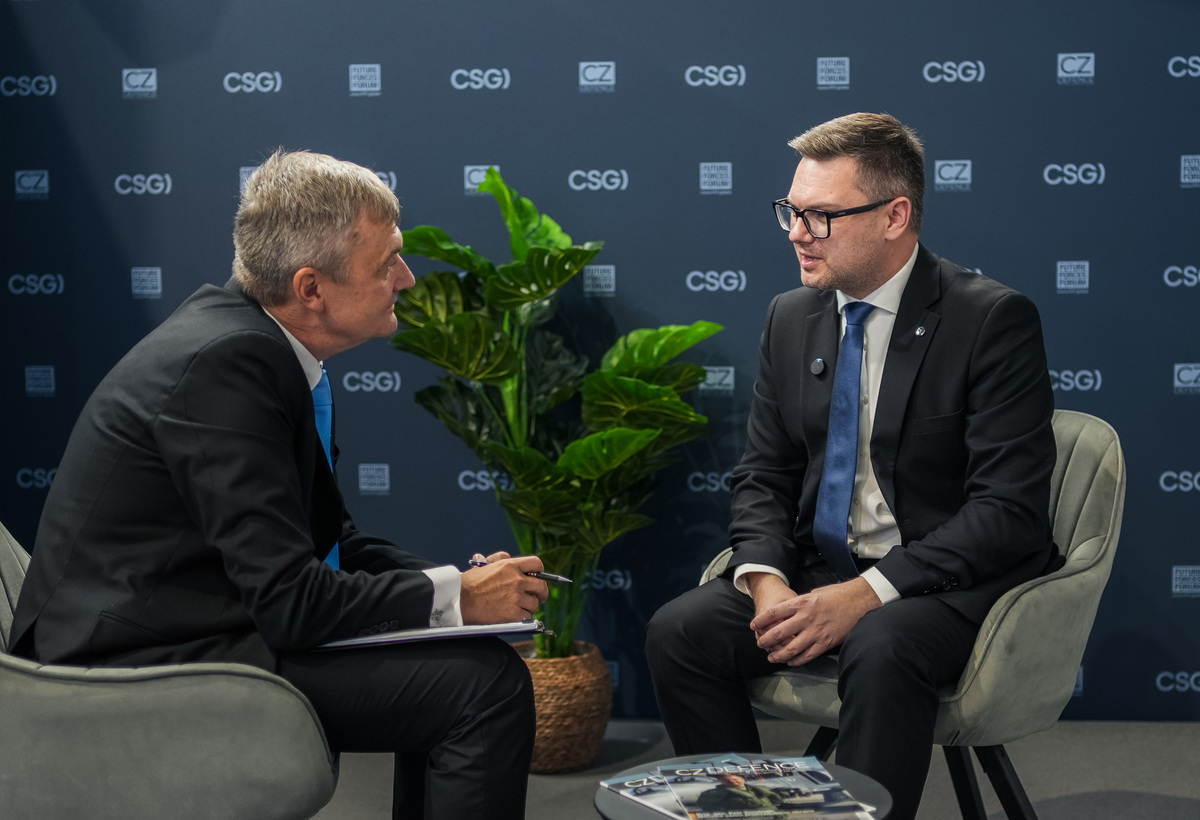
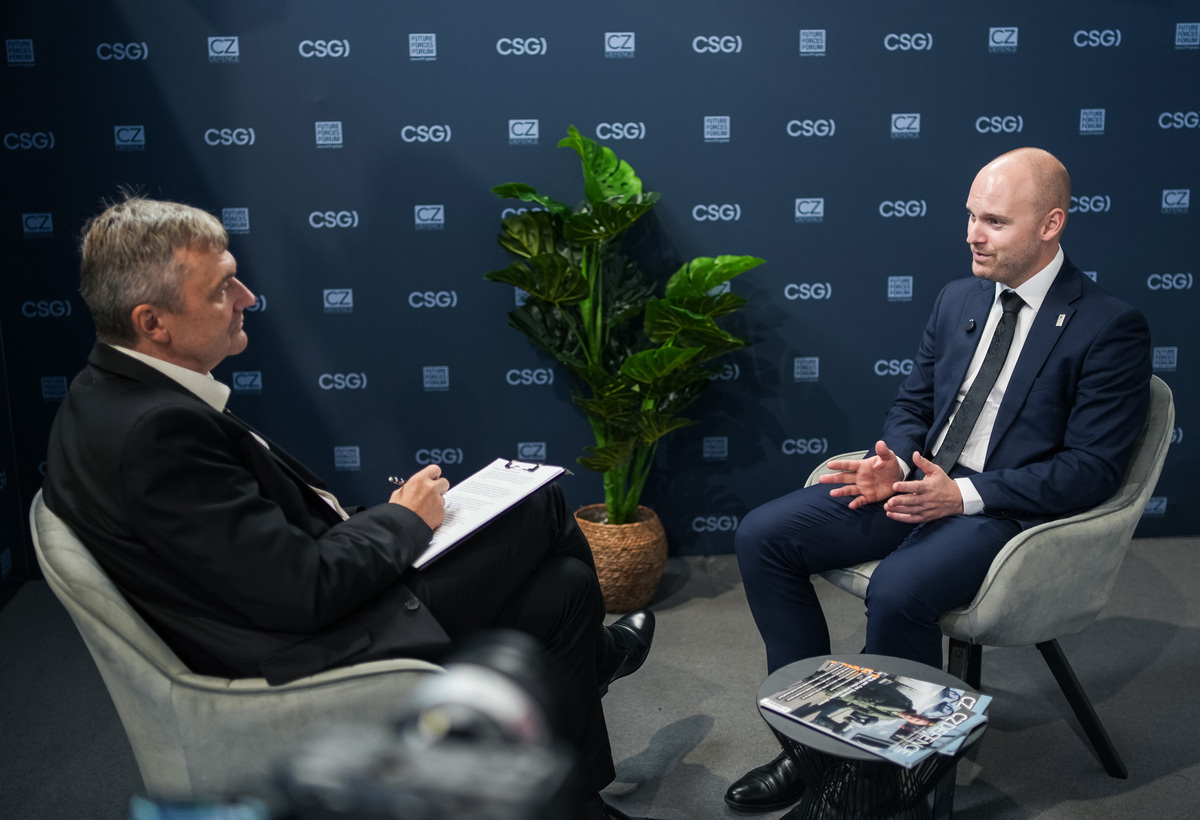
The final guest in the CZ DEFENCE report is Matěj Benda from the Ministry of Industry and Trade. His participation symbolically concludes this overview of the Czech defense industry – from specific production capacities and technological solutions to strategic issues regarding their further development and state support. It is precisely this cooperation between industrial companies, the Ministry of Industry and Trade, and the Ministry of Defense that will be crucial in the coming years for the successful involvement of Czech companies in modernization programs and international supply chains.
From the perspective of Czech manufacturers, it is important not only to be able to secure domestic contracts but also to use them as references for foreign customers. If a particular system is adopted by the Czech Army, this can enhance its credibility and foster further export opportunities.
In this regard, Future Forces 2026 once again demonstrated that the Czech Republic possesses a broad spectrum of industrial capabilities. From the production of heavy ground vehicles and automotive chassis, through the ammunition and defense industries, to specialized technologies, services, and systems integration, there is a domestic industrial base capable of contributing significantly to the modernization of the armed forces. At the same time, however, it is clear that production capacity alone is not enough. What will be decisive is the ability to develop these capabilities over the long term, cooperate with foreign partners, apply domestic technologies, and, above all, align the needs of the military with the capabilities of domestic companies. It is precisely on this basis that the Czech defense industry can further establish itself not only as a major exporter of military equipment but also as a strategic partner of the Czech state and an important component of European defense and security.