












Independent Scout 2026: Czech MADR Unit Demonstrates Readiness for NATO Missions
Continuous airspace reconnaissance, protection of friendly forces, logistical support, and the ability to operate independently. Members of the 26th Command, Control, and Reconnaissance Regiment had to demonstrate all of this during the Independent Scout 2026 certification exercise. The goal of the exercise was to verify that the task force, equipped with modern ELM-2084 MMR radars – known in the Czech Army as MADR – had achieved full operational capabilities. This rigorous evaluation, conducted according to NATO’s TACEVAL standards, represents an important milestone not only for the unit itself but also for the Czech Republic’s ability to contribute to the protection of NATO airspace. The CZ DEFENCE editorial team was there to cover it.
Video: Independent Scout 2026: The Czech MADR Unit Demonstrated Its Readiness to Carry Out Alliance Missions / CZ DEFENCE
Modern military operations place ever-greater demands on the ability to detect and assess threats in airspace in a timely manner. In addition to traditional military aircraft and helicopters, unmanned aerial vehicles and other airborne targets are playing an increasingly significant role in current conflicts, and detecting them is an extremely important task for air defense systems. Therefore, effective airspace protection relies not only on systems capable of destroying enemy targets, but also on radar systems that ensure their timely detection and tracking.
The Czech Army is developing this capability through modern MADR 3D radars, which represent a significant technological advancement in the field of radar reconnaissance. However, their introduction into service is not merely a matter of acquiring modern technology. Equally important is the readiness of personnel, the ability to ensure the continuous operation of the radars, to secure the radar sites, and to create the conditions for the long-term fulfillment of operational tasks.


The Independent Scout 2026 certification exercise, in which members of the 26th Command, Control, and Reconnaissance Regiment participated, was specifically focused on a comprehensive assessment of these capabilities.
From the Deployment of Radars to Full Operational Capability
According to the commander of the 26th Command, Control, and Reconnaissance Regiment, Colonel Zdeněk Patera, achieving full operational capability represents a significant step in fulfilling the Czech Republic’s commitments to the North Atlantic Alliance. “The 26th Command, Control, and Reconnaissance Regiment plays a key role in ensuring the integrity of the Czech Republic’s airspace. To this end, we have the 262nd Radio-Technical Battalion, which conducts airspace reconnaissance using modern MADR 3D radars,” said Colonel Patera.


Preparing the task force for certification was a process that took several years. The modern MADR radar technology was introduced into the Czech Army’s arsenal at the end of 2023, while the regiment itself was tasked with preparing the unit to achieve the required operational capabilities in 2024.
Subsequently, two key milestones were set. The first was achieving Initial Operational Capability (IOC) in 2025. The second was achieving Full Operational Capability (FOC) in 2026. “All preparations for certification took about two years. In the first year, we achieved Initial Operational Capability, and in 2026, we are on track to achieve Full Operational Capability. A logistics support element was also integrated into the task force,” explained the regiment commander.
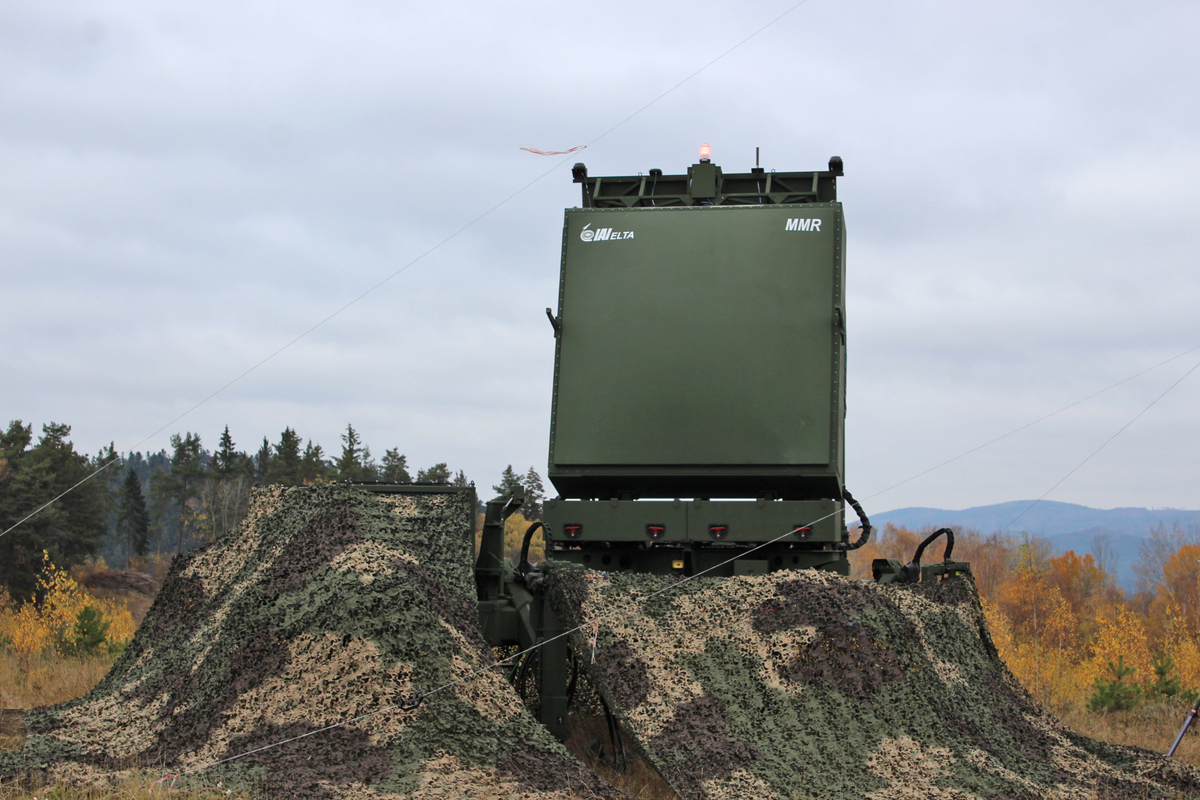
The successful certification confirmed that the Czech Republic has a unit capable of deployment in NATO operations. Its primary mission will be to conduct airspace reconnaissance and detect a wide range of airborne objects, including targets moving at low and medium altitudes.
More than 300 criteria based on NATO standards
The Independent Scout 2026 certification exercise was not focused solely on radar operation. As part of the TACEVAL (Tactical Evaluation) program, evaluators assessed a wide range of activities that the unit must master in order to carry out its designated operational tasks in an Alliance environment.
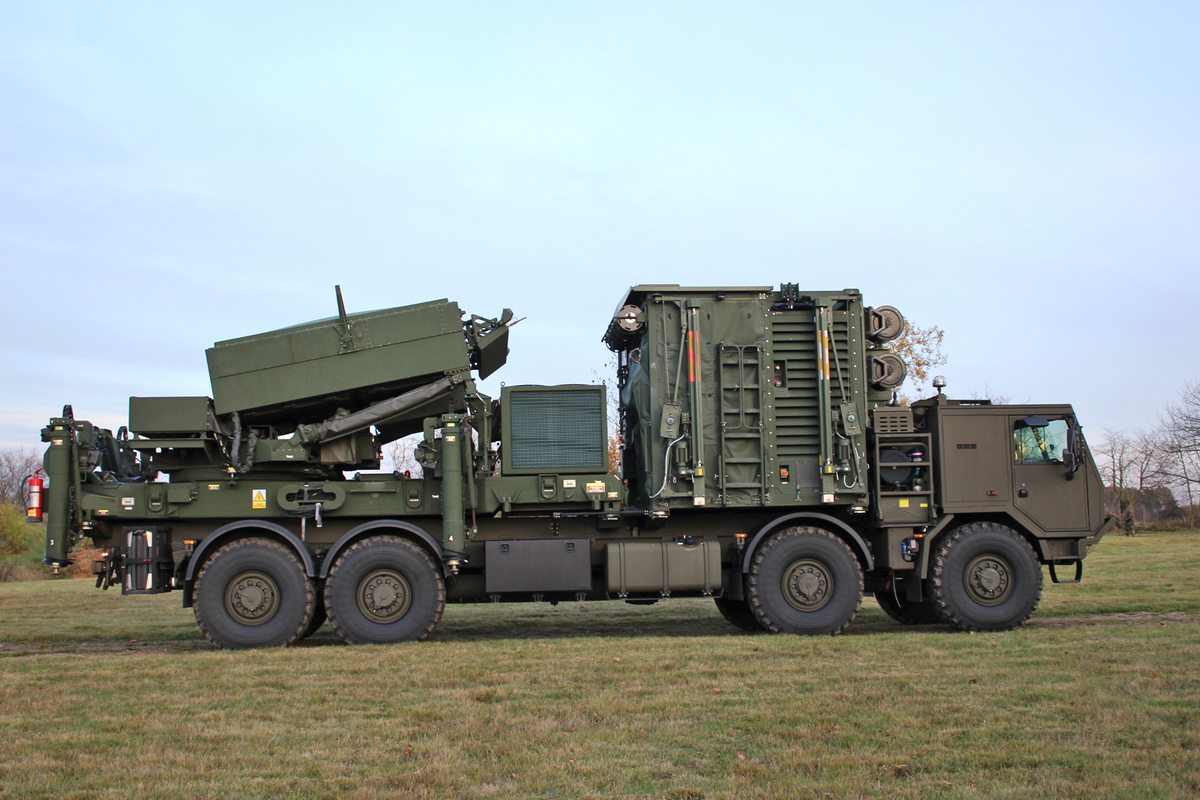
Lieutenant Colonel Milan Chocholouš, Deputy Chief of Staff for Operations of the 26th Command, Control, and Reconnaissance Regiment, who served as deputy head of the evaluation team during the exercise, explained the scope of the entire process. “Certification allows us to evaluate the unit and determine whether it meets NATO standards. We strive to demonstrate that we have achieved full operational capability. We evaluate more than 300 criteria across three main areas: force protection, logistics, and operations,” said Lt. Col. Chocholouš.
The operational portion of the evaluation focused primarily on the ability to continuously monitor airspace and carry out tasks related to ensuring its integrity and sovereignty. An equally important component was the protection of the unit itself and its ability to function under conditions that may resemble actual operational deployment.
Therefore, in addition to demonstrating expertise in operating radar equipment, the soldiers also had to demonstrate proficiency in activities related to defending their position, protecting the perimeter, providing first aid, and ensuring logistical support.
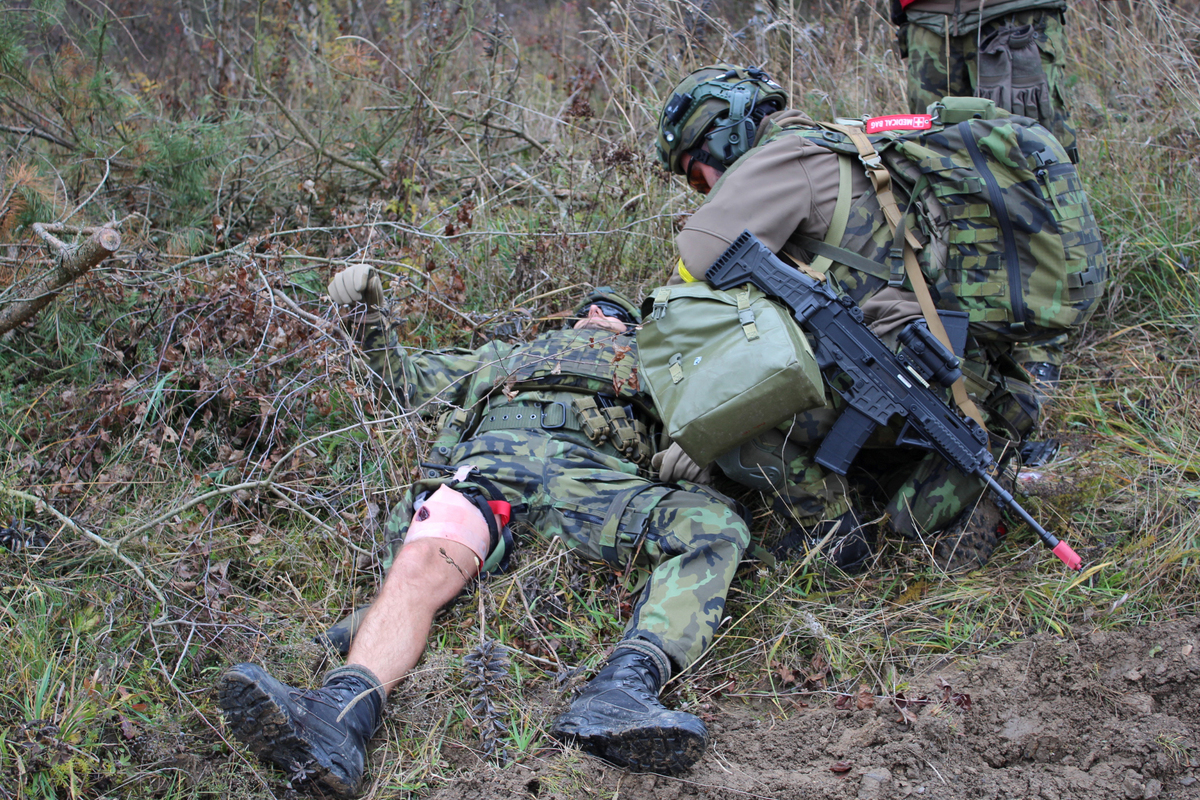
“The certification exercise was conducted in accordance with NATO standards and assessed a wide range of activities that unit members had to demonstrate. This included not only operating radar equipment but also perimeter security, providing first aid, and performing other tasks,” added Colonel Patera.
Certification thus represents a comprehensive assessment of the unit’s ability to carry out a combat mission as a functional whole. A modern radar system can provide high-quality information on the air situation; however, without trained operators, secure communications, protection of the operating site, and adequate logistical support, its capabilities cannot be utilized effectively over the long term.
Independent Deployment and Long-Term Operational Capability
One of the essential requirements for the MADR task force is the ability to operate with a certain degree of autonomy. This means not only moving the radar equipment to the designated area but also establishing a position, ensuring its operation, and subsequently carrying out the assigned tasks continuously.
“Full operational capability means that the unit is able, with a certain degree of autonomy, to deploy, take up a position, establish it, and carry out its primary combat mission, which is airspace reconnaissance. At the same time, it must be self-sufficient and ensure the conditions for its continued operation,” explained Lieutenant Colonel Chocholouš.
It is precisely this ability to operate independently that is a key prerequisite for the unit’s potential deployment in NATO operations. The Czech radar unit must be prepared to carry out its missions not only within the territory of the Czech Republic but also as part of a broader Alliance formation.
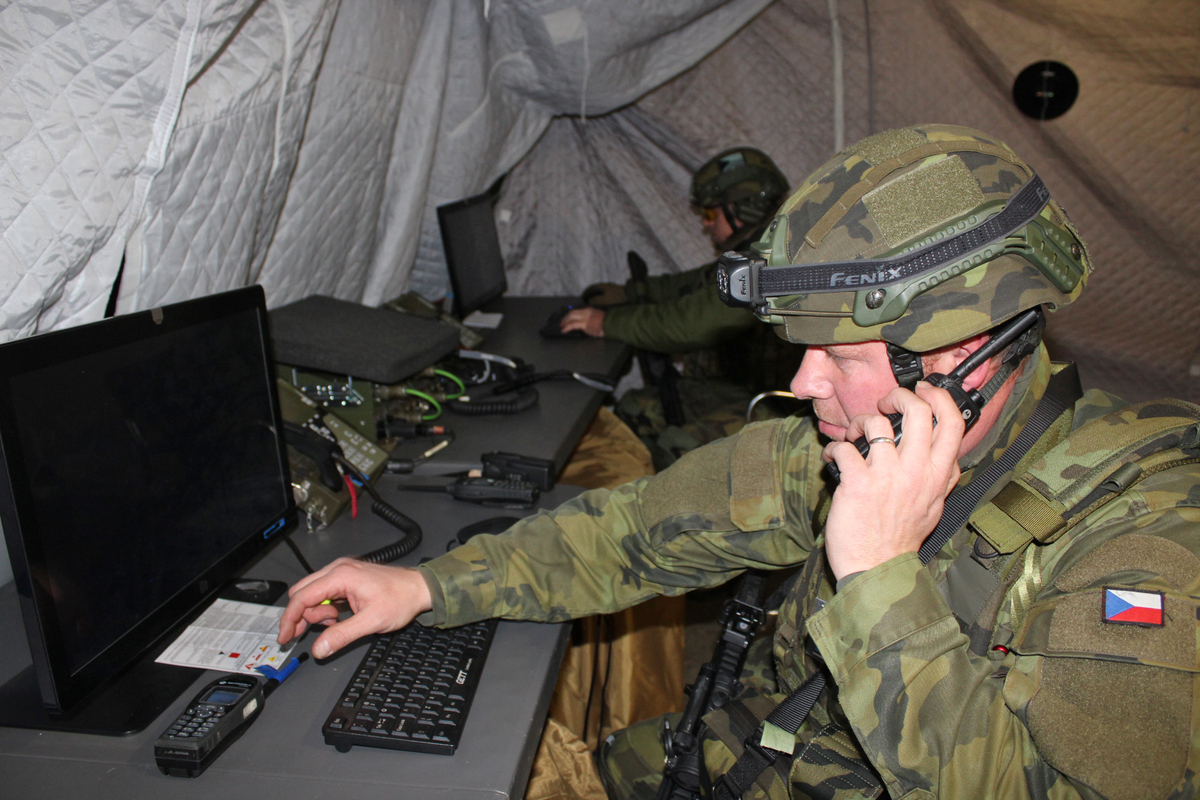
From this perspective, logistical support is of exceptional importance. The operation of modern radar technology requires adequate material, technical, and personnel resources. A task force must therefore be capable of ensuring not only the radar reconnaissance itself, but also the conditions necessary for its sustainability.
Achieving full operational capability, therefore, cannot be equated solely with mastering the technical parameters of the radar. It is primarily about the ability of the entire task force to function as a prepared, secure, and operationally effective unit.
The Result of Cross-Army Cooperation
According to Lieutenant Colonel Chocholouš, the preparation for the certification exercise was the result of a long-term effort by the entire 26th Command, Control, and Reconnaissance Regiment. At the same time, however, it could not have been accomplished without cooperation with other units of the Czech Army.
Members of other units, including soldiers from Čáslav and Náměšť nad Oslavou, were also involved in preparing and supporting the exercise. Equipment from Lipník nad Bečvou was also utilized. Cooperation in providing training, the necessary equipment, and the evaluation itself also played a significant role.
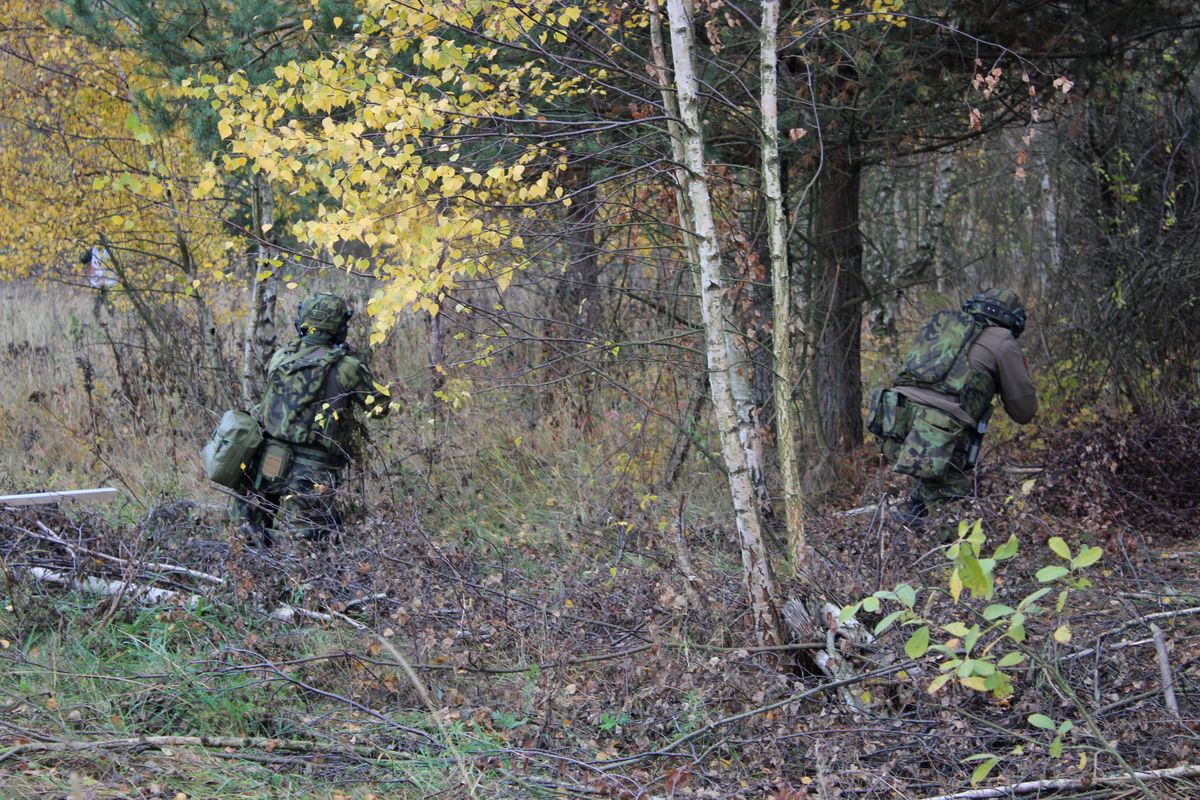
“First and foremost, this is the work of the entire regiment, but of course we couldn’t do it without the support of other units. Whether it’s training, equipment, or evaluators, we couldn’t accomplish this task without their cooperation,” emphasized Lieutenant Colonel Chocholouš.
The Independent Scout 2026 exercise also demonstrated that developing new capabilities for the Czech Army requires a coordinated effort across multiple disciplines and military units. Radar-based airspace reconnaissance is, after all, only one part of a broader system whose effectiveness also depends on command, control, communications, security, and the readiness of individual personnel.
An Important Step for the Czech Army and NATO
The Independent Scout 2026 certification exercise represents a significant milestone in the process of introducing modern MADR radars into operational use by the Czech Army. At the same time, it confirms that the acquisition of new military equipment is only the beginning of a much more complex process of building actual combat capabilities.
Two years of intensive preparation, the attainment of initial operational capabilities, and the subsequent verification of more than 300 evaluation criteria demonstrate the scope of requirements that a modern radar unit must meet.
For the 26th Command, Control, and Reconnaissance Regiment, this certification is above all an opportunity to demonstrate that its personnel are capable of effectively utilizing modern equipment, independently ensuring its operation, and carrying out missions in accordance with Alliance standards.
In a broader context, the MADR task force’s attainment of full operational capabilities represents another step toward strengthening the Czech Republic’s ability to participate in the joint defense of NATO airspace. Today, reliable radar reconnaissance, rapid information sharing, and the readiness of units for operational deployment are among the fundamental prerequisites for effective air defense.
Related