



Jaromír Zůna: Increasing Defense Spending Is Not Enough – Efficient Resource Management and Support for Czech Industry Are Also Essential
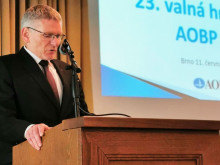
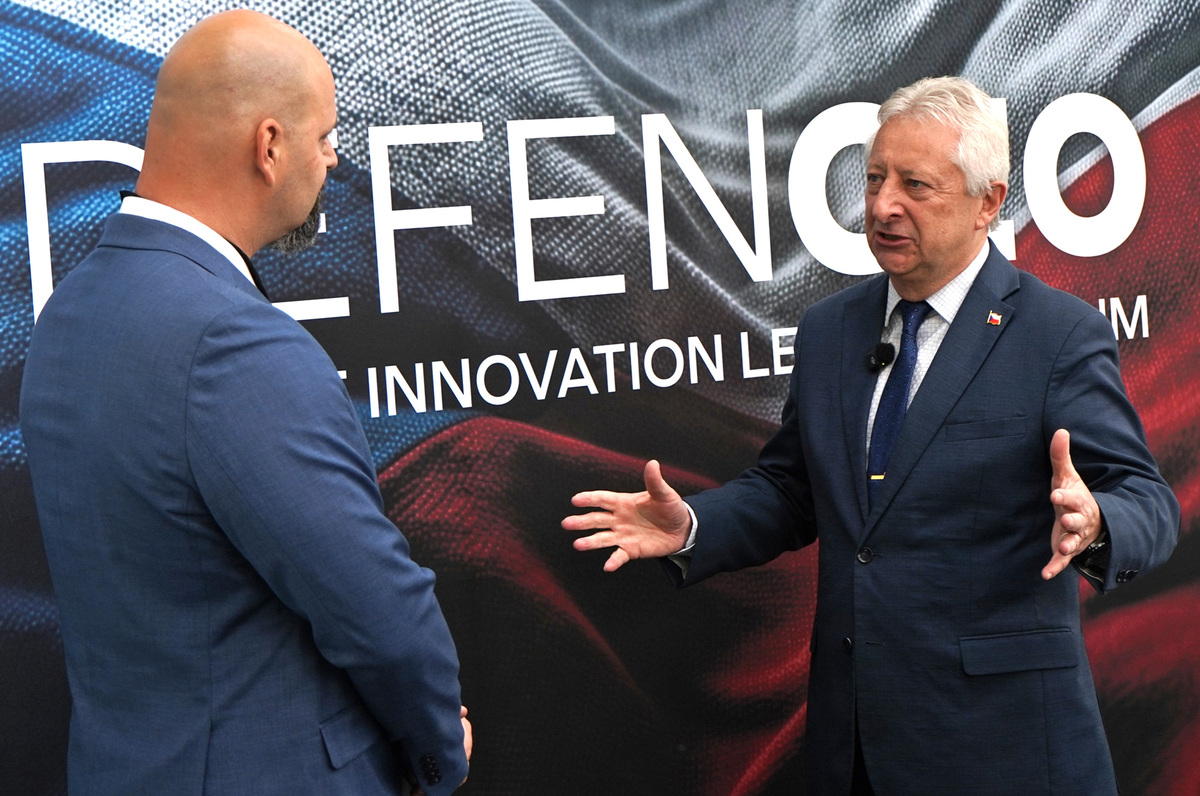
Record-high defense spending, the efficient use of public funds, interagency cooperation, and support for the domestic defense industry. These were the main topics of an interview with Defense Minister Jaromír Zůna, which he granted to CZ DEFENCE during the DEFENCEO 2026 conference in Brno. The minister emphasized that strengthening defense capabilities cannot be viewed solely through the lens of growing budgets, but also through the state’s ability to effectively utilize available resources, develop domestic industrial capacity, and respond to dynamic technological developments.
Video: Jaromír Zůna: Increasing Defense Spending Is Not Enough – Efficient Resource Management and Support for Czech Industry Are Also Essential / CZ DEFENCE
According to the defense minister, the level of defense spending must correspond to the state’s economic capabilities and its overall security priorities. “The military is only as strong as the economy,” said Jaromír Zůna, adding that security cannot be limited solely to external military threats. In his view, internal, economic, and energy security may also take on increasing importance. It is therefore essential to balance all these areas when making decisions on public spending.
According to the minister, defense spending for 2027 is projected to reach a historic high of approximately 191 billion crowns. Zůna also pointed out that defense spending has risen significantly since 2014, which brings with it increased responsibility for how those funds are used. He therefore identified effective financial management as one of the main priorities of the ministry’s current leadership. According to him, the Ministry of Defense is showing positive results in budget utilization, spending transparency, and reducing the amount of unspent funds – despite operating under a three-month provisional budget.
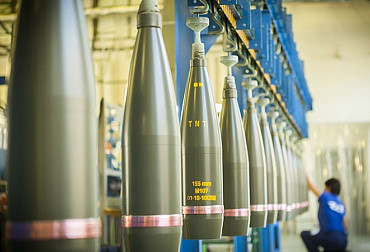
A key component of this strategy is support for the Czech defense and security industry. The minister noted that the ministry has signed new contracts worth 34 billion crowns this year, with more than 30 billion of that amount, he said, flowing into the Czech economy. Foreign suppliers thus account for only a small portion of the newly signed contracts, particularly in cases where domestic solutions are not available. According to Zůna, support for Czech companies is not merely a matter of industrial policy but also an important contribution to the development of the country’s defense capabilities.
Another topic of the discussion was the cooperation between the Ministry of Defense and the Ministry of Industry and Trade. Following changes in the division of responsibilities, the Ministry of Industry and Trade primarily took over the area of economic diplomacy, while key instruments for providing practical support to the defense industry remained under the purview of the Ministry of Defense. This applies, for example, to the AMOS agency, support for foreign trade in military equipment, and the military’s direct participation in international events. The minister noted that the ministry organized 15 industry days this year and actively supported Czech exporters in countries such as Montenegro and Azerbaijan. He considers it important that diplomatic efforts to open up business opportunities be complemented by practical demonstrations of military equipment and the armed forces’ capabilities.
Zůna also addressed the possibilities for involving new companies and technology startups in the defense industry. He noted that relations between the military and industry have undergone a fundamental transformation over the past decade. While contacts between military representatives and defense companies were significantly limited in the past, he said that today there are functional mechanisms for cooperation and numerous opportunities to showcase new technologies. He cited conferences and trade fairs such as DEFENCEO, the Future Forces Forum, and IDET as examples.
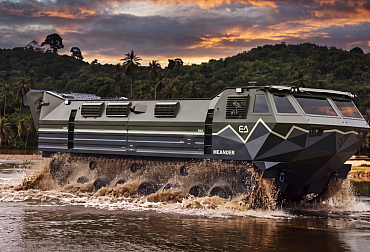
However, according to the minister, the fact that a product is of Czech origin is not in itself a sufficient guarantee of its success. What matters most is the quality of the solution offered and its actual contribution to the capabilities of the Czech Armed Forces or other allied armies. Companies must therefore demonstrate that their technologies meet specific military needs. The Ministry of Defense can also support their promotion by participating in international trade fairs, where the presence of the Czech Armed Forces reinforces the credibility of domestic manufacturers.
At the conclusion of the interview, the Minister of Defense emphasized the extraordinary pace of technological development in the field of defense and security. He referred to his experience within the Alliance’s DIANA innovation ecosystem, where he had the opportunity to observe the emergence of new startups and technological solutions. In his view, it is precisely this constant interaction between the armed forces, government institutions, and industry that is an essential prerequisite for the military to keep pace with the development of modern technologies and integrate them into its capabilities in a timely manner.