





Video Report: Linking the Civil and Defense Industries as the Key to Strengthening the Czech Republic's Defense Capabilities
The DEFENCEO 2026 conference, organized by Defence Consulting in cooperation with the trade magazine CZ DEFENCE, took place recently. Representatives of the government, the Czech Army, state institutions, and major Czech industrial companies gathered in the Rotunda Hall at the Brno Exhibition Center. The main topics were the integration of the civilian and defense industries, strengthening domestic production capacities, and creating new opportunities for Czech companies in the defense and security sectors.
Video: DEFENCEO 2026: Linking the Civil and Defense Industries as the Key to Strengthening the Czech Republic’s Defense Capabilities / CZ DEFENCE
The conference was opened by Jan Homola, founder of the DEFENCEO initiative, who emphasized the need for systematic collaboration between the civilian and defense sectors. According to him, this is not only about strengthening the country’s security and resilience but also about creating a significant opportunity for the development of the Czech economy.
In his remarks, First Deputy Prime Minister and Minister of Industry and Trade Karel Havlíček highlighted the necessity of maintaining the competitiveness of European industry. At the same time, he called for the creation of a strong domestic supply ecosystem involving dozens of Czech companies across various industrial sectors. Defense Minister Jaromír Zůna subsequently emphasized the importance of technological development, education, and human capacity building. He also highlighted the Ministry of Defense’s cooperation with universities and secondary schools, which is intended to help ensure a sufficient supply of technically trained specialists.
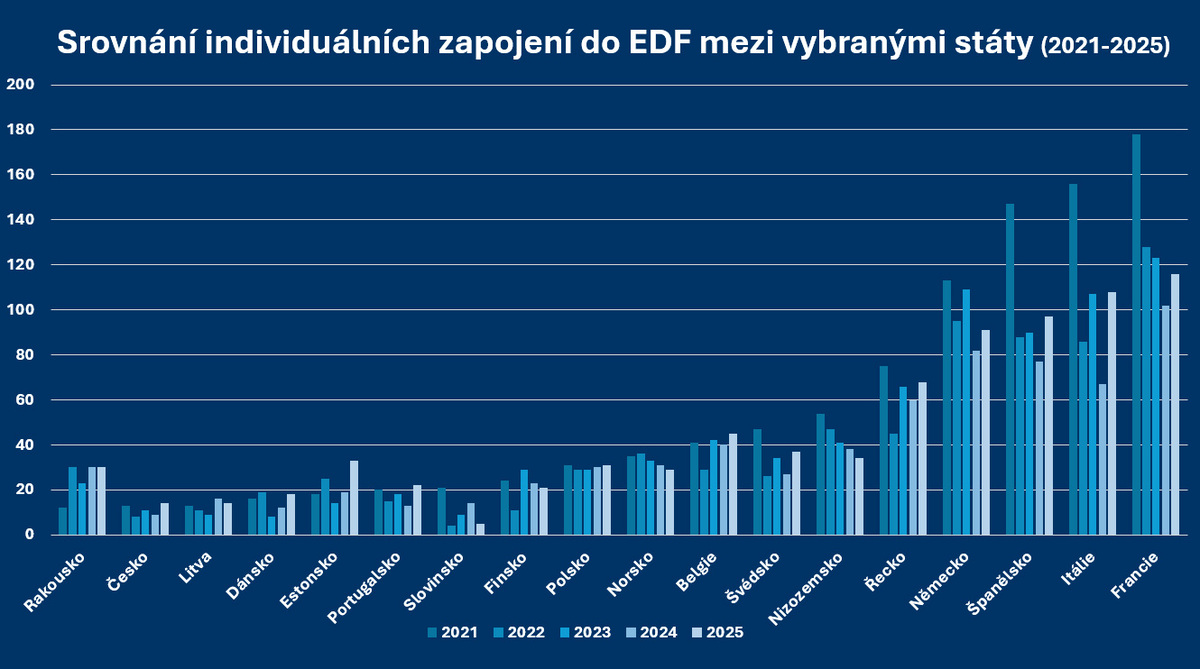
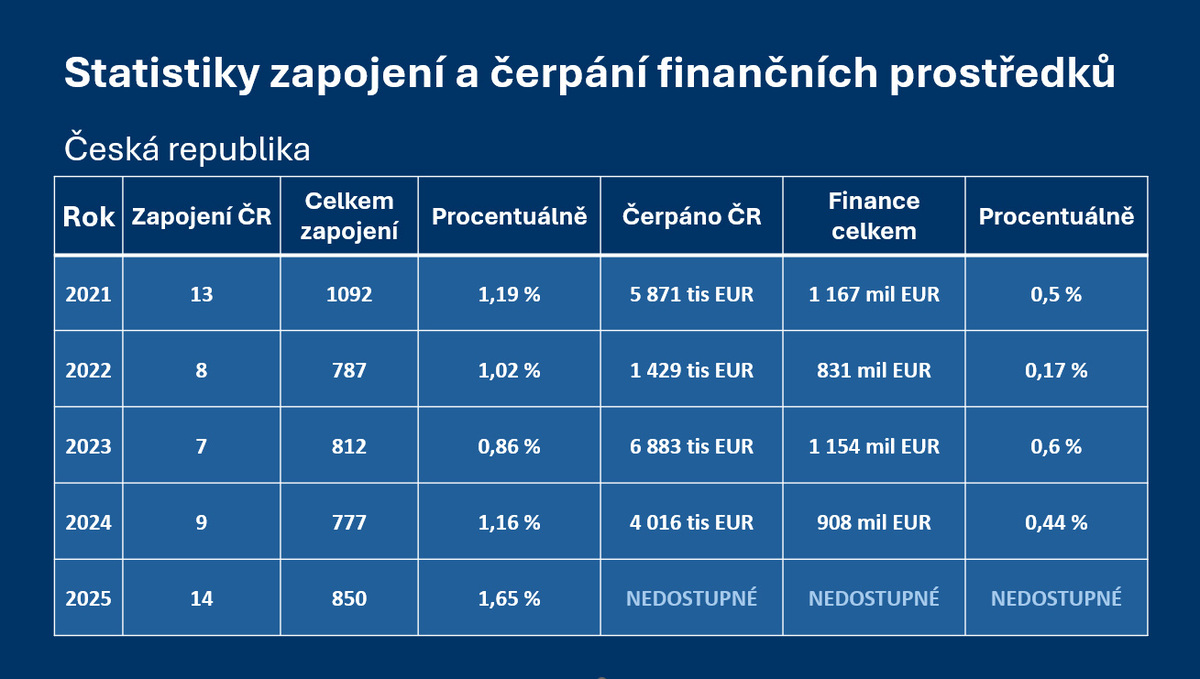
Kristýna Helm, Vice President of the Czech Defense and Security Industry Association, highlighted the extraordinary growth of the defense sector and new financing opportunities through European programs. At the same time, she pointed out the insufficient involvement of Czech companies in European Defense Fund projects.
Pavel Zůna, the national representative on the NATO Science and Technology Committee, also highlighted the importance of investment in research and education. Ivo Červenka, director of the Association of Engineering Technologies, then emphasized the potential of the Czech engineering sector, whose greater involvement in the defense industry is, however, hindered primarily by a lack of information and long-term certainty.
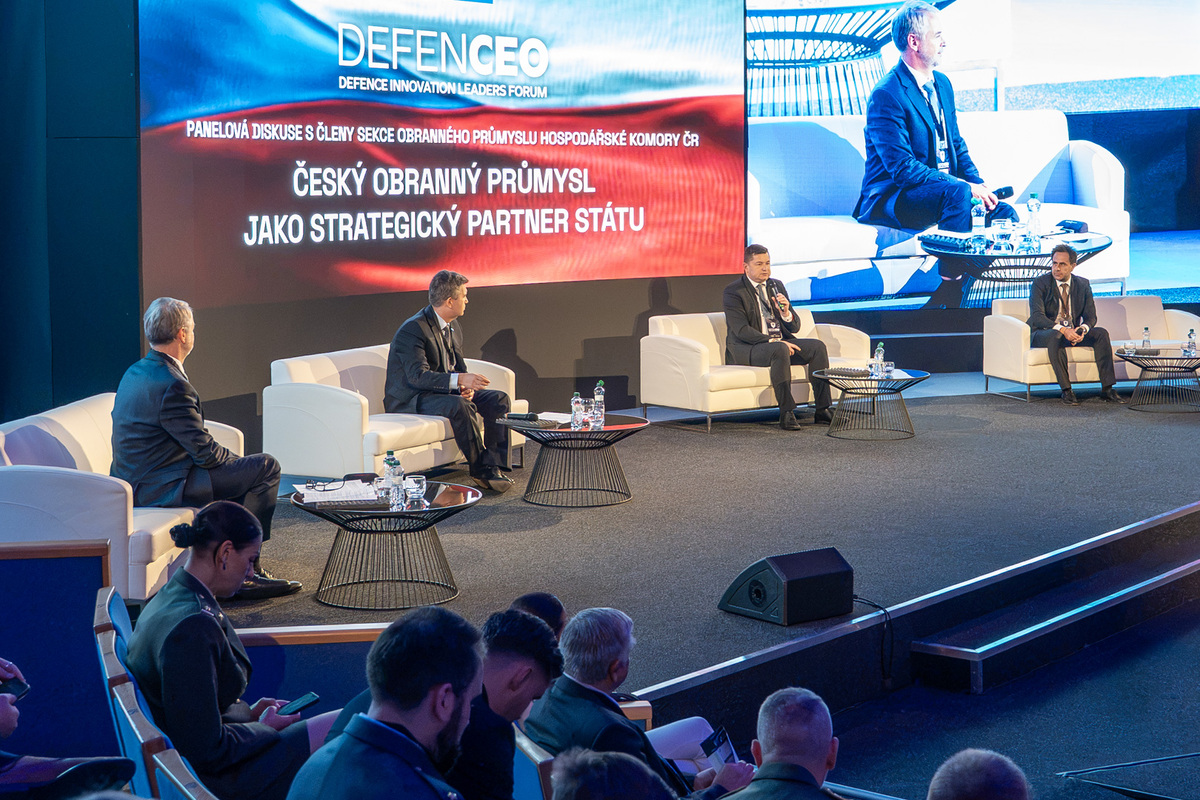
A panel discussion on the Czech defense industry as a strategic partner of the state brought together Lubomír Kovařík, Vice President of the Czech Chamber of Commerce; Jan Hamáček, Director of External Relations at CSG; Jakub Gabriel, CEO of Ray Service; and Jan Zajíc, CEO of Česká zbrojovka. The discussion focused primarily on the industry’s readiness to ramp up production in crisis situations, the need for long-term planning, and closer cooperation between the state and manufacturers. The importance of international partnerships and the integration of domestic companies into European supply chains was also highlighted.
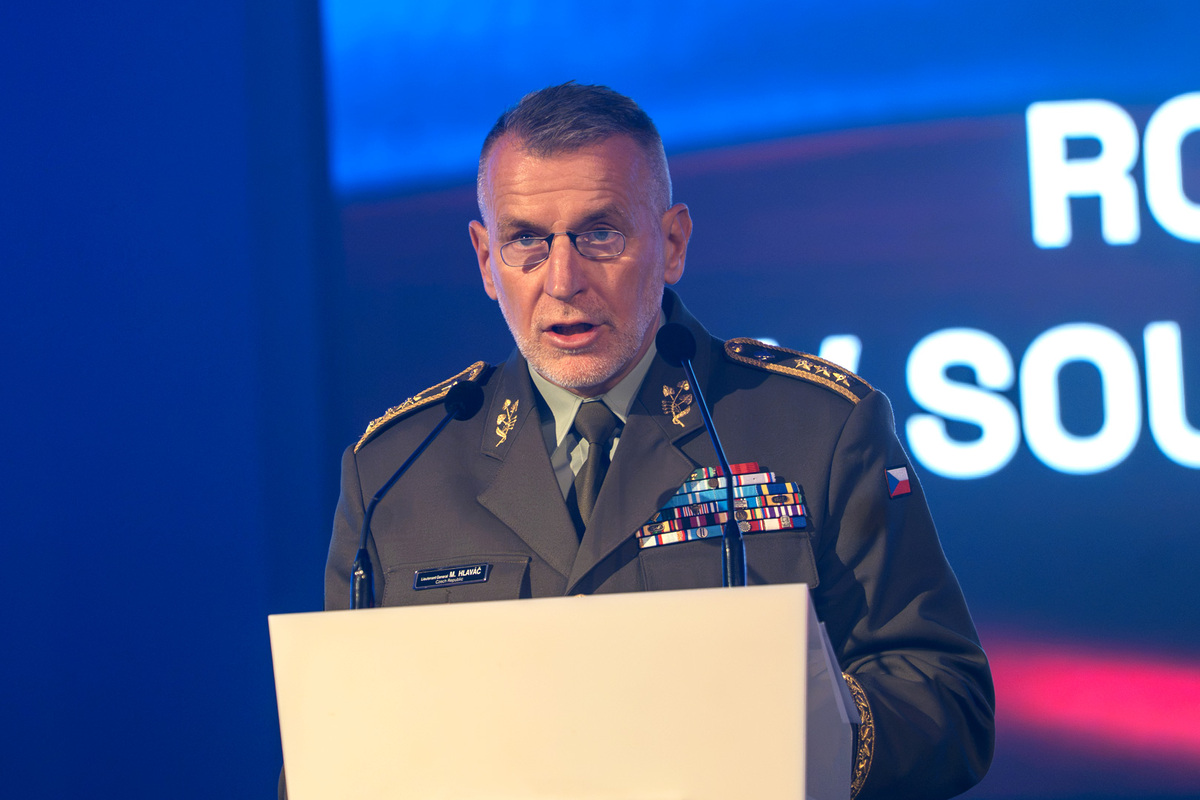
One of the most notable presentations at the conference was the speech by Lt. Gen. Miroslav Hlaváč, Chief of the General Staff of the Czech Armed Forces. He highlighted the fundamental discrepancy between the pace of technological change on the modern battlefield and the length of military procurement processes. According to him, in some cases the state procures technologies that are already outdated at the time of purchase. He therefore presented the Czech Army’s new Innovation System, which aims to accelerate the introduction of modern technologies and enable more intensive involvement of Czech companies and the academic community in military innovation.
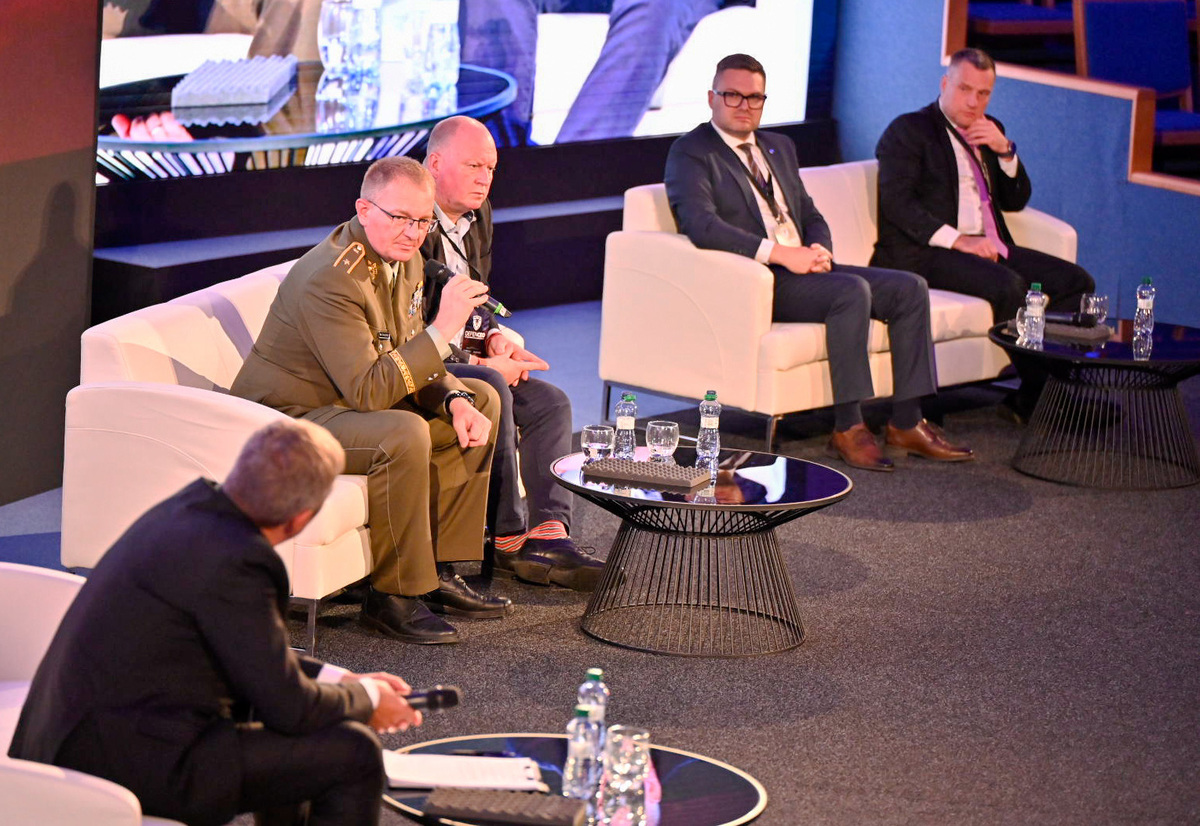
Another panel focused on the role of state-owned enterprises in developing the capabilities of the Czech Armed Forces. Brigadier General Petr Šnajdárek, Director of the Communications and Information Systems Section at the Ministry of Defense, participated in the discussion alongside Jiří Protiva, Director of LOM PRAHA; Vlastimil Navrátil, Director of VOP CZ; and Jiří Kašpárek, Director of VTÚ. The participants emphasized, in particular, the importance of state-owned enterprises as integrators and intermediaries between the needs of the military and the capabilities of domestic industry.
The final thematic sessions focused on dual-use technologies, export support, financing the transformation of manufacturing, and security risks associated with operating in the defense sector. Discussions covered opportunities for civilian companies to participate in defense contracts, the availability of bank financing, and the importance of cybersecurity. The final session was opened by Lukáš Kintr, Director of the National Cyber and Information Security Agency.
DEFENCEO 2026 confirmed that strengthening the Czech Republic’s defense capabilities cannot be separated from the development of domestic industry, technological innovation, and mutual cooperation between the state, the military, and the private sector. The conference also demonstrated that Czech companies possess significant potential, the realization of which will depend primarily on a long-term strategy, the predictability of contracts, and the ability to respond flexibly to new security challenges.