












President Pavel: Preparedness is built before a crisis, not under its pressure
The 13th annual conference Our Security Cannot Be Taken for Granted, which took place today in the Ball Game Hall of Prague Castle, opened a debate on current security challenges, strengthening the state's defense capabilities, and the future of Euro-Atlantic cooperation. The main speakers included Czech President Petr Pavel, First Deputy Prime Minister and Minister of Industry and Trade Karel Havlíček, Deputy Prime Minister and Minister of Defense Jaromír Zůna, Chief of the General Staff of the Czech Armed Forces Army General Karel Řehka, and U.S. Ambassador to the Czech Republic Nicholas A. Merrick.
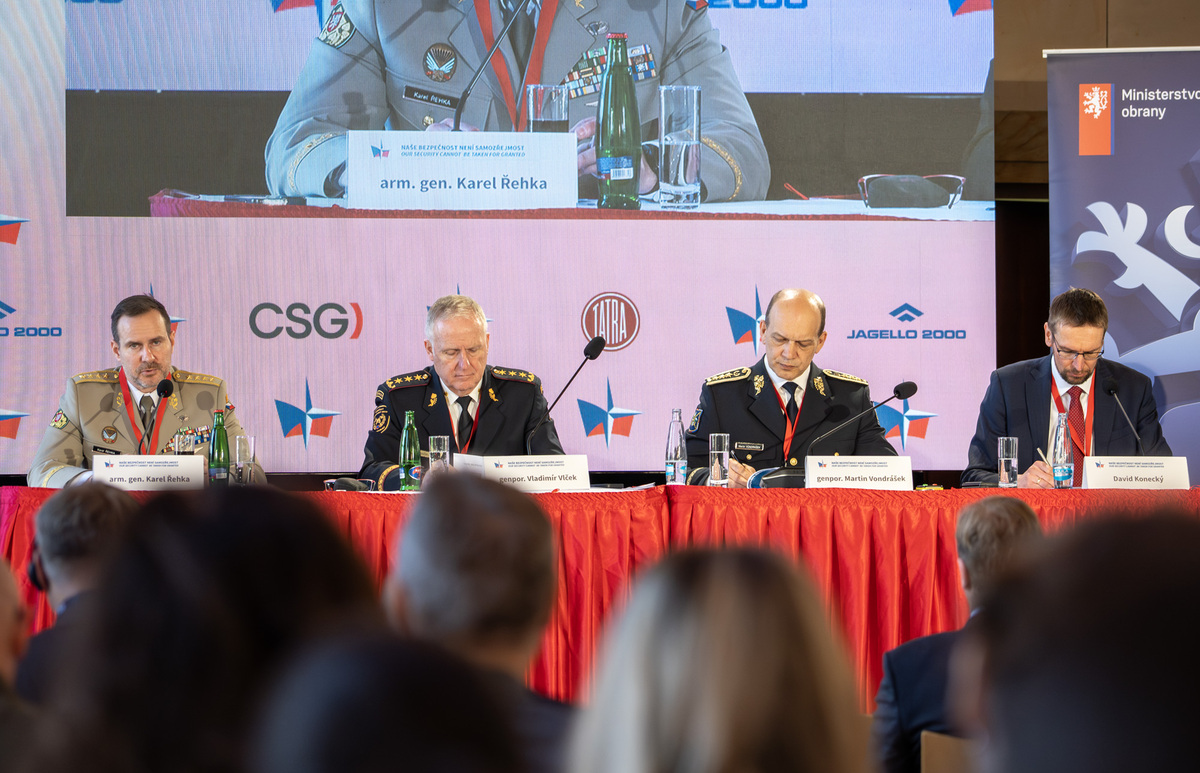
Europe's security environment has changed fundamentally in recent years, and the period of relative stability following the end of the Cold War is now a thing of the past. This was the spirit of this year's conference, which is one of the most important Czech platforms for debate on defense and security. Politicians, military leaders, security experts, and industry representatives discussed current security challenges, the Czech Republic's role in the Euro-Atlantic area, and how to strengthen the country's defense capabilities in a time of growing geopolitical tension.
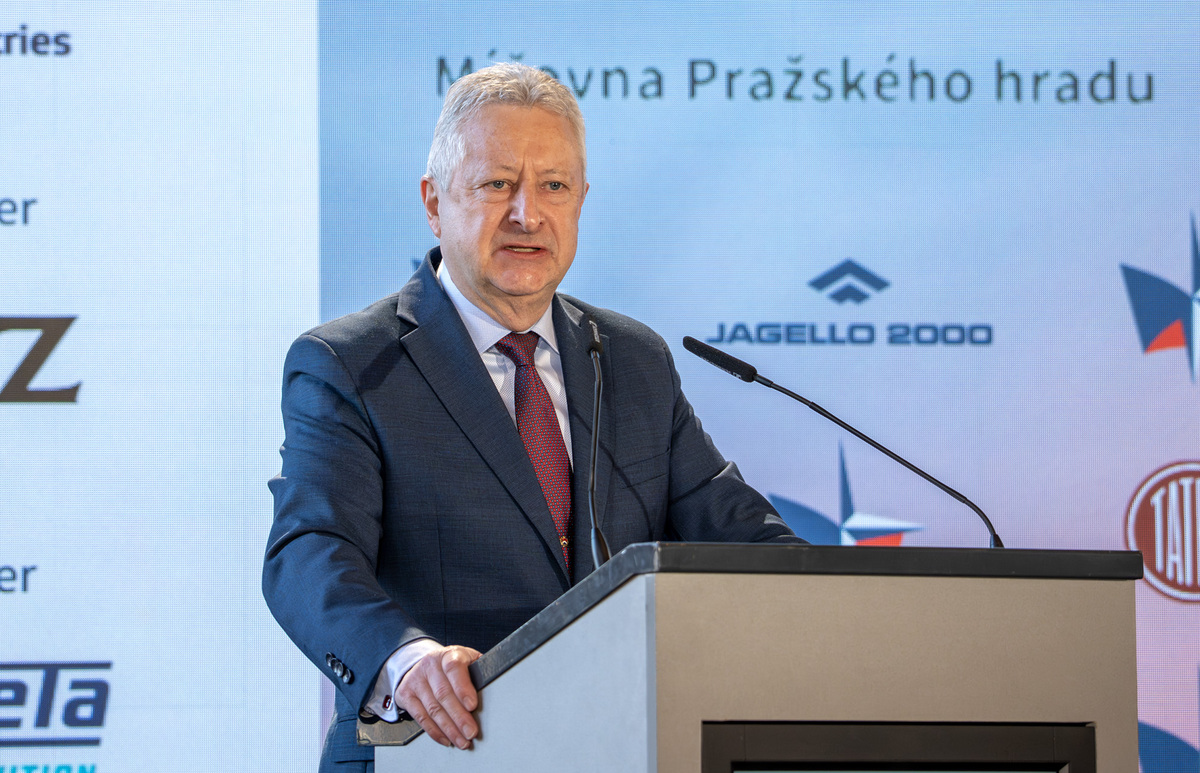
The conference was opened by Zbyněk Pavlačík, chairman of the organizing association Jagello 2000, who emphasized the importance of open debate on security policy and the fact that the world had experienced three serious security crises during the conference.
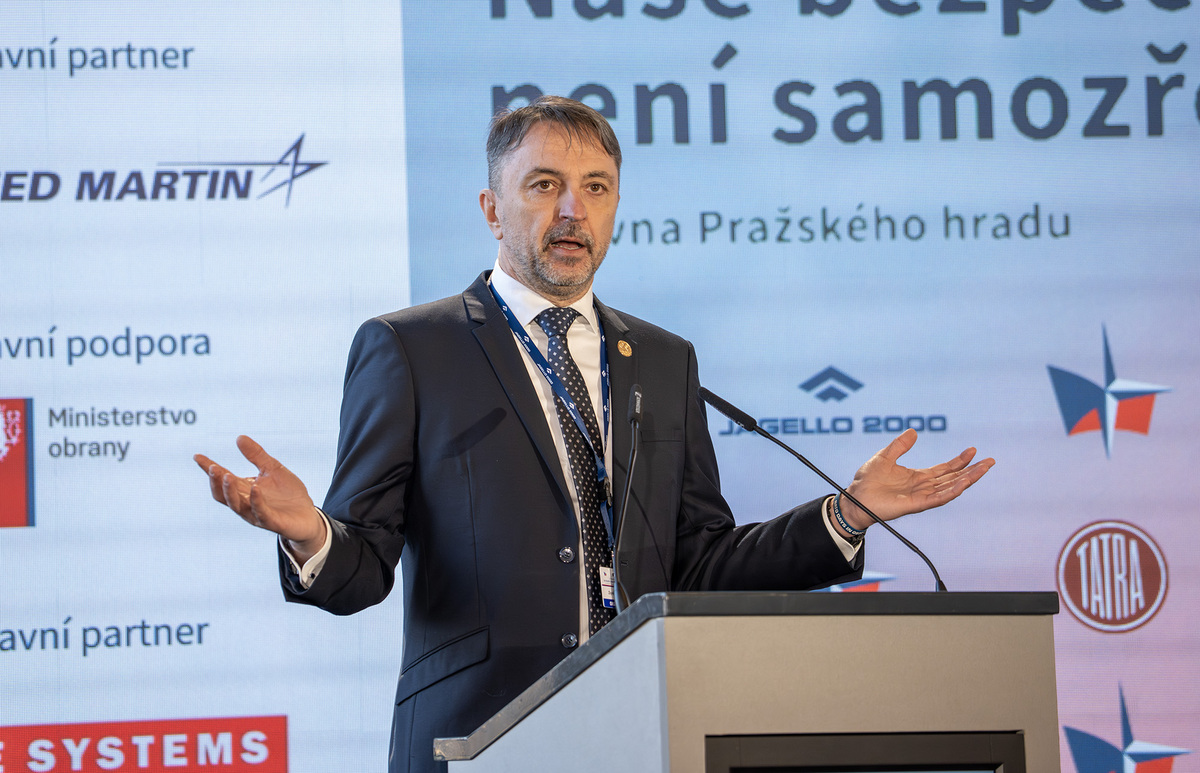
He was followed by First Deputy Prime Minister and Minister of Industry and Trade Karel Havlíček. In his speech, he emphasized that national security today is closely linked to economic and technological stability. "Security today encompasses not only military capabilities, but also energy, industry, and technological self-sufficiency," said Havlíček.
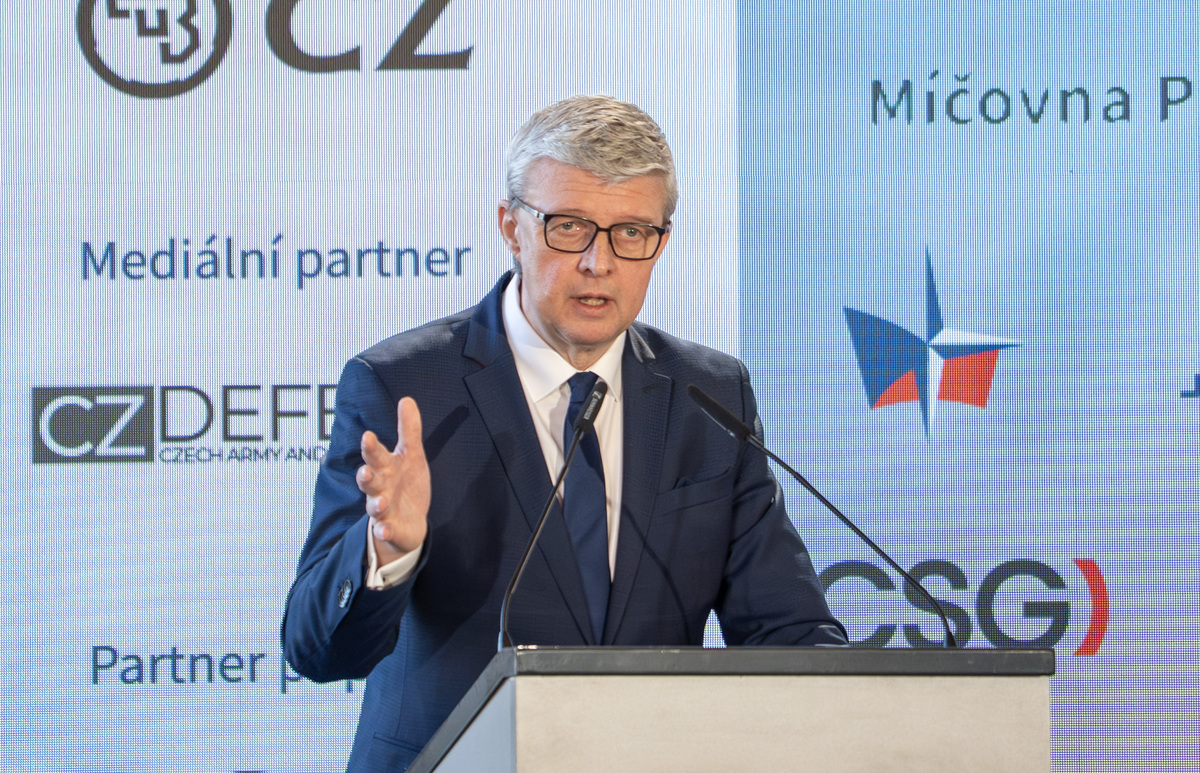
In his speech, Defense Minister Jaromír Zůna emphasized the need to continue modernizing the armed forces and investing in new technologies. "Current conflicts reaffirm how crucial it is to be able to protect airspace and critical infrastructure," said Zůna, noting that the security environment has deteriorated significantly in recent years and poses new types of threats to which the state must respond. "If we perceive a negative trend in the security environment and an ever-widening range of risks and threats to our country resulting from this development, our goal is to ensure the security of the state, the stability of public finances, and a functioning state that can protect its citizens even in crisis situations," said the Minister of Defense. According to him, current conflicts show the crucial role played by certain specific capabilities of the state. "The course of current conflicts and crises shows how essential, for example, high-quality air defense, strategic reserves—not only ammunition—and a functional public warning system are," said Jaromír Zůna, among other things.
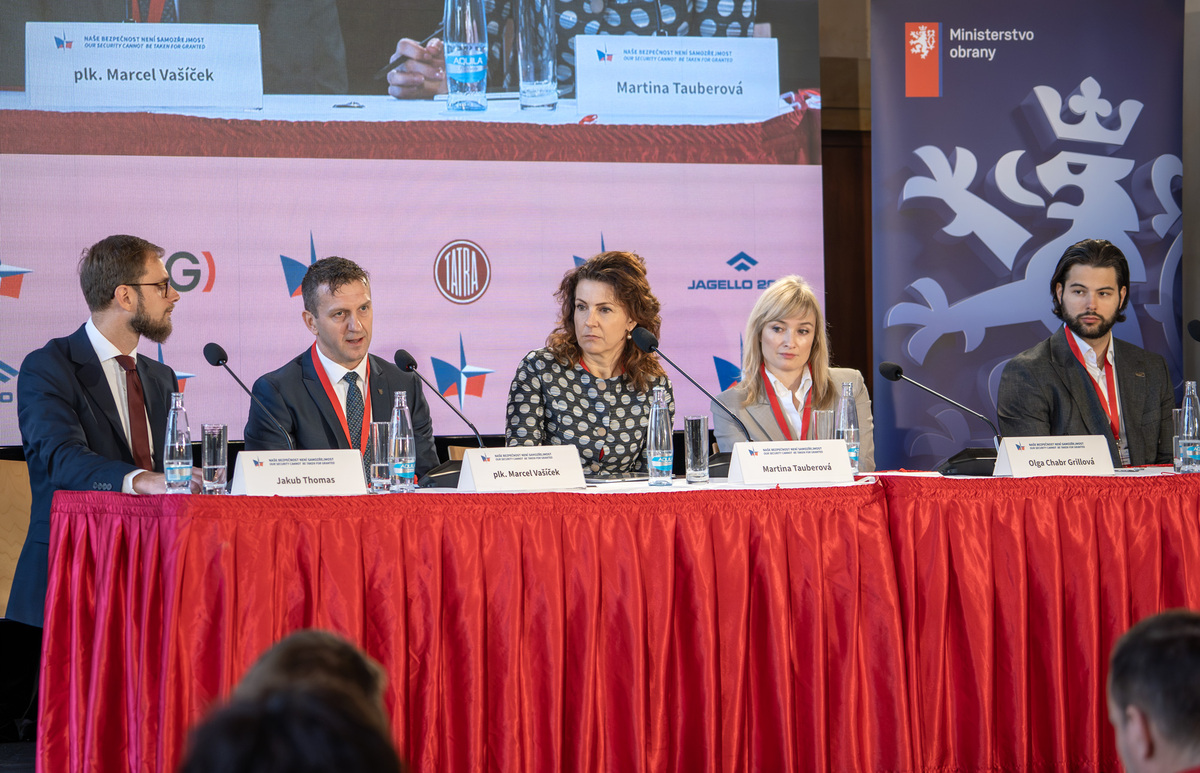
The morning program of the conference continued with a discussion on the position of Czech defense technologies on global markets. Panel participants agreed that technological innovation and cooperation between the state, industry, and the investment sector are key to maintaining the competitiveness of the Czech defense industry.
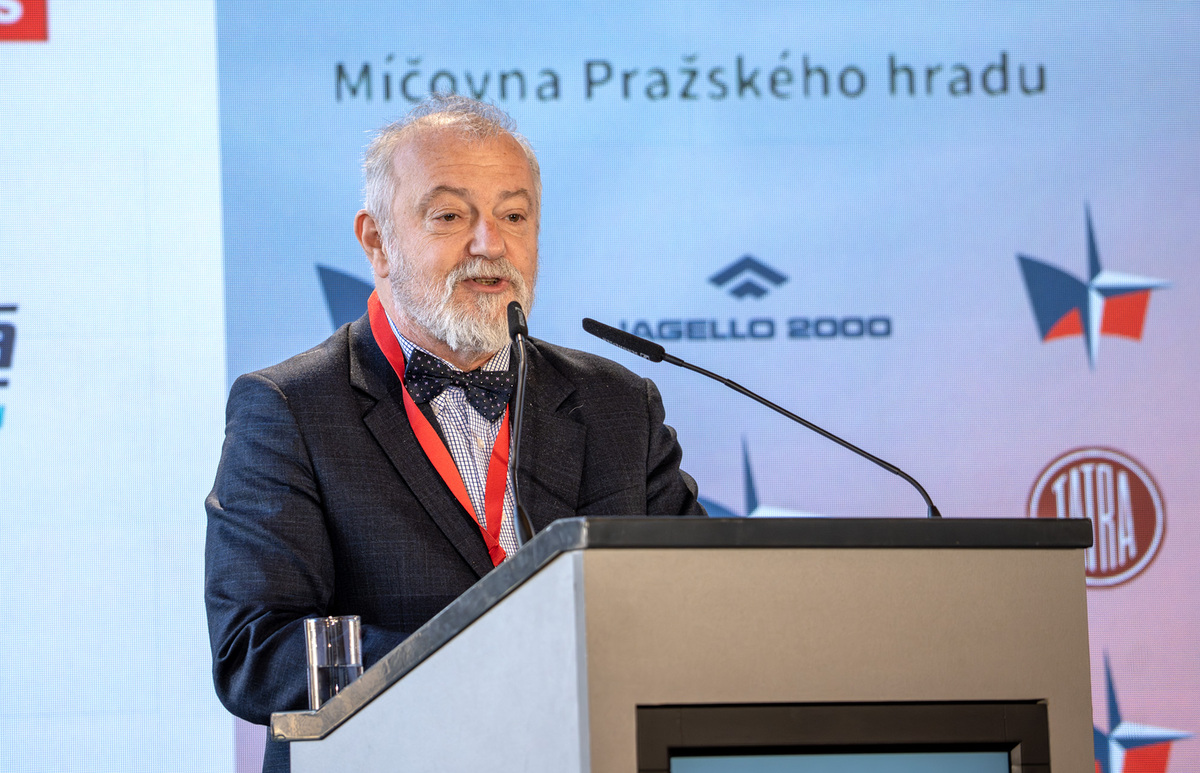
The importance of self-sufficiency and the growing capabilities of the domestic defense industry is increasing, which is why we asked Jiří Hynek, President of the Czech Defense and Security Industry Association, several questions at the conference:

There is talk of industrial self-sufficiency. Is this even realistic in our circumstances?
I am convinced that we must do everything we can to make industry as self-sufficient as possible. And not only in the Czech Republic, but throughout the European Union. This is not just about the defense industry. It is at the top of the pyramid and, in order to function, it needs a functioning chemical industry, manufacturing and engineering industry, electrical engineering, and mining industry. Everything is very interconnected. The reality today is that more than 90% of the raw materials needed for industry to function are imported into the European Union. From an economic point of view, this may not seem to be a problem. However, in the event of any crisis, including war, international ties and trade would cease to function. We would then be dependent only on what we can produce at home. That is why we must do our utmost to make the defense industry, and indeed the entire industry, as self-sufficient as possible.
Is it realistic for the state to participate in building strategic defense industry companies, i.e., for strategic state-owned enterprises to exist in this sector?
Personally, I am strongly opposed to the state owning business entities. I remember the days of socialism, when state-owned enterprises really did not work. But there are other ways to deal with this. Let's look at the United States, for example. Most companies there are privately owned, but if someone is a strategic supplier to the Pentagon, they cannot replace anyone in the company's management without its consent. So there are legal tools that can be used to manage and support the defense industry. Without a functioning defense industry, national defense is completely impossible in the long term.
Does this also mean certain changes within the State Material Reserves Administration, which is structured differently in Poland, for example, where the administration there has a wider range of reserves at its disposal?
I believe that the law on state material reserves allows the State Material Reserves Administration to be a key element in the functioning of defense capabilities in the long term. However, it must have adequate financial resources to do so. For example, I can imagine that part of the reserves would be located directly at manufacturing companies. These would be reserves that we would not be able to transport quickly in the event of war. These reserves would be financed by the state, would be part of the material reserves, but would physically remain with the companies. The companies would continuously consume the oldest material and replenish it at the same time. Such models exist and we have thought them through, but financial resources need to be injected into the system.
What role do you think the Defense and Security Industry Association should play in the concept of supporting and developing the Czech defense industry?
The model is the same as anywhere in the West. When we founded the Defense and Security Industry Association, we based it on the concept of countries that were already NATO members at the time. It is an institution that brings together companies not only from the defense industry, but from the entire ecosystem that is essential to it. The defense industry cannot function without cooperation with banking, insurance, or consulting firms. We must create a comprehensive ecosystem. At the top are high-tech defense industry products, but below them must be institutions that contribute to their creation, such as universities. Research and development are the be-all and end-all of advancing technology.
How has the business environment of the defense industry changed in relation to banks? Have banks already realized that it is worthwhile to finance the defense industry?
I would say that we are on the right track, but we are not there yet. I am convinced that senior bank managers realize that, from the point of view of profitability and financial advantage, it is good to finance the defense industry, open accounts for companies, and provide payment services. At the same time, however, there is a certain negative regulatory role played by European institutions, as well as a certain inertia. We also keep coming across the argument that if there were no weapons, there would be no wars. But the reality is different. If there were no weapons, it does not mean that there would be no wars – they would just be even bigger, because there will always be one side, the bad side, that will have weapons. And we need the good side to have them too. Once, during a debate on weapons in the US Congress, someone said: "Who can stop a bad man with a gun? Only a good man with a gun." And we must ensure that weapons get into the hands of those good people.
The conference continued with a presentation by the new government representative for national security, Hynek Kmoníček, who focused on the strategic priorities of the Czech Republic's national security. According to him, a realistic perception of the international environment is essential for formulating security policy. "The main strategic priority in any national security is to learn to live in reality, not in its political interpretation," said Kmoníček, noting that the security policy of each state is largely determined by its geographical location and historical experience. "Since the days of the Czech Kingdom, we have been living in Central Europe, in an environment of smaller states that compete with each other for influence and at the same time are exposed to major competitors in the east and west," said Hynek Kmoníček. He identified the Russian Federation as the main security threat at present. "The further Russia is geographically from our borders, the greater our own security," said the government's national security representative, adding that Czech support for Ukraine's defense is also based on this principle.
Kmoníček's speech was followed by that of the Chief of the General Staff of the Czech Armed Forces, Army General Karel Řehka, who focused on the experiences of the war in Ukraine and their impact on the modernization of the armed forces. "When we watch the war in Ukraine, we learn a lot, for example, the importance of a society-wide approach to defense, the dangers of strategic dependencies, and the importance of societal resilience," said Karel Řehka. According to him, the nature of the modern battlefield is also changing significantly. "Today's battlefield is very transparent, with a huge number of sensors in both the visual and electromagnetic spectrum, and the idea that you can simply camouflage something somewhere is rapidly changing," explained the Chief of the General Staff.
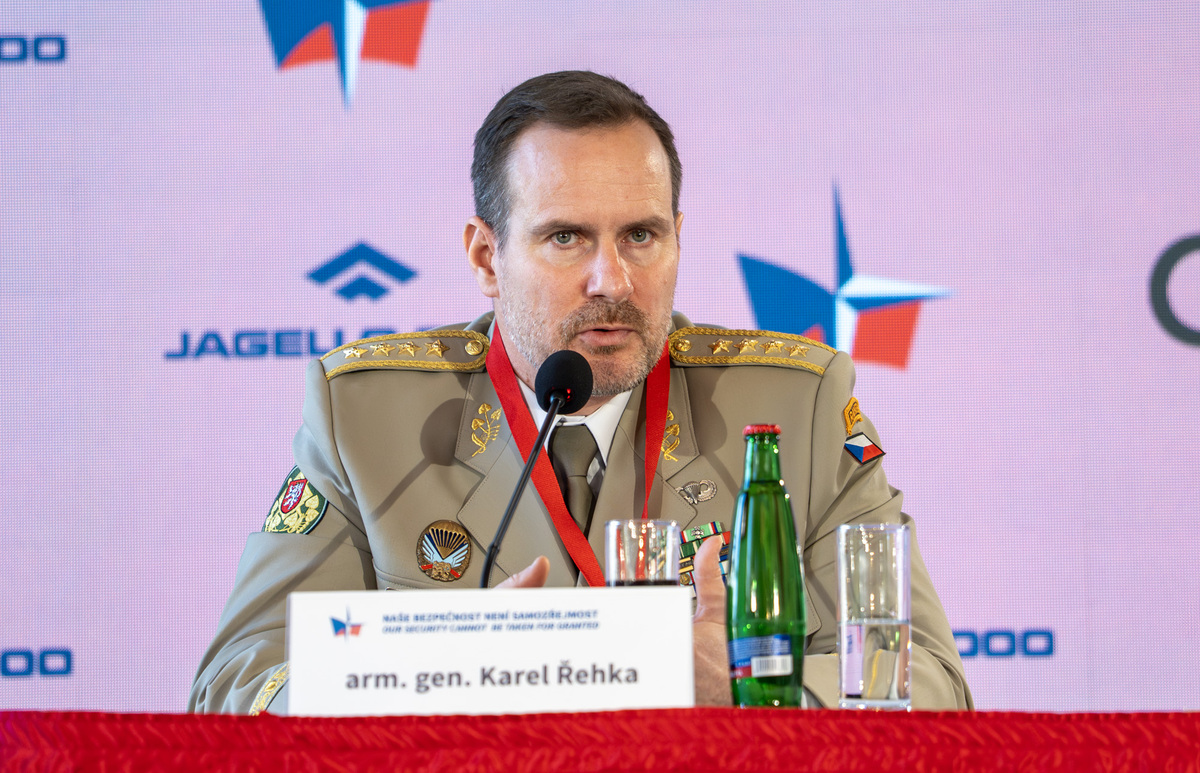
Another significant trend, according to him, is the dramatic acceleration of decision-making processes. "The pace of decision-making is accelerating tremendously. The time between identifying a target and responding to it is much shorter today than it used to be," said Řehka, adding that one of the key lessons learned from the war in Ukraine is the ability to adapt quickly. "The ability to quickly adapt to changing conditions and technologies gives you a huge advantage over your opponent," said the general. According to him, the ability to adapt must therefore be an integral part of the combat power of a modern army. "We cannot perceive it as some kind of added value. It is an integral part of the army's combat power," emphasized Řehka. According to the Chief of the General Staff, the experience gained in Ukraine so far also confirms the importance of linking the army, industry, and society as a whole. "It is impossible to prepare for a large-scale, high-intensity conflict without the involvement of the whole society," said Řehka, adding that the defense industry must become part of the state's security system.
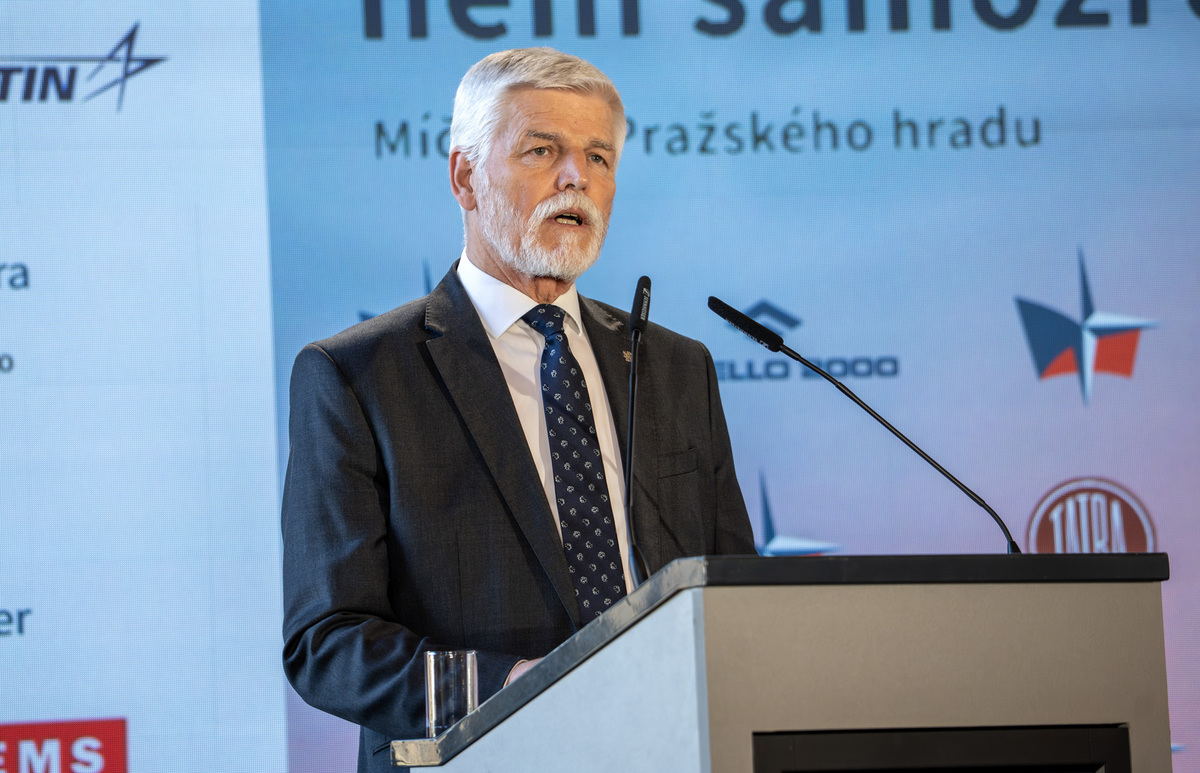
The afternoon session of the conference was opened by Czech President Petr Pavel, who emphasized in his speech that Europe's security is undergoing a fundamental transformation and that Europe must take greater responsibility for its own defense. "America has repeatedly and very openly stated that Europe's security is primarily the responsibility of us Europeans ourselves. And it cannot be otherwise," said the president. According to him, Europe has been putting off difficult decisions for too long and relying on security guarantees from the United States. "This is a reality we must face. Not in a year, not after the next election. Not when we are ready. But now," Petr Pavel emphasized. The president also pointed out that security policy requires long-term planning and stable political consensus. "National defense cannot be managed on a year-to-year basis. It is a long-term strategy," Pavel said, emphasizing the need to systematically build defense capabilities and the resilience of society as a whole. "Preparedness is built before a crisis, not under its pressure," the president said. He also pointed out that strengthening defense capabilities is not preparation for war, but a prerequisite for maintaining peace: "Strengthening our defense capabilities and resilience is not preparation for war. On the contrary, it is a necessary prerequisite for maintaining peace and the way of life we want to live."
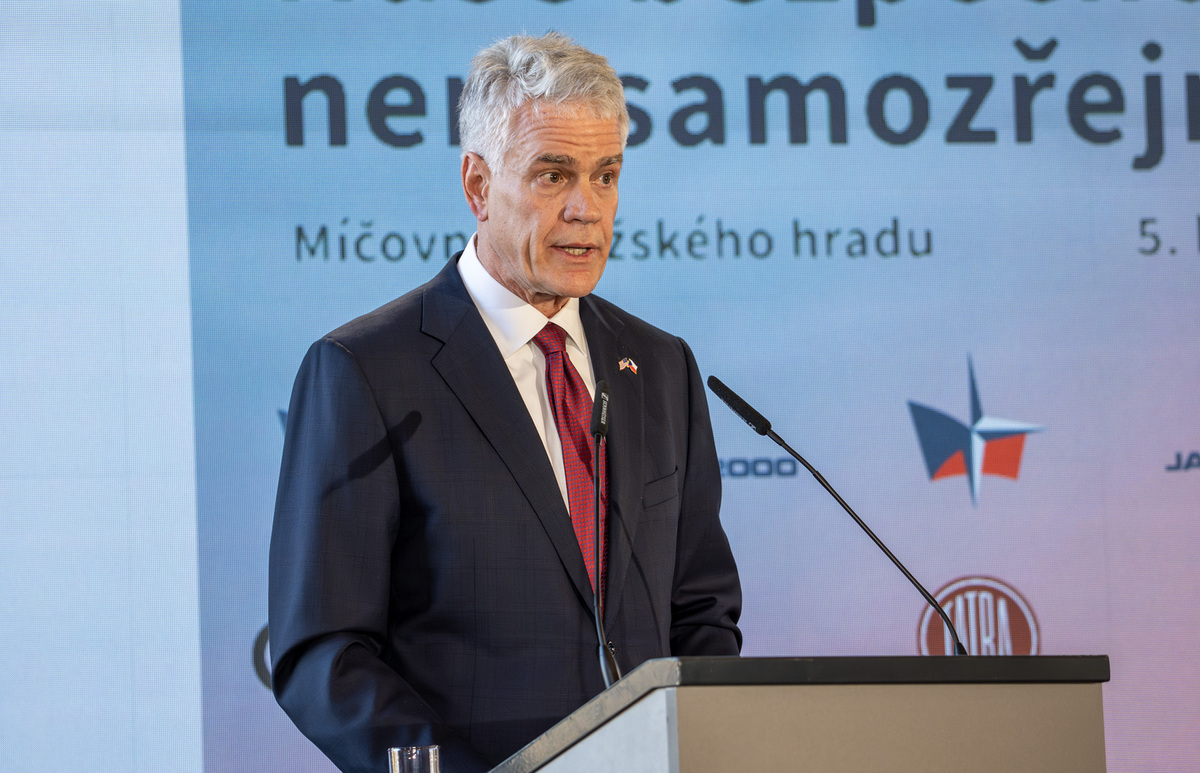
The president's speech was followed by Nicholas A. Merrick, the US ambassador to the Czech Republic, who openly pointed out the risks associated with a possible decline in Czech defense spending. According to him, a possible reduction in defense spending to approximately 1.8% of GDP would send a problematic signal not only to allies but also to the security situation in Europe. "With spending at around 1.8% of GDP, the Czech Republic would risk becoming one of the countries with the lowest defense spending in the Alliance," said Ambassador Merrick. At the same time, he warned that this could complicate the fulfillment of Alliance commitments: "This level of spending means that Czechia risks not meeting its capability goals." According to Merrick, such a development would not only affect the Czech Republic, but also the functioning of collective defense. "If any of the allies fail to meet their commitments, it has an impact on the entire Alliance," the US ambassador emphasized.
Yesterday's speeches and discussions at Prague Castle thus reaffirmed the main message of the entire conference, namely that the security of democratic states cannot be taken for granted and that maintaining it requires long-term political decision-making, stable investment, functioning institutions, and the active involvement of society as a whole.