













Czech defense industry rises again as a global arms power
In January 2026, Hynek Kmoníček, the Prime Minister’s new advisor on national security, stated that, according to available estimates, the automotive industry is likely to lose its long-standing position as the “driving force” of the Czech economy this year. The leading sector this year will be the production of military equipment, or the defense industry. Since the Czech Republic was previously known as the “garage of Europe,” this is a truly significant shift that illustrates the transformation not only of the Czech economy but also of the European economy. This prediction was further underscored by an event that occurred just a few days later. The CSG Group, the largest Czech entity in this sector, carried out its announced IPO, in which its shares saw enormous interest and a surge in price. The group’s total value amounts to tens of billions of euros, and therefore it is no exaggeration to say that it is a player of global significance.
This move also carries great symbolic significance, as it clearly demonstrates the ongoing success of the Czech defense industry, thanks to which the Czech Republic is regaining its status as a global arms power. This is, of course, largely (though not exclusively) due to the war in Ukraine, as the Czech Republic is a major supplier of weapons and ammunition to the army of the attacked country, and in terms of the volume of newly manufactured military equipment for Kyiv, it can compete even with much larger and wealthier nations. However, the war in Ukraine has “merely” accelerated this rise of Czech industry, as it had already achieved a number of impressive successes prior to 2022. The Czech Republic can now benefit from an extensive and expanding industrial base that includes important development, production, and service capabilities—capabilities that many other European countries have drastically reduced or lost entirely, whereas the Czech Republic is now expanding them. The growing strength of Czech industry is demonstrated not only by numerous export contracts but also by its acquisitions of foreign companies.
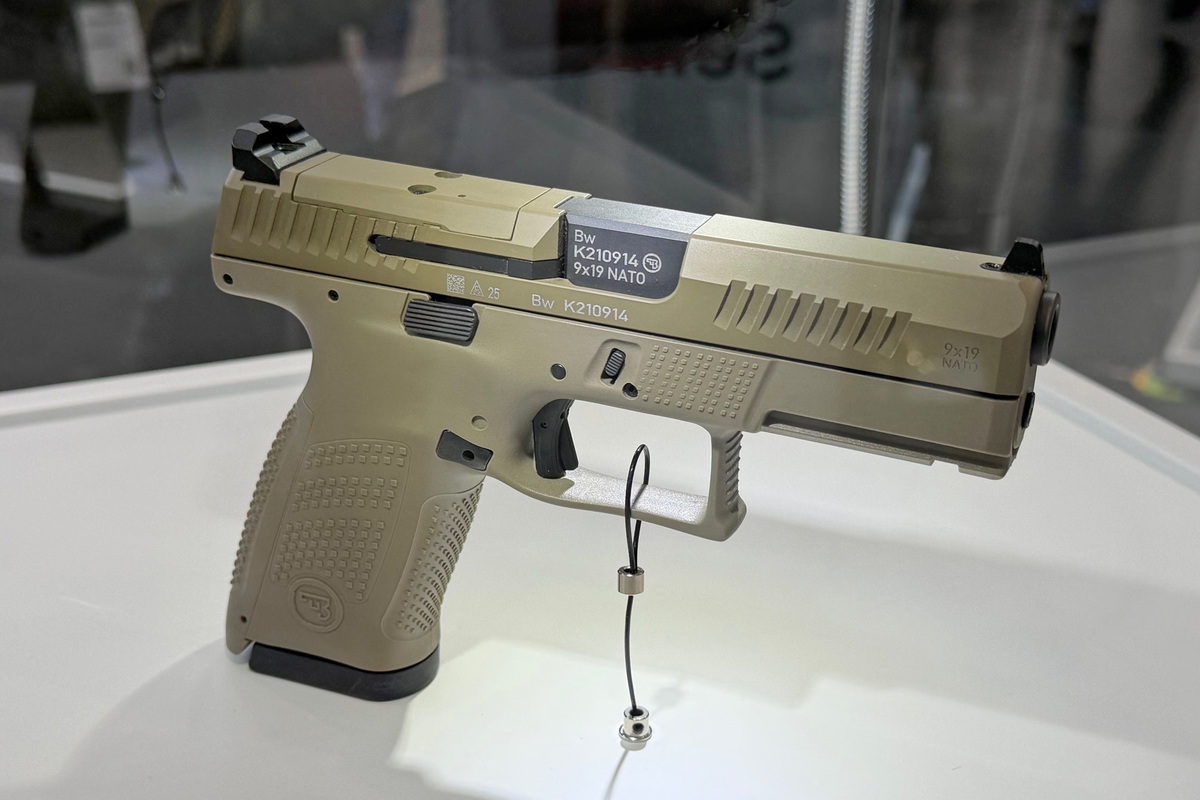
The fact that the legendary American brand Colt became part of the Česká zbrojovka Group in 2021—which subsequently changed its name to Colt CZ Group—certainly garnered the most attention worldwide. Two traditional and globally renowned manufacturers of small arms have joined forces, bringing together a portfolio of numerous successful products, including the CZ 75 pistol family and the CZ BREN and Colt AR-15 assault rifles. This group subsequently also acquired the long-standing Czech ammunition manufacturer Sellier & Bellot, as well as a stake in Synthesia, one of Europe’s leading producers of nitrocellulose—a material essential for ammunition production. Last year, the Colt CZ Group achieved extraordinary success by securing a contract to supply semi-automatic pistols to the German Army. The Bundeswehr may purchase up to 186,000 CZ P-10 C OR pistols (designated P13), which it selected amid fierce competition from several prestigious brands, including domestic German ones, clearly demonstrating the quality of the renowned pistols from Uherský Brod.
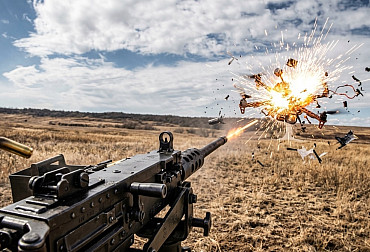
The aforementioned CSG Group has also become a major player in the small-caliber ammunition sector, having first acquired the Italian ammunition manufacturer Fiocchi Munizioni and then the American group The Kinetic Group, which includes a total of five ammunition manufacturers, including the renowned Remington Ammunition. Thanks to these two major acquisitions, the CSG Group has become the largest supplier of small-caliber ammunition in the Western world. However, it is also a major player in the large-caliber ammunition sector, particularly artillery ammunition, as its structure includes several large artillery shell factories across Europe, including Slovakia, Serbia, and Spain. The CSG Group also acquired the German company IFF, which specializes in the production of nitrocellulose, a move that aligns with the group’s efforts to build a fully autonomous supply chain for ammunition production. This is further supported by its established cooperation with Greek industry at a trinitrotoluene production plant near Athens.
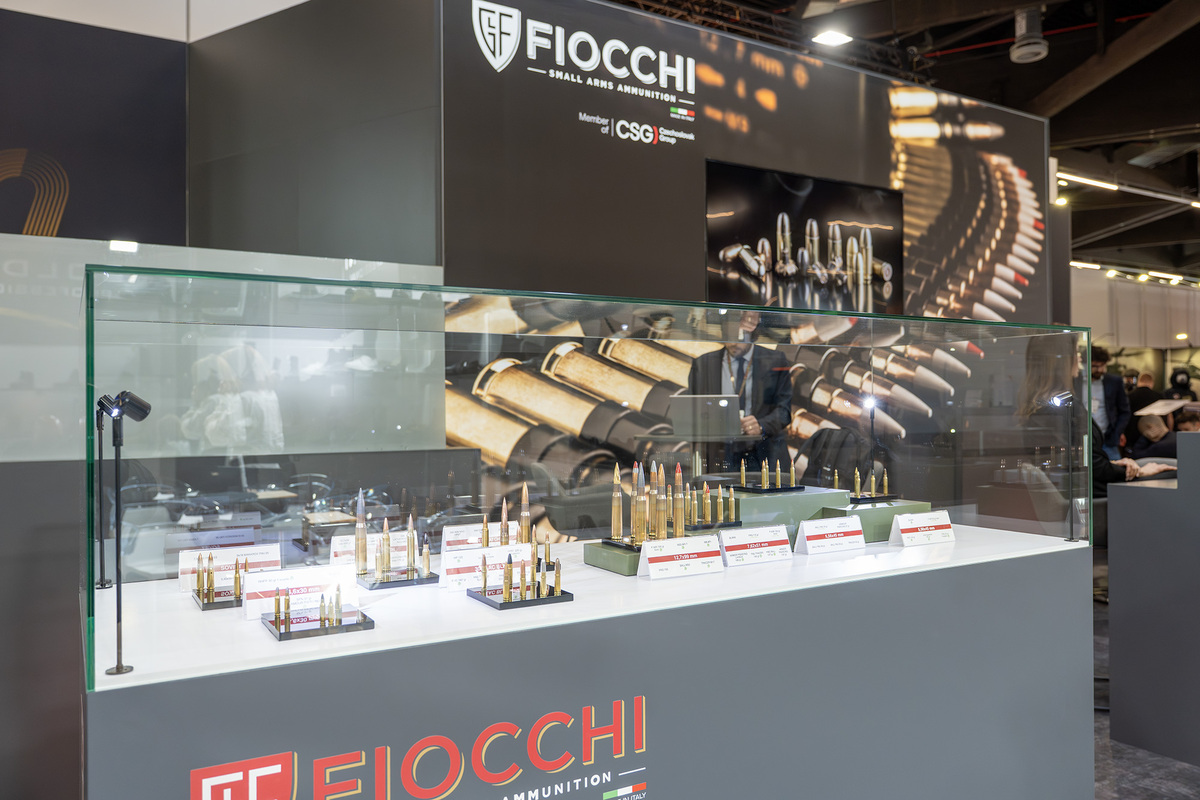
However, the CSG Group’s international activities do not end there. The group also includes MSM North America, which has been awarded a contract by the U.S. Army to build an ammunition factory, and its partner is the Ukrainian company Ukroboronprom, with which it collaborates on ammunition production directly in Ukraine. It is estimated that CSG currently accounts for roughly one-third of Europe-wide artillery ammunition production. This group also plays a significant role in the so-called Czech ammunition initiative for Ukraine. Paradoxically, however, it does not yet have any ammunition factories on Czech territory. In the Czech Republic itself, a significant amount of artillery ammunition is produced primarily by the STV Group, which, of course, also supplies Ukraine on a massive scale. In the ammunition sector, it is also worth mentioning the company Zeveta, which supplies, in particular, hand grenades and RPG-75 portable anti-tank weapons, which have also proven effective in service with the Ukrainian army.
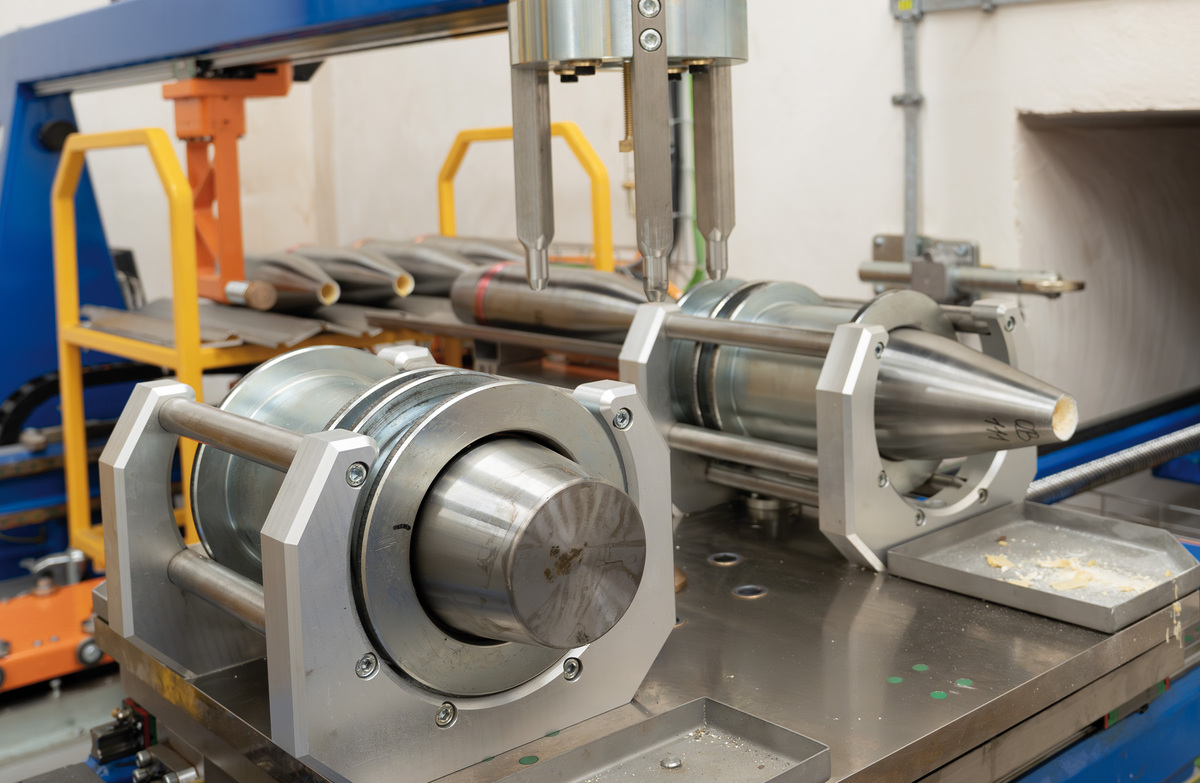
In addition to artillery ammunition, however, the CSG Group also manufactures artillery systems, such as self-propelled howitzers, which build on the legacy of the legendary 152-mm DANA howitzer from the 1970s. The modernized DANA M2 variant is successfully serving in Ukraine, as is the new DITA weapon, which has already transitioned to the NATO standard 155 mm caliber and features a high degree of automation.
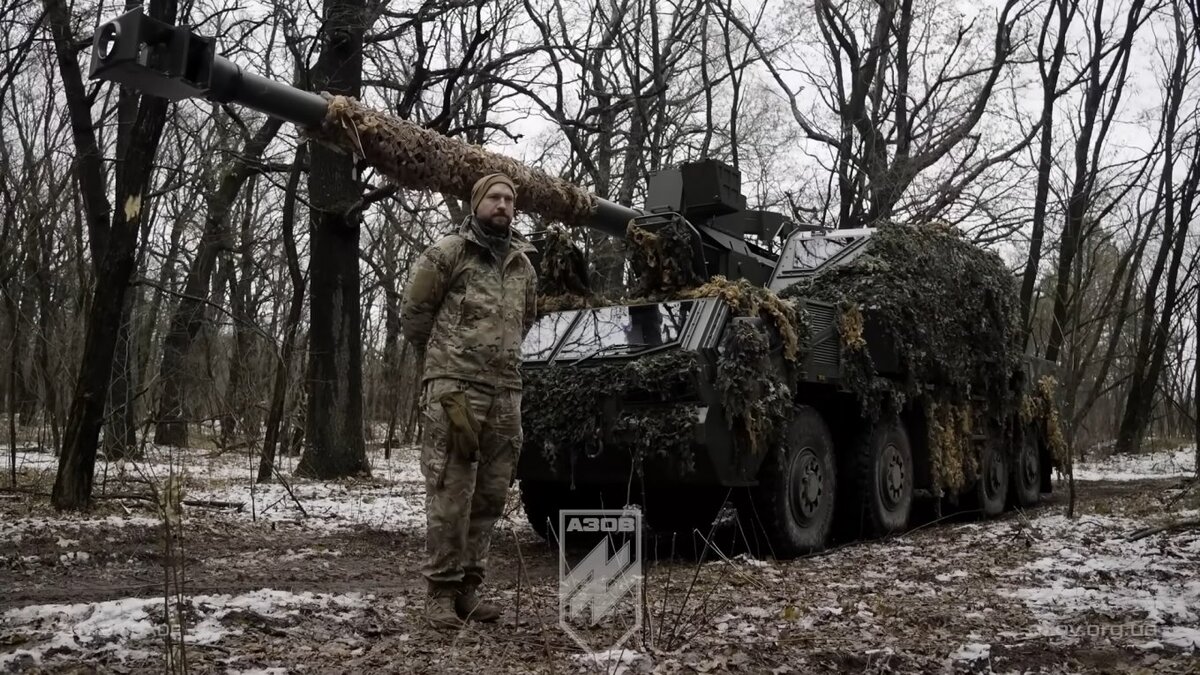
The product lineup of Excalibur Army, a company based in Šternberk and one of the main brands of the CSG Group, also includes the completely redesigned 155mm Morana self-propelled howitzer. Czech artillery rocket launchers are also being sent to Ukraine, specifically modernized variants of the classic 122mm RM-70 design. Naturally, the CSG Group’s product range also includes 122 mm rockets, including a version with extended range. In this field, the group works closely with the Israeli company Elbit Systems, which provides fire control systems for some of the aforementioned weapons and supplies AccuLAR-122 guided rockets for the rocket launchers.
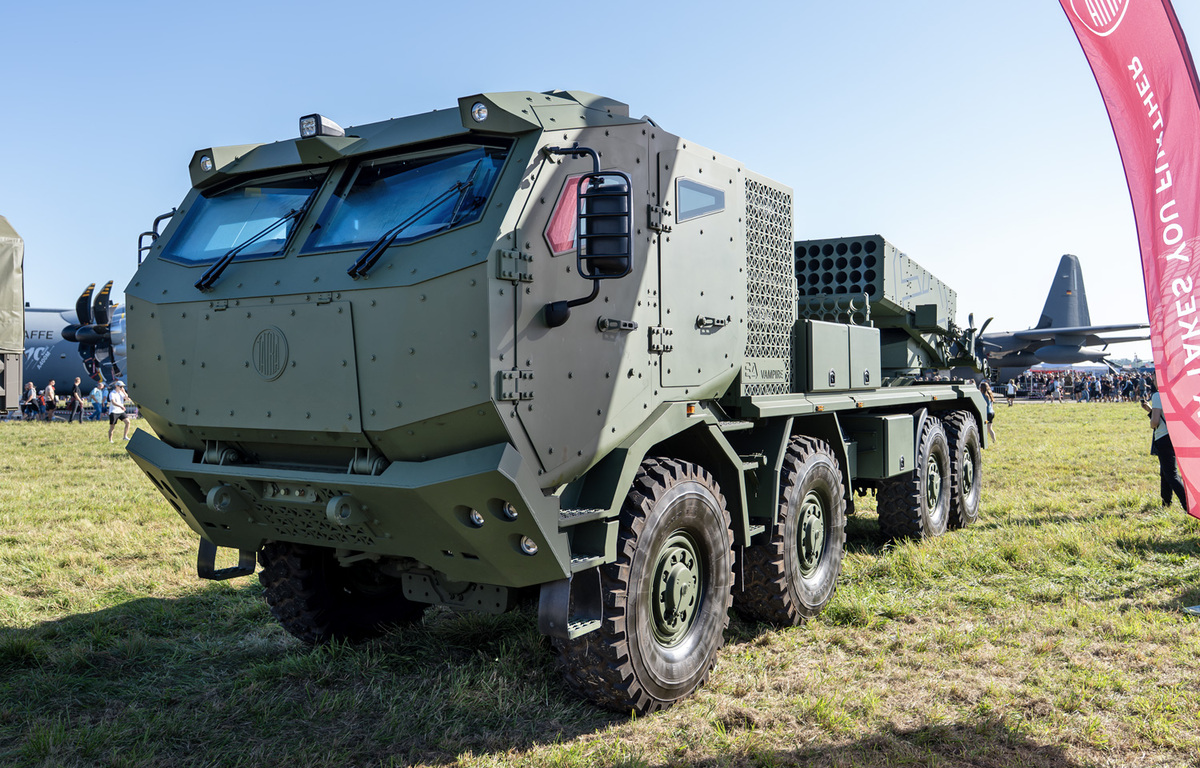
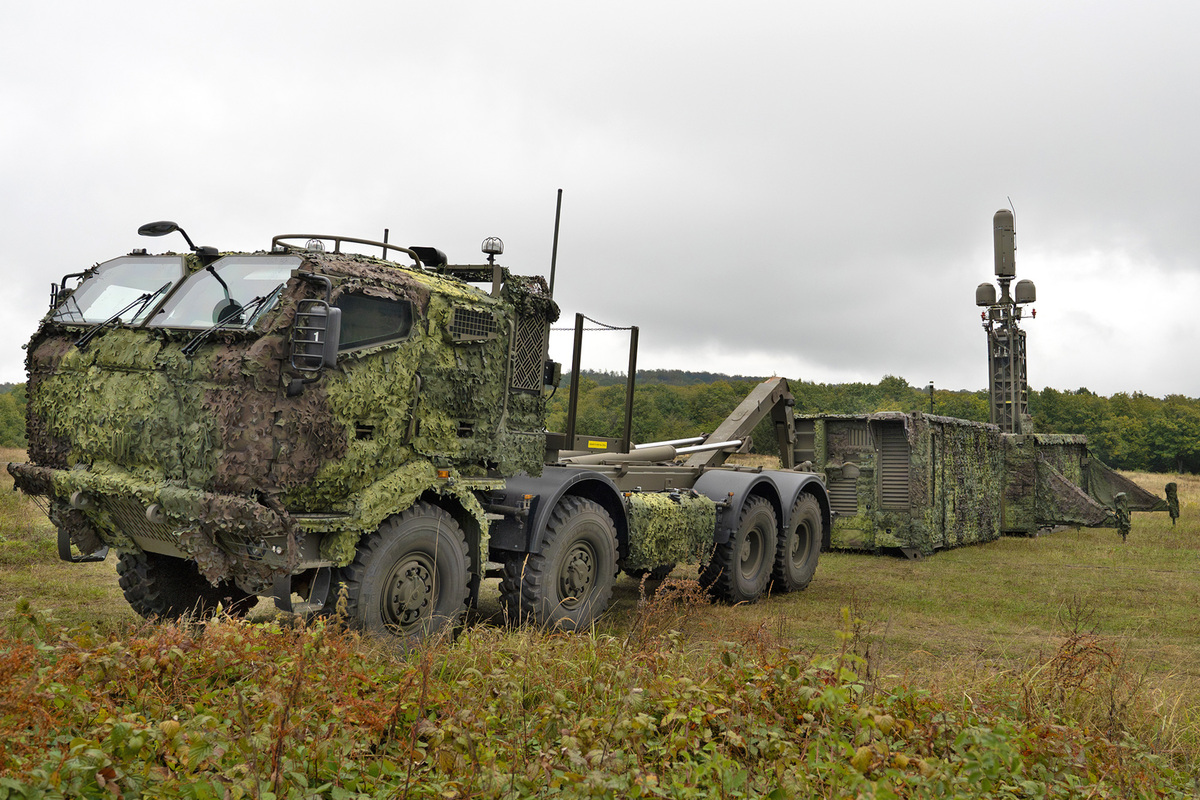
All of the self-propelled artillery systems mentioned are mounted on chassis manufactured by Tatra Trucks, which is also closely linked to the CSG Group—the latter being its majority owner—and Tatra ranks among the world’s most prestigious manufacturers of heavy-duty trucks. This is further confirmed by the large-scale deliveries of these vehicles to numerous countries around the world. Vehicles from Kopřivnice therefore play a vital role in logistics not only in the Czech Republic and Slovakia but also, for example, in the armed forces of India, Israel, the United Arab Emirates, Saudi Arabia, Belgium, and, of course, Ukraine, and in the future, for instance, Croatia or Hungary. They are also used as platforms for various weapon systems, including the 155 mm Bohdan howitzer and the Neptune anti-ship missile systems, one of which was responsible for sinking the Russian cruiser Moskva. Tatra chassis are also frequently used by Israeli suppliers, which is why they are mounted in many countries with, for example, ATMOS self-propelled howitzers, PULS artillery rocket launchers, or SPYDER air defense missile systems.
Another sector of military technology of growing importance to Czech industry is armored vehicles. One example is the Pandur 8×8 family of armored vehicles, whose design is of Austrian origin but which have been a Czech product for many years, as production was completely transferred to the Czech Republic under the Kopřivnice-based Tatra Defence brand. The company has already exported these vehicles abroad (specifically to Indonesia and the Philippines) and in 2025 unveiled a completely new version called the Pandur 8×8 EVO, which it offers to the Czech Army as well as to foreign customers.
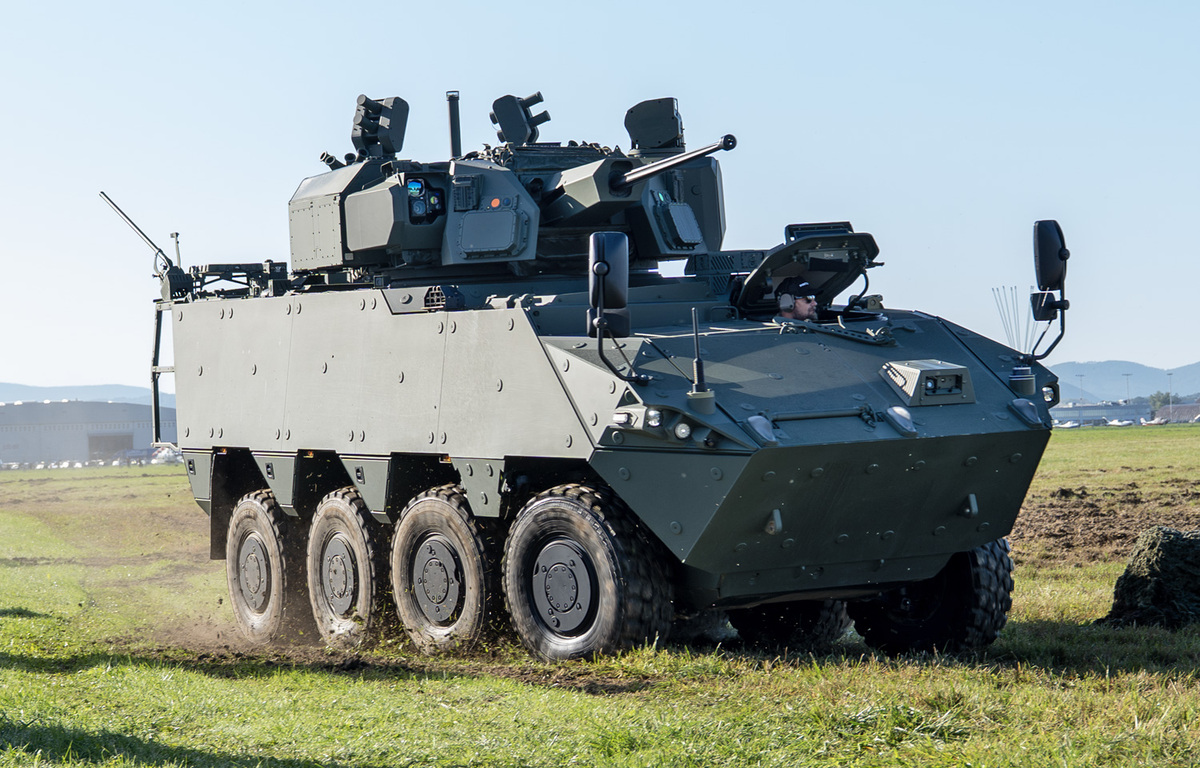
Excalibur Army also supplies the Patriot 4×4 four-wheel-drive armored vehicles and Tatra Defence’s TITUS six-wheel-drive armored vehicles, as well as TADEAS vehicles in 4×4, 6×6, and 8×8 configurations, which utilize Tatra off-road chassis. It is worth noting the extensive cooperation with neighboring Poland, as its military has already decided to adopt the Patriot 4×4 and TADEAS 6×6 platforms under the names Waran and Heron, and licensed production in the hundreds or thousands of units can be expected.
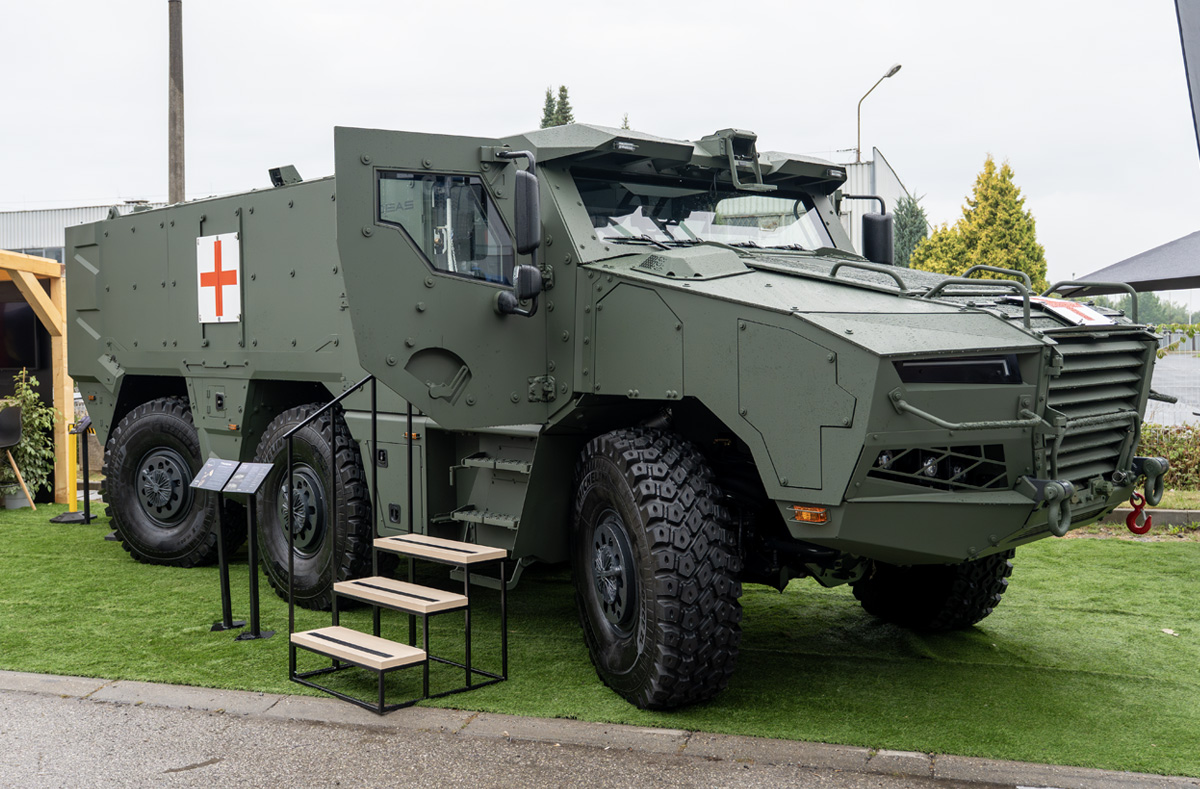
In addition to products from CSG Group companies, the range of Czech armored vehicles also includes the four-wheeled MARS vehicle from SVOS. SVOS collaborates with the Swedish company Saab, which is why this armored vehicle is used, among other things, as a platform for the mobile variant of the RBS 70 NG anti-aircraft missile system. The STV Group also intends to establish itself in this sector; it cooperates with the Finnish Patria Group and therefore offers the Czech Army the Finnish eight-wheeled Patria AMV XP armored vehicle, which, if successful, would be assembled or manufactured in the Czech Republic. If we now shift from wheeled vehicles to tracked ones, we must again mention the Tatra Defence brand, which in 2024 won a contract to manufacture the armored hulls for the two-section BvS 10 tracked armored vehicles of the multinational corporation BAE Systems. CSG Group companies are also expected to play a major role in the serial production of German Leopard 2A8 tanks, not only for the Czech Army but also for foreign customers,
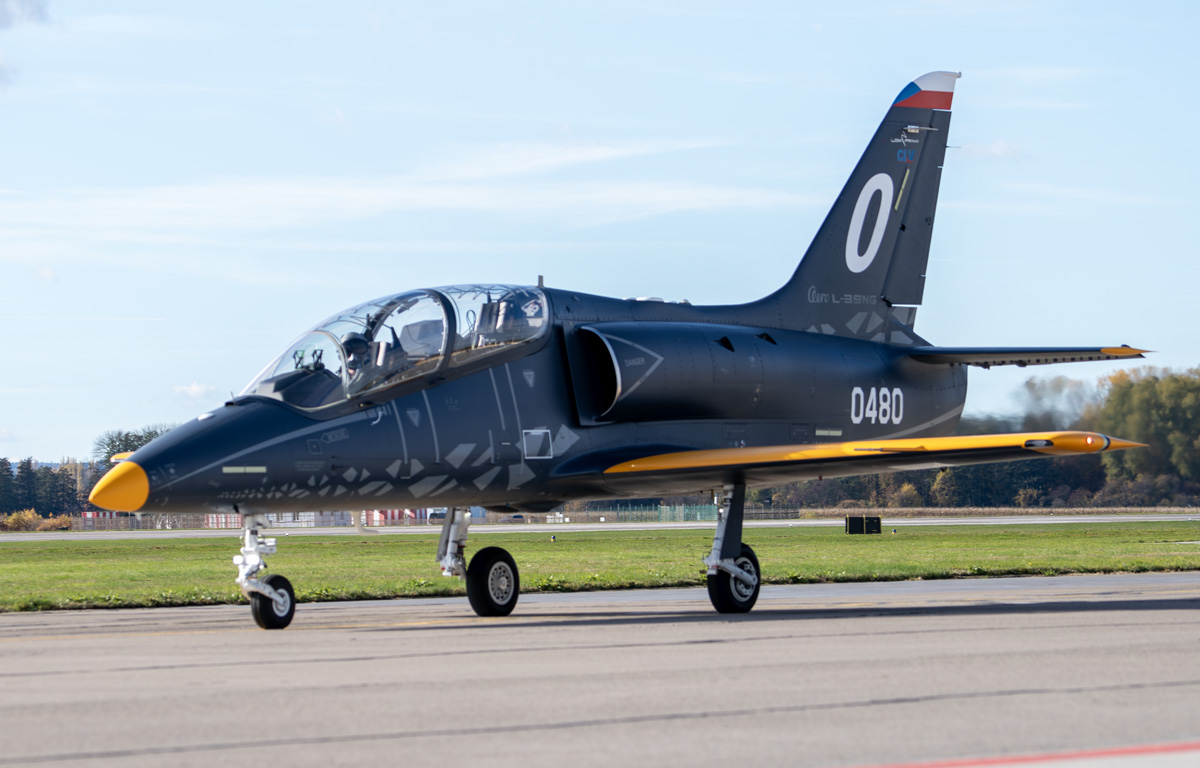
Czech industry has historically built a renowned reputation in the field of aviation technology as well, where the Aero Vodochody brand, among others, operates. The company once launched the famous L-29 Delfín and L-39 Albatros models, the latter of which has been succeeded by the L-39 Skyfox, a jet trainer and light combat aircraft. The Skyfox has already secured several export orders (including for Vietnam and Hungary), and further contracts are expected. In addition, Zlín Aero’s propeller-driven training aircraft, such as the Z 143 and Z 242, and Aircraft Industries’ Let L-410 series of light transport aircraft are achieving success. Czech industry is also making significant inroads into the now extremely lucrative field of unmanned aerial vehicles, as evidenced by the commercial success of Primoco UAV drones, which are already in operation in a double-digit number of countries. LPP is also active in this sector; the company has begun manufacturing “suicide” drones for Ukraine and is preparing to produce glide bombs.
To power the latter category of weapons, small, compact jet engines are required, and surprisingly few companies worldwide currently manufacture them to an adequate standard. It is noteworthy that the Czech company PBS is among them, as its engines are used to power certain Ukrainian long-range weapons that strike targets deep behind Russian lines. The CSG Group is also active in the field of aerospace technology, as its structure includes a division called CSG Aerospace, whose companies are involved, among other things, in the production and repair of aviation and radar equipment. Among the brands in this division are, for example, the Pardubice-based companies Retia and Eldis, which rank among the world’s leading manufacturers of military and civilian radars. The former has also obtained a license for modules from the Israeli company Elta, thanks to which it participates in the supply of radars for the Czech Army and foreign clients. CSG also owns AviaNera, a company that manufactures small jet engines for drones and guided missiles.
The Czech-Ukrainian company U&C UAS also plays a significant role; it currently manufactures the Leleka and Bulava reconnaissance and “suicide” drones for the Ukrainian military, but these models are also available on the global market under the names Stork and Mace. U&C UAS has already secured its first major export contract, with India. Of course, we must also mention the Pardubice-based company ERA, which is part of the Omnipol Group and continues the tradition of the Pardubice-based Tesla, which became famous primarily for its Ramona and Tamara passive surveillance systems. ERA is now active in this field as well; its Vera-NG system has already achieved many export successes, and the company also offers other state-of-the-art systems in this category. Together with drone manufacturing, this demonstrates the advancement of Czech industry even in highly technologically demanding fields, a fact further illustrated by the CSG Group’s investments in companies engaged in, among other things, artificial intelligence, quantum technologies, 3D printing, and modern digital electronics.
Thanks in particular to the application of cutting-edge technologies, the defense industry ranks among the sectors with the highest added value. While it is often said that the Czech Republic has become little more than an “assembly plant” in the automotive industry, this is certainly not the case in the military technology sector. Czech brands often carry out their own advanced development, create their own supply chains, and even become integrators of larger projects, as evidenced, for example, by the delivery of missile systems to Indonesia—a program managed by Excalibur International, part of the CSG Group, in cooperation with Turkey. Cooperation with strong foreign partners is, after all, further evidence of the strengthening position of Czech industry. Cooperation with Ukraine undoubtedly holds enormous potential, as it offers a unique opportunity to test new weapons under conditions of intense armed conflict and to immediately implement the insights gained in this way into development and modernization.
High technological value-added naturally translates into profits, as the defense industry has long been among the sectors that contribute most significantly to the state treasury and the economy as a whole. However, this is only true if domestic industry is prioritized—or, simply put, if the state favors domestic suppliers when procuring equipment for its armed forces. Analyses from recent years show that every crown from the state budget allocated to development and production projects in the Czech defense industry subsequently generates between 3 and 4 crowns for the Czech economy. This is clearly a huge benefit, which should be taken into account especially now, when political leaders are declaring efforts to boost the performance of the Czech economy. The outlook for the current “driving force,” namely automobile manufacturing, now appears rather uncertain, while in the case of the defense industry, all signs point to a very promising future, as armies (not only) in Europe will now strive to rectify what they have clearly neglected for years.
In addition to contributing to the country’s defense and security and generating revenue for the state budget, a strong domestic defense industry also offers significant benefits in other respects. For example, it provides jobs for many employees with varying levels of qualifications and, last but not least, can also serve as a source of technologies that find applications outside the military. This is also linked to the fact that the Czech defense industry is increasingly cooperating with domestic universities, primarily with the Czech Technical University in Prague (ČVUT), the Brno University of Technology (VUT), and the VŠB-TUO in Ostrava. This naturally presents an opportunity for the state to support such cooperation and to accommodate the domestic defense industry in other matters that may hinder its expansion. In the past, this primarily concerned cooperation with banks, as European banks typically viewed the defense industry negatively, making it difficult for companies to secure loans or credit for further development. However, this has changed (particularly due to the war in Ukraine), and cooperation with banks is now proceeding much more smoothly.
However, high energy prices remain a major problem, as the defense industry relies on numerous manufacturing processes (particularly metallurgical and chemical ones) that are highly energy-intensive; consequently, energy prices are inevitably reflected in the final production costs. The new Czech government frequently speaks of supporting domestic industry and has also expressed a commitment to significantly reducing energy prices, so it is to be hoped that these intentions will indeed be fulfilled. Another long-term challenge is the issue of personnel, as the defense industry (like other sectors) is struggling with a shortage of qualified employees. The CSG Group has therefore already begun implementing its own training programs; however, the state should take the lead here as well, advocating, among other things, for the revitalization of vocational education. The Czech defense industry undoubtedly has truly attractive opportunities ahead of it, but it is equally certain that systemic support from the state will be necessary for the Czech Republic to once again become a global arms power.