










The Czech defence industry as a leader in European defence
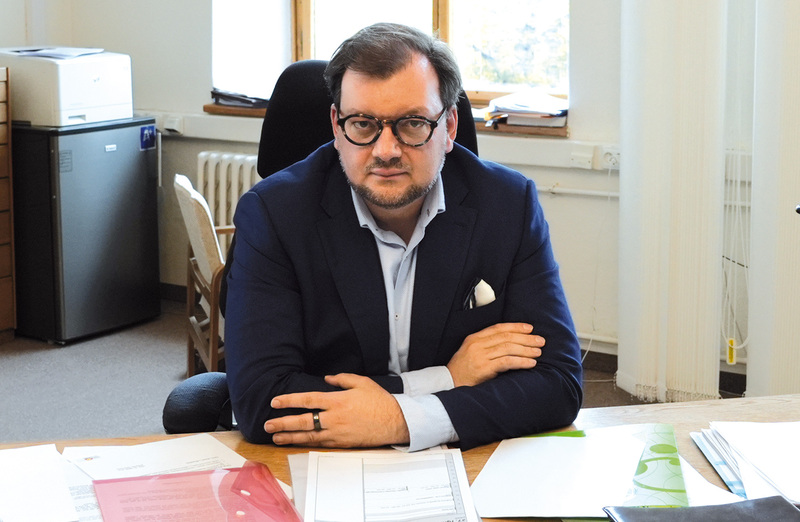
The rapid growth of the Czech defence industry, which has accelerated particularly since 2022, is perhaps the biggest story in the Czech economy in recent years. In a short period of time, its share of our country’s overall economic output has multiplied several times over and has the potential to at least partially replace the current significance of other industrial sectors. But let us not be mistaken: we still lack effective, long-term, sustainable, and mutually beneficial cooperation between the defence industry and the state, warns Jan Jireš, a security expert, former Deputy Minister of Defence of the Czech Republic, and Senior Fellow at the Center for Transatlantic Relations at CEVRO University, in his article.
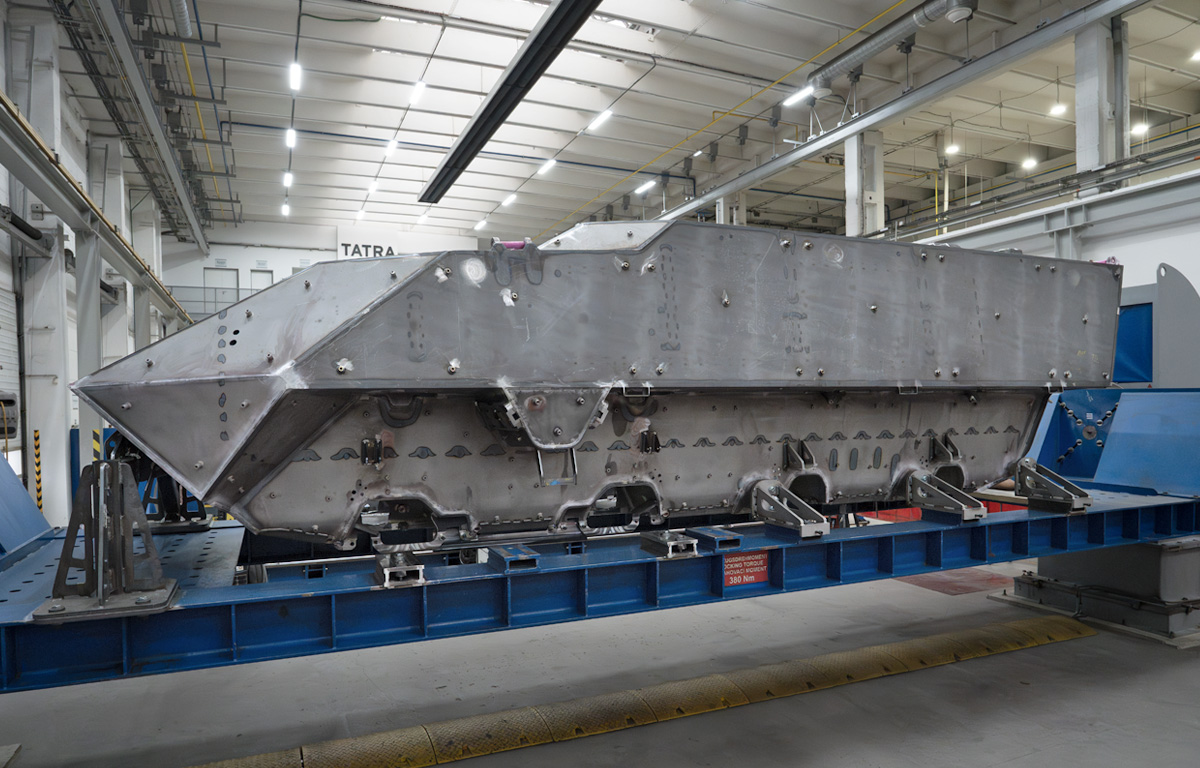
In addition to its contribution to the Czech Republic’s economic and technological development, the defence and security industry is a key component of our national defence. As stated in the Czech Republic’s Defence Strategy, “an advanced and resilient national defence industrial base is a prerequisite for advancing the state’s security interests and contributes to meeting the operational needs of the armed forces.”
However, the success of Czech companies – recently crowned by the CSG Group’s listing on the Amsterdam Stock Exchange and its valuation at roughly 32 billion euros – should not lead to the assumption that everything is fine with the Czech defence industry. We still lack a basic framework for effective, long-term, sustainable, and mutually beneficial cooperation between the defence industry and the state.
It is not only the industry that loses out, as it often cannot utilize tools for its development that are common in other European countries. Above all, the state loses out, as it does not know whether and how it can rely on industrial capabilities in preparing for defence, during a crisis, and in a conflict.
On the one hand, the Czech defence industry has a number of strengths. These include a diversified product portfolio, technological sophistication, a skilled workforce, flexibility and a willingness to take risks, international competitiveness, the acquisition of significant industrial capacity abroad, and high profitability.
On the other hand, its future growth is threatened by numerous weaknesses. Some of these apply to Europe as a whole, while others are specific to the Czech Republic. Among the former are overly restrictive regulations (which the European Union is currently seeking to reduce), a fragmented defence market, a shortage of skilled labor, a weak capital market, the inability of users to quickly procure and integrate new technological solutions, and dependence on supplies of key materials from problematic countries.
The latter – domestic – include the absence of legislative tools common elsewhere to support export opportunities for the defence industry, low levels of investment in research, development, and innovation from the Ministry of Defence budget, limited capacity to utilize EU defence programs and funds, the lack of direct communication and cooperation between companies and the military, and the aforementioned absence of a basic framework for integrating the defence industry into the country’s defence system.
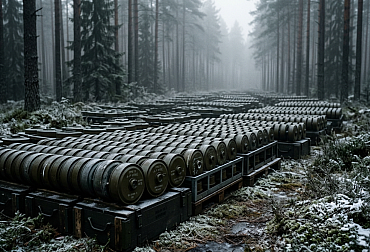
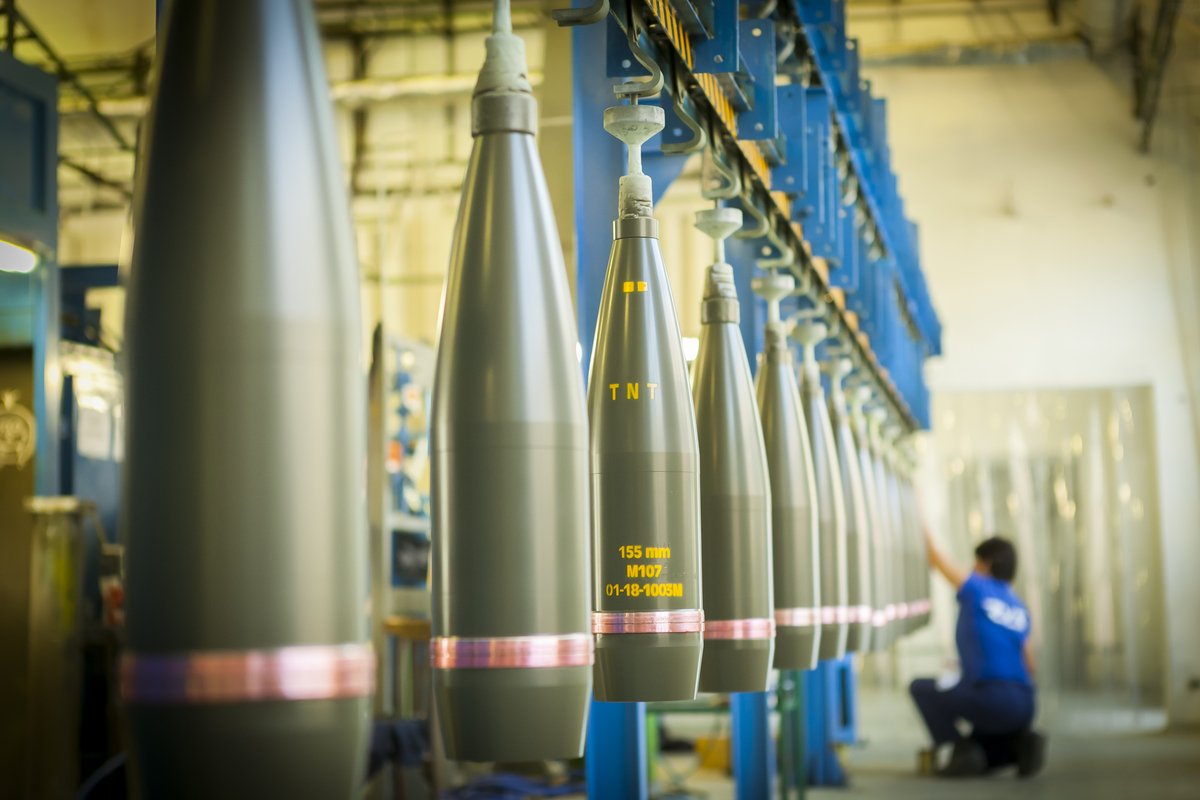
We need a long-term, sustainable system of cooperation between the government and the defence industry
Given the current exceptionally dire security situation, and in light of efforts to strengthen the Alliance’s collective defence and rapidly enhance the defence readiness of European nations, we must address these weaknesses as soon as possible. There are several changes, steps, and measures that have been under discussion for some time; their necessity is clear, and they would help resolve many of the aforementioned weaknesses.
First, it is necessary to establish a functional and long-term sustainable system of cooperation between the state and the defence industry. The defence industry must be established as a full-fledged pillar of the Czech Republic’s defence, which, among other things, entails defining the industry’s obligations toward the state and introducing a system of compensation to which the industry will have a corresponding claim from the state.
A related step is the integration of the defence industry into crisis planning and preparedness for crisis situations. Companies should be adequately involved in crisis planning and should participate in joint consultations and, where appropriate, exercises with state institutions and security agencies.
Second, the government should strive to ensure that the domestic defence industry plays the largest possible role in modernization projects for the Czech armed forces and security forces. This means introducing clearly defined and measurable rules establishing a minimum level of Czech industry involvement in procurement processes, including technology transfer, licensed production, and ensuring the entire lifecycle of procured equipment through Czech companies.
Third, given the rapid pace of technological development and current methods of warfare, which we see particularly in Ukraine, it is necessary to reform the procurement system so that it is capable of responding flexibly to a changing operational environment and enables the effective acquisition of rapidly evolving military technologies. In other words, certain technological solutions and weapon systems should be procured more as progressively improved and continuously delivered “services” rather than as finished products sitting in warehouses for years.
There is a lack of mobility between the private sector and the military
This is also linked to the need to facilitate direct communication between manufacturers and users, particularly the military. Developers and innovators in the defence industry must be able to test and validate their technological solutions as quickly as possible in collaboration with soldiers under conditions that closely resemble real-world scenarios, specifically by utilizing military training areas and facilities.
Fourth, it is necessary to strive for the greatest possible involvement of Czech manufacturers in the defence industry and innovation programs of the European Union and NATO. The draft EU budget for the period 2028 to 2034 allocates up to 130 billion euros to defence projects, which is an order of magnitude more than in the previous seven-year period. If the Czech defence industry were unable to secure an adequate share of these funds for its development, it would be severely disadvantaged on the European market compared to established Western European competitors.
While the primary responsibility here lies with the companies themselves, which must be active, proactive, and visible at the European level, this cannot be achieved without systematic support from the Czech government. The Czech Republic’s involvement in EU defence projects will help create opportunities for the Czech defence industry as well. If our country actively participates in shaping European defecse and the European defence-industrial ecosystem, it will not only contribute to its own defence capabilities but also open doors for Czech companies. The Czech Republic should also consistently support the creation of a genuine “common European defence market,” within which barriers to the transfer of military equipment and cooperation among defence industry companies will be removed.
Establishing a presence in the European market also requires the completion of several legislative tasks. We need laws that will enable foreign trade in military equipment under a full-fledged government-to-government regime, the procurement of military equipment by the state for the purpose of its subsequent donation, and the role of Czech entities as “implementing actors” with the aim of involving Czech industry in defence and security programs funded by the European Union.
The advantage of these changes and measures is that they are neither politically controversial nor ideologically tinged. Moreover, with few exceptions, they do not require funding from the state budget; on the contrary, they will bring money to the Czech Republic. Thus, nothing should prevent the Czech defence industry, in close cooperation with the state, from shifting into an even higher gear and Czech companies from definitively establishing themselves as indispensable leaders in European defence.