













Mi-171ŠM “Krovka”: LOM PRAHA’s Czech Upgrade Turns an Eastern Platform into a Full-Fledged NATO
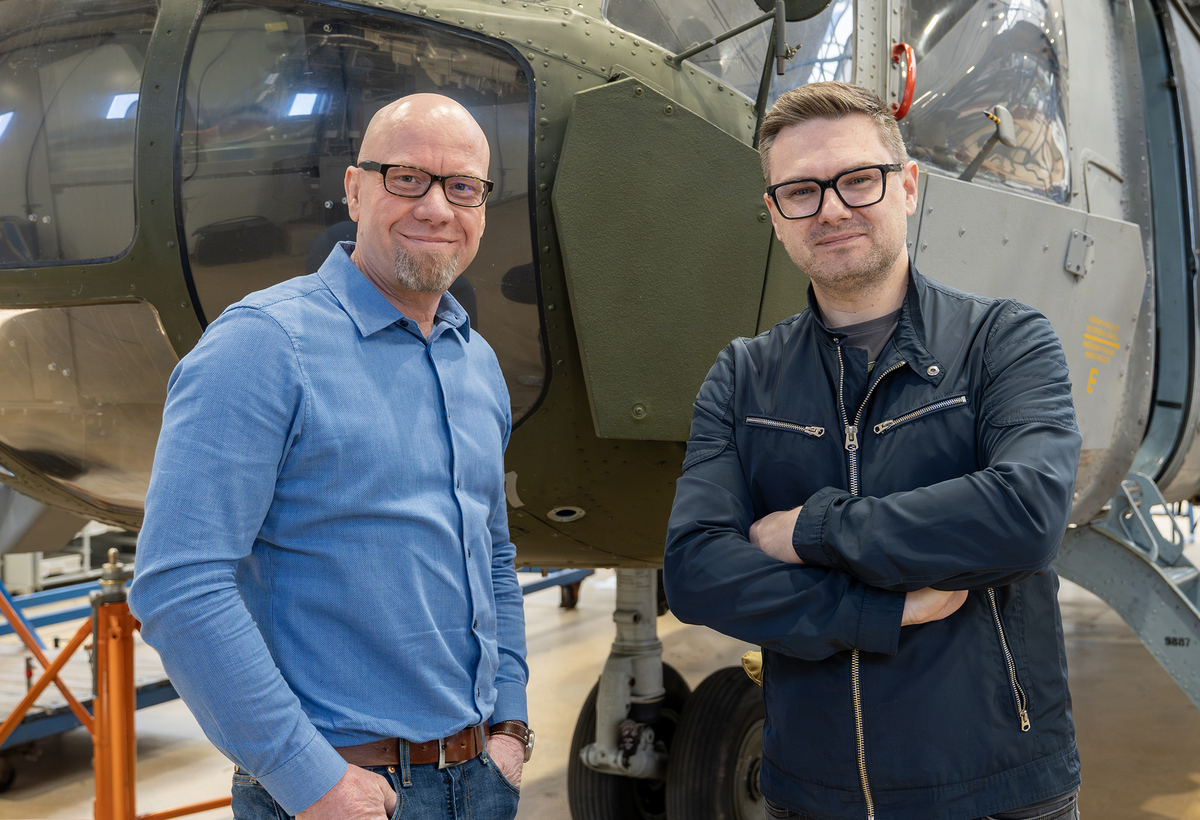
The comprehensive modernization of the Mi-171Š helicopter into the Mi-171ŠKM variant, known as “Krovka,” represents one of the most significant projects in the Czech defense industry’s aviation sector today. The state-owned enterprise LOM PRAHA is confirming its role here not only as a service organization, but above all as an integrator and development authority capable of implementing comprehensive modernization programs at a level corresponding to current alliance standards. From an interview with Jaroslav Čermák, Director of the Modernization and Modification Plant, and from statements by Jiří Protiva, Director of the state-owned enterprise LOM PRAHA, it is clear that “Krovka” is not merely a technical upgrade, but a strategic project that combines technological modernization, operational sustainability, and the strengthening of national autonomy in the field of military aviation.
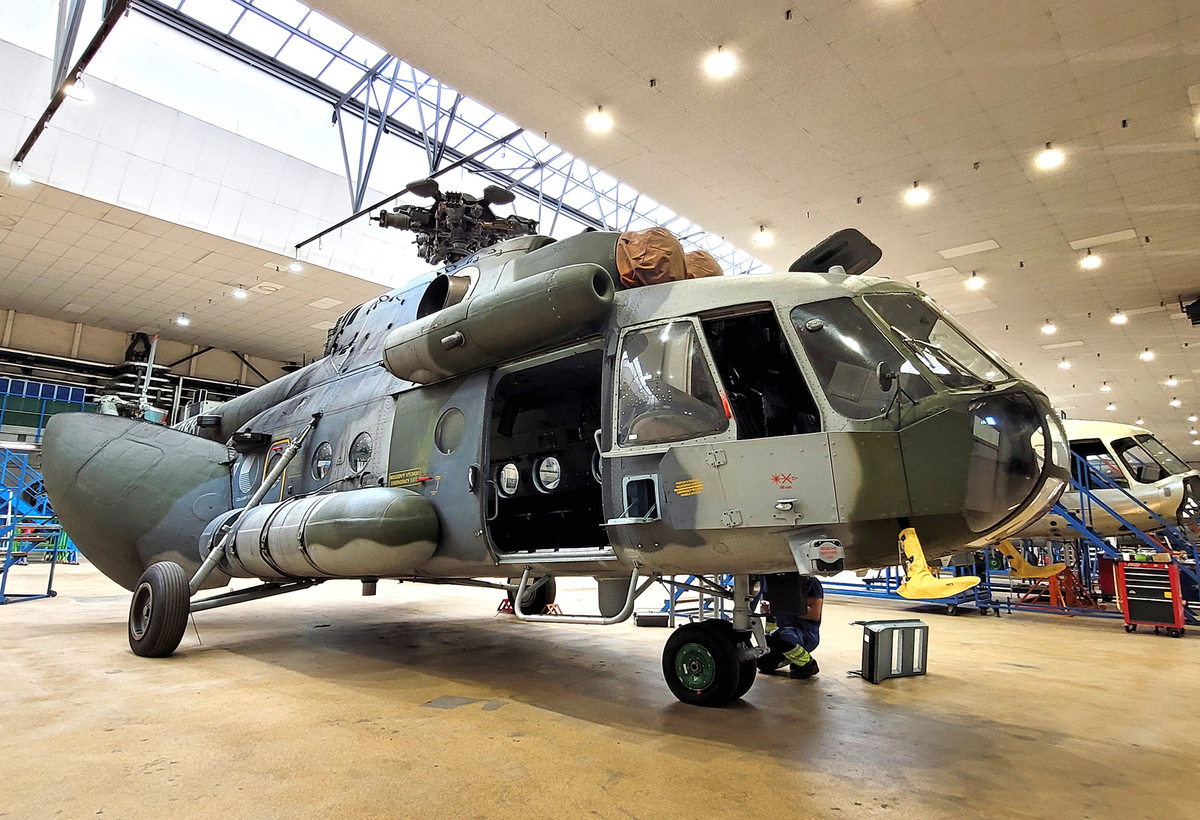
The project is based on requirements from the Ministry of Defense, specifically the Czech Air Force and the Ministry of Defense’s Force Development Directorate, which identified the need to adapt the existing Mi-171Š platform to current NATO standards and operational requirements. The project’s roots stretch from the conceptual design through the specification and project brief, development, and certification back to the previous decade, illustrating the complexity of the entire process.
As Jaroslav Čermák emphasizes, the certification phase is the key moment in any such project. It includes factory and type tests verifying compliance with aviation regulations, followed by abbreviated military trials in which the end-user – the Czech Army – verifies whether the modernized helicopter meets tactical and technical requirements. The Mi-171ŠKM prototype successfully completed this process, with the military trials taking place at the turn of 2025 and 2026 and concluding with a satisfactory result.
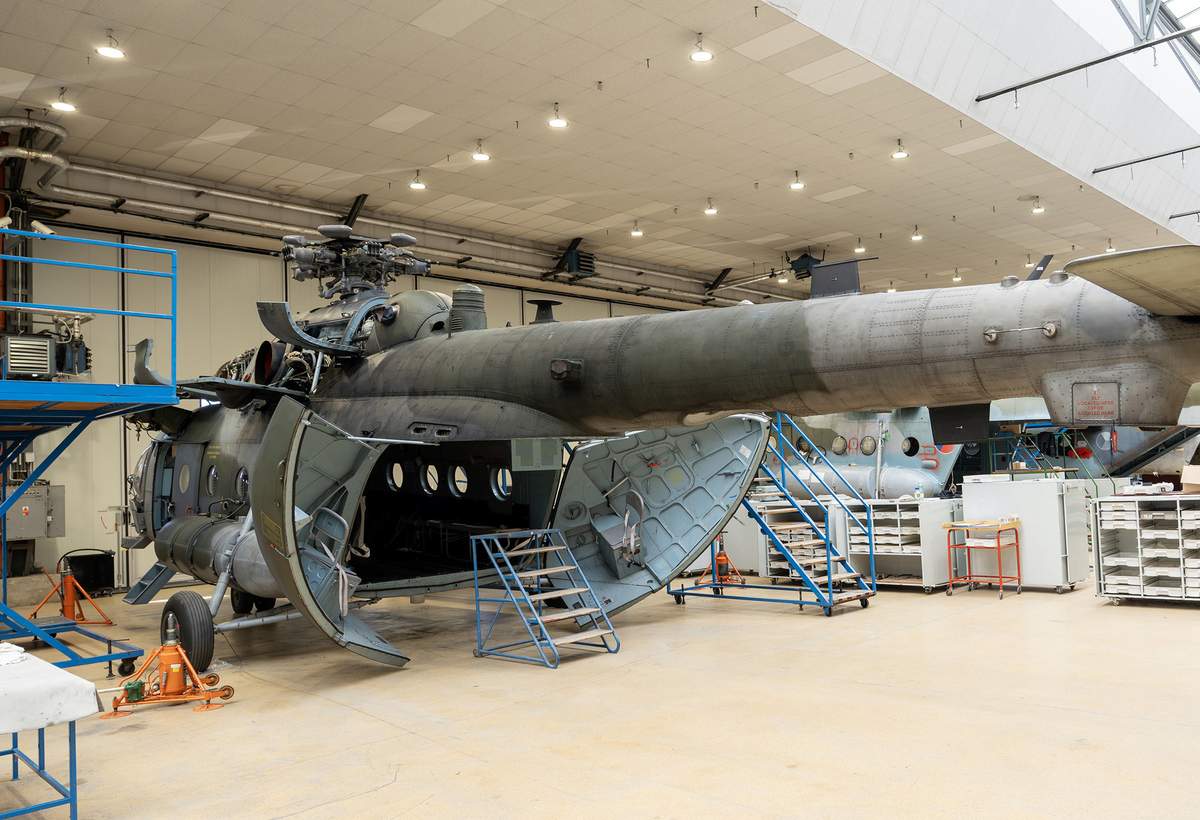
The modernization involves a total of eight Mi-171Š helicopters in the cargo door variant, which will be gradually converted to the ŠKM standard. The process is phased so that the military does not lose the necessary operational readiness of the aircraft. “As soon as we hand over one modernized unit, the army will provide us with another,” explains Čermák. In practice, this creates a continuous cycle in which LOM PRAHA typically modernizes two aircraft in parallel.
A key element of the project is the so-called “westernization” of the platform. The goal is not only to enhance capabilities but also to minimize dependence on Russian components and achieve full compatibility with NATO standards. The modernization includes new navigation and communication systems, a Mode 5 IFF identification system, radios with COMSEC and TRANSEC support, and the integration of military GPS and tactical satellite communication equipment.
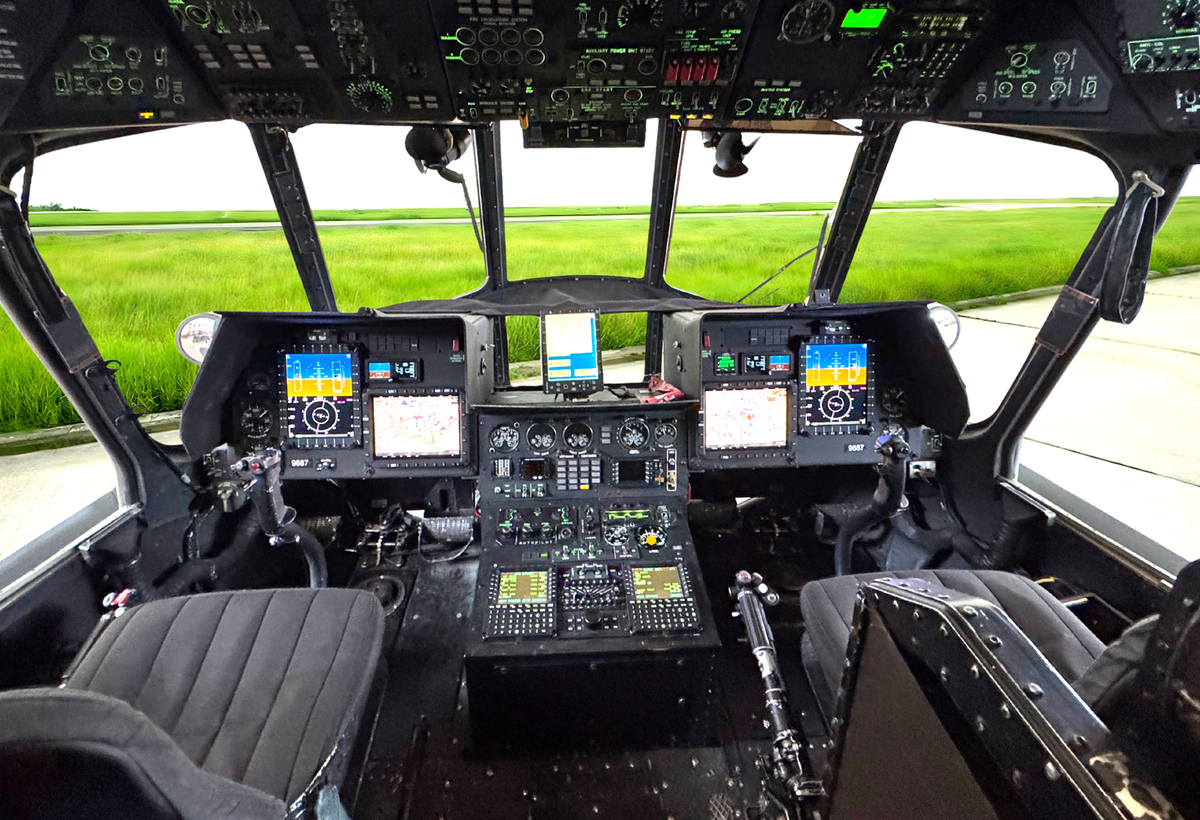
This shift was also highlighted by Jiří Protiva, director of LOM PRAHA, who points out the fundamental difference between the modernized machine’s external appearance and its actual capabilities. According to him, while the helicopter still resembles the original Eastern-made platform at first glance, its internal equipment places it among modern aircraft equipped with advanced communication, control, and avionics systems. The modernization also includes ballistic protection and self-defense systems, with NATO compatibility remaining a key aspect.
However, according to Protiva, the significance of the project extends beyond the purely technical level. He notes that the modernization ensures the long-term sustainability of the Mi-171Š helicopter fleet for the Czech Army while also bringing stability to the company itself, which, as a result, maintains and develops its unique capabilities in the field of aviation systems development and integration.

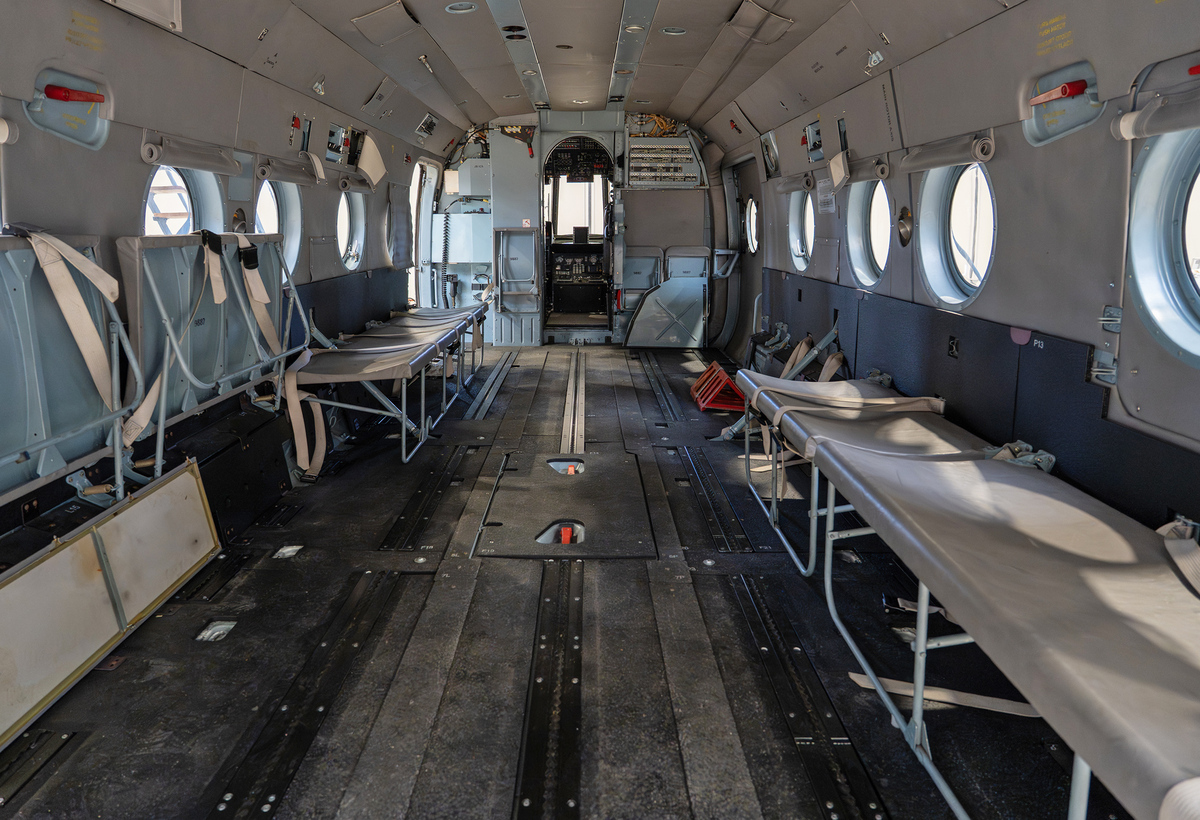
In addition to the technological advancement, modularity is another key benefit. The helicopter can be quickly configured for various types of missions – from transport operations and troop deployment to MEDEVAC or crisis response support. Thanks to the quick-release cargo system, it is possible to install, for example, a medical module, a firefighting bag with the ability to draw water from shallow sources, or an onboard crane with a lifting capacity of 272 kg. Practical modifications, such as quickly removable steps for troop deployment, were developed directly based on soldiers’ experiences.
Close cooperation with the Czech Army is one of the key factors in the success of the entire project. The Army acts not merely as a contracting authority, but as an active partner whose representatives participate in development and incorporate their operational experience directly into design solutions. This model of cooperation is also reflected in testing, particularly for sensitive military systems.
From a lifecycle perspective, LOM PRAHA declares the ability to keep the Mi-171Š helicopters in service at least until 2035 to 2042. Crucially, however, modernization is not a one-time step but a continuous process responding to evolving technological and operational requirements. It is precisely this ability for ongoing adaptation that represents one of the main advantages of the domestic solution.
In a broader context, the “Krovka” project demonstrates that modernization need not be merely a transitional solution between old and new technology. As Jiří Protiva suggests, the combination of modernized Mi-series helicopters and the newly introduced H-1 platform creates a robust and flexible capability for the Czech Republic, strengthening its position within NATO.
The modernization of the Mi-171ŠKM thus represents a pragmatic and effective response to current challenges. It is not merely a technical upgrade of the existing platform, but a strategic decision that allows for the maximum utilization of existing capabilities, strengthens technological sovereignty, and ensures that the Czech helicopter force remains a relevant and interoperable component of Alliance forces in the years to come.
Related