
















Signal Corps 2026 Conference: Digital Sovereignty of the Czech Army and the Czech Republic
The Signal Corps 2026 Conference took place on June 3 and 4, 2026, in Lipník nad Bečvou. More than 650 leading experts in the fields of information and communication systems, cyber defense, and security focused this year on topics related to the digital sovereignty of the Czech Army and the Czech Republic. This is defined as a state in which services operate independently of the geopolitical situation.
“Digitalization is an absolutely key factor in the successful modernization of the Czech Army, and digital sovereignty is an area that we cannot merely talk about—we must achieve it as soon as possible in key technologies,” said Brigadier General Petr Šnajdárek, Director of the Communications and Information Systems Section at the Ministry of Defense. “That is why this year’s conference will be followed by further activities with the clear goal of achieving concrete results within a defined timeframe.”

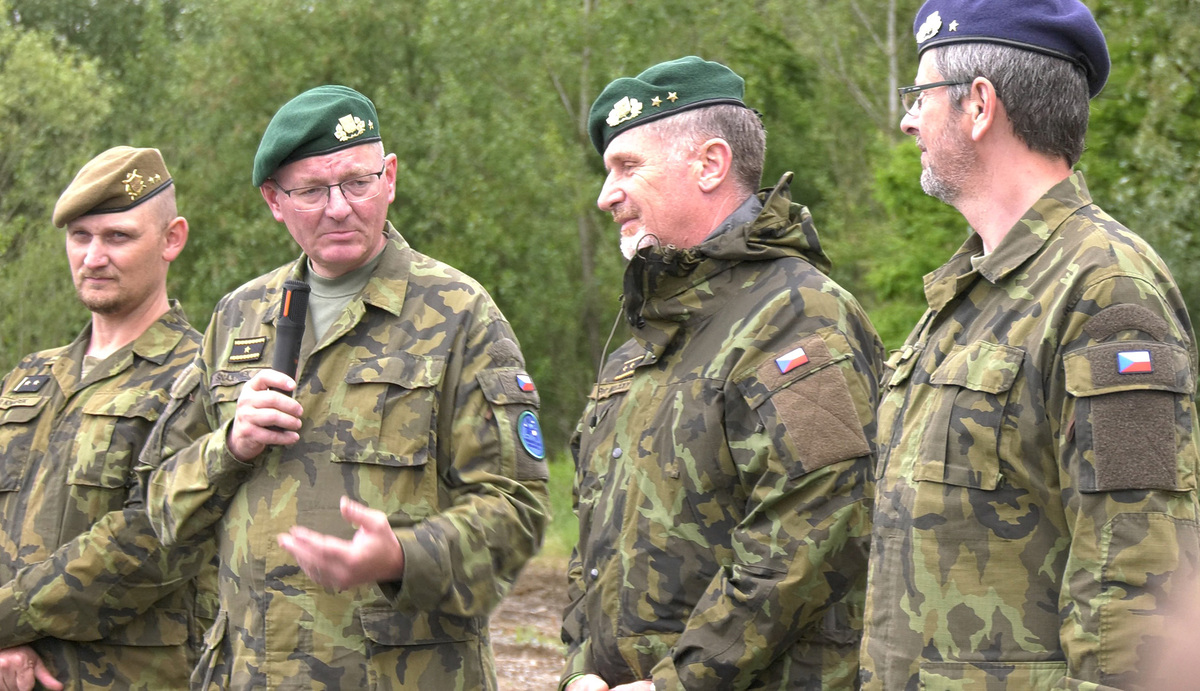
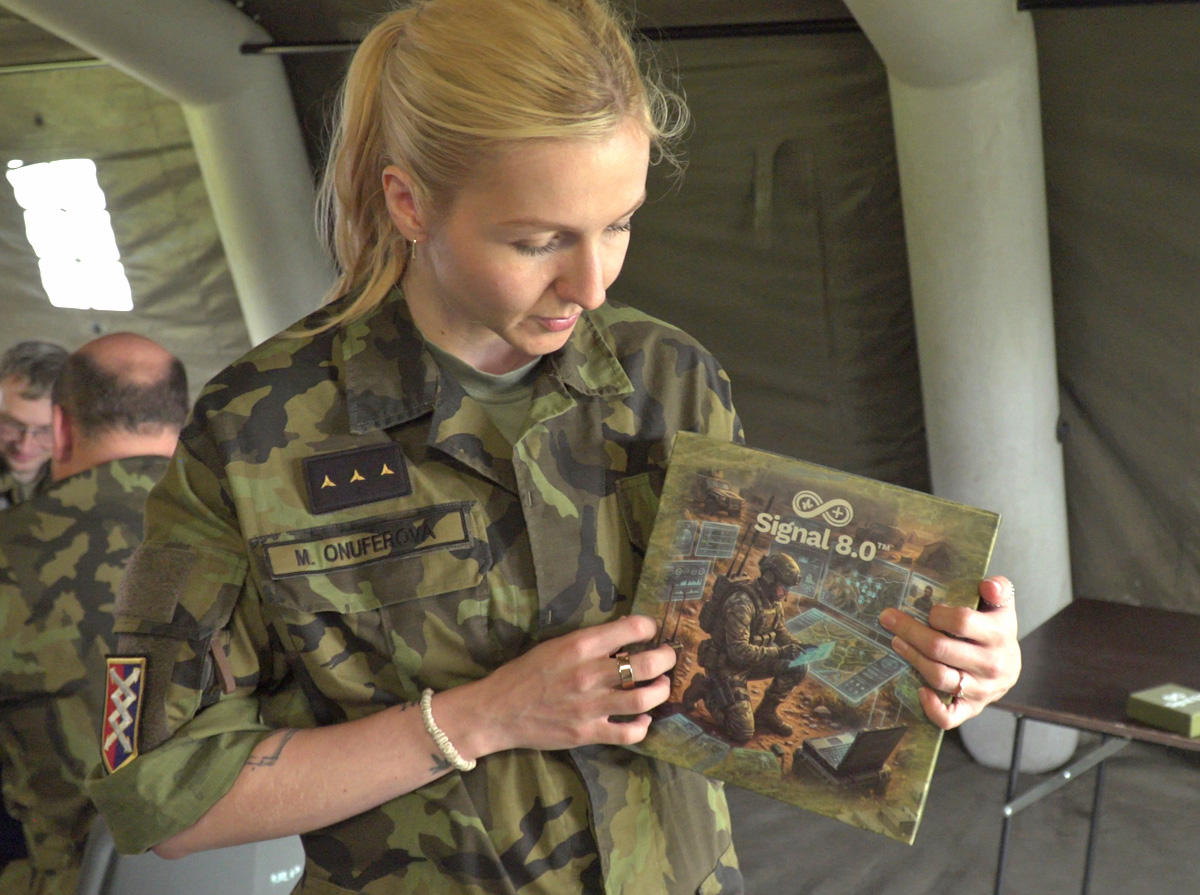
A wide range of concurrent activities took place right at the Bečva training ground. Visitors could see live demonstrations of the latest digital solutions focused on both external and internal security. During the event, the first episodes of a new podcast, Signal Bečva, were recorded. The podcast focuses on educating the younger generation with the goal of popularizing electrical engineering and ICT fields in connection with military topics and in line with current recruitment efforts. At the same time, a new family board game with a communications theme, Signal 8.0, was unveiled, and visitors had the opportunity to try it out in the gaming zone.
“The Signal Corps 2026 Conference builds on 10 years of experience from the organizing and program committee, which fine-tuned this year’s program to make the most of every minute of the event. There were over 250 technical presentations, live demonstrations, and workshops by more than 45 companies, organizations, and government institutions from the Czech Republic’s defense and security sectors. In addition, there were numerous other meetings and discussions among experts in the field,” said Ing. Tomáš Müller, president of the Czech chapter of AFCEA, which also co-organizes this event—one that is unique not only from the perspective of the Czech Republic.
Brigadier General Ing. Petr Šnajdárek delivered the opening presentation. He outlined the four pillars of transformation: an integrated information environment; modern infrastructure and interoperability; cybersecurity and resilience; and personnel and digital skills. “It won’t work without a change in mindset. It won’t work without cooperation. The digitization of defense is not the digitization of the ministry’s internal IT department. It is a secure and resilient ICT backbone that the state needs even when nothing else is functioning,” he emphasized in his presentation.
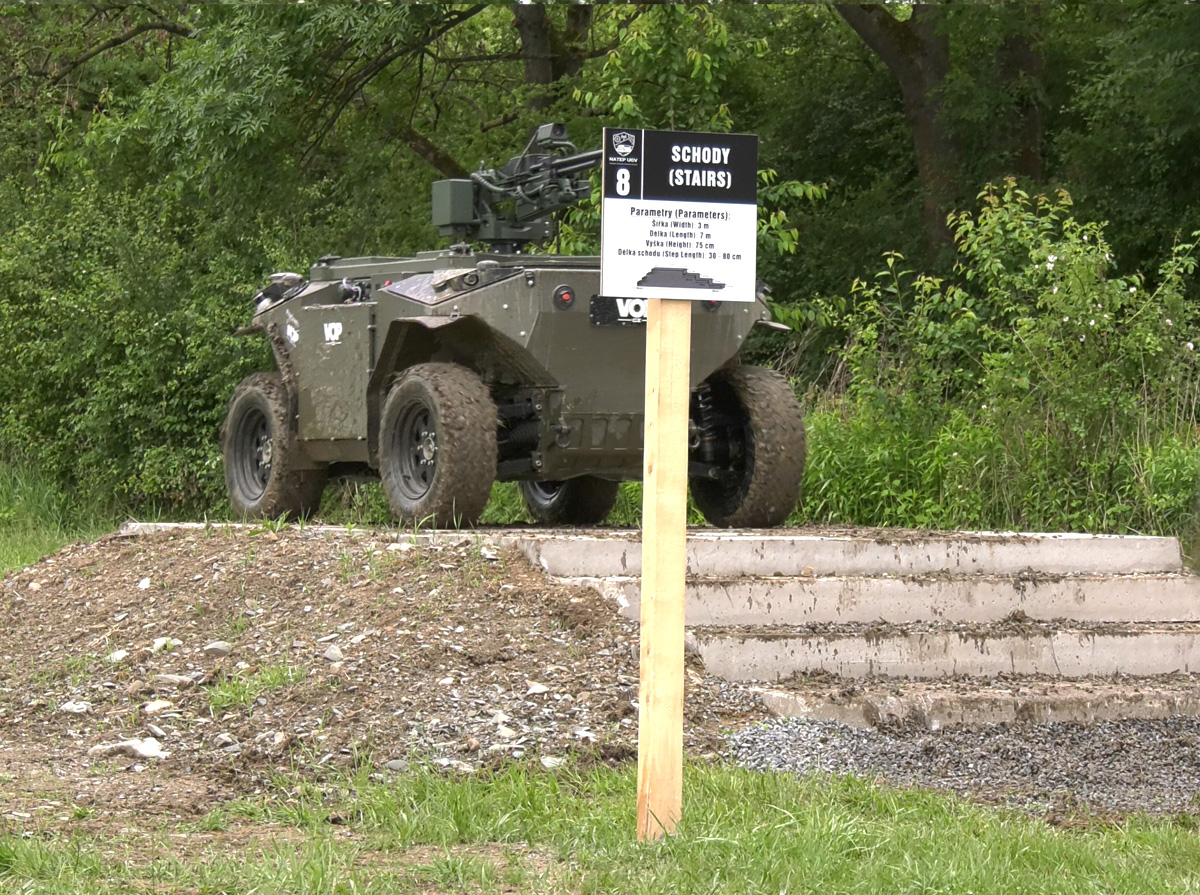
The CNS Commander presented the National UGV Test Range and the Czech Army National Technology Range. “The National Test Range will verify the functionality of UGVs under practical and standardized conditions, expand the possibilities for related scientific and research projects, and, last but not least, enable the development of the necessary capabilities of the Czech Army. The Czech Army’s National Technology Test Range, in turn, will focus on verifying the hardware and software architectures of implemented projects, provide an environment for developing the use of AI in a military setting, and enable the testing of entirely new technologies before they are approved for use by the Czech Army.”
The National Cyber and Information Security Agency participated in the conference program, with its representatives presenting on the development of national capabilities for the Galileo PRS service, as did the Czech Telecommunications Office.
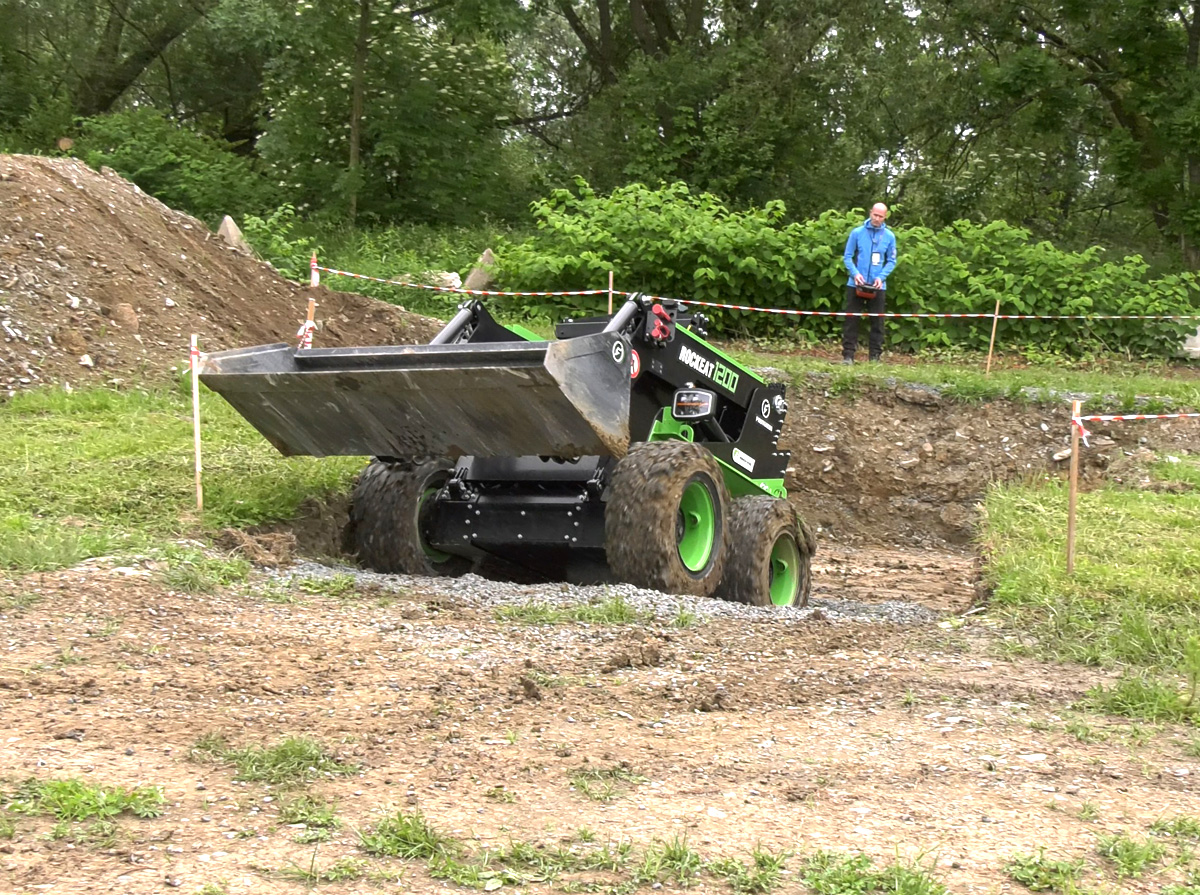
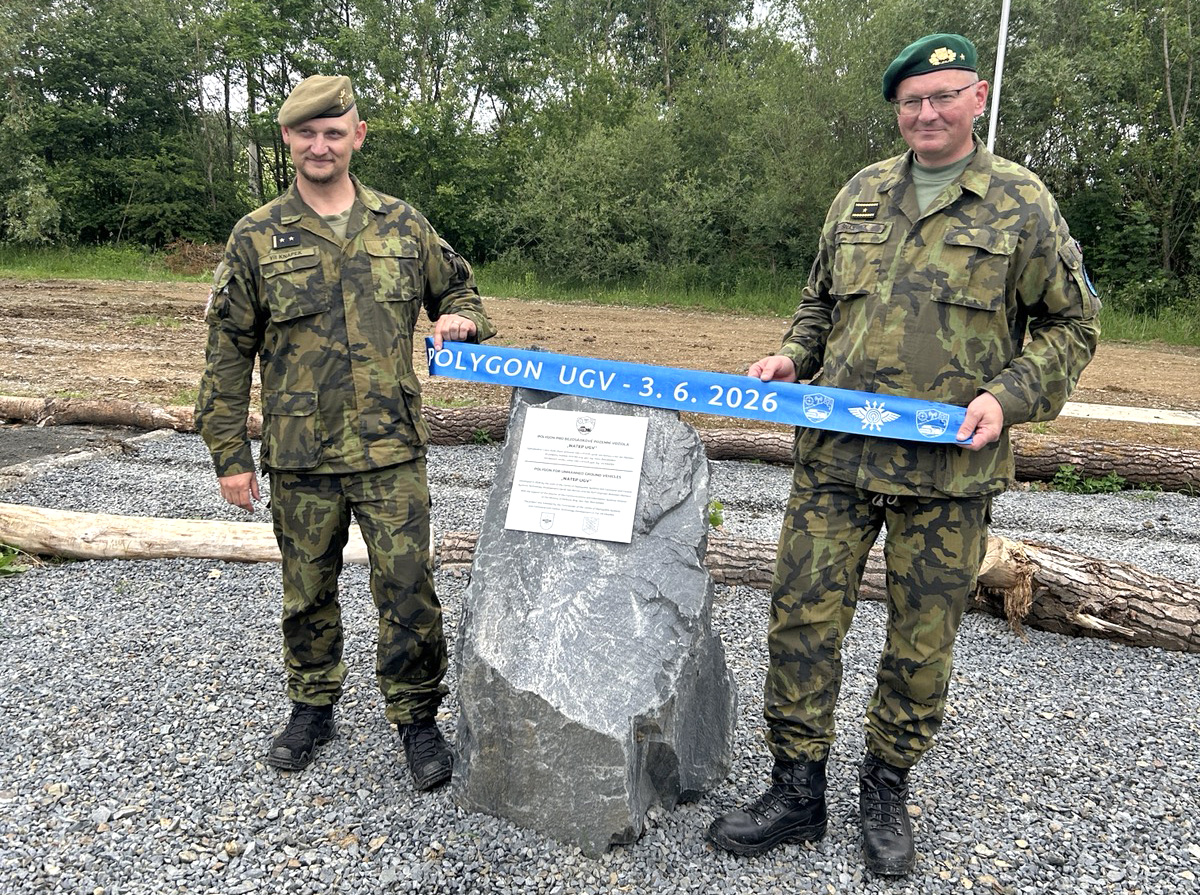
A number of other meetings took place, one of which was a meeting between national operators and representatives of the KIS Section and the KIS Agency. The topic was the activities of the operators and their cooperation with state security agencies, not only during times of crisis and war. On Wednesday, June 3, at 5:00 p.m., the grand opening of the National Testing Range for Autonomous Ground Vehicles (NATEP UGV) took place.
The two-day event culminated on June 4, when a roundtable discussion on the topic of “Digital Sovereignty” was held starting at 8:30 a.m., attended by generals from the Czech Armed Forces (AČR) and the Integrated Rescue System (IZS), directors of state-owned enterprises, and top representatives of major state institutions and commercial companies.
“We have one territory, one population, and one set of resources. We are implementing projects based on lessons learned from crises: the National Information Platform for Civil-Military Cooperation; the Information System for Ensuring National Defense; and the Agenda Information System for National Defense. The common denominator is a secure and resilient infrastructure. Digital sovereignty is an integral part of these projects,” stated Brigadier General Petr Šnajdárek, M.Sc.
The packed program of this year’s Signal Corps 2026 Conference showed what professional cooperation should look like in practice. The participants, regardless of whether they came from the military, academic, or private sectors, created the necessary atmosphere for education, the exchange of experience, and mutual inspiration. “Cooperation is a key factor in success. Thanks in part to the Signal Corps Conference, Lipník nad Bečvou is becoming a technological center for communication and information systems in the field of defense and security technologies, and we want to continue these activities at the fastest possible pace. We still have a lot of work ahead of us, and AFCEA’s ethical and professional platform makes great sense for our activities,” said Lieutenant Colonel Vít Knapek, commander of the Deployable Systems Center in Lipník nad Bečvou, at the conclusion of the event.