















The Czech Army is completing a unique testing range for unmanned ground vehicles
The Center for Deployable Systems of the Czech Army’s Agency for Communication and Information Systems is currently completing a unique testing range for unmanned ground vehicles (UGVs), which is the only one of its kind within NATO.
Video: The Czech Army is completing a unique testing range for unmanned ground vehicles / CZ DEFENCE
Polygon, like the Center for Deployable Systems itself, is located in Lipník nad Bečvou. Approximately eighteen months passed between the initial idea for its creation and its completion. The establishment of this unified testing facility responds to the growing need to systematically test a wide range of unmanned systems from various manufacturers and to verify their actual characteristics and capabilities in a standardized environment.

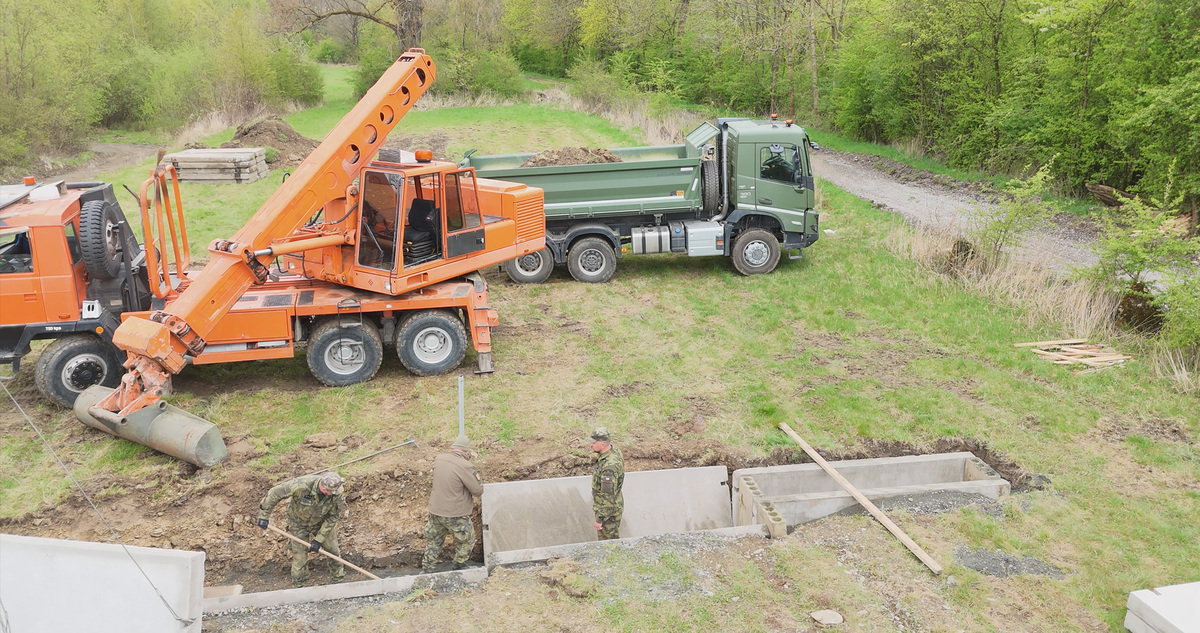
The testing and demonstration ranges currently used by UGV manufacturers around the world vary significantly in terms of their layout and specifications. These differences stem primarily from the nature of the individual platforms – their weight, dimensions, design (wheeled, multi-axle, or tracked variants), and intended operational use. While some systems are designed for reconnaissance and carry light weapon stations, others serve a logistical support role in challenging terrain.
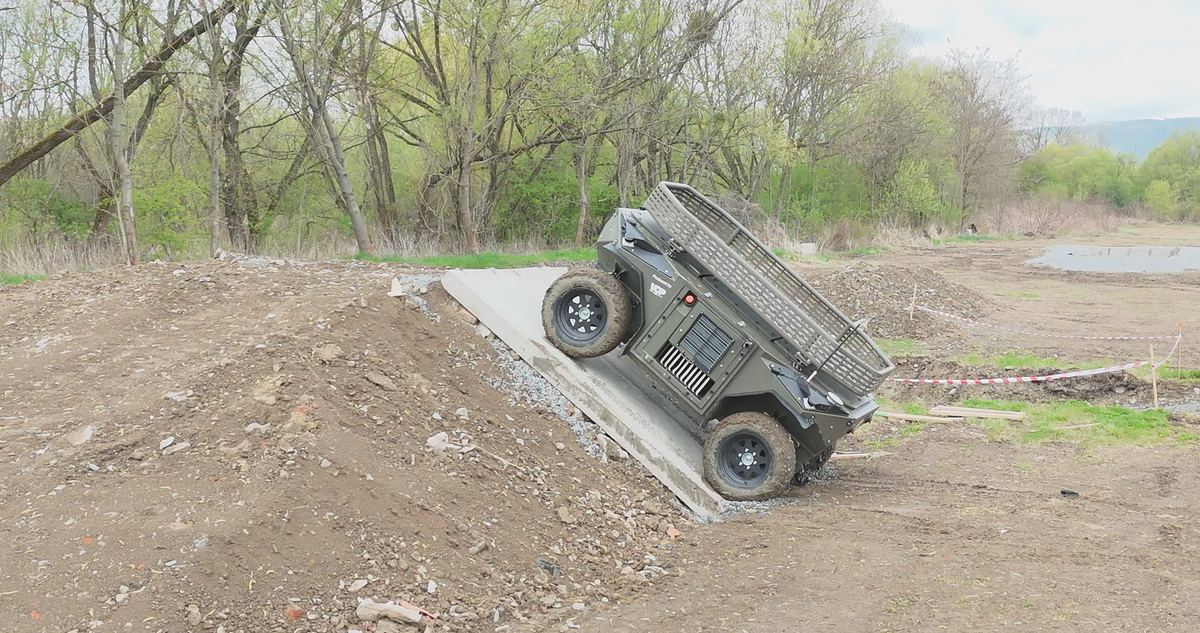
In military practice, UGVs are often tested at ranges primarily designed for trucks or combat vehicles, such as the one in Vyškov. This approach makes sense, as it involves long-established infrastructure intended for military testing and training. Manufacturers follow a similar approach, testing their unmanned platforms in environments designed for conventional military equipment. However, this solution faces fundamental limitations – most UGVs do not reach the size or weight of trucks, and testing in unsuitable terrain thus does not reflect their actual operational deployment. For example, terrain traversability, silhouette, and overall driving characteristics differ significantly.
Another key factor is the operator’s different perspective. The operator does not drive the vehicle directly from the cockpit but controls it remotely, and their perception of space is therefore fundamentally different from that of a conventional driver. In complex and rugged terrain, this difference becomes even more pronounced and has a direct impact on both safety and operational effectiveness.
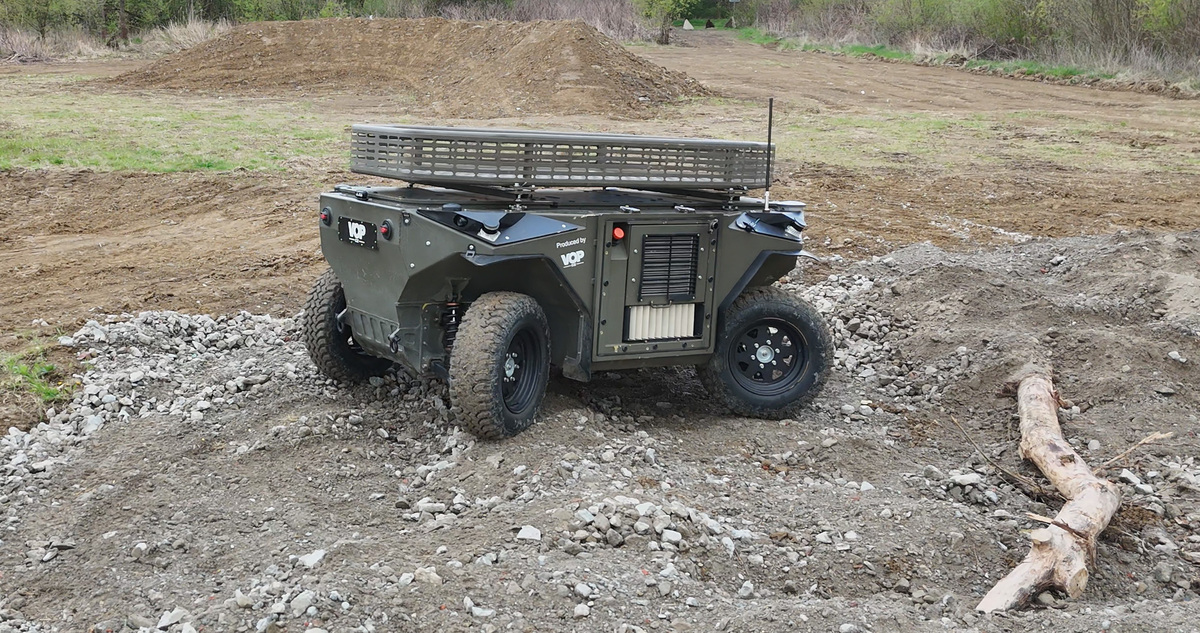
The newly emerging Czech test range thus represents a timely and conceptual response to the current inconsistency of testing conditions for UGVs within NATO. However, its significance extends beyond the testing of the technology itself. The test range will also serve as a key training center for operators of unmanned systems, and its design was conceived from the outset to cover the full spectrum of future deployment scenarios.



Emphasis is placed on the ability to integrate UGVs into complex, interconnected systems. These will include not only ground-based unmanned vehicles, but also unmanned aerial vehicles (UAVs) and other elements that work in conjunction with modern ground and air technology.
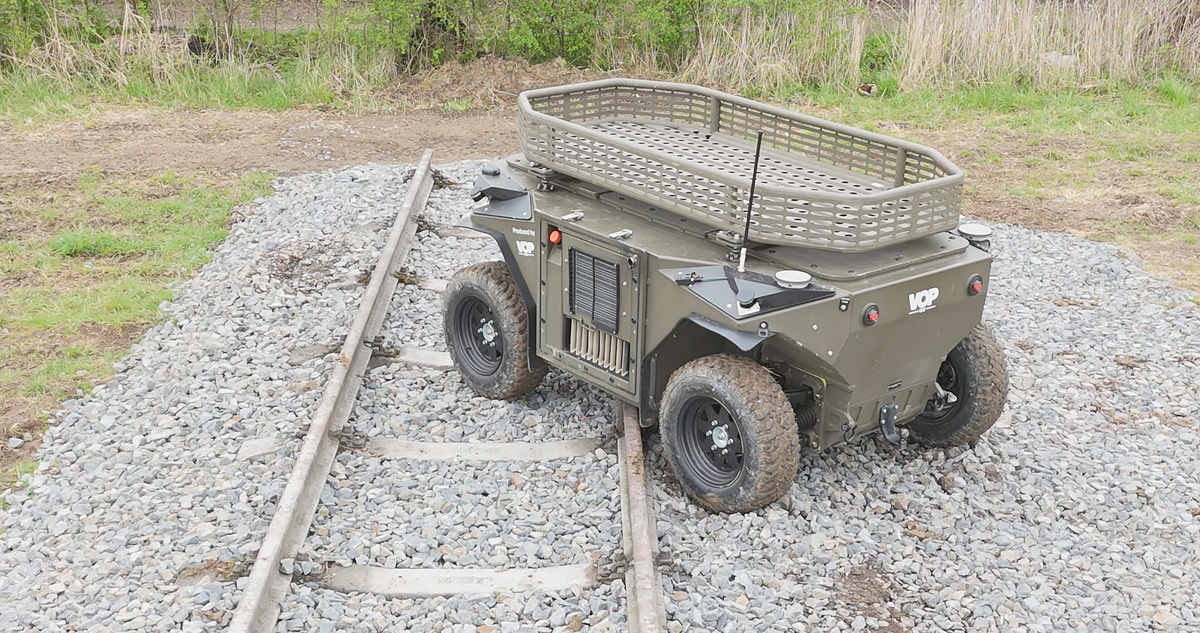
The Center for Deployable Systems is already working to have the test range certified as a NATO-wide testing facility for unmanned ground vehicles.