














The Significance and Development of Modern Air Defense
Airspace is one of the most vulnerable areas of national security today. While in the past the main threats came primarily from manned aircraft, helicopters, or ballistic missiles, the current security landscape is significantly more complex. Contemporary conflicts show that the spectrum of air threats has expanded significantly – from cruise missiles, through a wide range of unmanned aerial vehicles (UAVs), including loitering munitions, to unguided rockets, artillery and mortar rounds, or combinations thereof. Attacks by these airborne assets are also often coordinated and launched from various directions and altitudes.
This is where air defense (AD) comes into play – a system whose mission is to protect the population, critical infrastructure, and the armed forces from airborne threats. Although most of its operations take place out of the public eye, air defense is one of the most important components of a modern national defense system.
From Cannons to Sophisticated Integrated Systems
The roots of air defense date back to World War I, when the first attempts were made to counter the new threat posed by aircraft using artillery. However, the true and systematic development of air defense did not occur until World War II and, above all, during the Cold War, when it became a separate and highly specialized branch of the armed forces.

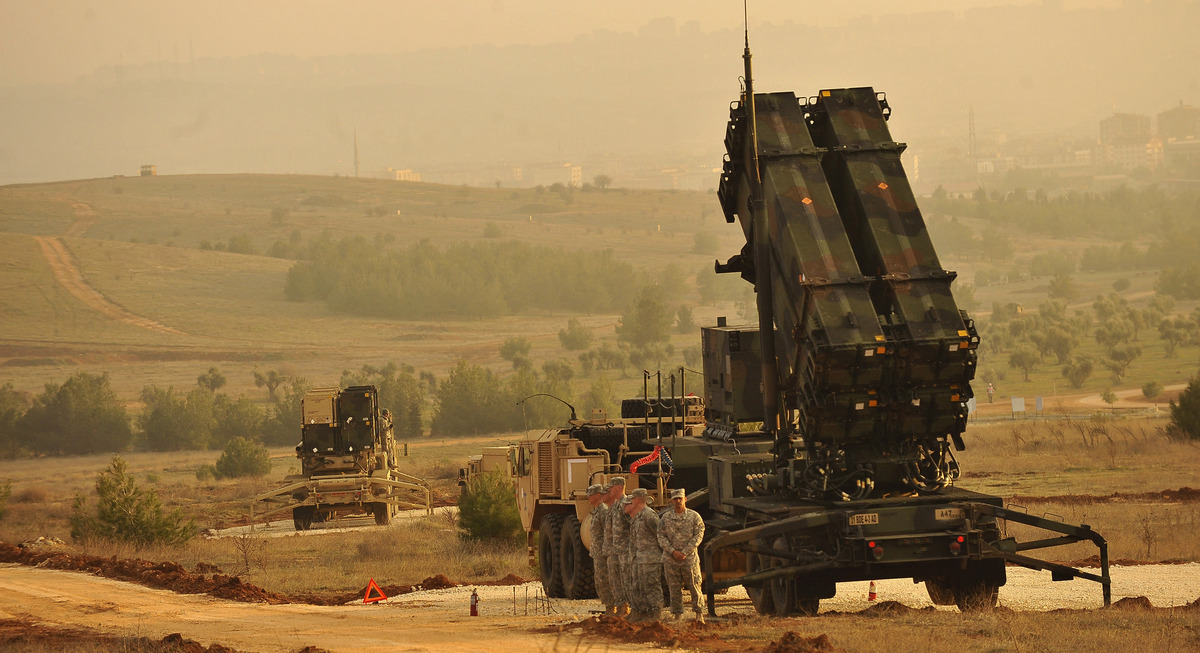
A fundamental qualitative shift was brought about by the advent of guided anti-aircraft missiles, radar systems, and automated command-and-control systems, which to this day remain the cornerstones of modern air defense. As air threats evolved, air defense itself gradually transformed. Today, it encompasses not only ground-based assets but also the air force, which plays an irreplaceable role in the air defense system. Air defense has thus gradually evolved from individual, isolated firepower assets into a comprehensive and interconnected system that integrates sensors, command posts, and weapon systems – known as effectors – into a single functional unit. Today’s air defense is no longer just about “shooting down a target,” but about the timely detection of threats, assessment of the situation, and a coordinated response within the broader defense system of the state and allied structures.
New Threats, New Challenges
Current conflicts, particularly the war in Ukraine, clearly demonstrate that air threats have changed dramatically. In addition to conventional fighter jets and helicopters, the following are appearing en masse on the battlefield:
- unmanned aerial vehicles of various sizes and capabilities,
- cruise missiles,
- short-range ballistic missiles,
- and combined and saturation attacks.
These threats are often inexpensive, difficult to detect, and deployed in large numbers, placing extraordinary demands on air defense systems. Modern air defense must therefore be multilayered, flexible, and capable of responding to rapidly changing situations.
At the same time, it is becoming increasingly clear that air defense is not just a matter of military technology, but also of the human factor, training, and decision-making processes.
Air Defense as Part of Collective Security
Within NATO, air defense is not viewed in isolation at the national level. On the contrary, Integrated Air and Missile Defense (IAMD) plays a key role by linking national systems into a common Alliance architecture.
For small and medium-sized countries, such as the Czech Republic, this means that their air defense must be compatible, interoperable, and capable of cooperating with allies. Ensuring the protection of airspace thus becomes not only a matter of national defense but also a contribution to collective security. The modernization of air defense is therefore not a one-time project, but a long-term process that encompasses equipment, personnel, and participation in international structures.
Air Defense in the Context of the Czech Armed Forces
In recent years, the Czech Republic’s air defense has been developed only to a very limited extent, and its role has gradually narrowed primarily to fulfilling alliance commitments within the NATINAMDS (NATO Integrated Air and Missile Defense) system and to ensuring the protection of designated task forces. On a broader scale, therefore, air defense has long been regarded more as a supplementary combat support capability than as one of the key pillars of national defense.
However, changes in the security environment in Europe and lessons learned from current conflicts have clearly demonstrated that this approach no longer reflects the reality of today’s threats. Air attacks have become one of the main tools of modern warfare, and without adequate air defense capabilities, it is impossible to ensure the protection of one’s own territory, critical infrastructure, or deployed forces.
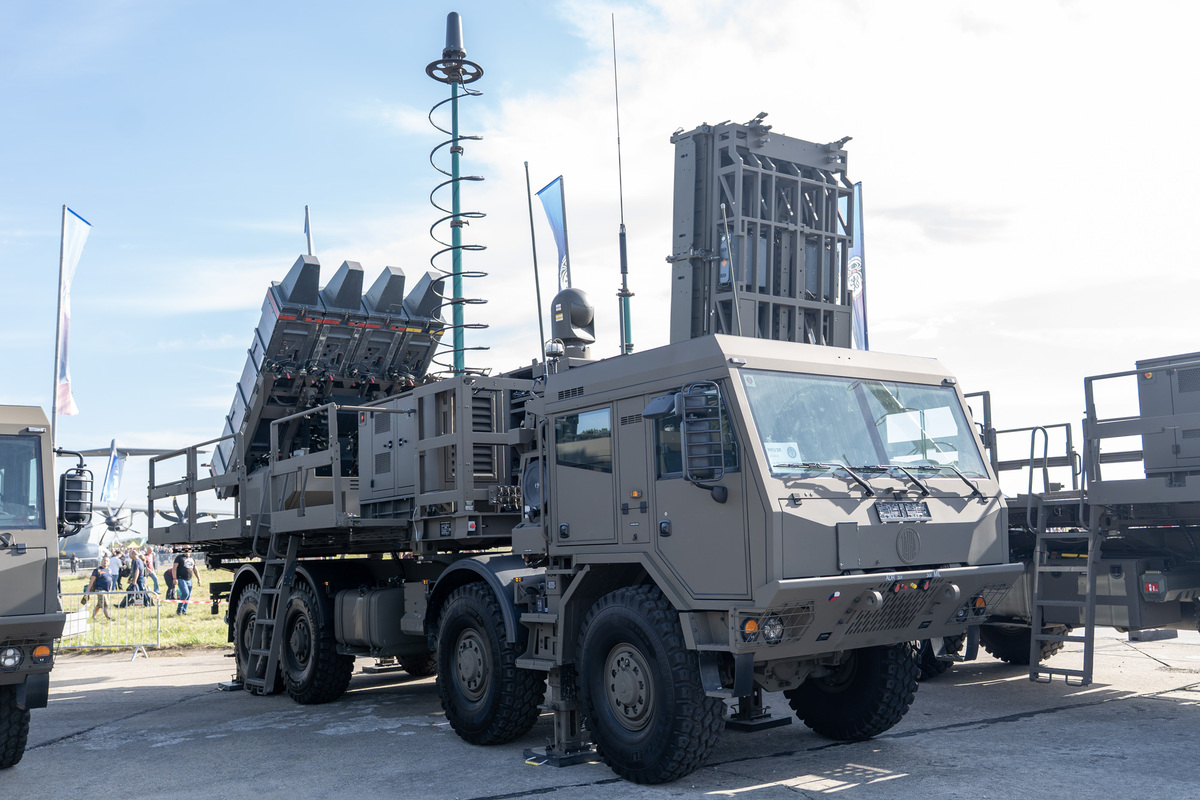
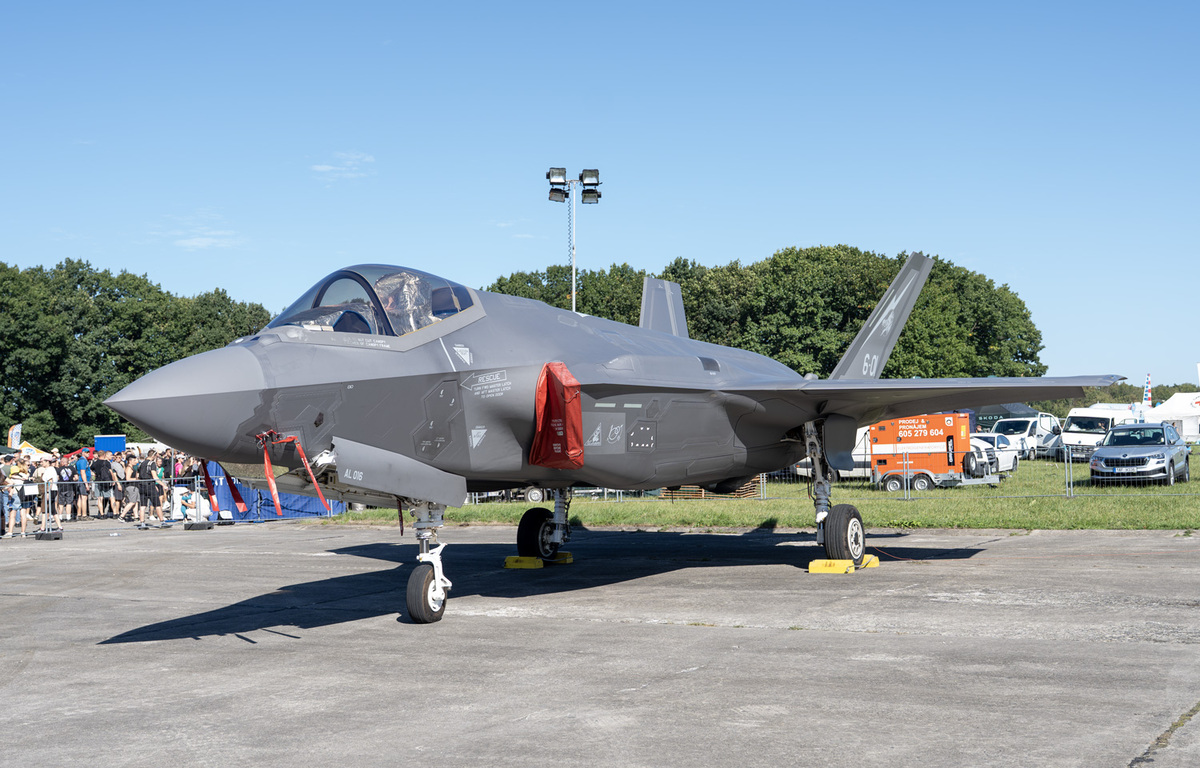
In response to this situation, a fundamental shift is currently taking place in the approach to the development of the Czech Armed Forces’ air defense. A modernization process is underway, aimed at introducing new systems (such as the SPYDER air defense system and F-35 aircraft), expanding the range of capabilities, and increasing the overall effectiveness of air defense. Emphasis is placed on the ability to operate across a broader range of threats (e.g., unmanned systems), as well as on greater mobility, flexibility, and integration into both national and alliance command and control structures.
Where Is Modern Air Defense Headed?
The development of air defense has long been characterized by its response to the changing nature of air threats. Air defense is thus practically always “one step behind” and must adapt quickly to new technologies, tactics, and methods of warfare. Current conflicts demonstrate that what matters most is the ability to respond flexibly, a high degree of automation, and effective integration of the system’s individual components.
The future of air defense is therefore moving toward multilayered and fully integrated systems capable of simultaneously countering a wide range of threats – from unmanned aerial vehicles and guided missiles to rockets, artillery, and mortar rounds. Rapid information exchange, real-time data sharing, and the ability to integrate into broader national and alliance structures will play a key role.
The human element remains no less important. Even in the era of advanced technologies, artificial intelligence, and automated systems, the success of air defense depends on high-quality training, sound decision-making, and the ability of personnel to adapt to unpredictable developments.