















Commander of the Czech Army Ground Forces on training, modernization, and the return to basics
Physical fitness, marksmanship, and unit tactics form the core of combat capability. In this article, Major General Josef Trojánek, Commander of the Czech Army Ground Forces, describes the changes and modernization that have been initiated and why some things cannot be blamed on the system. He also emphasizes the responsibility of commanders and individuals and praises the initiative shown by units that quickly implement lessons learned from contemporary battlefields.
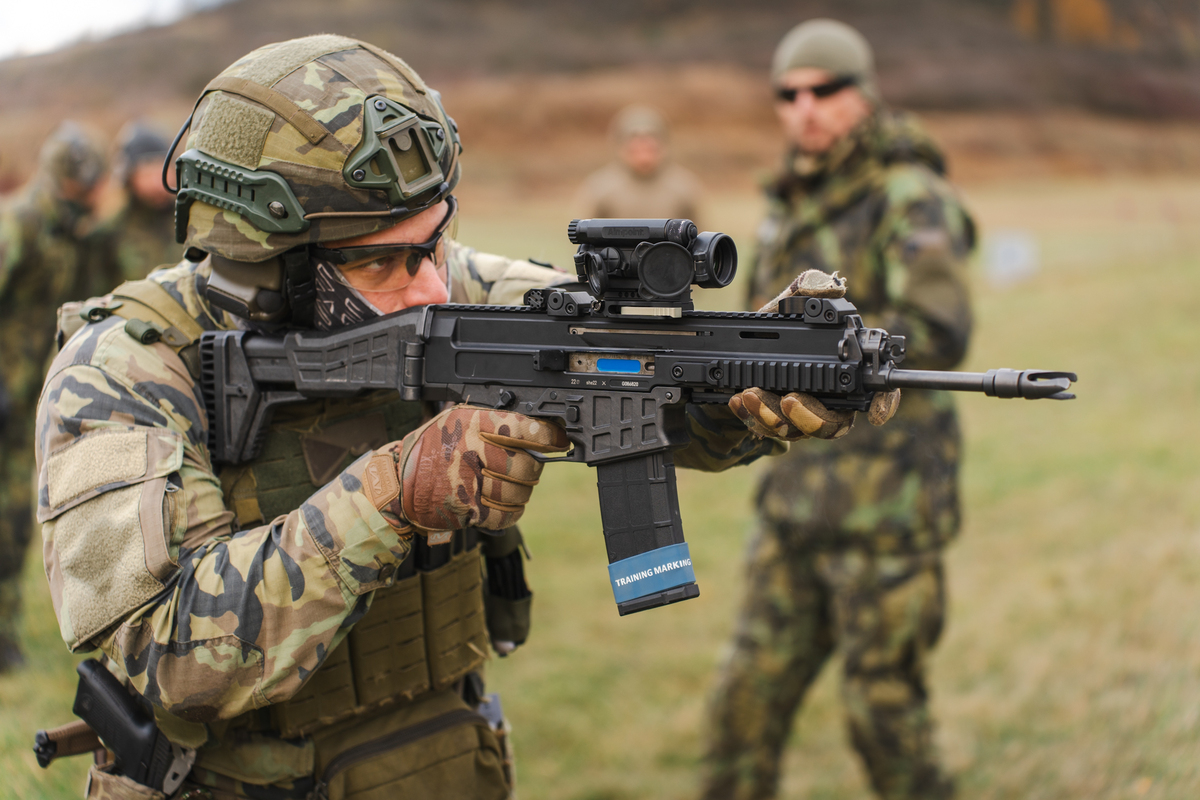
General Josef Trojánek talks about training in a way that is often the least comfortable: not as a collection of plans and documents, but as a daily performance that depends on people's attitudes. At the same time, he is cautious about premature evaluation after just one year. "It's too short a period to assess the impact," says the general about the changes that have been initiated.
One of the main steps is the revision of firearms training. General Trojánek is aware that the work does not begin with grand words, but with concrete steps. "We have started the review of shooting training quite successfully, from preparing the necessary equipment, purchasing materials, clarifications, demonstrations," says the commander of the ground forces, adding that the next stage, i.e., implementation, which will take place this year, will be crucial.
The second significant shift is the effort to reduce the administrative burden. In this regard, General Trojánek mentions that planning at the unit level has been simplified and digitized. The reason is obvious. If commanders and staff spend too much time on administration, it takes away from the actual training. Trojánek believes that reducing the burden can be seen as a positive step, as it frees up resources for what is essential.
When it comes to the physical fitness of soldiers, the commander of the ground forces is clear: "I mention physical fitness quite often; it's about the attitude and responsibility of commanders at all levels," says the general, adding: "We even have this obligation under the law on professional soldiers, so any shortcomings are mainly our fault."
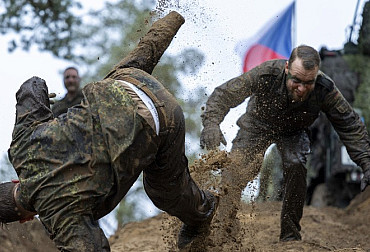
Trojánek underscores this argument with a personal example. "Despite my age, I excel at strength disciplines in any category. And that, at least for me, ends the discussion," says the general. This is not bragging, but a clear communication signal that there are certain areas where there is no room for excuses, because they are fundamental to service and responsibility.
In tactical training, the general emphasizes the rapid implementation of knowledge gained from contemporary battlefields. According to him, it is desirable that new knowledge be put into practice as quickly as possible. At the same time, he appreciates the approach of commanders who do not wait for instructions and often seek ways to apply new knowledge themselves. "Here I would like to highlight the approach of commanders who do not wait and implement this knowledge as quickly as possible," says the commander of the ground forces.
General Trojánek also admits to a certain tolerance for improvisation, the choice of unconventional procedures, and sometimes even the procurement of their own equipment, although he realizes that this is not ideal from a systemic point of view. "Systemically, it is not a happy solution, but it would be very foolish to suppress this initiative for any reason," says the general.
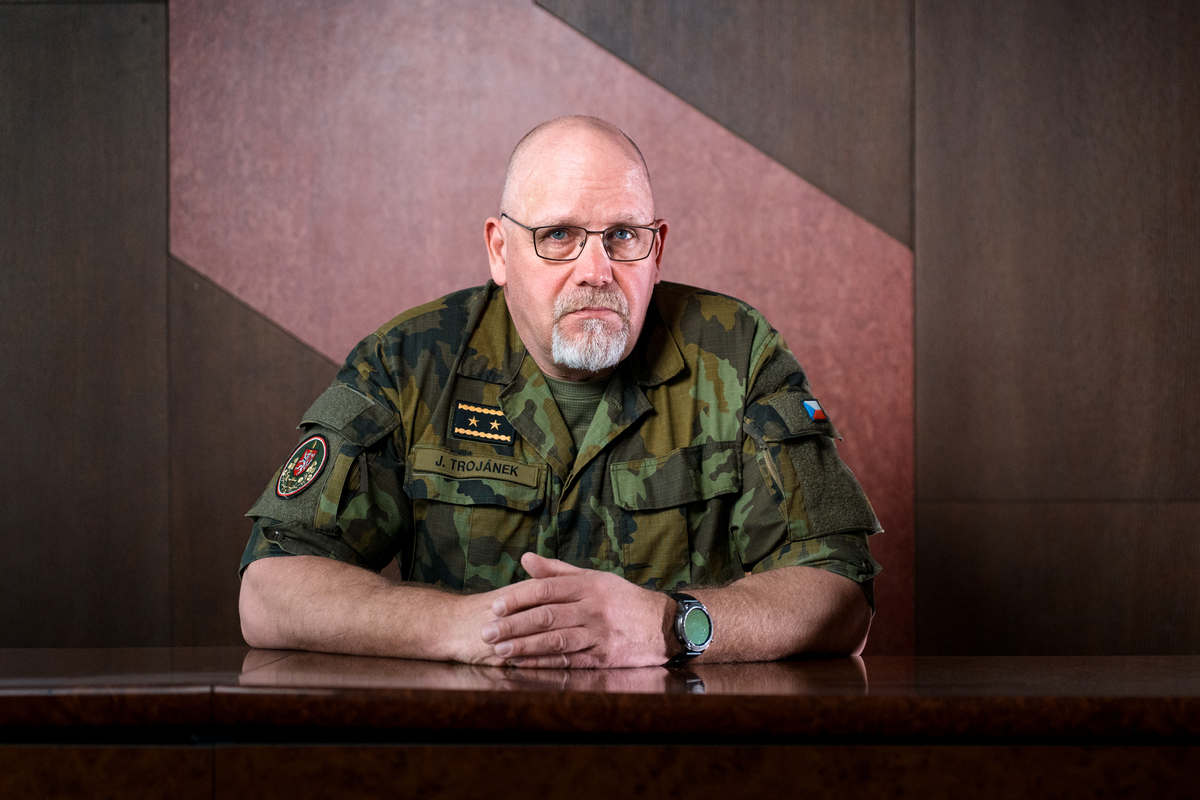
The Commander of the Czech Army Ground Forces sees training as a place where systems and responsibility meet. Some changes can be made through measures and digitization, but some things depend primarily on commanders and their willingness to demand standards, lead by example, and provide leadership.
In the context of modernizing our army, attention is often focused only on large projects and future technologies, but the commander of the ground forces considers it essential that every soldier has the basic standard of equipment and gear for life in the field. Only then, in his opinion, does it make sense to open a debate on further levels of modernization. "It may surprise you, but for me personally, it is absolutely essential that, after all the previous problems, the distribution of ballistic vests and backpacks has finally begun," says General Trojánek, continuing: "Yes, these are not strategic projects, but they are absolutely crucial for us."
According to him, modernization must not be just a vision of the future, but above all the ability to stand up to the realities of service. Without protection and equipment for soldiers in various climatic conditions, without the means to live in the field, Trojánek believes that grand debates are detached from reality. "We can talk about modern systems and artificial intelligence, but for me, the priority is that every soldier in the ground forces has something to wear in all climatic conditions, that they have the appropriate tactical equipment, protective gear, weapons, communication and observation equipment so that they are secure for life in the field," says the general.
The commander of the ground forces hopes that helmets will also be replaced this year. If this is successful, he believes it will mean that, after many years, at least the basic standard has finally been achieved, which was not a matter of course in the past.
In connection with the modernization of individual equipment/armament, General Trojánek highlights the approach of the Slovak armed forces within the framework of the new generation soldier project, which clearly indicates that the modernization of the army must focus primarily on the soldier himself and his equipment, as this factor has a fundamental impact on the ability to perform tasks in the field.
Related