














Eight wheels for the Czech Army: The road to the Pandur 8x8 EVO combat vehicle
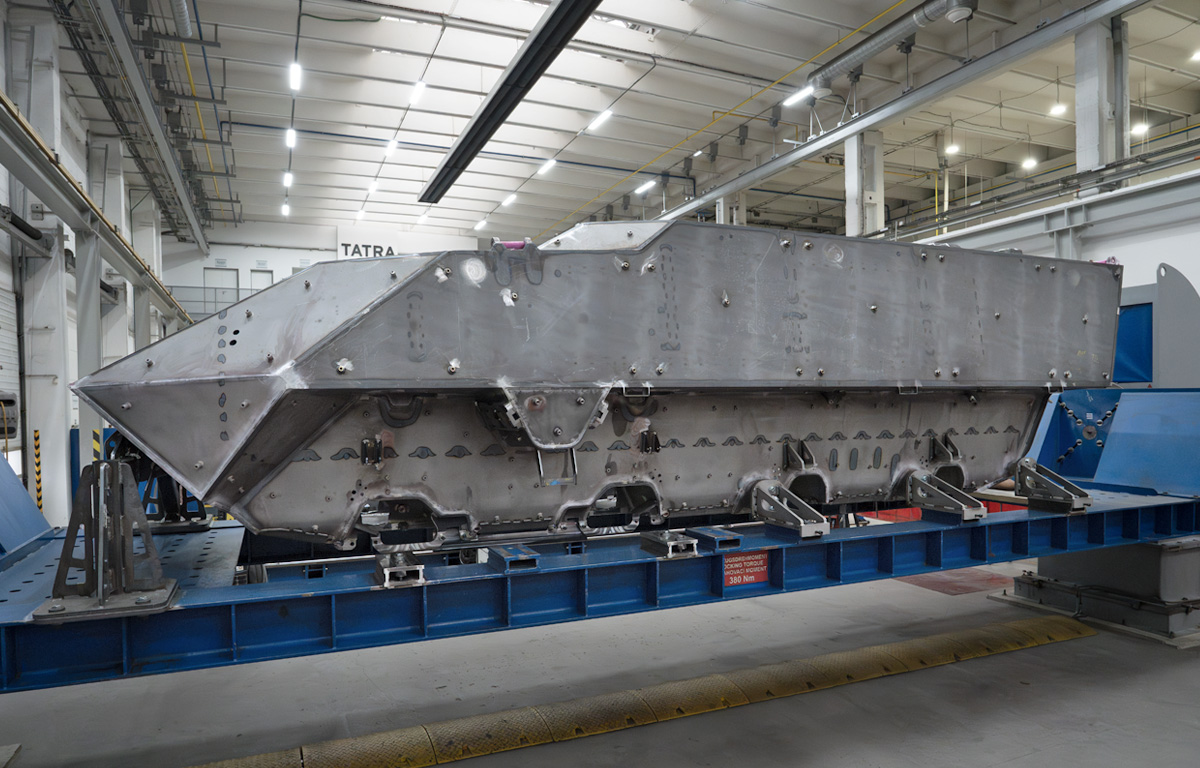
A few months ago, representatives of the Czech Army declared that they wanted to purchase new eight-wheeled armored vehicles to replace the existing Pandur II 8x8 CZ armored vehicles. There has also been information about contacting specific manufacturers and comparing some of the types under consideration. The latest Pandur 8x8 EVO vehicle, whose prototype is currently being intensively tested by Tatra Defence Vehicle (TDV), is naturally at the top of the list. TDV, which is part of the CSG industrial group, can boast truly impressive experience, having taken over the production and servicing of Pandur II 8x8 eight-wheeled armored vehicles years ago, not only for the Czech army, but also for foreign customers. The new Pandur 8x8 EVO therefore appears to be the most logical successor to the long tradition of domestic eight-wheeled armored vehicles, which dates back to the still popular OT-64 SKOT transporter.
It was born as a result of cooperation between Czechoslovakia and Poland and, as its designation suggests, entered service with our army in 1964. At that time, it was undoubtedly one of the best designs of its kind in the world, and its qualities were also recognized by Western experts. It was exported to many countries, some of which still operate it, although it is now clearly an outdated design. During the 1990s, our army also began to realize its shortcomings, and so the idea of finding a suitable successor gradually matured. Although several domestic initiatives with this focus emerged, the Czech defense industry was in a rather uncomfortable situation at the time and was simply unable to provide a replacement of an adequate level. In 2003, the intention to find new armored personnel carriers for the Czech Army was formally approved, with 243 units planned at the time. In April 2005, the number was reduced to 234 armored vehicles, of which 199 were to be ordered on a firm basis, while the remaining 35 would be an option. Subsequently, a tender was launched and Czechia approached several potential suppliers.
The evaluation of bids was completed in January 2006, when the government approved the intention to purchase eight-wheeled Pandur II 8x8 armored vehicles from the Austrian company Steyr-Daimler-Puch Spezialfahrzeug, which was integrated into the structure of the multinational corporation General Dynamics European Land Systems (GDELS). The Czech state-owned company VOP CZ and the Israeli company Rafael, which manufactured the RCWS remote-controlled weapon stations, were also involved in the contract. The contract for 199 units with an option for another 35 units was concluded in June 2006 and also covered the assembly of most of the armored vehicles in the Czech Republic. The 234 vehicles were to correspond to a total of eighteen variants. However, problems subsequently arose in the implementation of the contract, which led to negotiations between the Czech side and the supplier. These negotiations mainly concerned a reduction in the number of versions and the total number of vehicles. On March 13, 2009, a new contract was signed, according to which the Czech Army was to receive 107 Pandur II 8x8 CZ vehicles in six versions, again with the participation of domestic industry, which ensured the final assembly, primarily the aforementioned state-owned company VOP CZ.

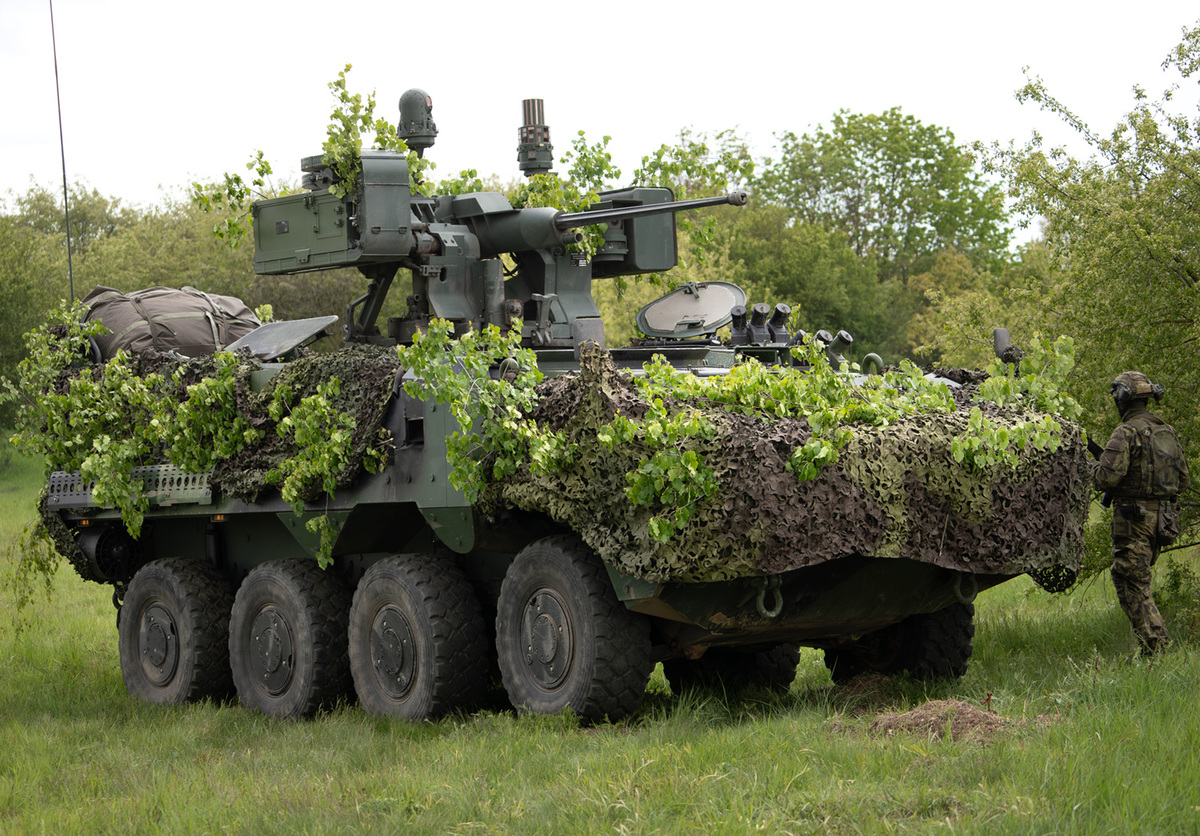
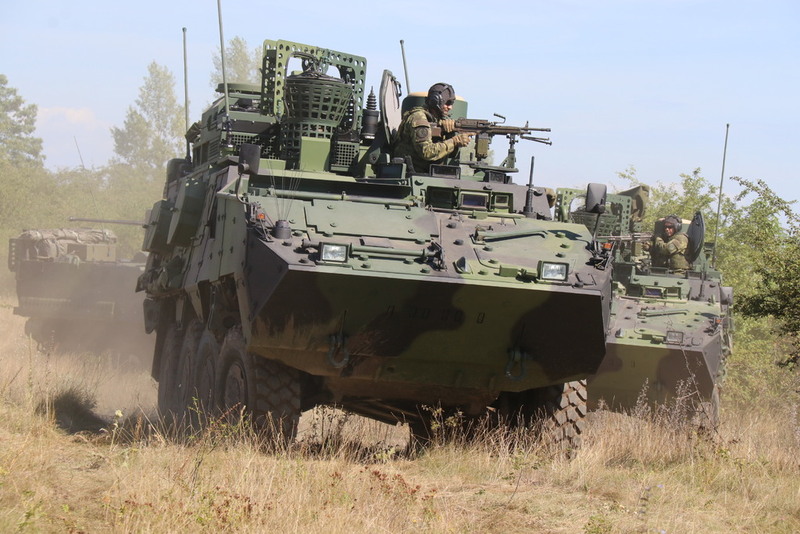
VOP CZ completed deliveries of vehicles to the army in 2013, while in 2010, the Czech Army's Pandur II 8x8 CZ armored vehicles saw their first combat deployment, serving in units operating in Afghanistan. The six variants include four versions equipped with a Rafael RCWS 30 remote-controlled weapon station with a 30 mm cannon and Spike-LR anti-tank guided missiles, namely the basic combat version (72 units), a command armored vehicle for company commanders (11 units), a reconnaissance variant, and a reconnaissance variant with radar (eight of each). The remaining two variants, both purchased in four units, do not have this weapon station, as the engineer variant only has a weapon station with a light machine gun and the medical variant is unarmed. Experience from Afghanistan subsequently led to the creation of a seventh variant, as four basic version combat vehicles were converted to the M1 standard, which meets the requirements for expeditionary operations and features, among other things, the use of additional lattice armor.
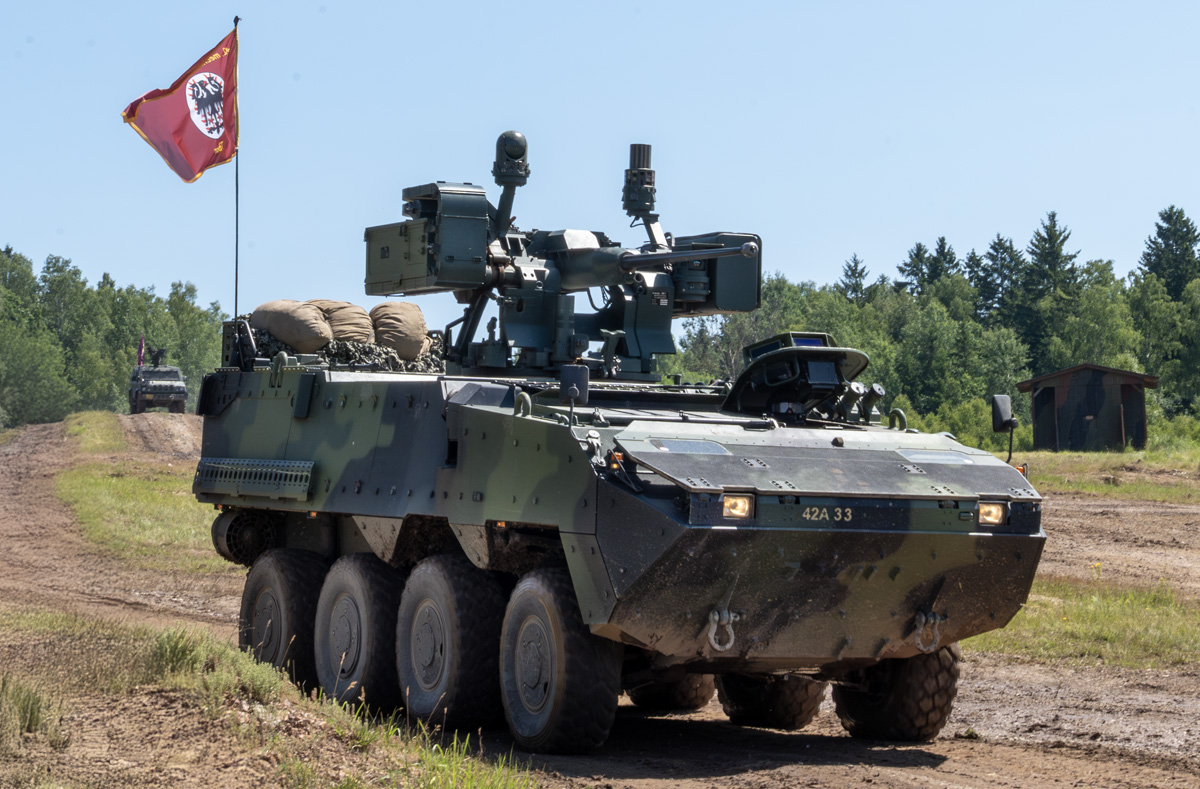
This feature naturally increases the vehicle's weight, thereby negating its ability to float. The question of whether the Czech Pandur II 8x8 CZ vehicles should be amphibious has been the subject of much debate. Most experts ultimately concluded that this requirement was probably unnecessary, as the vehicles only float in exceptional cases and their amphibious capability logically had a significant impact on the acquisition costs. It should be emphasized that this was not a criticism of the Pandur II 8x8 platform itself, which has proven itself in operation overall. Some problems did arise, but these did not usually concern the design of the vehicles themselves, but rather the provision of service. This led to a situation where a significant portion of the Czech Army's Pandur II 8x8 CZ armored vehicles were out of service. This problem was finally resolved in the second half of the last decade, mainly thanks to the fact that Tatra Defence Vehicle took over the servicing.
It was founded in 2015 and in the same year signed a license agreement with GDELS for the transfer of technology and production of Pandur II 8x8 eight-wheeled vehicles to the Czech Republic. Since then, only six-wheeled versions of Pandur vehicles have been manufactured by the original manufacturer GDELS-Steyr in Vienna, and the eight-wheeled versions are therefore de facto Czech products. A year later, the TDV factory in Kopřivnice was opened, and in 2017, a service agreement was signed (which was later extended several times), under which TDV continues to maintain the Czech Army's Pandur II 8x8 CZ vehicles to this day. Of course, this technology transfer did not only concern servicing and series production, but also the development of new variants. In addition to the service contract, a contract was also signed in 2017 for the delivery of another twenty Pandur II 8x8 CZ vehicles in two new versions, KOVS and KOVVŠ, the former serving as a liaison vehicle and the latter performing a command and staff function at the battalion and brigade level. These two variants were developed and manufactured entirely by TDV. This was followed by deliveries abroad, as TDV also manufactured Pandur II 8x8 armored vehicles for the Indonesian armed forces, for example.
However, the Pandur II 8x8 CZ armored vehicles in the KOVS and KOVVŠ versions differ from the original 107 units not only in their special purpose equipment, but also in their basic design. Since the turn of the century, when the original Pandur II 8x8 design was developed, the requirements for infantry vehicles have changed significantly, especially in terms of durability. Stronger ballistic protection of the hull and greater resistance of the chassis to mines and other explosive hazards are now required. The twenty vehicles delivered between 2019 and 2020 were therefore equipped with additional ceramic armor for the hull and a double floor, among other things. This, of course, also necessitated changes to the drive and brake systems, among other things, in order to maintain the vehicle's mobility despite the increased weight. This was logically followed by an initiative aimed at creating a thoroughly modernized version of the Pandur 8x8 platform, which was subsequently designated Pandur 8x8 EVO.

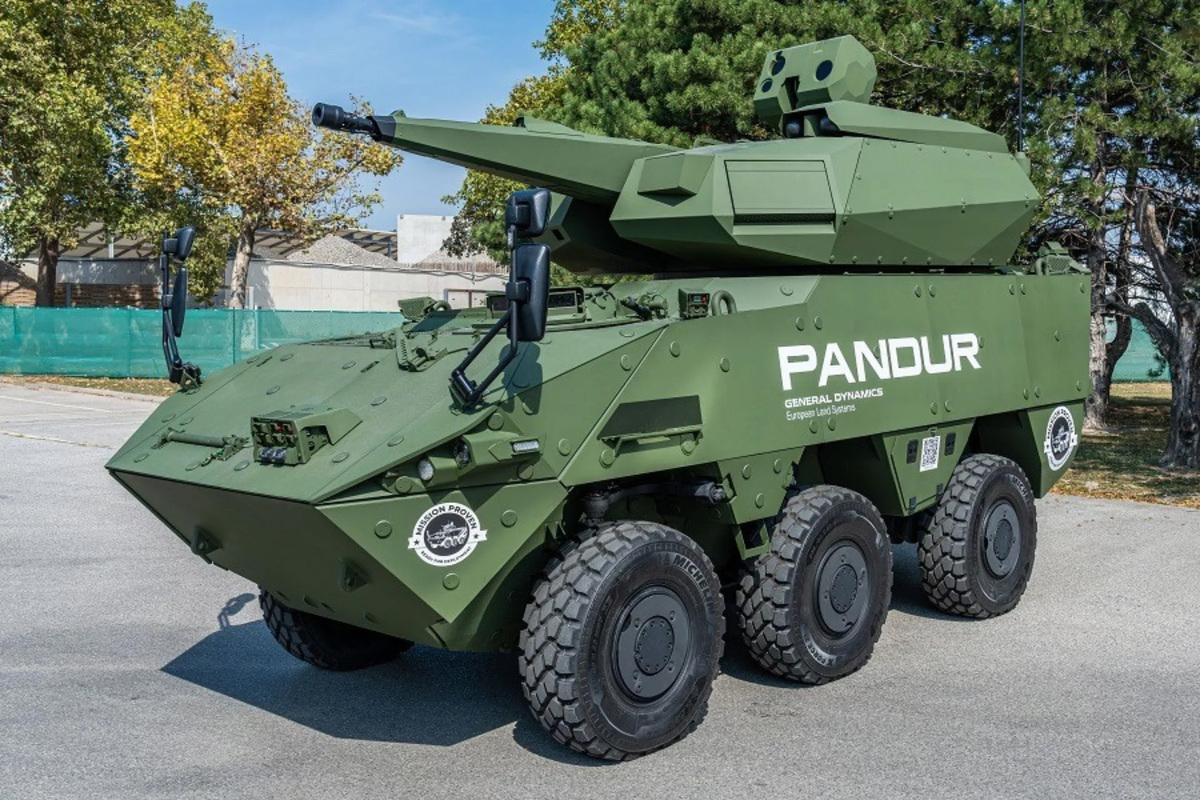
The basic design of the Pandur 8x8 EVO corresponds to the current standard in this category, meaning that the vehicle has a crew of three, with the driver sitting in the front left and the engine located next to him. The gunner and commander sit approximately in the middle of the vehicle, where they operate a remote-controlled weapon station, and behind them is space for transporting seven armed soldiers. The engine comes from Cummins, which already supplied engines for the original Pandur II 8x8 vehicles, but this time it is a more powerful version that produces 405 kW, while the Pandur II 8x8 armored vehicles use engines with an output of 335 kW. The installation of a more powerful engine is necessary primarily to maintain mobility, as the Pandur 8x8 EVO has a maximum combat weight of 25 tons, which is approximately three tons more than the original version. With a more powerful engine, it should offer a speed of 105 km/h and a range of 600 km on the road. The Pandur 8x8 EVO armored vehicle is no longer designed to be amphibious, so the vehicle does not need any equipment to ensure navigation.
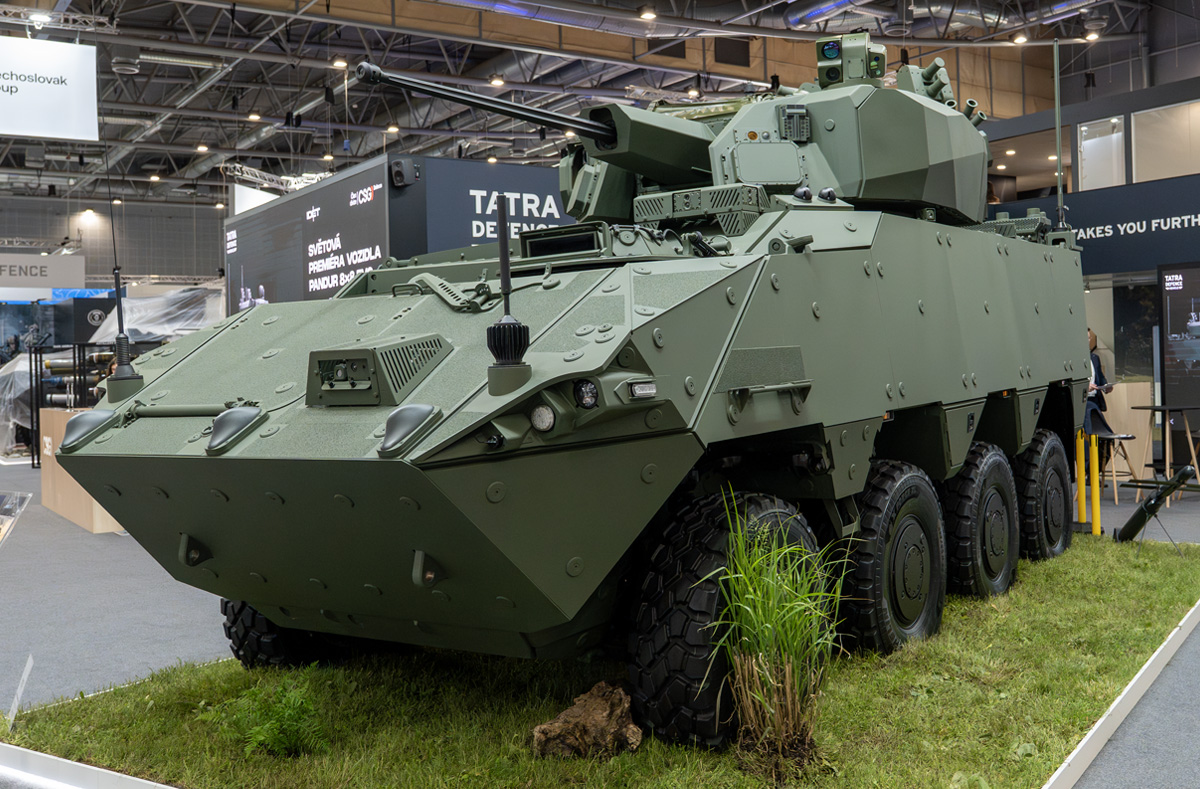
The main armament of the Pandur 8x8 EVO is a 30 mm Mk.44S Bushmaster II cannon with an elevation range of −15 to +60 degrees and electric stabilization, alongside which a 7.62 mm coaxial machine gun is mounted in the turret. A separate launcher installed on the right side of the weapon station houses two Spike 2 LR guided anti-tank missiles. Both the commander and gunner have identical fully stabilized optoelectronic sights with automatic target tracking and hunter-killer functions. Both sights include a high-resolution daytime TV camera and a thermal imaging camera for night or poor weather conditions, with the commander's sight also offering a panoramic view.
When developing the Pandur 8x8 EVO, the designers applied their current experience from the battlefield in Ukraine. The Pandur 8x8 EVO can effectively defend itself against drones using the aforementioned Mk.44S Bushmaster II cannon, which can use various types of programmable ammunition, as well as the Iron Fist system, which can eliminate various types of threats. The Iron Fist system is capable of detecting incoming enemy combat vehicles using radar sensors with electronic beam deflection, four of which are located on the weapon station. These can also be supplemented with infrared detectors or an active jamming system. Iron Fist can counter tank projectiles, guided missiles, and reactive anti-tank grenades, as well as unmanned aerial vehicles and FPV drones. The system eliminates threats using a pair of rotating double launchers for defensive ammunition located at the rear of the weapon station.
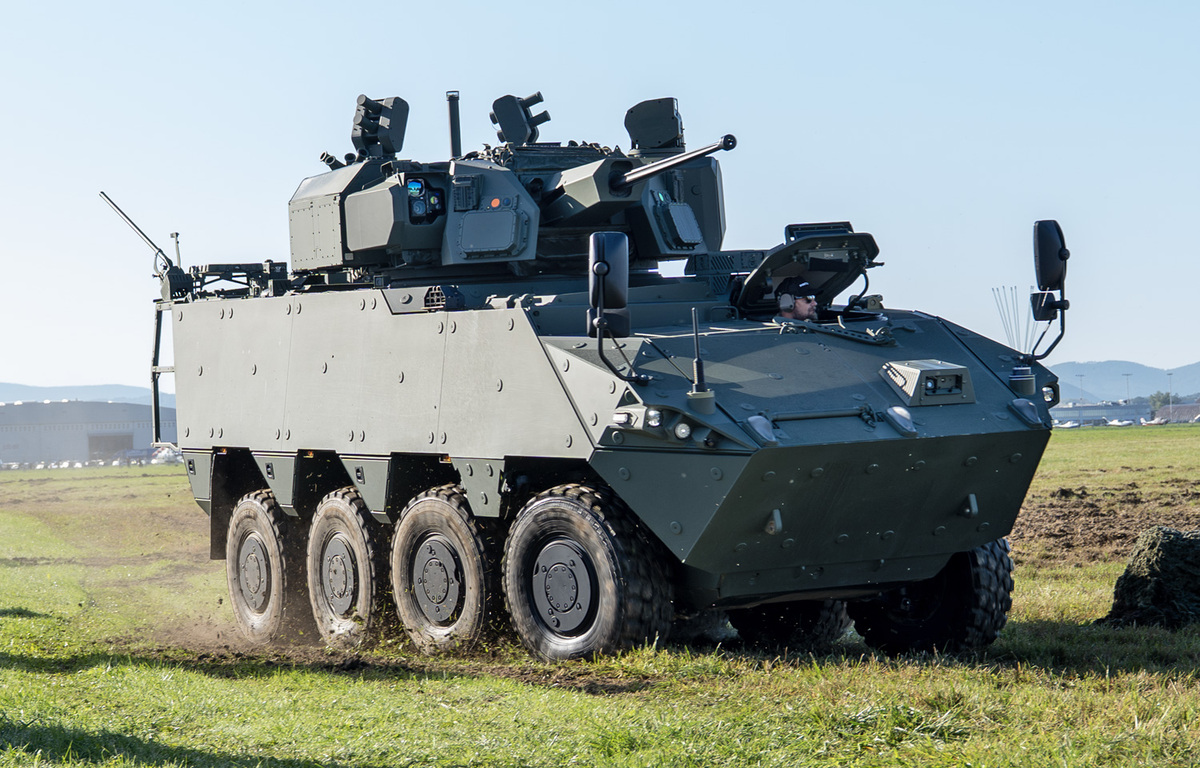
Among other things, the Pandur 8x8 EVO is equipped with the SAAV electronic system, which specifically includes a situational awareness system and its necessary integration elements. The situational awareness system, based on artificial intelligence technology, allows the crew to better perceive the overall situation around the vehicle, evaluate combat situations, and provides timely warnings of threats in the vicinity of the vehicle. This system provides all the necessary data and information to the crew on the relevant display and indication elements inside the vehicle, including see-through displays on the crew's helmets, thanks to which all crew members are protected by the vehicle's armor throughout the combat operation.
The design of the Pandur 8x8 EVO is the result of development work by Tatra Defence Vehicle, although Austrian company GDELS-Steyr is also participating in the program, as the intention is to achieve maximum technical compatibility with the Pandur 6x6 EVO vehicles. It is worth mentioning that, in addition to their "home" country of Austria, the six-wheeled Pandurs are also reliably serving in several other countries around the world, including Belgium, Kuwait, and Slovenia. The latter country donated some of its armored vehicles to Ukraine. A relatively little-known fact is that 50 six-wheeled Pandur armored vehicles serve under the designation AGMS (Armored Ground Mobility System) in the US, at the SOCOM special operations headquarters. The six-wheeled Pandur has also undergone extensive modernization, and its Pandur 6x6 EVO version is already being purchased by the Austrian army. Slovenia has already expressed interest in purchasing the same armored vehicles, and another contract for the US is in the works, as SOCOM also wants to find a promising successor to the AGMS vehicles, which could be the Pandur 6x6 EVO.
It is interesting to note that the Czech media has also discussed the possibility of purchasing a certain number of six-wheeled armored personnel carriers for the Czech Army, which would certainly have lower acquisition costs than eight-wheeled platforms. However, the official interest of the Czech Army is currently focused only on eight-wheeled vehicles, of which hundreds are to be purchased, as there are plans to build new mechanized units and expand territorial reserve units and some support units. All this naturally requires a corresponding number of armored vehicles.
From all points of view, the Pandur 8x8 EVO platform appears to be the ideal choice for the Czech Army's new eight-wheeled armored vehicle. It is a logical evolution of the Pandur II 8x8 CZ, which has been in service with the Czech Army for many years and has proven itself overall. The design of the Pandur 8x8 EVO armored vehicle reflects experience gained from operation and current conflicts, and therefore offers, in particular, higher resistance to ballistic and explosive threats. Another advantage of this platform is its Czech character, as series production would, of course, take place entirely at the Czech company Tatra Defence Vehicle. It is therefore the optimal choice both from the point of view of the Czech Army and in terms of supporting domestic industry.
Related