
















Czech Army boosts strategic infrastructure resilience against drones
A two-day conference entitled RESILIENCE 2025: Increasing Infrastructure Resilience in an Era of New Threats, organized by the Institute for Strategic Infrastructure Security, was recently held in Brno. With the participation of representatives of the Czech Armed Forces, experts from the security community, and foreign guests, the conference discussed the rapid development of unmanned aerial systems (UAS), modern anti-drone solutions, and broader issues of protecting strategically important objects. The Czech Army has been working for a long time to increase the resilience of critical infrastructure, also with regard to the growing risks associated with unmanned systems, which are proving to be a key element in modern conflicts.
Video: Czech Army boosts strategic infrastructure resilience against drones / CZ DEFENCE
Practical demonstration of anti-drone systems from the Czech defense industry
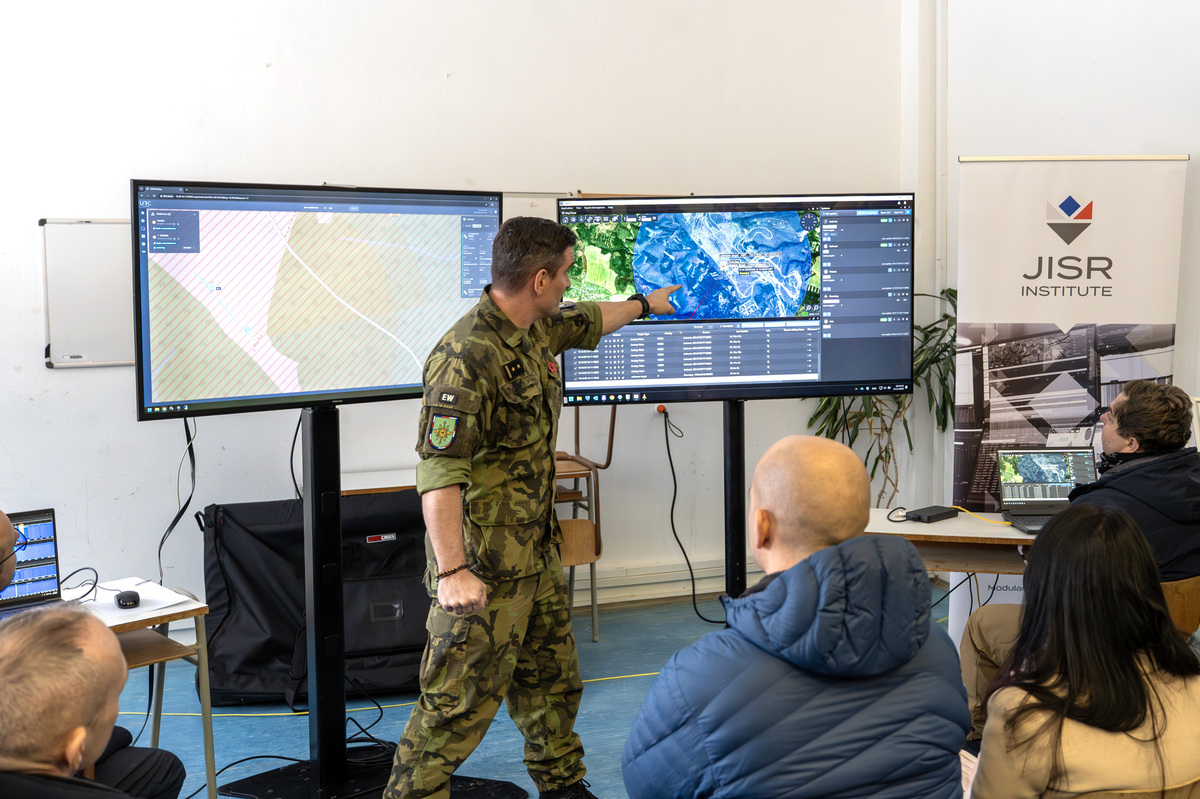
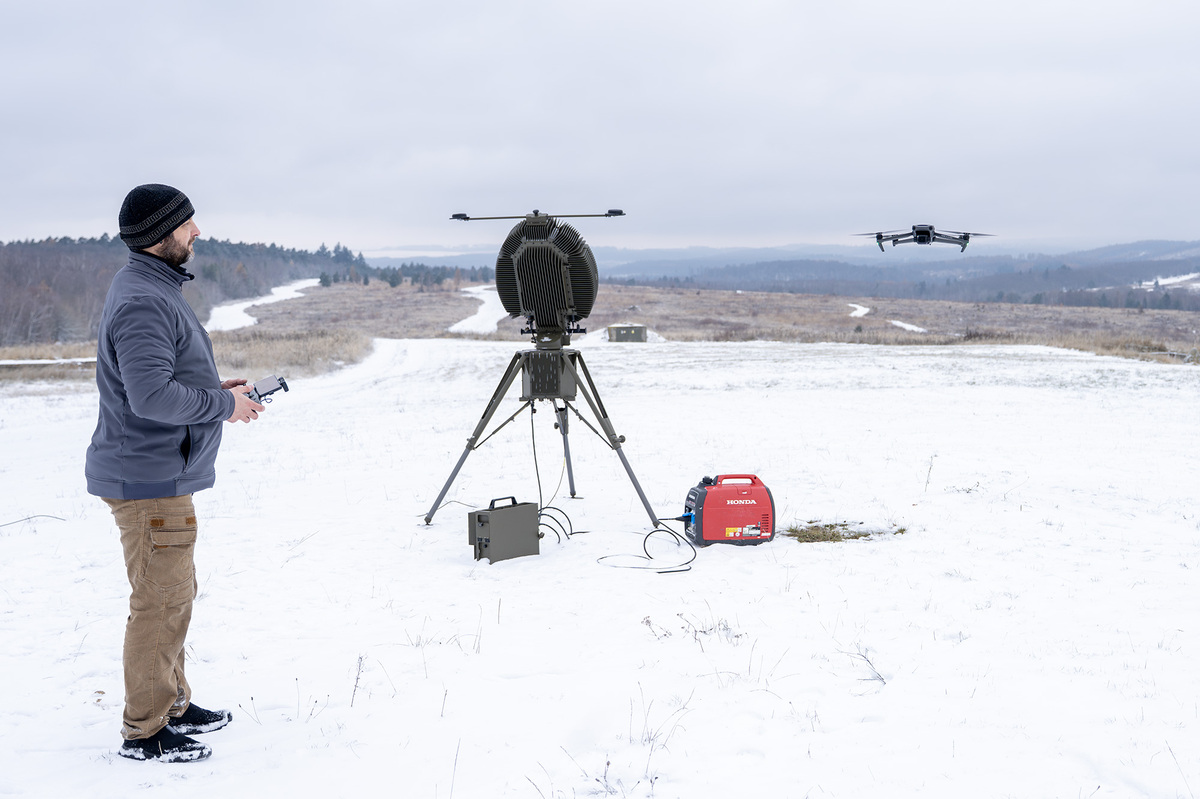
One of the key moments of the conference was a practical demonstration of anti-drone systems developed by the Czech defense industry. At the Březina military training area near Vyškov, JISR Institute, URC Systems, and Retia presented their technologies for the detection, classification, and soft-kill elimination of small unmanned aerial vehicles in real terrain conditions. Participants had the opportunity to observe individual technological procedures in practice, which provided a clear picture of the current capabilities of Czech C-UAS solutions.
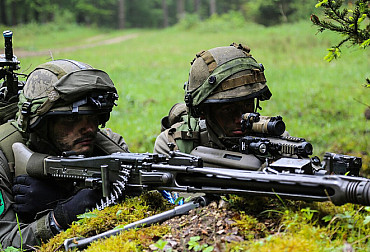
This part of the conference also featured valuable international experiences. The Ukrainian representative presented insights directly from the current war conflict, where unmanned aerial vehicles play a key role in both reconnaissance and strike operations. In his presentation, he discussed not only the practical deployment of drones and tactics for their use, but also an assessment of the development of threats from the beginning of the conflict to the present, as the enemy rapidly adapts, introduces new means, and changes its attack procedures. His presentation offered an open and detailed look at the dynamics of the drone threats that Ukraine faces on a daily basis.
He was joined by a Polish expert, who put the issue into the context of recent security incidents currently facing Poland, our key neighbor and NATO member state. He drew attention to the dynamically changing threat environment on the eastern border of the alliance and emphasized the importance of data sharing and coordinated procedures between Central and Eastern European countries.
The discussion was also supplemented by a Dutch expert on critical infrastructure protection, who provided a perspective from Western Europe.
The Czech Army is intensively engaged in the field of anti-drone defense, based in part on experience from the Ukrainian battlefield, where drones have played a crucial role since 2022. These findings have led to a series of domestic experimental exercises, including Drone Shield 2024, which have significantly contributed to a better understanding of the capabilities and limitations of current systems.
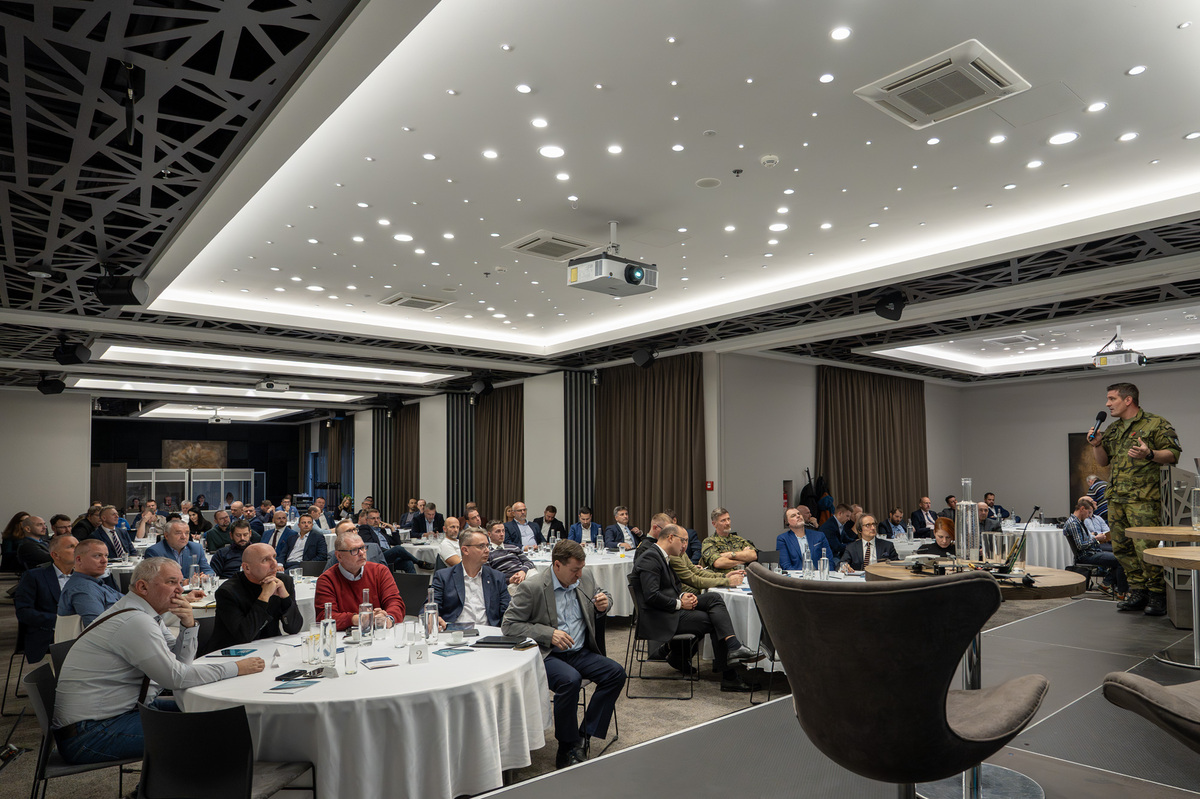
Presentation by representatives of the Ministry of Defense and the Czech Army
Several key representatives of the Ministry of Defense spoke at the conference:
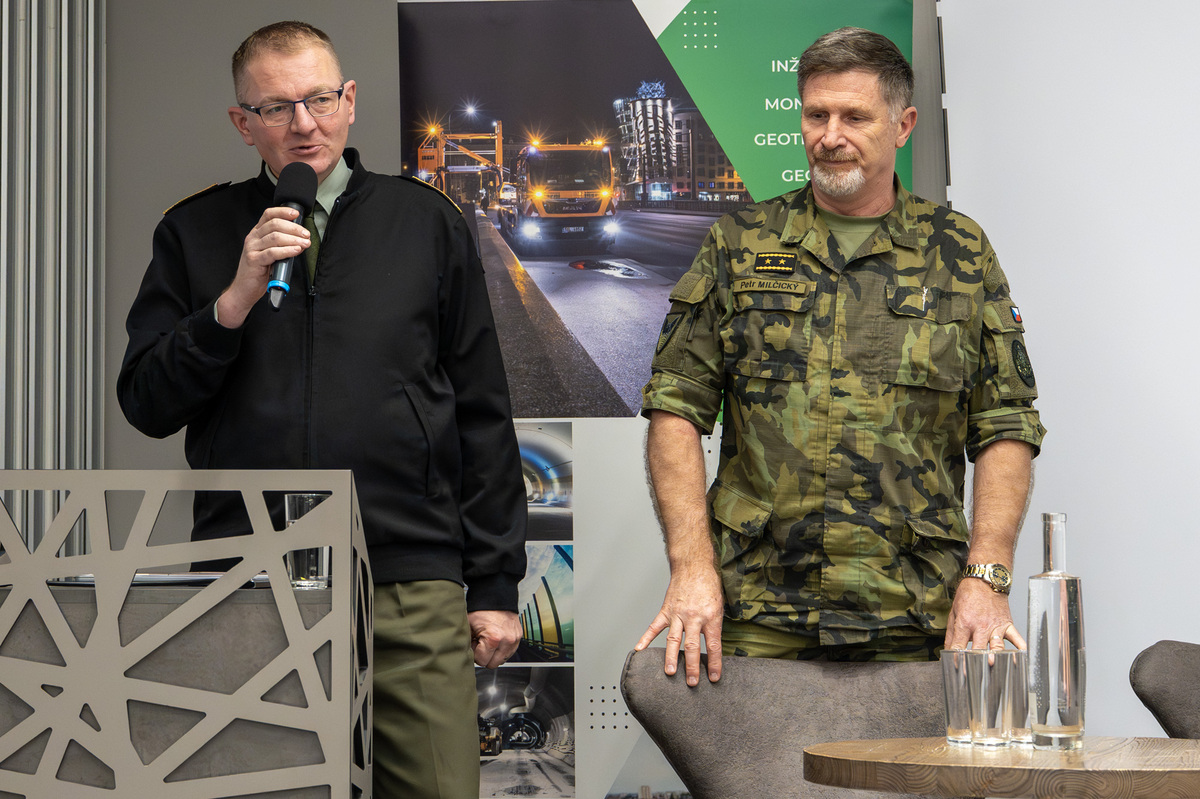
- Major General Petr Milčický, Director of the Force Development Section, Ministry of Defence
- Brigadier General Petr Šnajdárek, Director of the Communication and Information Systems Section, Ministry of Defence
- Lt. Col. Michal Peterek, C-UAS specialist from the Communications and Information Systems Section, Ministry of Defence
Major General Milčický emphasized the need for a society-wide approach to protecting the state and its critical infrastructure. He recalled that in recent years, the army has worked closely with other ministries on joint measures and exercises, but now, in his view, it is crucial for society as a whole to actively participate in increasing resilience.
Brigadier General Šnajdárek praised Ukraine's ability to coordinate the defense of civilian infrastructure under constant pressure from Russian attacks and pointed out that the Czech Armed Forces' command and control system must also undergo a transformation towards more agile procedures. He believes that effective data sharing between civilian and military entities plays a key role and recalled the establishment of a new Committee for Anti-Drone Protection, Drone Regulation, and Development within the State Security Council, which was subsequently presented in more detail.
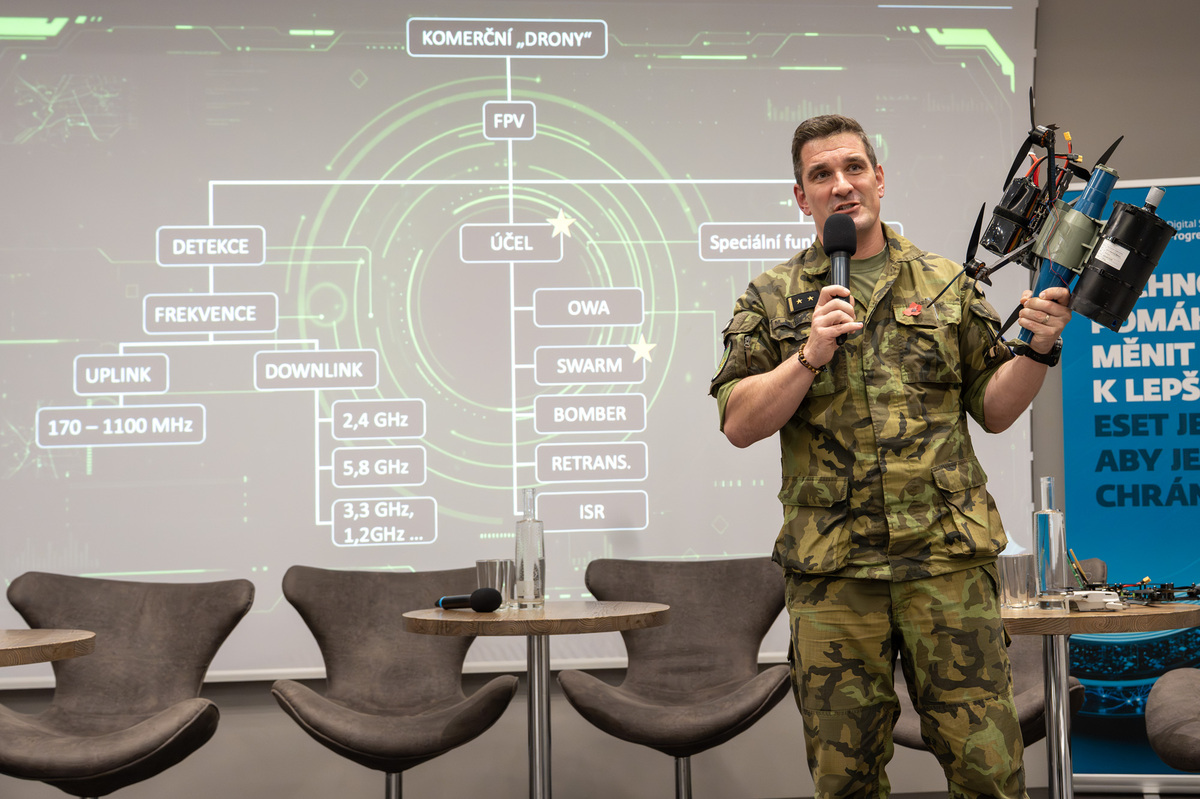
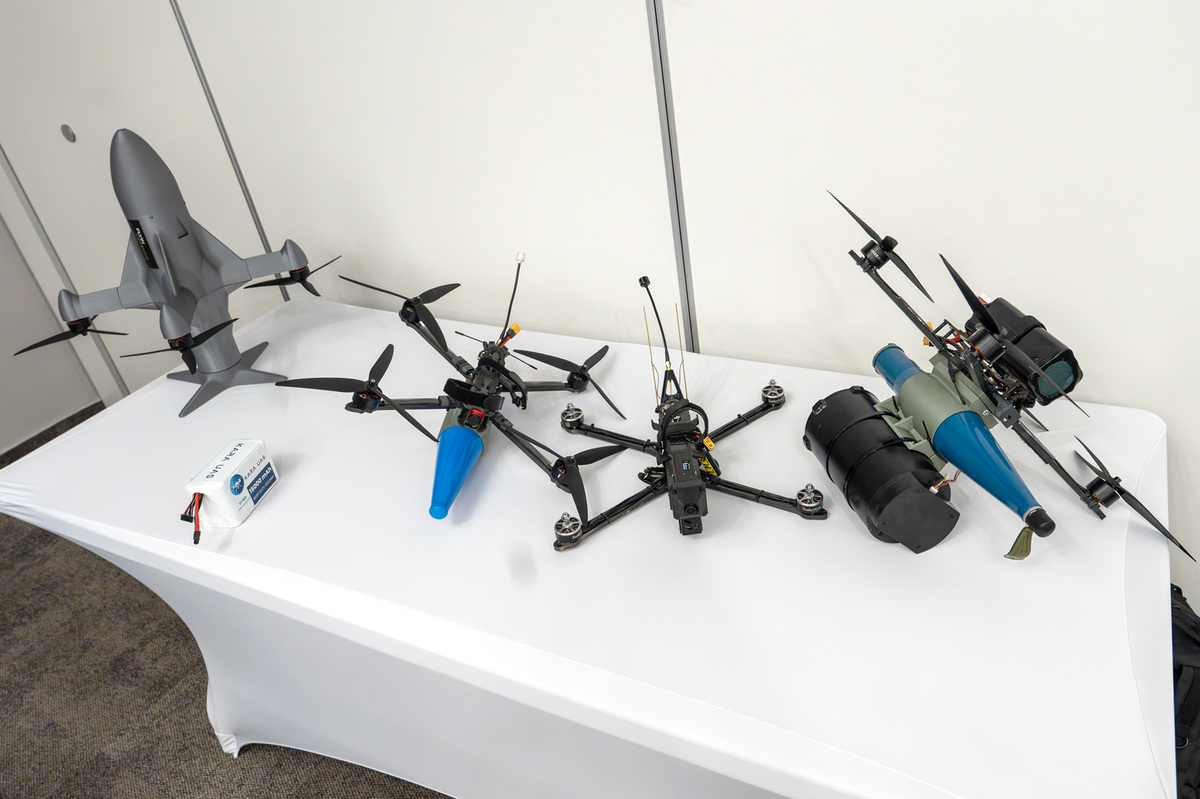
In his expert presentation, Lt. Col. Michal Peterek focused on the most common types of unmanned aerial vehicles posing a threat, their growing operational capabilities, methods of deployment, including swarm concepts, as well as current methods of detection, identification, and localization of drones, and assessed the current possibilities for their elimination. He pointed out that 100% anti-drone protection is currently unattainable, and the goal is therefore to maximize effectiveness in relation to the costs incurred.
Critical infrastructure as a priority
As part of the discussion on critical infrastructure protection, Lt. Col. Peterek divided its key locations into three categories:
- critical points of the Ministry of the Interior's infrastructure
- critical points of the infrastructure of the Czech Army and combat units
- civil critical infrastructure of the Czech Republic
Civilian infrastructure—including energy, healthcare, transportation, airports, and storage and logistics hubs—is proving to be one of the most vulnerable elements of the state today. The Russian-Ukrainian conflict has clearly confirmed that attacks on these facilities can have a major impact on security, the functioning of the economy, and everyday life.
Cybersecurity as the second pillar of resilience
The second dominant theme of the conference was cyber security, particularly the protection of critical infrastructure against sophisticated cyber attacks and sabotage. Representatives from ESET Corporate Solutions opened this topic by sharing their global experience and emphasizing the effectiveness of a national cyber shield, which would enable the prediction of incoming threats and their timely detection and response, protecting key points of national and critical infrastructure. Their presentation was followed by expert panels on the second day, which focused on practical methods of cyber protection and procedures for strengthening digital resilience.
Colonel Přemysl Štěpánek, deputy commander of the Czech Armed Forces Cyber and Information Forces, also made a significant contribution. Together with representatives of UCEEB ČVUT, he confirmed the topicality of global cyber threats and emphasized the need for continuous strengthening of the information resilience of individual states. According to them, cyberspace is now as strategic a battlefield as physical space and requires coordinated efforts by the state, industry, and academia.
Conclusion
The RESILIENCE 2025 conference confirmed that drones, anti-drone systems, and cybersecurity are among the fastest-growing segments of the modern security environment. Adapting to new threats, investing in technological innovation, and effectively linking civilian and military structures are key prerequisites for strengthening a country's defense capabilities.
At the same time, it is becoming clear that the protection of strategic targets – whether physical or digital – is essential not only in the combat zone, but also deep in the rear. Threats to critical infrastructure can fundamentally affect the course and outcome of a conflict, and it is therefore necessary to devote long-term and systematic attention to its protection.