












Czech weapons in Ukraine: strengthening the Czech Republic's international standing and invaluable experience
Almost four years have passed since Russia invaded Ukraine. The attacked country continues to defend itself fiercely, while Russia is advancing only slowly and at the cost of enormous losses. It is also suffering damage on its own territory, as Ukrainians repeatedly attack its infrastructure. The high effectiveness of the Ukrainian defense is also due to extensive support from abroad, especially from NATO and EU members, including the Czech Republic. The Czech Republic began providing assistance to the attacked state in the first days after the Russian attack, and Czech support then escalated significantly as the Czech defense industry became increasingly involved. In terms of the production of new military equipment, Czechia ranks among the largest suppliers to Ukraine, as the volume of Czech production is comparable to that provided by world powers. This has, of course, greatly enhanced the international prestige of the Czech Republic and its industry.
Deliveries of Czech military equipment to Ukraine are diverse in nature. Initially, they consisted mainly of donations from the Czech government, which came from army warehouses, but private companies soon became involved as well. At first, they also supplied warehouse stock, but later began to increase production of new weapons, ammunition, and other products. Some of these are purchased regularly by the Kiev government itself, while others are purchased thanks to financial contributions from third countries that want to help Ukraine but, for various reasons, cannot supply their own military equipment and therefore prefer to purchase products from Czechia. The so-called Czech ammunition initiative, as the procurement of artillery ammunition from various sources is usually referred to, is also based on a partially similar principle. The program is financed by funds from NATO and EU members, but the main role in its implementation is played by Czech and Slovak ammunition companies, primarily from the CSG group or the STV Group, which are responsible for refurbishing existing artillery ammunition and producing new ammunition.
As part of the Czech ammunition initiative, Ukraine will receive over four million pieces of artillery ammunition by the end of 2025, which has significantly contributed to reducing the original huge superiority that Russian artillery had in this regard on the battlefield. This is why some consider the Czech ammunition initiative to be perhaps the most significant step on the international stage that the Czech Republic has taken as an independent state. In addition, it is certainly worth mentioning that in April 2022, Czechia became the first country to send heavy military equipment to Ukraine, providing T-72M1 tanks, BVP-1 infantry fighting vehicles, and 152 mm ShKH vz. 77 DANA self-propelled howitzers from its army warehouses. The latter artillery system subsequently became one of the best-known Czech weapons in Ukraine, thanks in part to the fact that it was not limited to the basic Cold War version howitzers that Kyiv obtained from army warehouses and private entities.

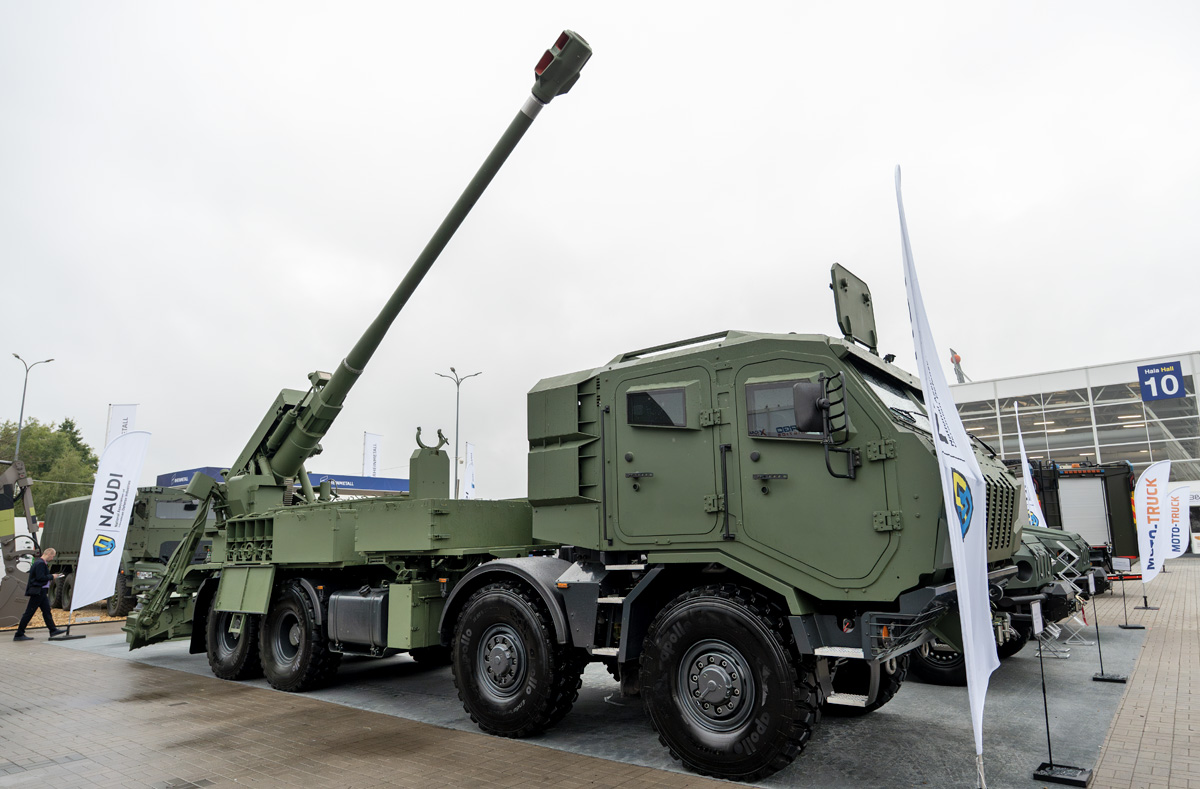
The Czech company Excalibur Army also supplied modernized DANA-M2 howitzers, which feature, among other things, a new Tatra Force chassis and an improved fire control system. This version can also fire new DN1CZ shells with a maximum range extended to 25.5 km. From 2024, Ukraine will also receive a completely new type of self-propelled howitzer, the DITA, also produced by Excalibur Army. These howitzers retain the basic configuration with a low Tatra chassis and a massive rotating turret, but differ in that the turret is remotely controlled (meaning that no crew is required to be present in the turret) a high degree of digitization and automation, and a main caliber of 155 mm, which means they can fire NATO-standard ammunition. The wheeled self-propelled howitzers of all the types mentioned have proven themselves tremendously in Ukraine, among other things because their wheeled chassis allows for quick movements and rapid changes of position to evade Russian retaliatory fire. Automatic loading also plays an important role, giving the DITA howitzer the highly valued MRSI capability, i.e., the ability to hit a target with several shells simultaneously.
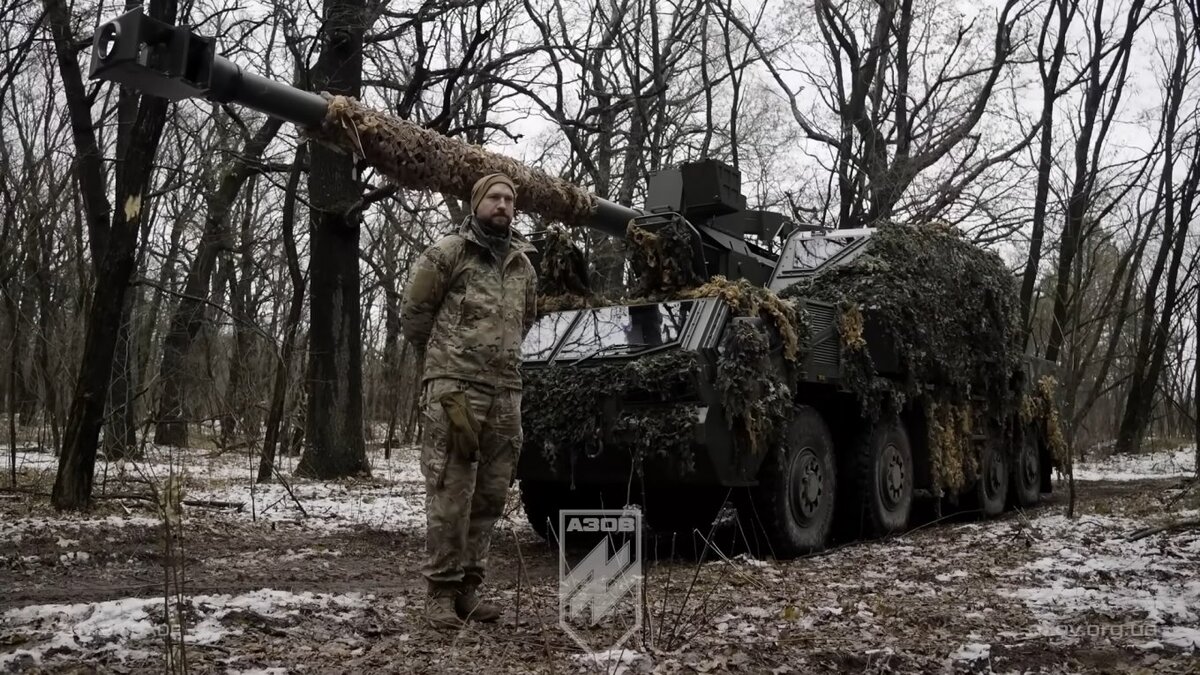
In addition to Czech self-propelled howitzers, artillery rocket launchers are also used in Ukraine, namely various versions of the successful RM-70 122 mm caliber system. In addition to a launcher with 40 tubes, it also features space for transporting another 40 rockets and a mechanical device for inserting them into the launcher. Shortly after the Russian aggression, Ukraine received RM-70 rocket launchers in their basic Cold War configuration, followed by additional, more modern modifications. The Czech defense industry began supplying Ukraine primarily with RM-70 Vampire systems on new eight-wheel Tatra Force chassis, also developed in Šternberk, including a version equipped with a new Puma series armored cabin. A BM-21T Striga light rocket launcher mounted on a four-wheel Tatra Force chassis has also been spotted in Ukraine. Kyiv is also acquiring various variants of 122 mm caliber rockets, including rockets with a maximum range of up to 40 km, which is twice that of the basic Cold War version.
All of the above-mentioned types of weapons use Tatra chassis, but the Czech companies Tatra Trucks and Tatra Defence also provide chassis for Ukrainian weapon systems. The list begins with the Neptune missile system, which was originally designed to target ships. It was these missiles that sank the Russian cruiser Moskva in April 2022, and it has long been known that they were launched from a Tatra chassis. Currently, there are other versions of the Neptune missile that are used to destroy ground targets. Ukraine also used the Tatra chassis with the Puma armored cabin as the basis for the Burevij artillery rocket launcher, which is a modernized version of the Soviet 220 mm Uragan system. Chassis from Kopřivnice are also used for 155 mm Bohdana self-propelled howitzers, which Ukraine mass-produces in large numbers, making Bohdana one of the backbone weapons of Ukrainian artillery today.
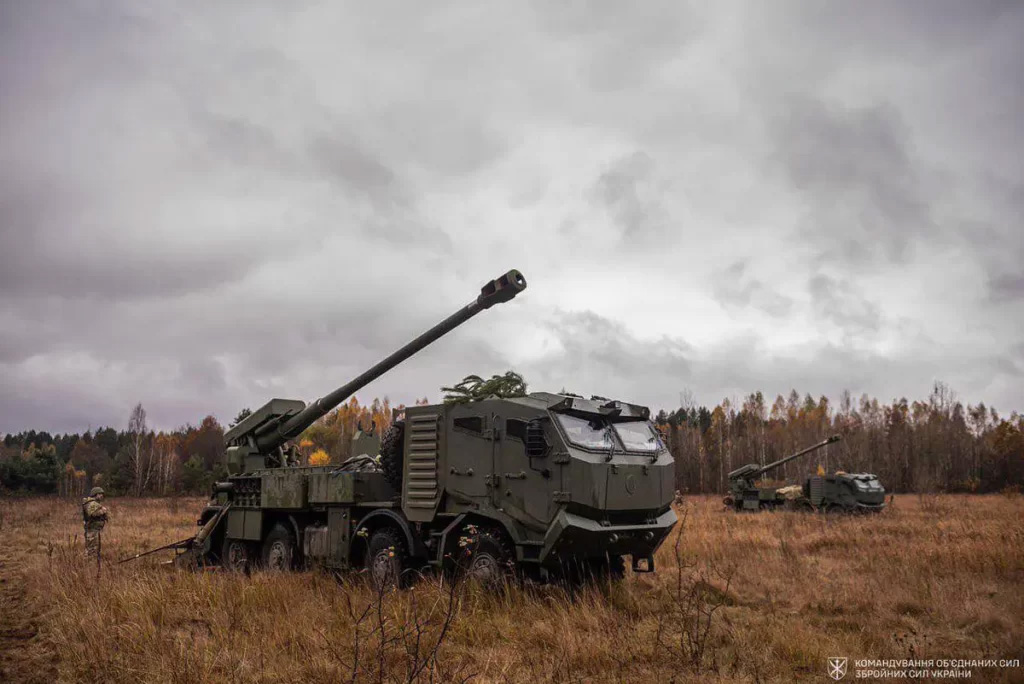
It can be expected that Ukrainians will also place some of their other weapon systems on the Tatra chassis, such as 300 mm Vilcha artillery rocket launchers or anti-aircraft missile systems. Furthermore, it is likely that the Tatra Force vehicle will become the primary heavy logistics platform for the local army in the future, which was clearly the intention even before the Russian aggression. In addition to Tatra Force trucks for the army, Kiev is also acquiring fire trucks on Tatra chassis, including vehicles from the Phoenix series. This type is not primarily intended for military use, but it is also used on the battlefield, as some of the Bohdan self-propelled howitzers correspond to the eight-wheel Tatra Phoenix chassis variant. This modification features a Ukrainian-made armored cab with a hood to protect the front-mounted engine.

Military equipment on tracked chassis, which is more or less of Czech origin, is also widely used in Ukraine. Examples include the T-72EA tanks, which are a low-cost modernization of the Soviet T-72 tank, also carried out by Excalibur Army. Among other things, the vehicle was equipped with DYNA-72 additional dynamic armor blocks, and the capabilities of some sensors in the fire control system were improved. Ukraine also received some modifications of the BMP platform, including the Pbv 501A vehicle, as the BMP-1 infantry fighting vehicle is called, which was originally implemented by the Czech defense industry for the Swedish army. The BPzV Svatava reconnaissance vehicle was also spotted in Ukraine. It is also worth mentioning that the Czech company STV Group has started production of new BMP-1 hulls in Slovakia and that there is speculation that they are intended for the Ukrainian armed forces.
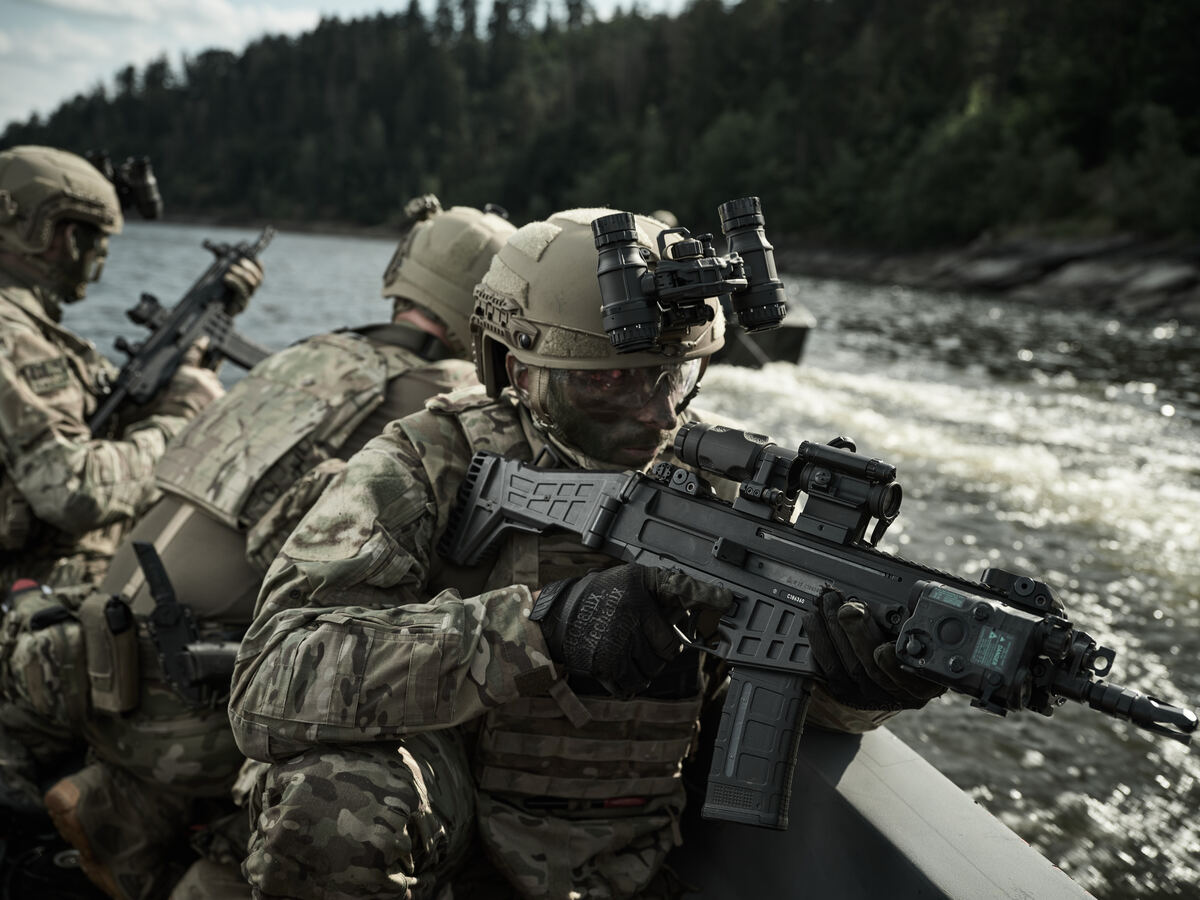
Ukrainian forces also make extensive use of Czech-made small arms. Shortly after the Russian aggression, the Czech Republic sent large quantities of weapons from its army warehouses, especially CZ vz. 61 Škorpion submachine guns, CZ vz. 58 assault rifles, and ZVI vz. 59 universal machine guns, along with a large amount of ammunition. However, Czech defense industry companies also subsequently became involved in this field, such as Česká zbrojovka Uherský Brod, which began supplying Ukraine with ČZ BREN 2 assault rifles in particular. These subsequently became one of the most popular types of weaponry among foreign volunteers, and in 2025, their licensed assembly began in Ukraine. The local armed forces also use other products from Czech companies, including PZD light machine guns from DSS and ZVI OP-96/99 Falcon heavy sniper rifles. The RPG-75-M disposable anti-tank weapons, whose production was launched by Zeveta Bojkovice and tens of thousands of which have already been delivered to Ukraine, have also gained great popularity.
The ongoing conflict is often referred to as a "drone war," so it is not surprising that the Czech defense industry is also involved in supplying unmanned aerial vehicles to Ukraine. Ukraine has therefore joined the ranks of operators of Primoco One 150 tactical reconnaissance drones, which are currently among the most commercially successful types in this category. The operation of the U&C UAS factory near Kolín, which was built as a production plant for the Ukrainian company DeViRo, is also significant. It ensures the production of Stork series reconnaissance machines and, more recently, the supply of Mace "suicide" drones. The Prague-based company LPP also sends its drones to Ukraine, where it has successfully tested MTS "suicide" drones equipped with an autonomous visual navigation system that is immune to jamming. In 2026, LPP also plans to start supplying Ukraine with hard-to-detect Nigtray "suicide" drones and inexpensive Narwhal flat-trajectory missiles, the first weapon of this category produced in the Czech Republic.

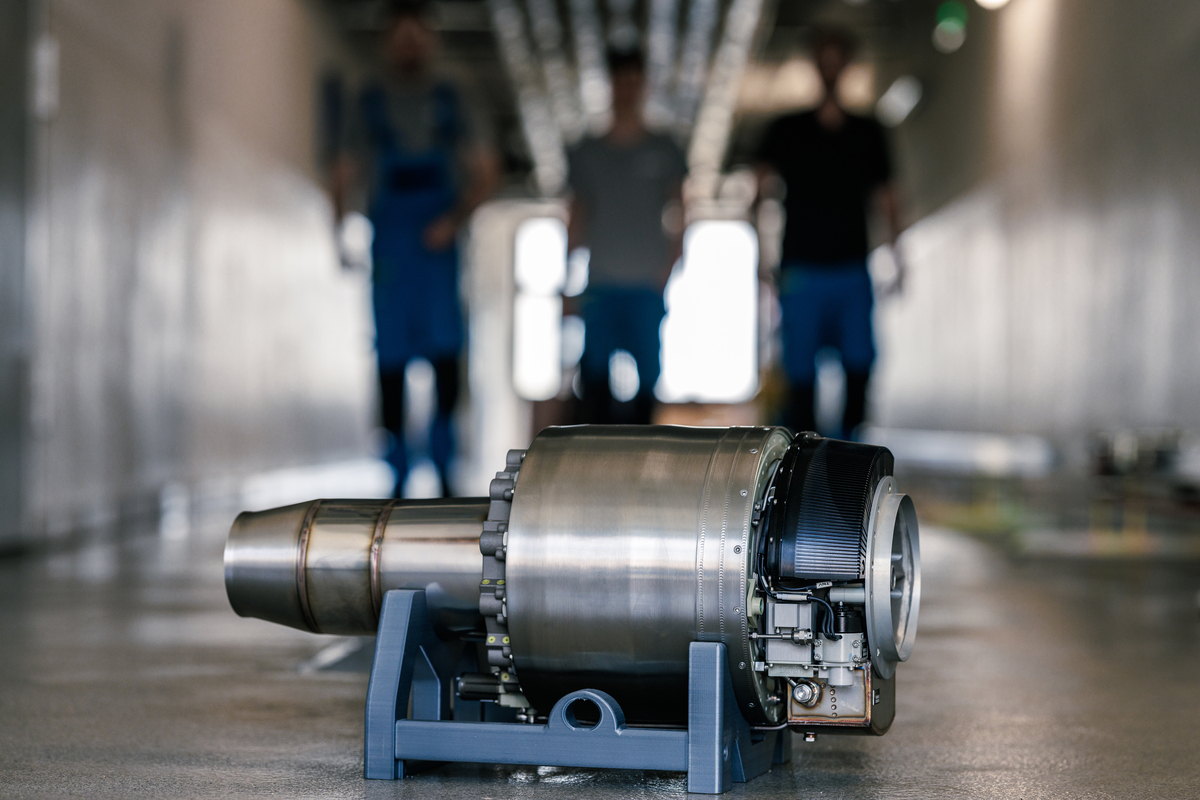
Kyiv also obtains inflatable mock-ups of military equipment from the Czech company Inflatech, and another important supplier to Ukraine is PBS from Velká Bíteš, which ranks among the world leaders in the field of small jet engines. Its engines are used in some Ukrainian guided missiles with a flat flight path (e.g., Paljanycja and Peklo), and PBS has also started working with the Ukrainian company Ivchenko-Progress to develop a new, significantly more powerful engine for guided missiles with even better parameters. This is another example of cooperation between the industries of both countries, as illustrated by some of the examples mentioned above, and it will undoubtedly continue to develop. It is also worth mentioning that in 2025, Ukraine began manufacturing artillery ammunition under license from the CSG Group. The L-259 training and light combat jet project, in which Czech Aero Vodochody and Ukrainian companies are to participate, has also attracted attention.
Another interesting contribution by Czech industry to Ukraine's defense against Russian aggression is the MR-2 Viktor mobile air defense system. It was developed by Excalibur Army in a short period of time in 2022 in response to the urgent need for Ukrainians to counter the growing number of Russian drones. It is a relatively simple but effective combination of two elements, namely a Toyota Land Cruiser HZJ79 off-road vehicle and a ZPU-2 gun mount with two 14.5 mm KPVT machine guns, supplemented by a night sight. The simple nature of this system made it possible to quickly start mass production and, of course, facilitated training and deployment.
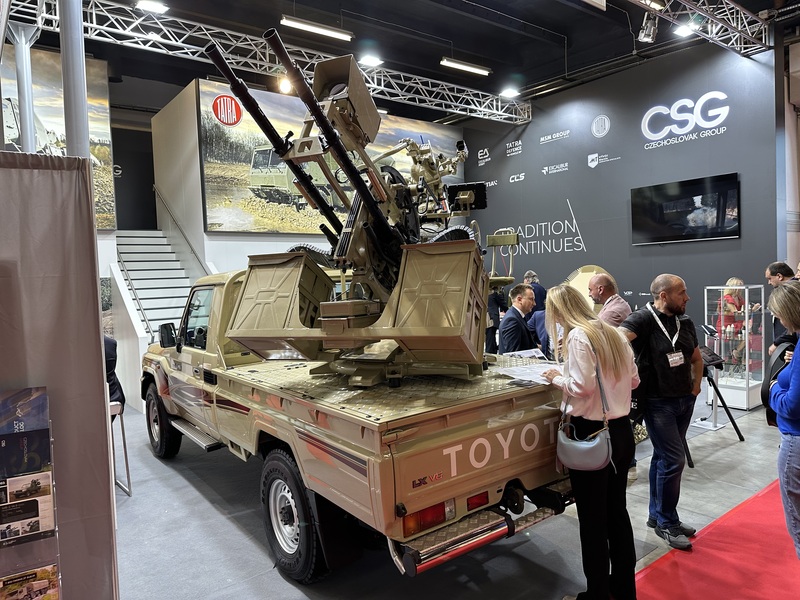
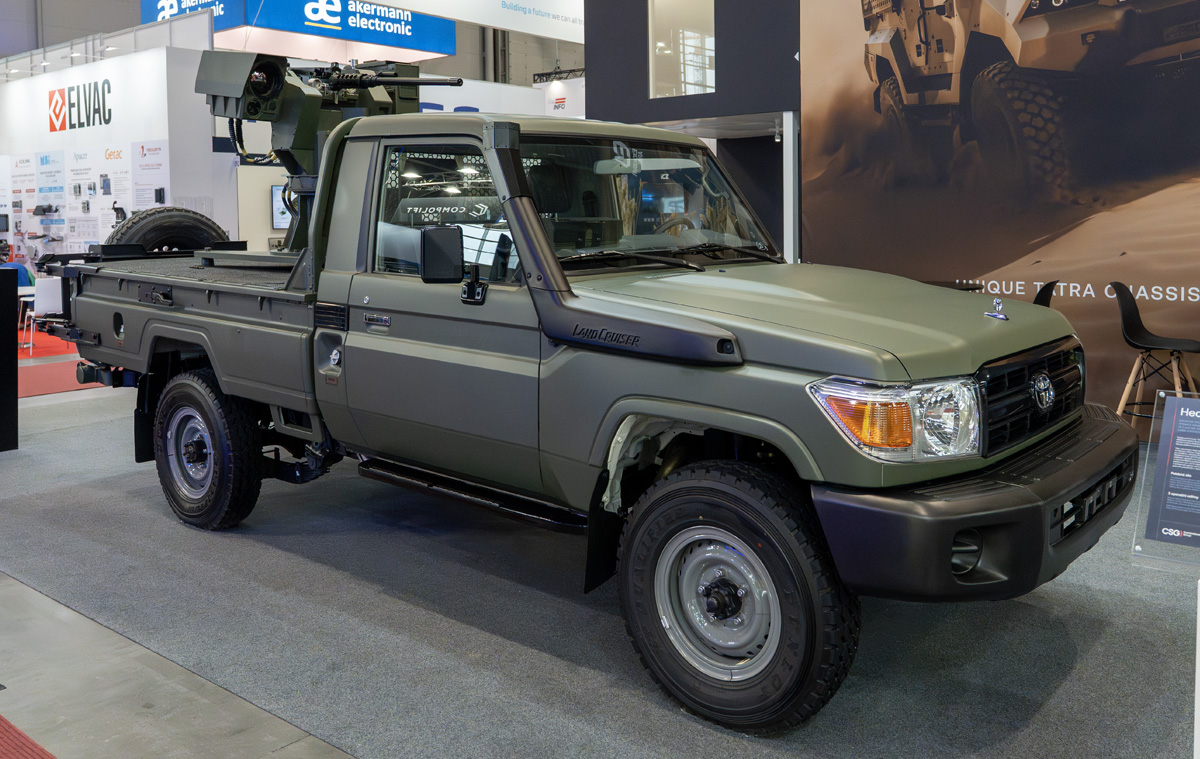
In practice, this once again demonstrated the proverbial ability of Czechs to improvise, or rather to implement non-standard but functional solutions. There is even an ideological successor to the Viktor, namely the Hector system, again from the Šternberk company, which already features a remote-controlled machine gun station.
There is no point in denying that supplies of military equipment to Ukraine, which is defending itself, represent a source of enormous profits for the Czech defense industry, thanks to which this sector is now experiencing a truly exceptional boom. Its prestige has also grown, which is reflected in the interest of other customers, who have understandably been greatly impressed by the ability of Czech companies to develop, innovate, modernize, and manufacture, often in ways that arms companies from most other NATO and EU countries would not be able to manage. It should be emphasized here that in a number of these countries, some production capacities (including for the supply of artillery ammunition) have been almost or completely destroyed, so countries such as Czechia and Slovakia enjoy a great advantage in this regard. This is also why some countries prefer financial support or payments for Czech production of military equipment for Ukraine, as they simply do not have adequate production capacity themselves.
Profits from production for Ukraine naturally generate huge tax revenues for the Czech state budget, but that is not the end of the story. Thanks to these contracts, the defense industry can provide a large number of jobs for employees with various qualifications, it also subcontracts to other Czech companies and can invest in the further development of its capabilities. The deployment of Czech weapons in Ukraine also inevitably means gaining invaluable combat experience, which can then be used to further modernize existing weapons and develop new types of technology. This can also greatly benefit the Czech Army, as domestic companies can supply it with weapons that have been tested in real-world conditions. Supplies of Czech-made military equipment therefore continue to represent not only an extremely important contribution to the ongoing defense of Ukraine, but also, for several reasons, a highly significant contribution to the prosperity, security, and defense capabilities of our country.