












Future Forces 2026: Drones, Counter-Drone Defense, and Czech Technologies for the Modern Battlefield
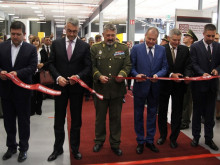
This year, the PVA EXPO Letňany exhibition center in Prague welcomed more than 530 exhibitors from 36 countries, 9,000 visitors from the defense sector, and over 1,000 official delegates and VIP guests as part of the Future Forces Forum international trade fair. In seven halls and on the outdoor exhibition area, visitors could view equipment from the Czech Army, including the Leopard 2A4 tank and the Venom helicopter, as well as a wide range of vehicles, systems, and technological solutions presented by Czech and international representatives of the defense industry.
Video: Future Forces 2026: Drony, protidronová obrana a české technologie pro moderní bojiště / CZ DEFENCE
A look at today’s battlefields, their dynamic evolution, and their diversity clearly shows that new technologies are playing an increasingly important role. Significant attention is being paid to aerial and ground-based unmanned vehicles, as well as to advanced systems designed to protect against them. In this context, we reached out to several selected companies so that their representatives could present their product portfolios to us. Sabina Holecová, a specialist at Dronetag, introduced us to a solution for detecting and tracking drones.
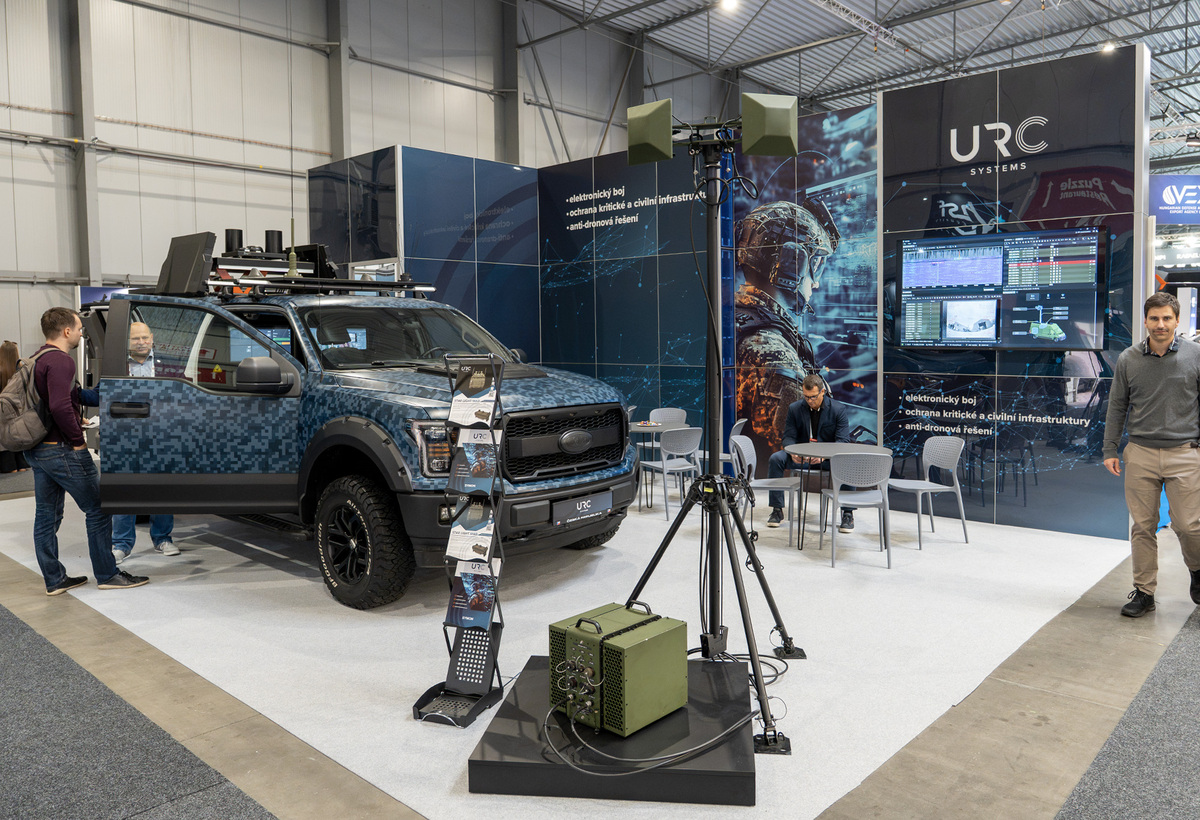
The timely detection of hostile drones and their subsequent elimination is now a key capability on the modern battlefield, protecting soldiers, equipment, and infrastructure – both military and civilian. In this context, Juraj Hrabovský, Director of Strategic Development at URC Systems, presented his company’s product to us.
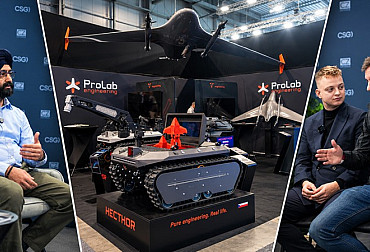
In addition to systems designed to detect, track, and, if necessary, neutralize enemy unmanned aerial vehicles, another important element is the effective, systematic management of one’s own unmanned aerial vehicles, including data collection. The JISR Institute focuses, among other things, on electronic warfare management, and its CEO, Jaroslav Hlouš, gave us a closer look at how individual solutions can help on the modern battlefield.
If a hostile or suspicious drone is detected but circumstances do not allow for its destruction, capturing it is a viable alternative. This can enable the subsequent identification of the drone and the retrieval of data stored in its memory. In this context, we spoke with Tomáš Hrudka Rozlílek, Business Development Manager at EAGLE.ONE.
For individual technologies to communicate reliably with one another and be controlled, they need a stable and high-performance communication network. Martin Baje, Director of Business Development at TTC TELEKOMUNIKACE, shared a few thoughts on this.
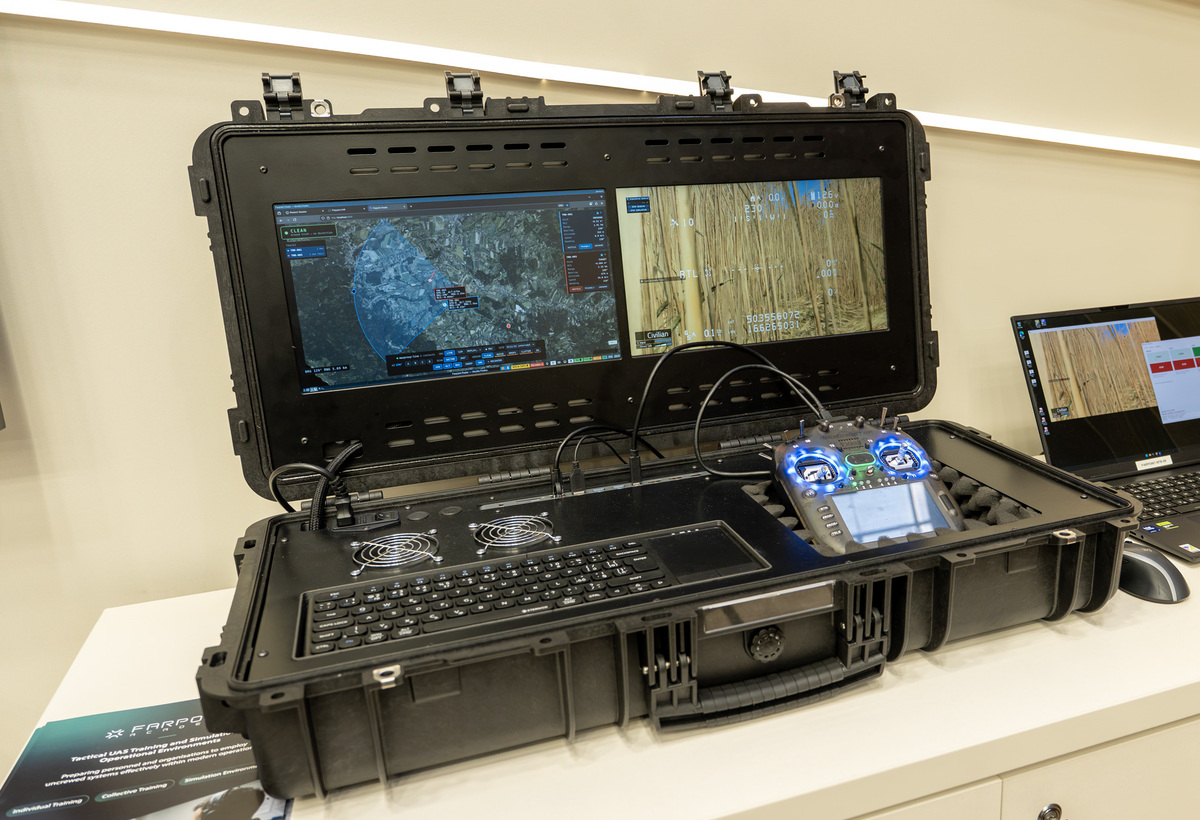
We should also not forget the drone operators themselves. Since drones are often expensive, it is not always possible to conduct training directly with them. During training, drone operators use various simulators that allow them to realistically practice handling crisis situations they may encounter during flight. Michaela Klazarová, Program Manager at Farpoint Academy, gave us a closer look at their simulator.
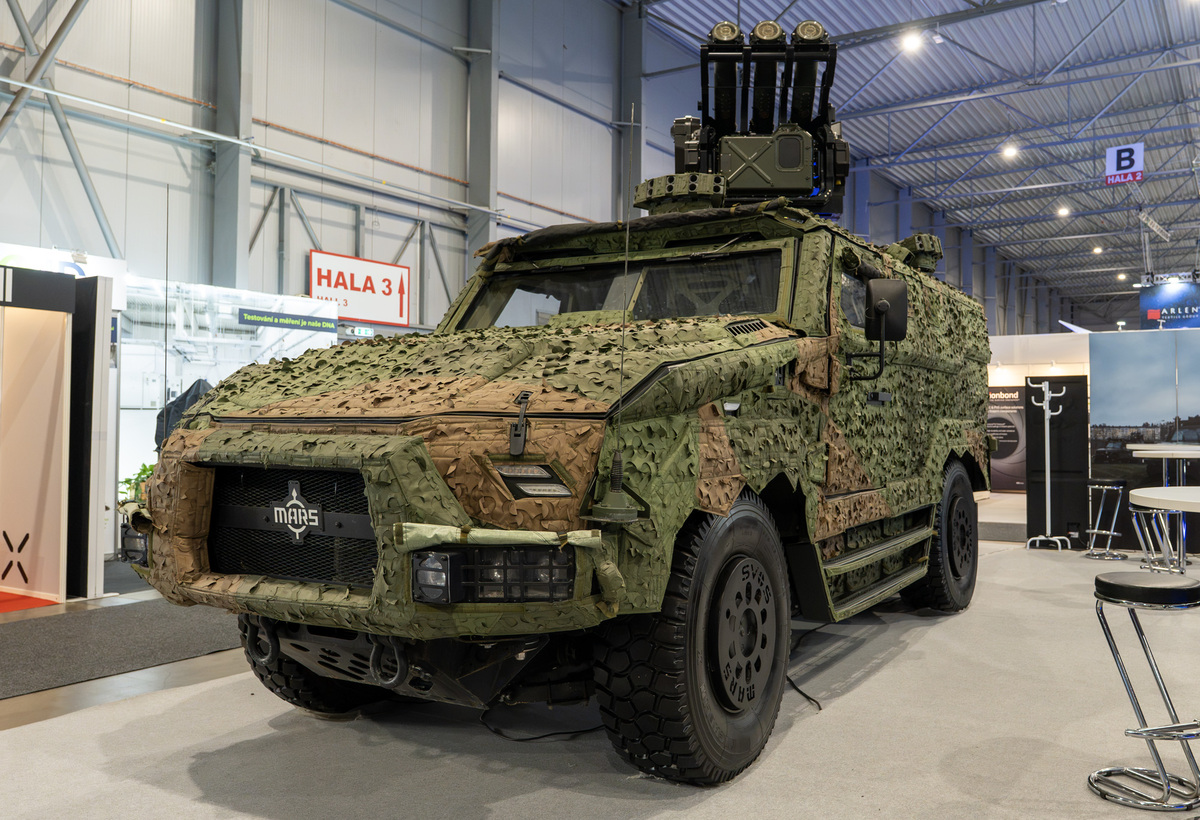
As part of the Czech Republic’s air defense, which includes protection against drones, our military is continuously acquiring modern defense systems. One such system is the MARS 4x4 armored vehicle equipped with the RBS 70 NG system from the Swedish company Saab.

Whether it’s aerial or ground-based unmanned vehicles, anti-drone systems, training simulators, electronic warfare technologies, armored vehicles, or a range of other solutions, the Czech defense industry certainly has a lot to offer in these areas.