














Medium and heavy brigades of the Czech Armed Forces need mobile drone defence systems. There are several possible solutions
Counter-unmanned aerial systems (C-UAS) are currently becoming one of the most urgent priorities for the modernization of ground forces across Europe. Cheap commercial drones modified for kamikaze attacks, remote-controlled FPV machines, and specialized loitering munitions pose a massive threat that cannot be effectively addressed by conventional short-range missile systems (SHORAD/VSHORAD) alone. Their guided missiles are too expensive to be used against swarms of dozens or hundreds of cheap targets every day, as demonstrated in particular by the conflict in Ukraine since 2022. This is why barrel systems equipped with programmable air-burst ammunition (AHEAD, ABM) are coming to the fore, as they can economically neutralize small, fast, and numerous airborne targets by creating a cloud of fragments in the air.
For the Czech Armed Forces (CAF), selecting a suitable C-UAS system is a complex task. It must meet several key criteria simultaneously: high probability of hitting drone swarms, full interoperability within NATO, possibility of rapid deployment, reasonable price including ammunition, and ideally the involvement of Czech and Slovak industry, especially the Czechoslovak Group (CSG), Excalibur Army, Tatra Trucks, and other companies. In 2026, three main European candidates are emerging in discussions: the German Rheinmetall Skyranger 30/35, the Turkish Aselsan Korkut with a new Czech dimension, and the Polish SA-35 from PIT-Radwar.
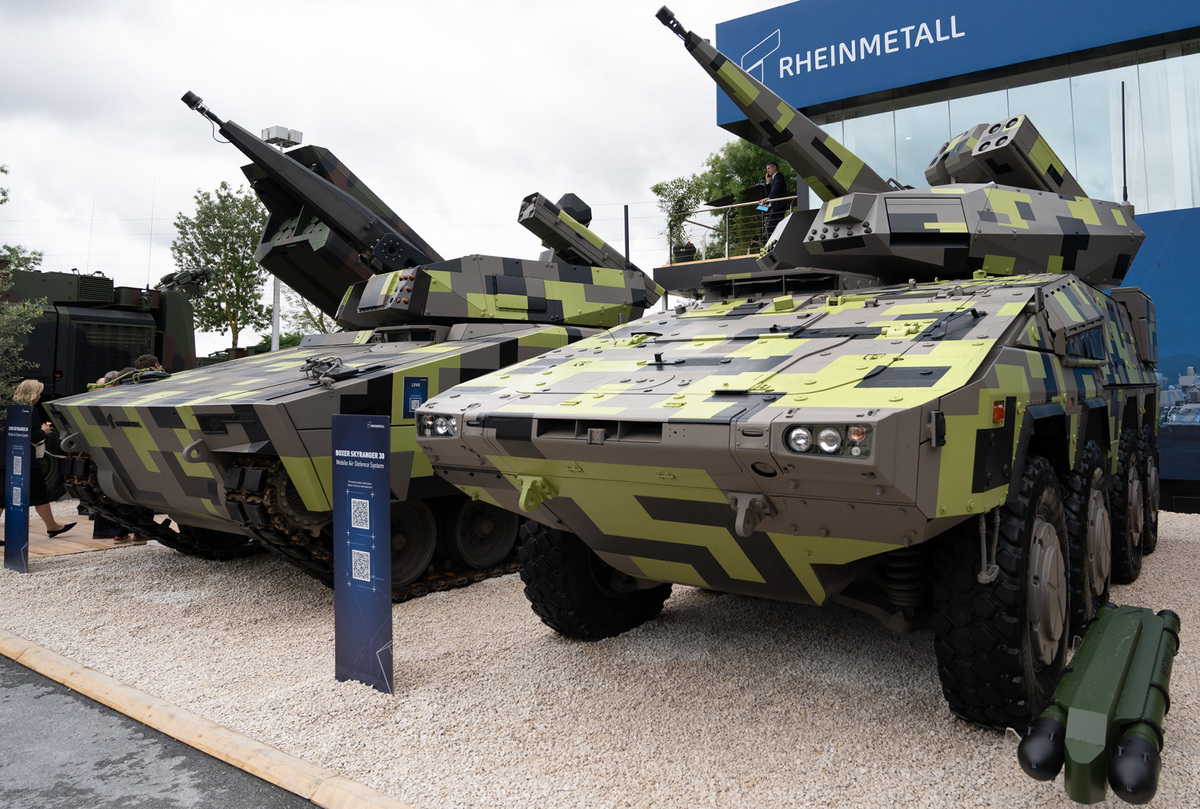
The most widespread and proven solution remains the Skyranger family from Rheinmetall Air Defence. The Skyranger 30 version is equipped with a 30mm Oerlikon KCE revolver cannon with a rate of fire of up to 1,200 rounds per minute and an effective range of approximately 3,000 meters against unmanned targets. The basic ammunition is programmable AHEAD, which explodes in the air and creates a cloud of tungsten sub-projectiles, ensuring high effectiveness even against small and agile drones. The Skyranger 35 variant uses a more powerful 35mm Oerlikon KDG cannon with a rate of fire of around 1,000 rounds per minute, a longer range of up to 4,000 meters, and significantly better capabilities against a wider range of threats, including C-RAM (counter-rocket, artillery, mortar), i.e., mortar mines and artillery shells. Both systems come standard with integrated multifunction radar (typically SPEXER 2000/3600 or RE detect), electro-optical and infrared sensors for passive detection, and the ability to carry 2–4 short-range missiles (Stinger, Mistral, or the newer DefendAir). The system is spreading rapidly across Europe: Germany has ordered dozens of units on the Boxer platform with planned full operational capability by 2029, Austria on the Pandur EVO 6×6, Denmark on the Piranha 8×8, Hungary on the Lynx KF41, the Netherlands on the ACSV, and deliveries are also underway to Ukraine (Skyranger 35 on Leopard 1). For the Czech Armed Forces, Skyranger would bring maximum alliance interoperability, shared ammunition logistics with several allies, and proven capability against drone swarms from intensive testing and real-world deployment in 2023–2026, although the higher price of AHEAD ammunition remains one of the main limitations.
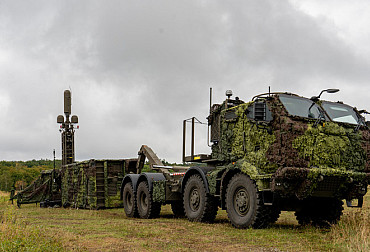
Another notable option is the Turkish Korkut system from Aselsan, which received a major European boost in February 2026. Excalibur International (part of CSG) and Aselsan signed a strategic agreement to establish a joint venture based in the EU and at the same time presented the integration of Korkut into the Czech Tatra Force 6×6 platform. Korkut uses two 35mm GDF-003 cannons with a combined rate of fire of 1,100 rounds per minute, programmable HEI-T and SAPHEI-T ammunition with an intelligent proximity fuse and a range of 3–4 km against UAVs. Thanks to the parallel firing of both barrels, this system excels against swarms of drones, as demonstrated in real combat in Syria, Libya, and Nagorno-Karabakh. The new cooperation promises localization of production in Czechia and Slovakia, significantly lower acquisition and lifetime costs compared to Western European systems, strengthening of the domestic defence industry, and faster deliveries. The Tatra Force 6×6 as a carrier ensures high mobility, durability, and compatibility with the existing logistics of the Czech army. However, the political sensitivity of Turkish origin and the lesser experience of some NATO allies with Korkut remain debatable points.
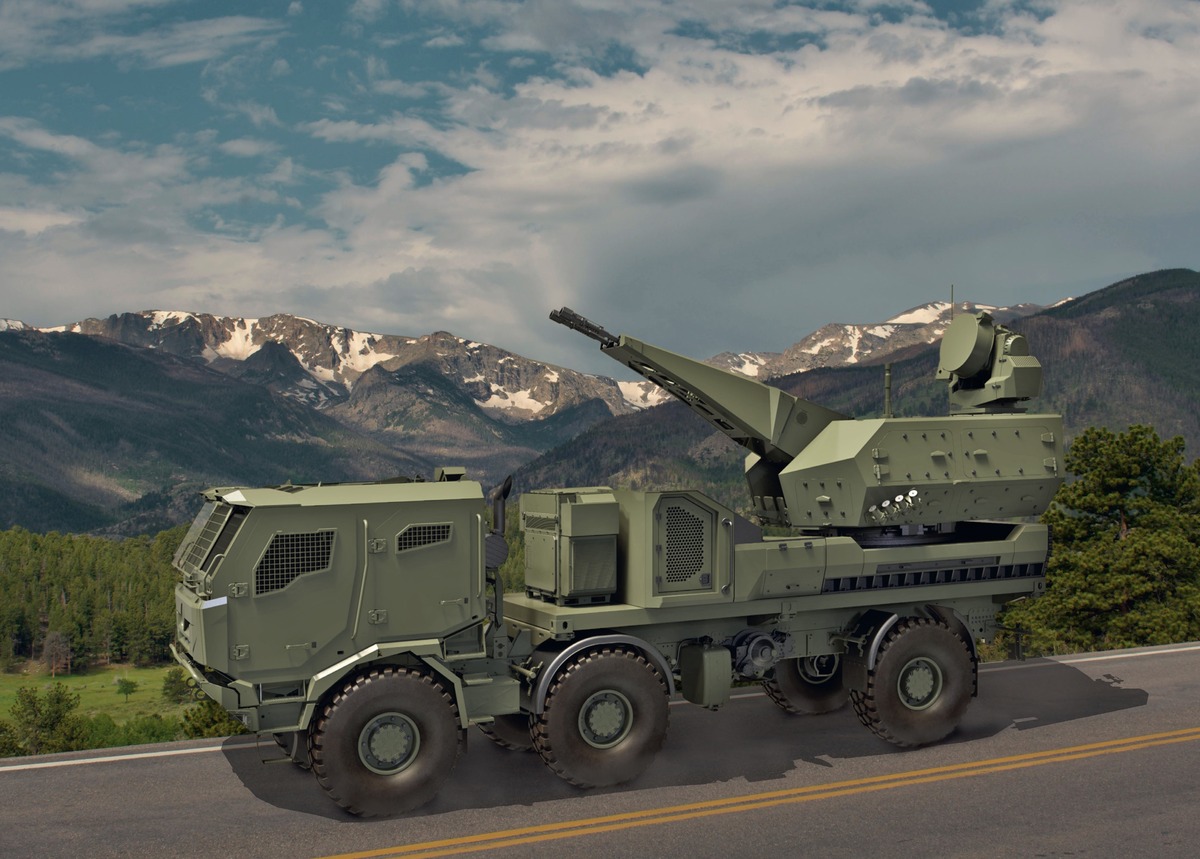
The third interesting solution from NATO's eastern wing is the Polish SA-35 from PIT-Radwar (part of PGZ). It is a self-propelled 35mm cannon derived from the AM-35K naval gun, equipped with programmable ammunition, a separate ZGS-35 optoelectronic station, a hybrid fire control system, and the future TUGA X-band radar, all on a Jelcz 6×6 chassis. The system achieves an extremely high probability of hit (around 97% with a salvo of 7–10 shells against a small target) and is designed primarily against cheap kamikaze drones. The SA-35 is part of the broader Polish San program, which aims to create a comprehensive anti-drone defence network by 2026–2027. Poland's geographical and tactical proximity would facilitate cooperation within the V4 and the sharing of experience from the eastern front, but the absence of export references outside Poland, different logistics for 35mm ammunition, and lower compatibility with German-Dutch standards represent significant limitations for the Czech Armed Forces.
A key factor in the selection remains the choice of platform, which must respect the different operational profiles of the two main brigades. The "medium" 4th Rapid Deployment Brigade operates mainly on wheeled vehicles (Pandur II 8×8 CZ, Iveco LMV, Tatra Phoenix/Force), therefore it requires a light, mobile system with a turret weight of up to 4-5 tons so as not to limit the speed of movement and passability on roads. Here, Korkut on the Tatra Force 6×6 platform (thanks to industrial cooperation between CSG and rapid localization) or Skyranger 30 on the modernized Pandur EVO or similar wheeled chassis can undoubtedly be put to good use if Pandur vehicles are replaced by another type. On the other hand, the "heavy" 7th Mechanized Brigade, which is gradually transitioning to the CV90 MkIV and Leopard 2A4/2A8, needs a system with maximum protection, off-road mobility, and logistics compatible with tanks and tracked infantry fighting vehicles. For this brigade, the Skyranger 30 or 35 directly on the CV90 (already successfully tested) or on a Leopard 2 derivative would be optimal, as this would ensure uniform maintenance and higher survivability in intense conventional conflict.
Purely missile-based MSHORAD would not be sufficient in the current environment – the optimal C-UAS layer remains a combination of a gun with programmable ammunition, supplemented by inexpensive MANPADS for specific scenarios, which is in line with trends that are rapidly gaining ground in Europe.


Which path has the German Bundeswehr taken?
In recent years, the Bundeswehr has significantly strengthened its plans and acquisitions in the field of mobile C-UAS (Counter-Unmanned Aerial Systems), primarily in response to experiences from the conflict in Ukraine and the growing threat of small, medium, and swarm drones. The Skyranger 30 system from Rheinmetall Air Defence has become the main pillar of mobile anti-drone defence, combining a 30mm revolver cannon with programmable AHEAD ammunition, sensors (radar + EO/IR) and the ability to carry short-range missiles.
In February 2024, the Bundestag Budget Committee approved and the Bundeswehr signed a contract with Rheinmetall worth approximately €595 million for the delivery of one prototype (verification model) and 18 Skyranger 30 series vehicles on the GTK Boxer 8×8 platform. The first verification model (prototype) was delivered to the Bundeswehr at the end of January 2025, as planned. Acceptance tests were conducted throughout 2025, with series deliveries of these 18 units planned primarily for 2027 and early 2028. This system closes a significant gap in the German Army's mobile SHORAD/C-UAS capabilities.
In addition, there is an option for a further 30 systems under this contract. During 2025, reports emerged of a significantly larger intention: Rheinmetall expects (and the Bundeswehr plans) an order of 500-600 Skyranger 30 units in total across all branches of the armed forces, with an estimated value of €6-9 billion. These deliveries are to take place in two phases – by 2029 and then by 2035. Initial operational capability (IOC) of the system is expected in 2027, with full operational capability (FOC) around 2029. Some of these systems are to be deployed in Lithuania, for example, to protect Panzerbrigade 45.
V listopadu 2025 Bundestag schválil další klíčový krok: vývoj a pořízení nové mini-rakety SADM (Small Anti-Drone Missile) speciálně pro integraci na Skyranger 30. Tento program má rozpočet okolo 490 milionů eur. SADM doplní kanónovou výzbroj a umožní efektivnější boj proti malým a mikro-dronům – jeden Skyranger by měl být schopen zničit až 30 dronů v jednom střetnutí. Tím se systém stane „plně schopným“ proti této kategorii hrozeb, což je přímá reakce na ukrajinské zkušenosti.
In addition to Skyranger, the Bundeswehr also uses other C-UAS systems, which, however, are not purely mobile in the classic sense of self-propelled cannon platforms:
- The ASUL (Abwehrsystem gegen Unbemannte Luftfahrzeuge) system – a modular C-UAS solution with components from HENSOLDT (radars, sensors) that is already in operational use. In 2025–2026, it will be expanded to include kinetic weapons (e.g., ESG Elektroniksystem is supplying an upgrade for short-range kinetic weapons).
- Interceptor drones from TYTAN Technologies (Munich) – in October 2025, a contract worth hundreds of millions of euros was signed for the development and delivery of counter-drone systems (drone-vs-drone), including a mobile configuration on vehicles (demonstrator planned for Q1 2026).
- Other elements such as the A1 Falke net-launcher drones from Argus Interception, which have been in service since 2025.
Older systems such as MANTIS (modular, automatic C-RAM/SHORAD) remain in inventory, but they are not primarily focused on the new wave of small drones and their mobility is more limited. Overall, as of March 2026, the Skyranger 30 on the Boxer is the Bundeswehr's primary and most significant mobile C-UAS asset, with a prototype already delivered, ongoing testing, and a massive expansion planned to hundreds of units over the next 10 years. This approach combines economical cannon fire against swarms with missile supplements (Stinger + new SADM) and represents a key component of Germany's new ground-based air defence strategy.