













NATO Days 2026: Security as Everyone’s Responsibility, New Capabilities of the Czech Army, and the Growing Role of Czech Industry
NATO Days and Czech Air Force Days in Ostrava have once again demonstrated that Europe’s largest security exhibition has long since ceased to be merely an attractive spectacle for the public. The 26th edition of the event brought allied military equipment, new capabilities of the Czech Army, an extensive presentation of the domestic defense industry, and an exceptionally strong presence of Czech political leaders and foreign diplomats to Leoš Janáček Airport in Ostrava. During the event, CZ DEFENCE spoke with representatives of the government, the military, and key companies. Their perspectives revealed a common thread running through this year’s event: security can no longer be separated from industrial capacity, technological development, the domestic manufacturing base, or the allies’ ability to truly cooperate.
Video: NATO Days 2026: Security as Everyone’s Responsibility, New Military Capabilities, and the Growing Role of Czech Industry / CZ DEFENCE
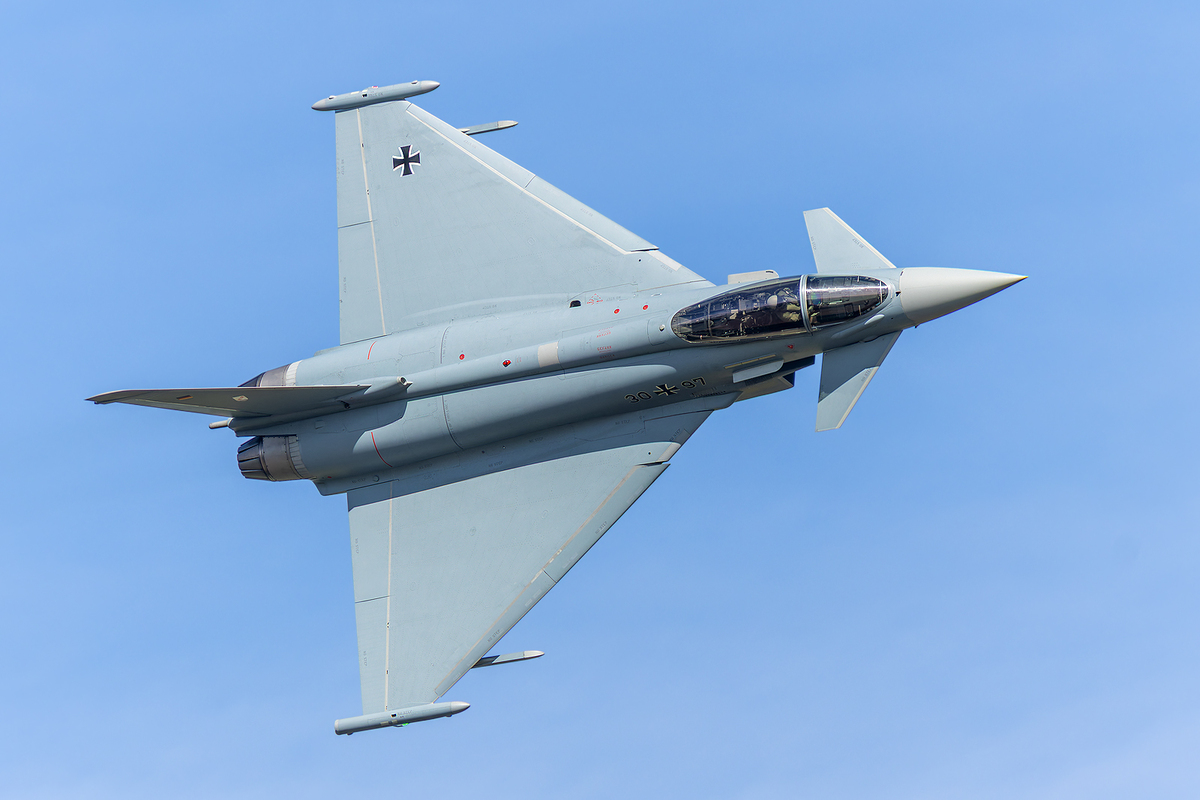
Over the weekend of September 19 and 20, Mošnov Airport once again served as a venue where armed forces, security and emergency response agencies, the defense industry, and the public came together in one place. This year’s 26th NATO Days in Ostrava and 17th Czech Air Force Days featured more than 18 hours of dynamic and static displays, with participation from fourteen countries and the North Atlantic Treaty Organization. Germany attracted a great deal of attention, returning to the role of special partner nation after a ten-year hiatus and sending to Ostrava, among other things, Tornado and Eurofighter Typhoon aircraft, an A400M transport aircraft, NH90, Tiger, and CH-53 helicopters, and an extensive collection of ground equipment.
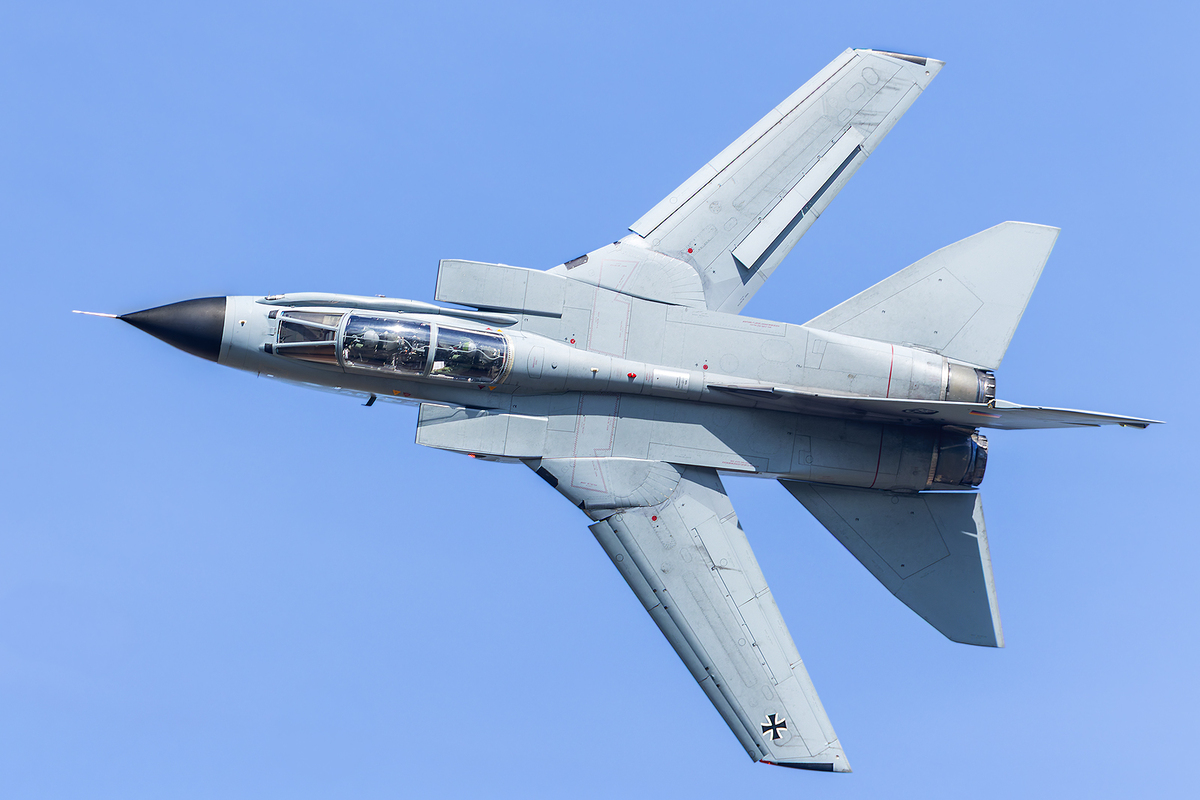
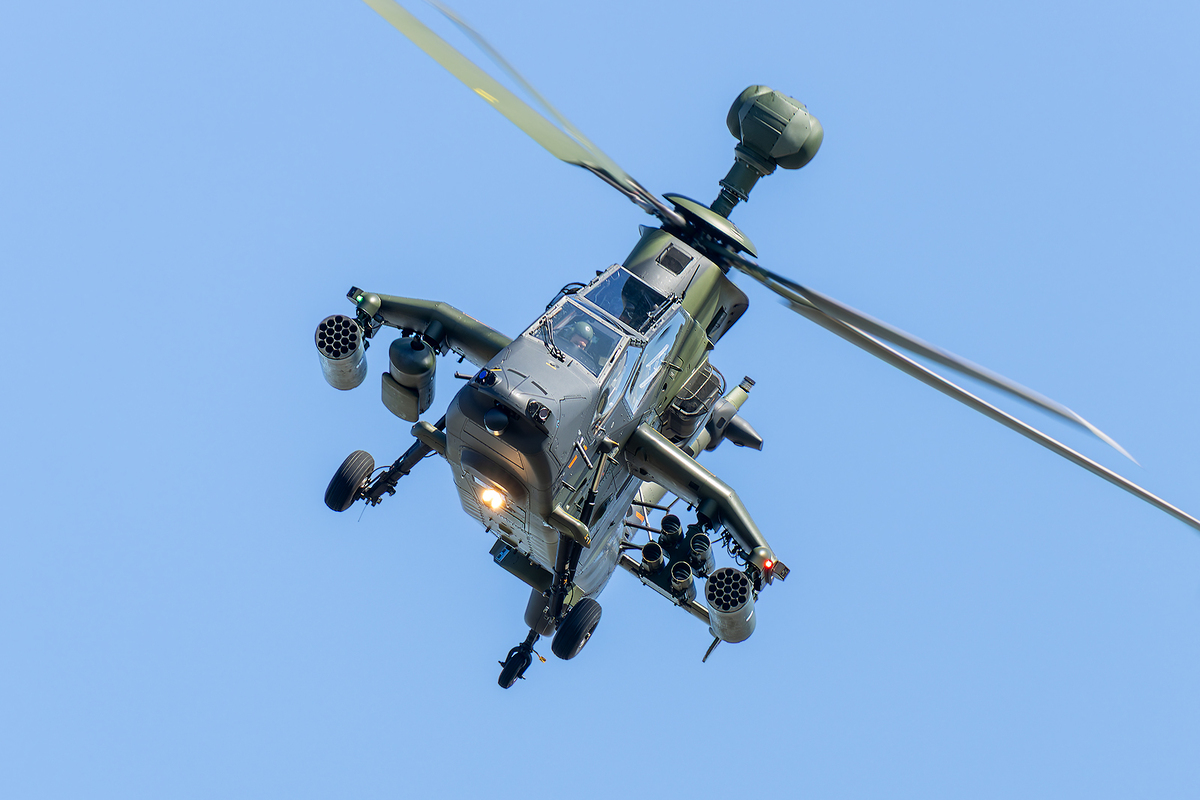
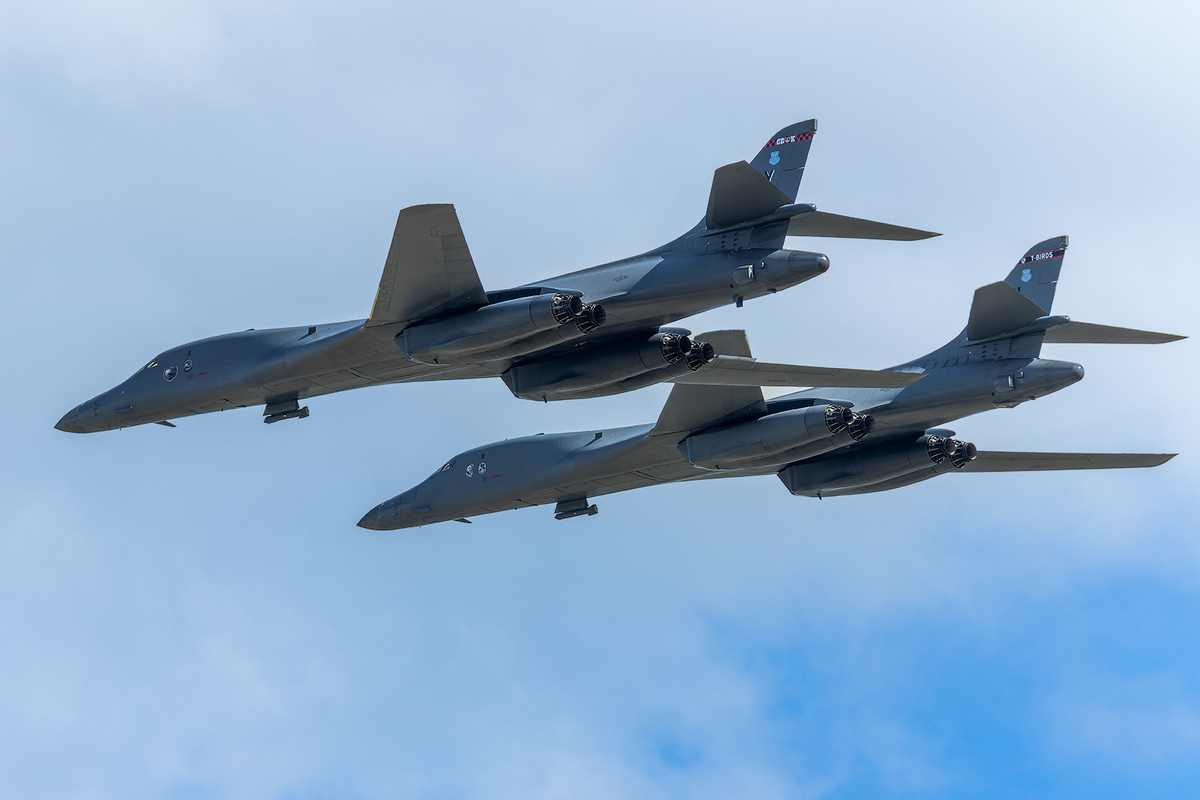
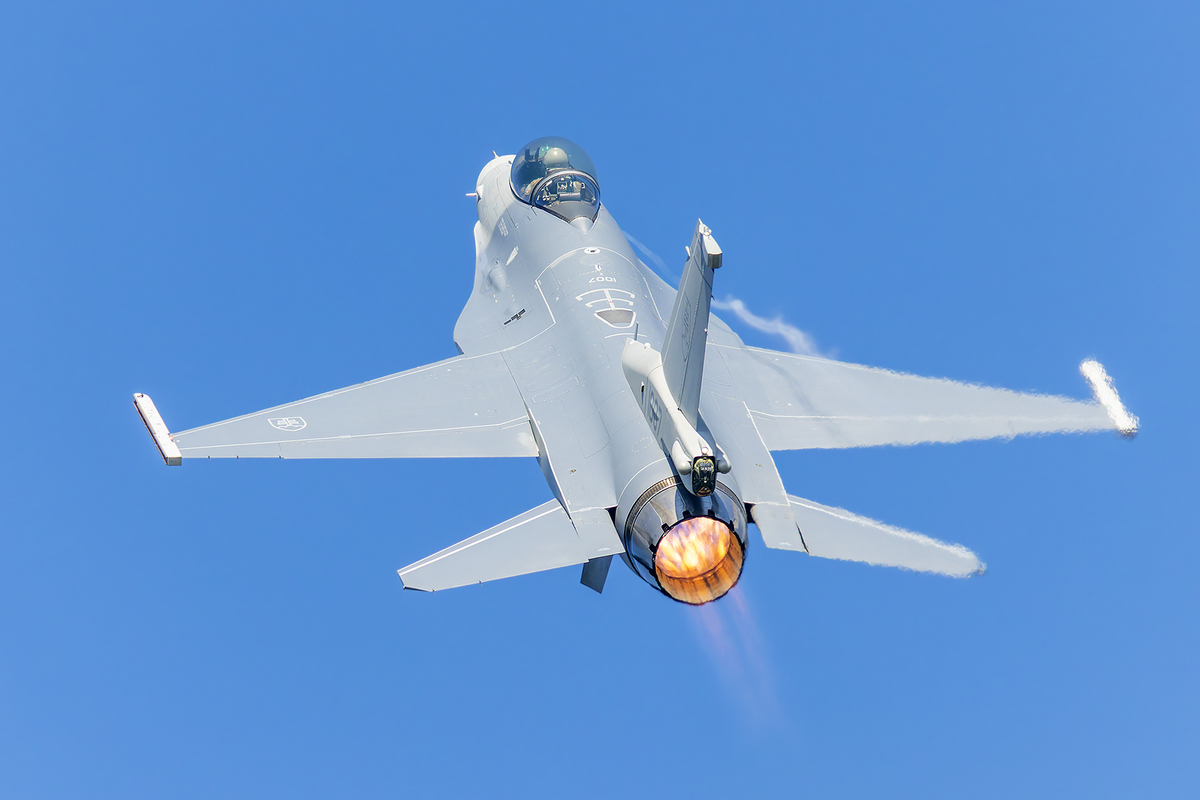
Other highlights included a flyby by a pair of American B-1B Lancer strategic bombers, a performance by the British Red Arrows, and the debut of the Slovak F-16.
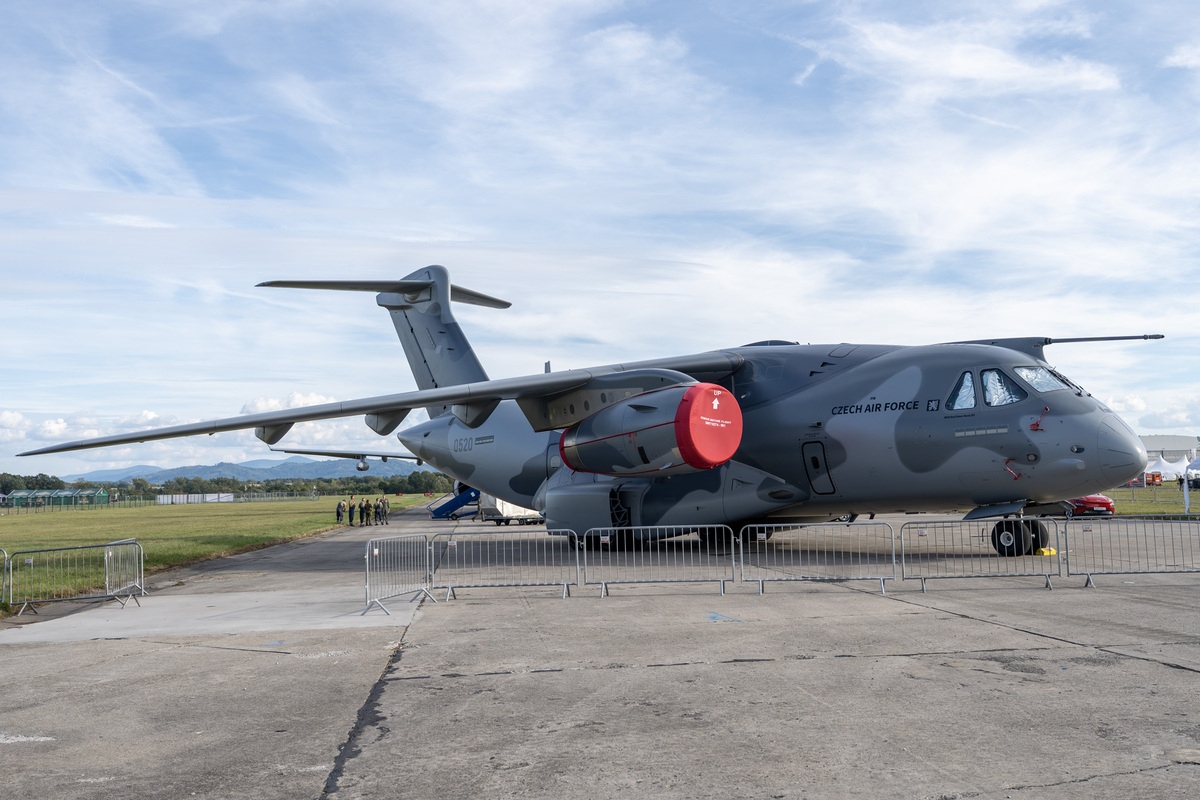
The Czech Army also gave the public its first close-up look at the new C-390 Millennium transport aircraft. Approximately 150,000 people attended this year’s NATO Days in Ostrava and Czech Air Force Days over the course of the two days.

However, the most important message at the opening did not come from the sky or from the static display. President Petr Pavel highlighted the broader significance of security for society as a whole. “Only a country that views its security as a task for everyone can be secure and live in peace,” he said. According to the president, the global security situation has not been improving, and risks and threats have, if anything, been on the rise. At the same time, he emphasized that while not everyone has to take up arms to defend the country, everyone can contribute to its security according to their abilities. During his visit to Mošnov, President Pavel also spoke about alliance solidarity and reciprocity. He noted that the allies’ participation demonstrated that they take cooperation within NATO seriously, but the Czech Republic must view its commitments in the same way. “We cannot expect them to be accommodating toward us if we are not accommodating toward them when it comes to security,” the president noted. He added that the readiness of the army, police, and other security forces must be commensurate with the threats the country faces.
The exceptional attention paid to this year’s event was also evident in the guest list. In addition to President Petr Pavel, attendees included Prime Minister Andrej Babiš, First Deputy Prime Minister and Minister of Industry and Trade Karel Havlíček, Deputy Prime Minister and Minister of Defense Jaromír Zůna, Minister of the Interior Lubomír Metnar, Minister of Labor and Social Affairs Aleš Juchelka, and Josef Bělica, Governor of the Moravian-Silesian Region, as well as other representatives of the state, the military, and security forces. The Office of the Government also confirmed the attendance of the Prime Minister and members of the government. Among the guests were, for example, the U.S. Ambassador to the Czech Republic, Nicholas Andrew Merrick; the British Ambassador, Matt Field OBE; the Swedish Ambassador, Håkan Jevrell; and other distinguished guests. Such broad political and diplomatic participation was further proof that NATO Days today represent not only a public showcase but also a forum for dialogue on security, military affairs, industry, and alliances.
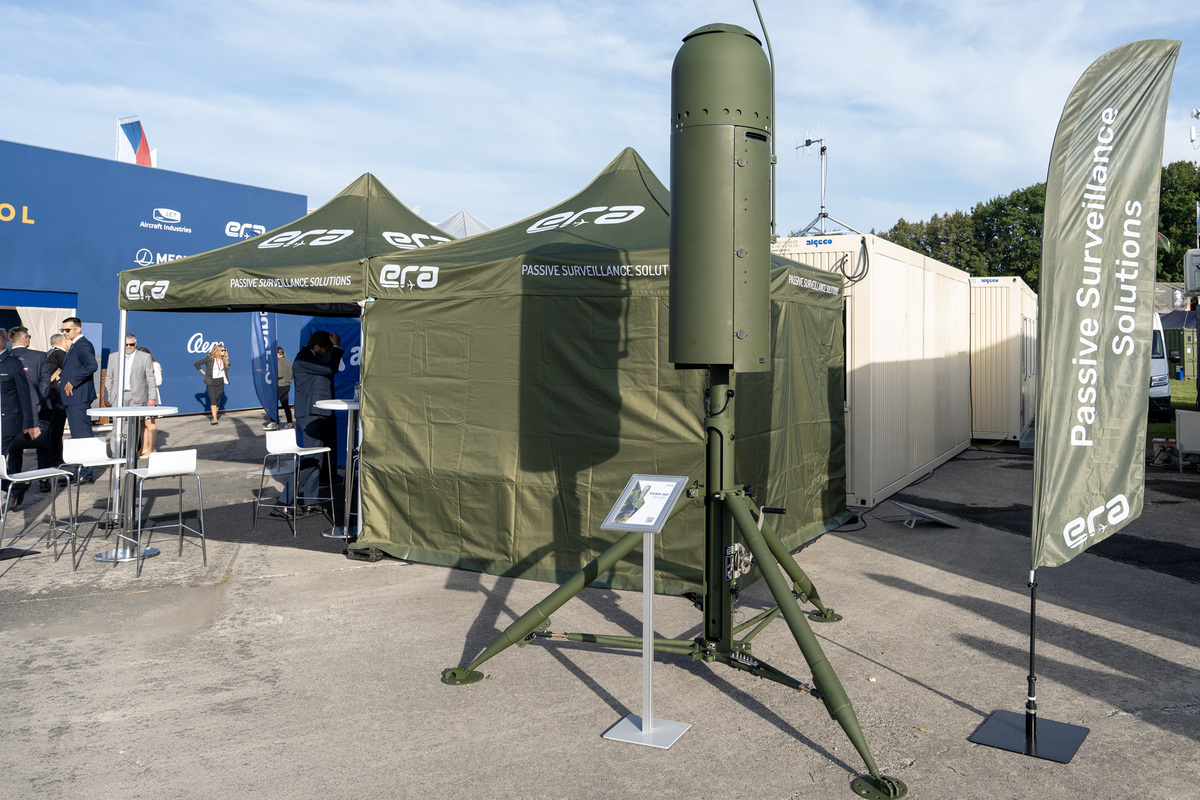
SPYDER and C-390: The Modernization of the Czech Armed Forces in Concrete Terms
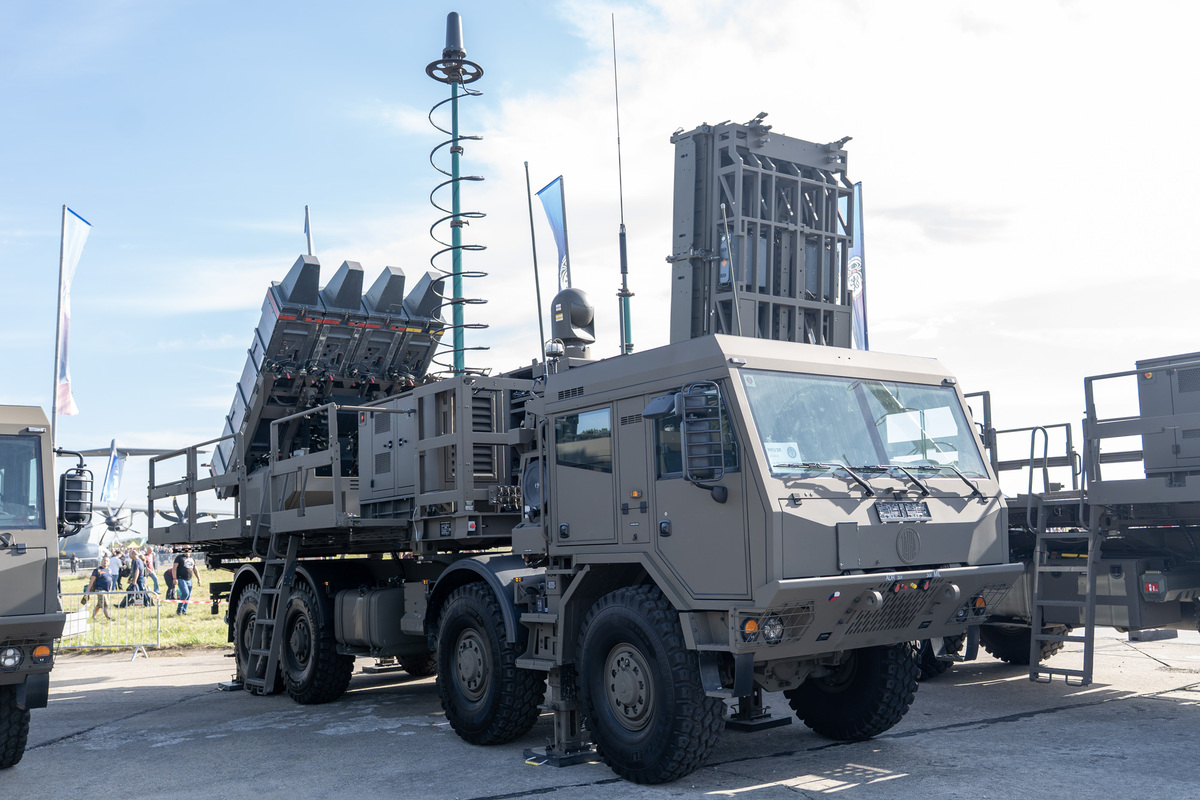
The modernization of the Czech Armed Forces was on full display this year at Mošnov. The new C-390 Millennium transport aircraft complemented other projects that are set to fundamentally transform the capabilities of the Czech Armed Forces in the coming years. Particular attention was drawn to the comprehensive presentation of four batteries of the Israeli SPYDER air defense system. This system represents a generational replacement for the 2K12 KUB systems introduced back in the 1970s and is set to become one of the cornerstones of the layered air defense system currently under development.

Defense Minister Jaromír Zůna directly linked the introduction of new technology to the Czech Republic’s responsibilities within the framework of collective defense. “If we want Article 5 to work for us when needed, then we must contribute adequately to the defense of the Czech Republic and to collective defense,” he said during the system’s presentation. In his speech, the defense minister noted that four batteries had already been delivered to the Czech Republic, the SPYDER system had passed military tests, and its integration into the Czech Army’s structures is now underway. “This is the first step, which will be followed by further phases in building our air defense as a priority for the development of the Czech Army,” Zůna added.
The program also included the signing of a memorandum of strategic cooperation between the Ministry of Defense and Explosia. On this occasion, Zůna emphasized the importance of the domestic defense and security industry not only for building up the armed forces but also for the country’s overall resilience. The topic of industrial capabilities was a recurring theme throughout this year’s event.
Karel Havlíček: The Defense Industry Is Becoming One of the Pillars of the Economy
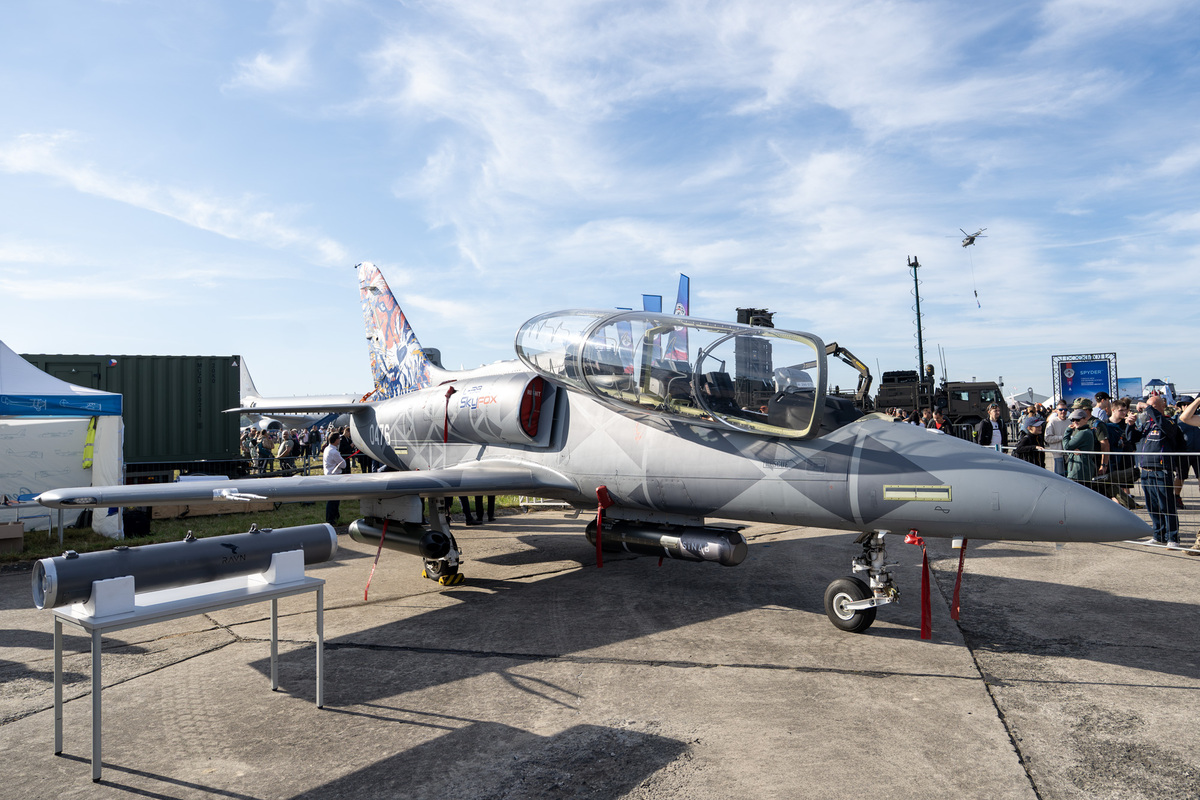
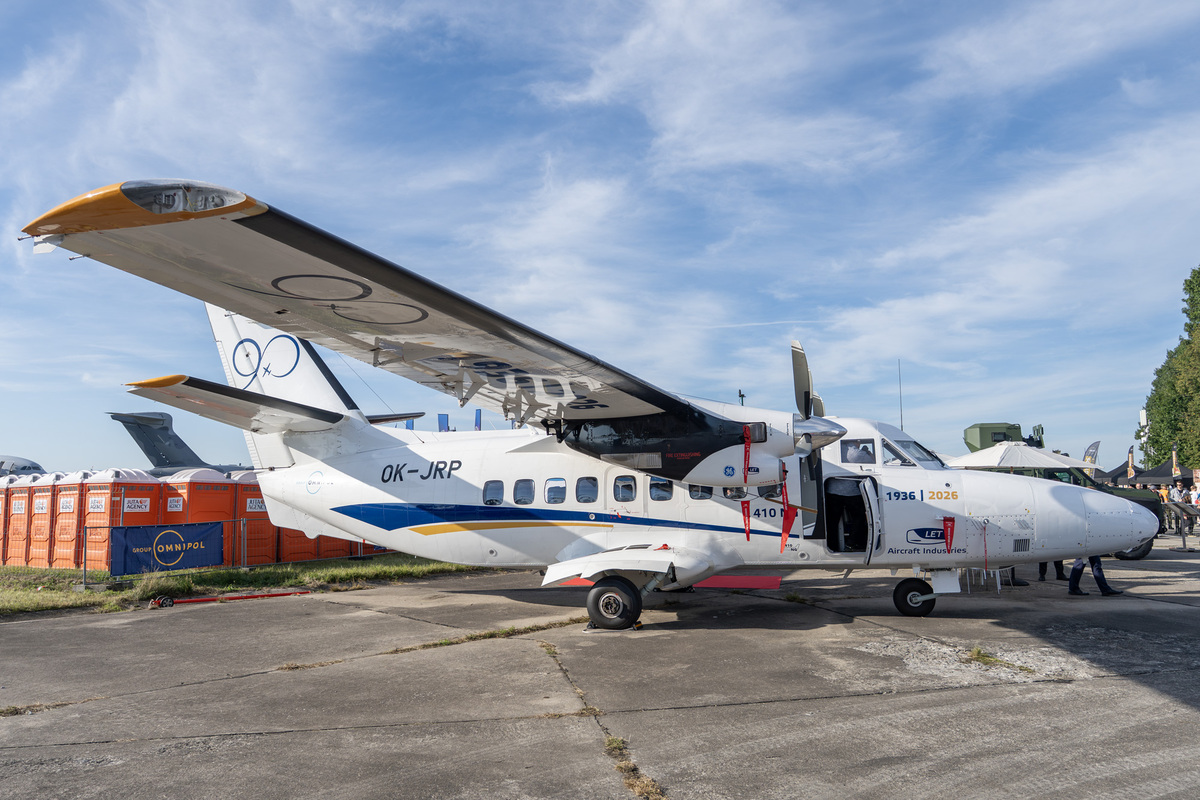
In an interview with CZ DEFENCE, First Deputy Prime Minister and Minister of Industry and Trade Karel Havlíček highlighted the industrial dimension of NATO Days. According to him, the event in Ostrava was the ideal venue not only for demonstrating allied cooperation but also for showcasing products with Czech involvement. “The Czech Republic is an engineering-oriented country. We have excellent technical universities, and thanks in part to past generations, we are able to produce incredible things,” said Havlíček. He highlighted the capabilities of the Czech aviation industry and the interest that, in his view, aircraft such as the L-410 and L-39 Skyfox generate abroad. According to the Deputy Prime Minister, NATO Days also allowed young people to see the results of domestic technical expertise and could serve as motivation to pursue studies in technical fields.
However, he believes the potential that the current situation opens up for the Czech economy is even more significant. “The defense industry is beginning to become one of the key pillars of our economy,” he said. While, for example, the automotive industry has built up an extensive network of subcontractors, small and medium-sized enterprises, infrastructure, and services over the course of decades, according to Havlíček, the defense sector has remained more concentrated around a few major players. In his view, the state’s role was to create conditions that would allow smaller firms, technology companies, and startups to also become part of this ecosystem.
It was precisely this combination of traditional Czech engineering, new technologies, artificial intelligence, electronics, and dual-use solutions that emerged in Mošnov as one of the main directions for future development.
Česká zbrojovka: Ninety Years of Tradition and Another Technological Leap Forward
Česká zbrojovka marked a significant anniversary this year. As ČZUB CEO Jan Zajíc noted in an interview with CZ DEFENCE, the company celebrated ninety years since its founding and, at the same time, twenty years of partnership with NATO Days. “We want to position ourselves as a technology-driven product company; we want to bring our customers new, better, higher-quality, and more modern products,” said Zajíc. Naturally, the BREN family of assault rifles formed a significant part of the presentation. From the company’s perspective, Zajíc described the BREN 2 as an exceptionally well-proven weapon that has been tested in various climatic and combat conditions. According to him, the new generation BREN 3 has already entered the market, and the company has secured its first orders from the armed forces. Česká zbrojovka also emphasizes its long-term relationship with domestic security forces. According to Zajíc, feedback from soldiers, police officers, and other users represents important input for further development. The company’s ambition is to remain a long-term domestic partner of the Czech armed and security forces.
CSG: Technology Must Detect Threats on Its Own and Be Able to Respond to Them
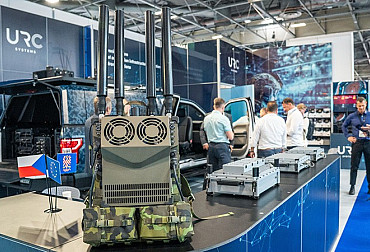
In terms of scale, the CSG group was traditionally among the largest industrial exhibitors at NATO Days. CSG Group spokesperson Andrej Čírtek highlighted, above all, the rapid change in requirements for ground-based equipment. One of the main exhibits was the ReSAURION air defense radar, which made its world premiere to the public.
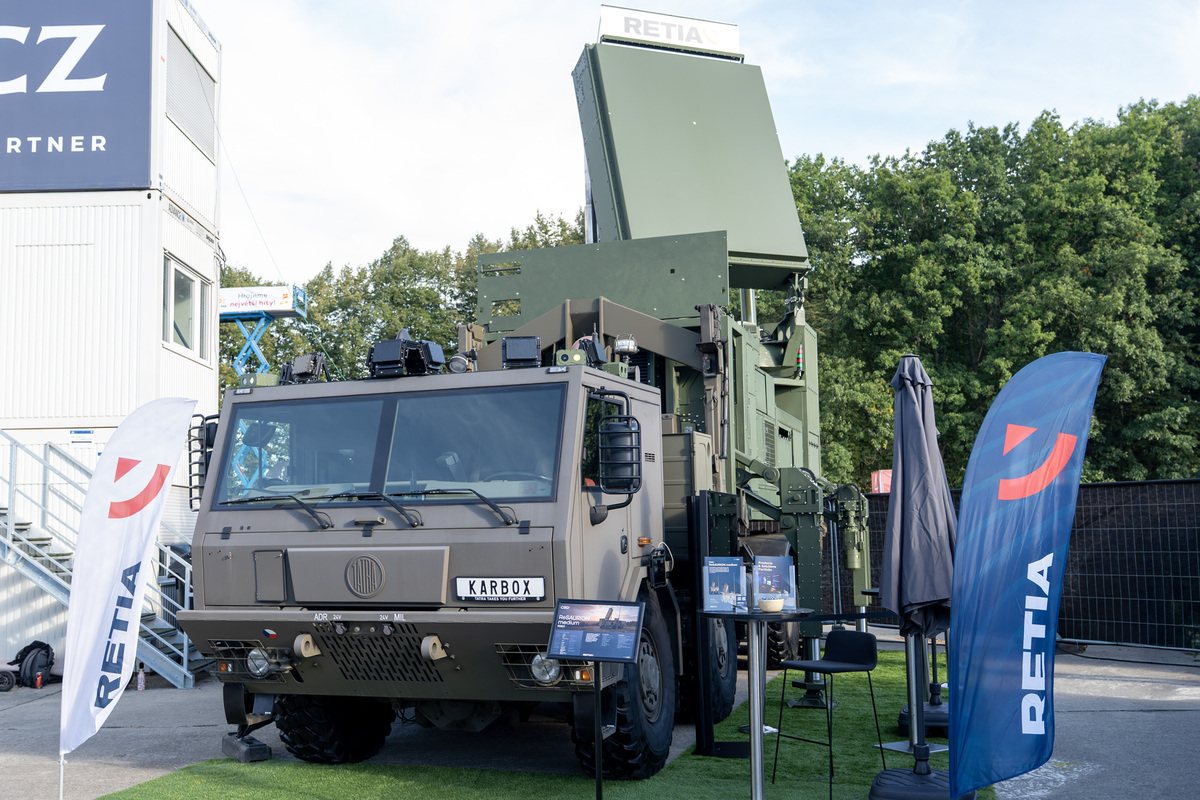
The radar developed by RETIA uses AESA technology and is designed, among other things, for integration into air defense systems. According to Čírtek, a common feature of an ever-increasing number of ground-based systems is the integration of sensors, automated information processing, and the ability to respond to new threats, including unmanned aerial vehicles.
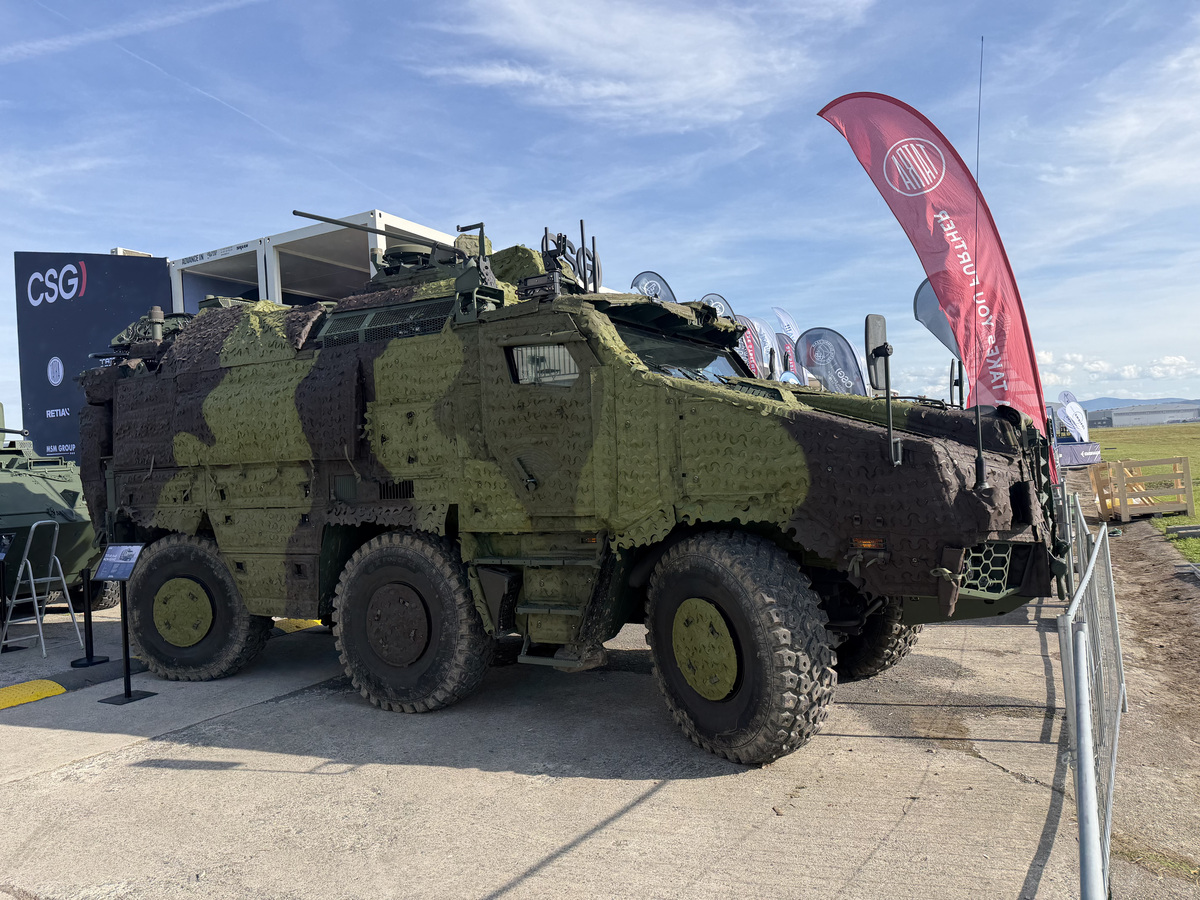
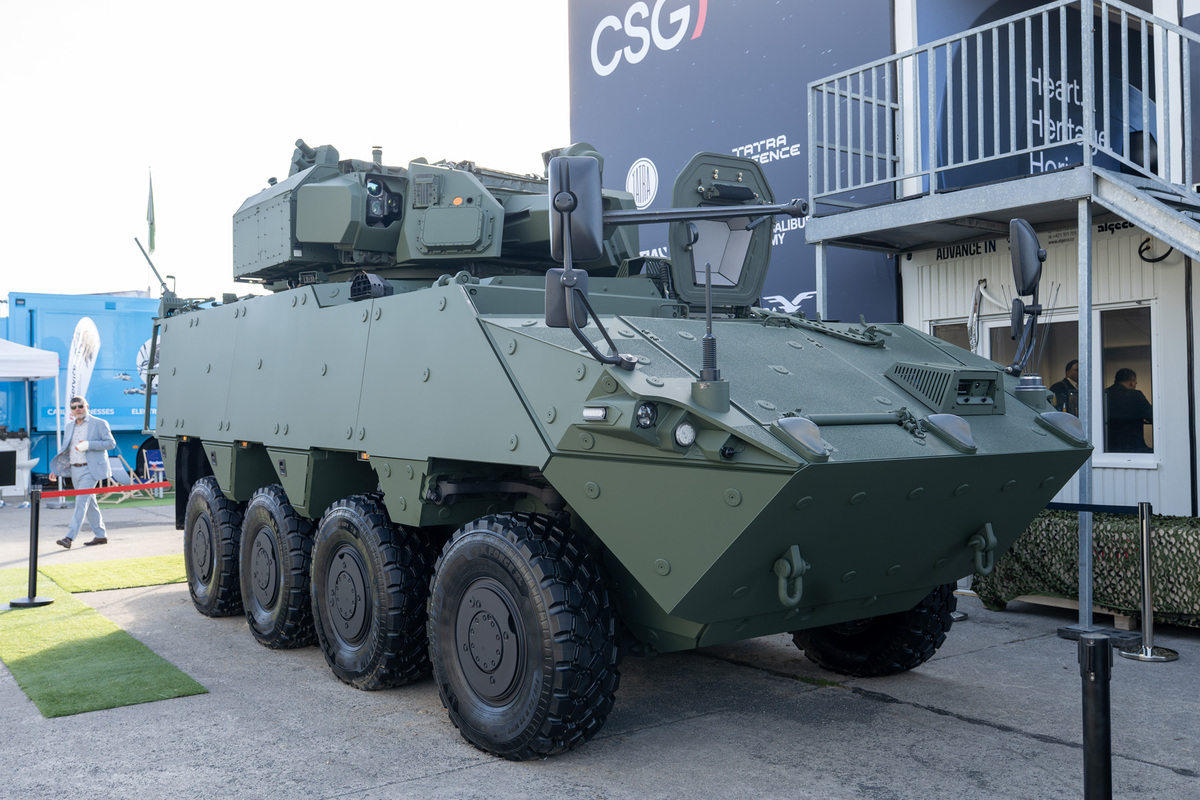
He cited the TITUS vehicles and the new generation of Pandur EVO as examples. “Ground-based equipment must be able to monitor the situation using its sensors, facilitate decision-making for commanders, and at the same time be capable of defending against air attacks,” he said, describing one of the main trends on the modern battlefield. At the same time, CSG continues to strengthen its global focus.
Čírtek emphasized that the domestic military remains a strategically important customer for the group, but that exports have driven the bulk of its growth. The group is expanding its ammunition production and moving toward greater vertical integration – that is, the ability to control as much of the production chain as possible, from propellants through propellant charges and initiators to the final ammunition. “NATO is at the core of our business,” said Čírtek, adding that the importance of ground systems, air defense, and unmanned technologies has also grown.
RETIA Unveiled the “Eyes” of Air Defense
RETIA, based in Pardubice, deserved special attention for unveiling its new ReSAURION medium-range multipurpose radar at NATO Days. Jan Mikulecký, CEO of RETIA, explained that the radar uses AESA technology and can not only operate in surveillance mode but also provide data for fire control and guide weapons toward aerial targets. He described its role within the overall air defense architecture very vividly. “These are the eyes of the battery,” said Mikulecký. According to him, the radar provided the command and control system with information about what was in the airspace, enabled the classification of objects, and laid the groundwork for subsequent action by the effector.
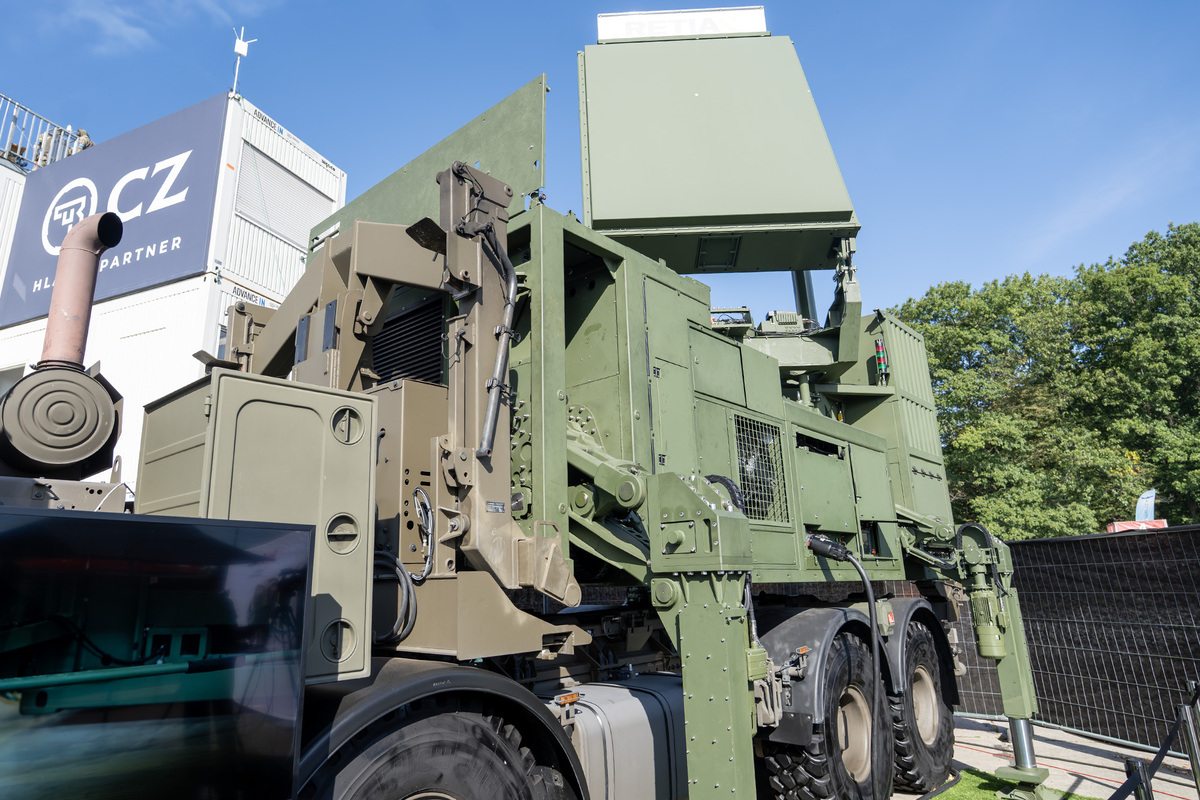
RETIA did not target the new product solely at the domestic market. Mikulecký stated that the company was already working on two projects for foreign militaries and also wanted to discuss possibilities for using the system in the Czech Army. The radar was another example of a trend that was evident in many places in Ostrava this year: the importance of being able to detect a threat in a timely manner, classify it correctly, transmit the data, and only then select the appropriate method for neutralizing it has grown significantly.
BAE Systems Hägglunds: The Czech CV90 Program Extends to Other Countries
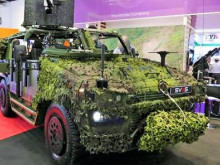
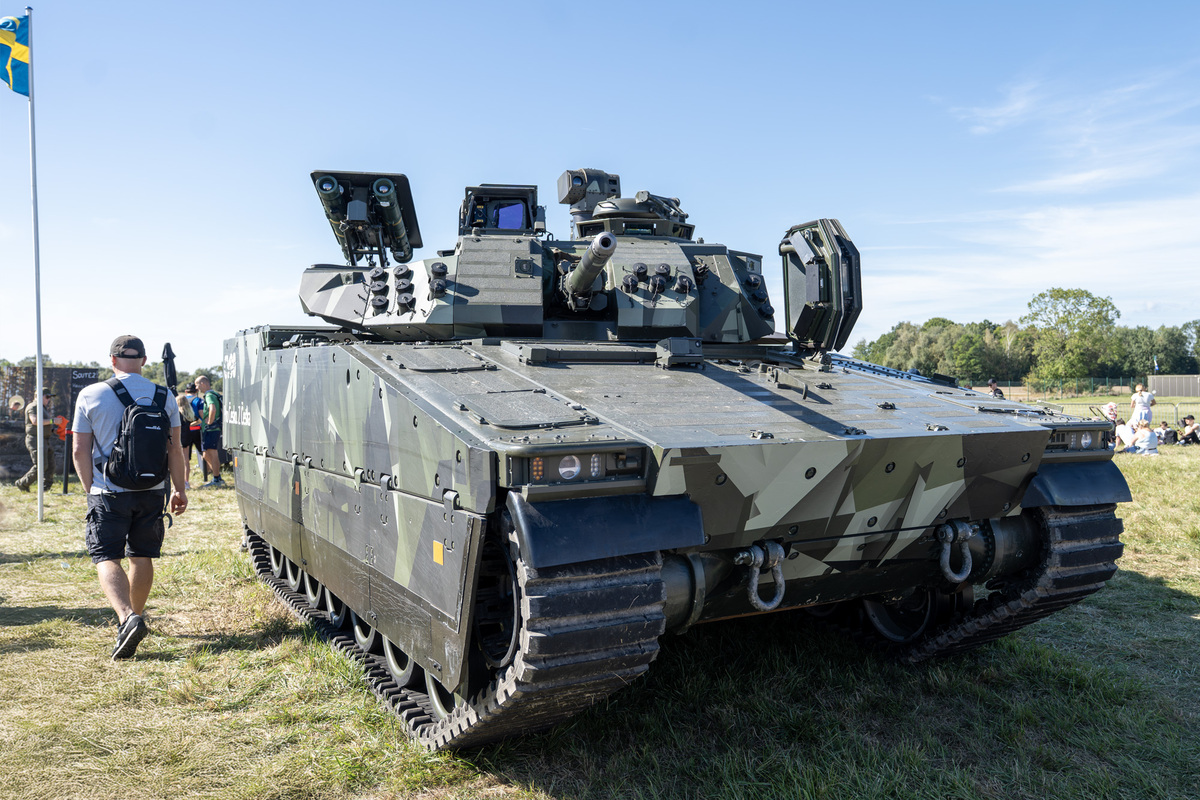
One of the most important topics of this year’s industry presentation was the CV90 tracked combat vehicle program. In addition to the CV90, BAE Systems Hägglunds also brought the BvS10 tracked vehicle to Ostrava, designed for operation in extremely challenging terrain. However, the significance of this year’s participation lay not only in the equipment on display. A meeting between Swedish representatives of BAE Systems Hägglunds and representatives of Czech companies involved in the CV90 program also took place directly at the company’s exhibition stand. Filip Kulštrunk, Sales Director & Country Lead for the Czech Republic, also highlighted another concrete step forward in industrial cooperation in the Czech Republic – its expansion with Tatra Defence. According to Kulštrunk, BAE Systems Hägglunds has transferred the entire production of hulls for the BvS10 tracked vehicles from Sweden to the Czech Republic. Production, which previously took place in Sweden, has thus been fully localized in the Czech Republic. During NATO Days, the company also announced a further expansion of this collaboration. “We have transferred all production of hulls for the BvS10 vehicle from Sweden. What we used to do in Sweden is now done entirely in the Czech Republic. We are very pleased to announce that we are expanding this production by several hundred more units, as the export potential is enormous and we are seeing significant customer interest. Production at Tatra Defence will therefore increase and continue in the long term,” Kulštrunk explained.
This step clearly demonstrates that industrial cooperation with foreign manufacturers does not have to mean merely the involvement of Czech companies in a single domestic acquisition. The transfer of the entire production operation from Sweden to the Czech Republic and the subsequent expansion of production by hundreds of units – some of which are also intended for foreign customers – signifies a long-term integration of the domestic industry into the global supply chain of BAE Systems Hägglunds.
Meanwhile, according to the company, the Czech CV90 project itself is continuing in both Sweden and the Czech Republic. “The project is in full swing, and production in Sweden is underway. The first vehicles will be rolling off the production line. Similarly, production at VOP CZ in the Czech Republic is off to a good start,” said Kulštrunk. According to him, the goal is to adhere to the project schedule and deliver the entire system so that the Czech Republic can fulfill its NATO commitments. Kulštrunk also noted that the involvement of Czech companies in the CV90 project is not merely a matter of manufacturing vehicles for the Czech Army. “It is a combination of know-how transfer, the development of entirely new technologies, and long-term production at our strategic partner VOP,” he said. According to him, some components developed in the Czech Republic are not intended solely for Czech vehicles. “What begins here in the Czech Republic extends beyond the Czech program and truly becomes a cornerstone of future CV90 vehicles for all customers,” he added.
These two examples – the involvement of Czech companies in the CV90 program and the transfer of BvS10 hull production to Tatra Defence – demonstrated a more practical form of industrial cooperation. It is not merely a matter of the percentage share of domestic industry in a specific acquisition, but rather the transfer of know-how, manufacturing expertise, and long-term contracts, which Czech companies can integrate into international supply chains even after deliveries to the Czech Army have ended.
The Black Hawk as Part of a Broader Security Framework
NATO Days also traditionally highlighted the fact that a nation’s security system is not comprised solely of the military. One example was the Helicopter Alliance’s presentation focused on the UH-60 Black Hawk helicopters. In the Czech Republic, this platform was also intended for use in firefighting and other operations within the integrated rescue system. According to Senior Sales Manager Radim Jansa, the first two helicopters in a special firefighting configuration will be delivered to Czech security forces next year. Experience from this year’s season also demonstrated their international utility – for example, the helicopters assisted in fighting fires in France, where they dropped over two million liters of water during a deployment lasting several weeks. Jansa also emphasized that the firefighting configuration is not the only possible role. Once the water tank is removed, the helicopters can assist in rescuing people, transporting materials, or responding to flood damage.
State-Owned Enterprises Under the Ministry of Defense: A Capability the State Must Have at Its Disposal
State-owned enterprises under the Czech Ministry of Defense play a special role in the Czech defense industry. Their status was another topic at this year’s NATO Days.
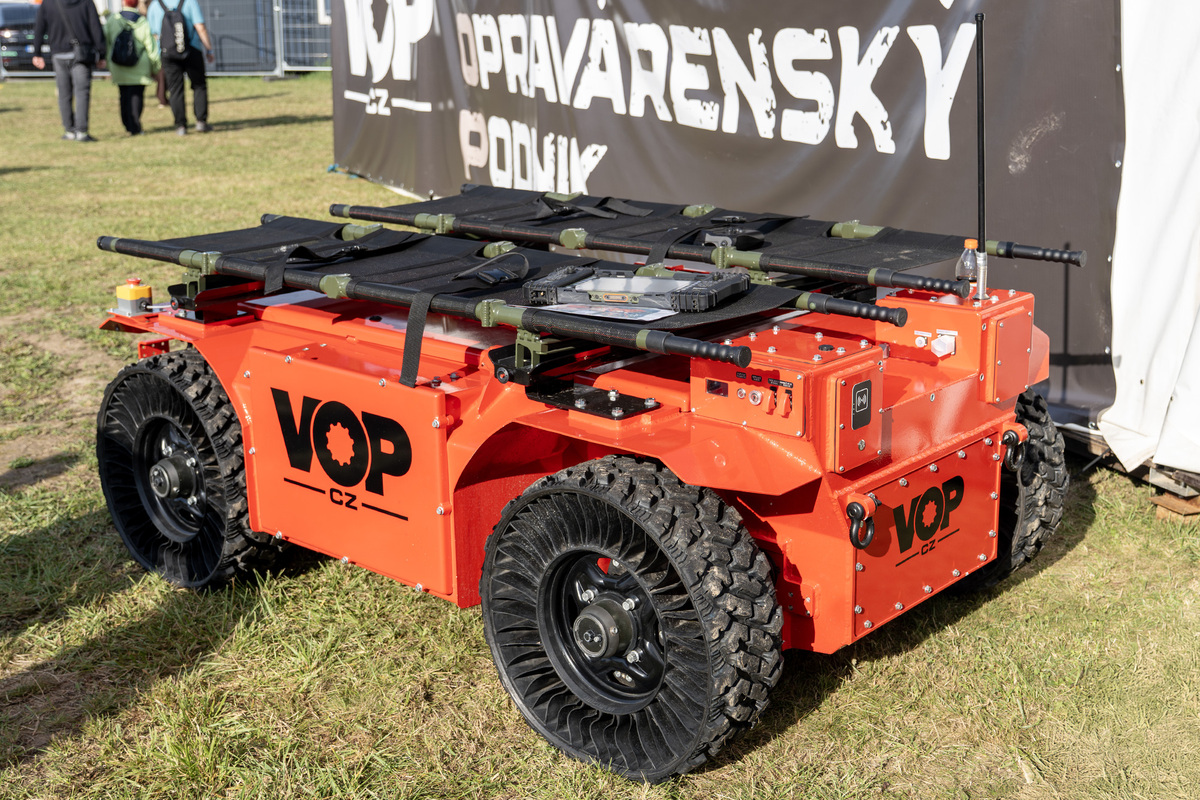
VOP CZ presented the Leopard 2A4, a new medical variant of the TAROS vehicle, and a demonstration of its own welded armored cabin designed for a foreign customer. Company Director Vlastimil Navrátil also highlighted the company’s in-house development efforts, including the CROSS unmanned ground vehicle and fuel tankers supplied to the Czech Army.
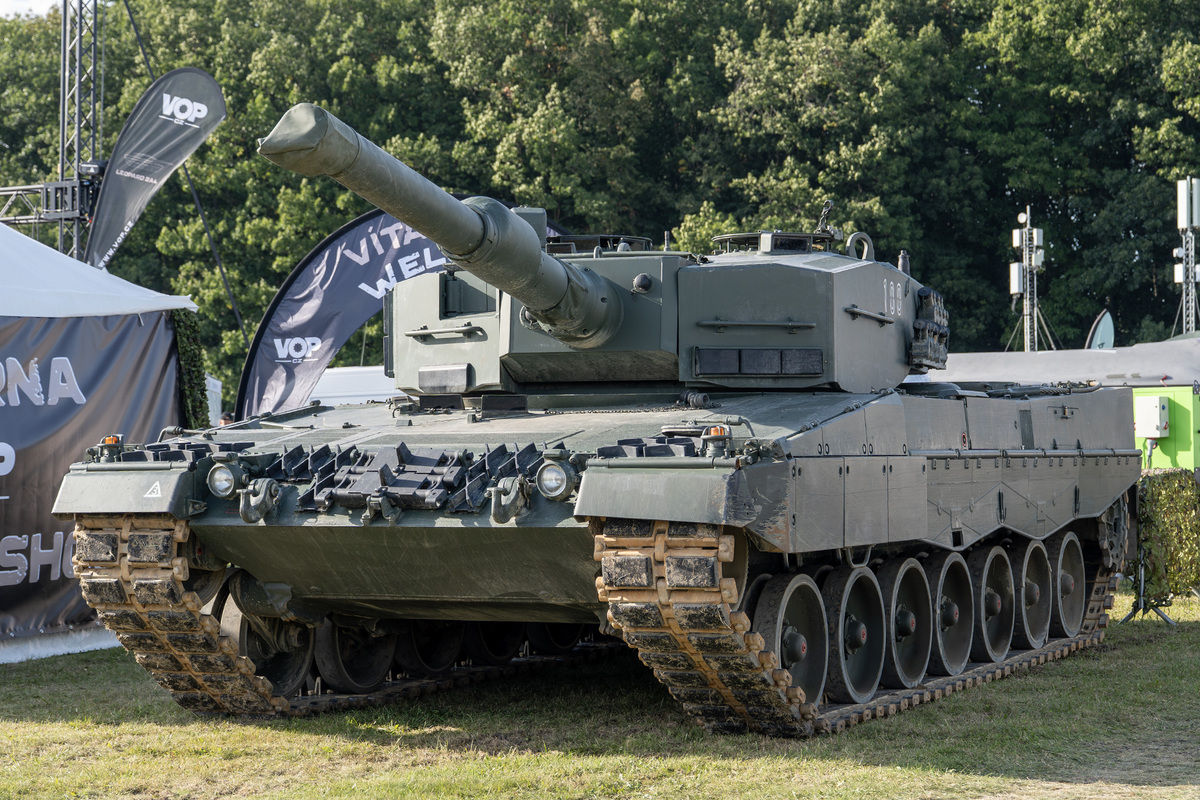
The company was also involved in the CV90 program and collaborated with a number of foreign manufacturers. Navrátil emphasized, in particular, the special role of a state-owned enterprise in a crisis situation. “It must be said that the company is prepared to fulfill these responsibilities, and its main task is not merely to make money, but to be at the disposal of the Czech state,” he said. According to him, negotiations are underway aimed at making greater use of the state-owned enterprise for the needs of the Czech Army in the future.
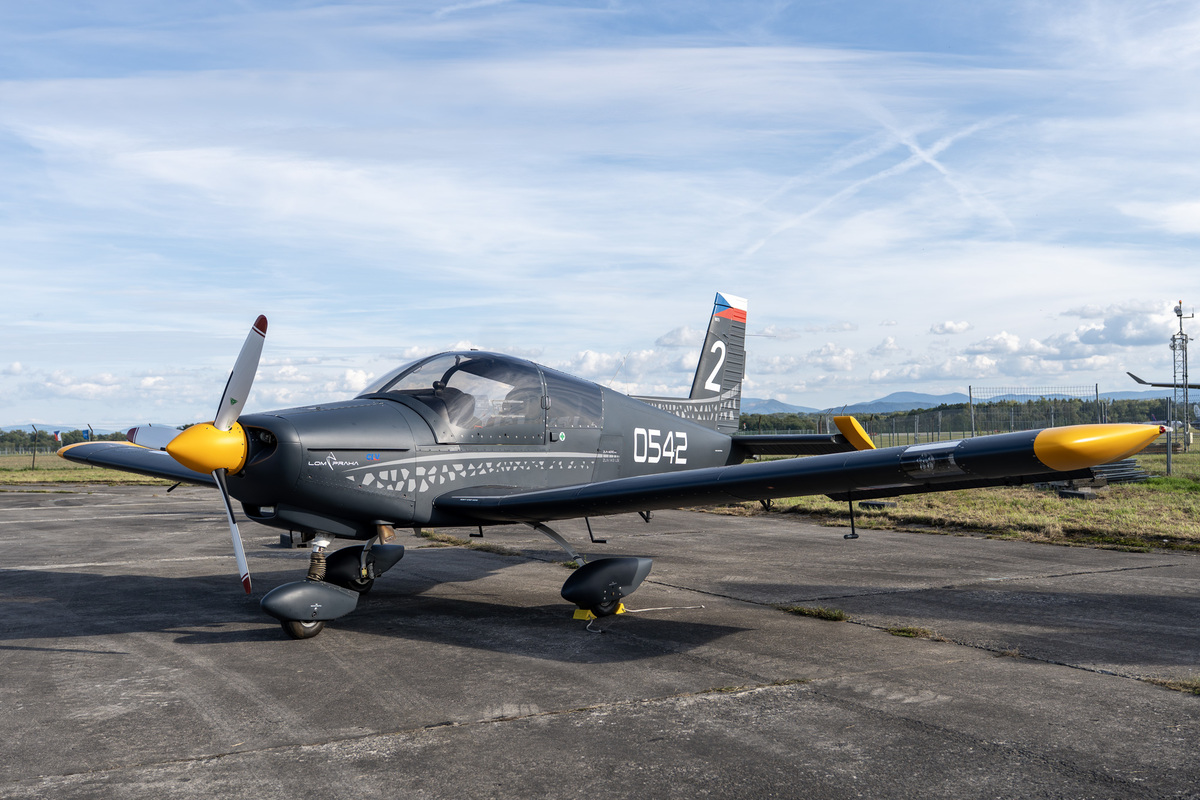
A similar line of reasoning was evident at the state-owned company LOM PRAHA. Its director, Jiří Protiva, noted that the company’s presence at NATO Days is only natural, given that the event includes the Czech Air Force Days and LOM PRAHA is a major service provider for the Czech Air Force. In Ostrava, the company presented, among other things, the new Z-143 training aircraft, on which part of the training for future military pilots begins. LOM PRAHA also continued its industrial cooperation related to other modernization projects. “We’re involved in more or less every new defense project,” Protiva said, mentioning ties to the F-35 and C-390 projects. According to him, the significance of domestic capabilities extends beyond training itself. The Czech Republic is capable of developing and manufacturing aircraft and simulators, training pilots, and providing maintenance services. “It’s a great reference, incredible support for the Czech Republic’s export potential, and most importantly, we have it right here at home,” Protiva said.
LOM PRAHA is also preparing to introduce the new L-410 NG at the Aviation Training Center in Pardubice. The aircraft was scheduled to be delivered to the company in the first quarter of 2027 and will gradually replace the aging L-410s. According to Protiva, the company has successfully negotiated a significant scope of maintenance work, which will be performed directly at the company’s domestic facilities.
Jiří Hynek: Industry Must Be a Partner, Not Just a Supplier
Jiří Hynek, president of the Czech Defense and Security Industry Association, took the debate on the relationship between the state, the military, and industry a step further. According to him, NATO Days were not an isolated weekend event, but part of a broader series of expert and security discussions. Hynek highlighted the need for greater involvement of Czech companies in European projects. “Czech defense industry companies are interested in cooperating with other European countries, especially when it is funded by the European Defense Fund. But our success rate isn’t very high,” he said. In his view, the government must create a better starting position for Czech companies in negotiations and international cooperation. Even more crucial, according to Hynek, is a change in the very approach to the defense industry. He argued that a modern military can no longer simply purchase a single product and consider the process complete. Especially with rapidly evolving technologies, such as unmanned systems, the system can change within a matter of months. “We must stop buying products and instead purchase capabilities throughout the entire life cycle,” Hynek emphasized. In his view, a supplier must become an innovation partner that continuously develops the system and responds to changes in the operational environment. He ultimately summarized this point even more clearly: “Industry is no longer just a supplier. Industry is a partner that helps shape our country’s security and defense.”
Maj. Gen. Jaroslav Míka: In Times of Crisis, Human Connections Are What Matter Most
Behind the multitude of systems, industrial projects, and acquisition programs on display, however, there was another dimension. NATO Days serve as a venue for personal encounters between soldiers, commanders, and representatives of allied nations. Major General Jaroslav Míka, commander of the Czech Armed Forces Operations Command, highlighted this very point in an interview with CZ DEFENCE.
Míka, who has personally helped organize the event in the past and is a former combat and display pilot, gave this year’s event a very positive review. “I think the event’s motto – that security cannot be taken for granted – is evident here,” he said. According to him, such events are also important for the relationship between the armed and security forces and the public. “Every direct interaction between security forces and the public, and every demonstration of their daily work, somehow connects and unites people,” said Míka.
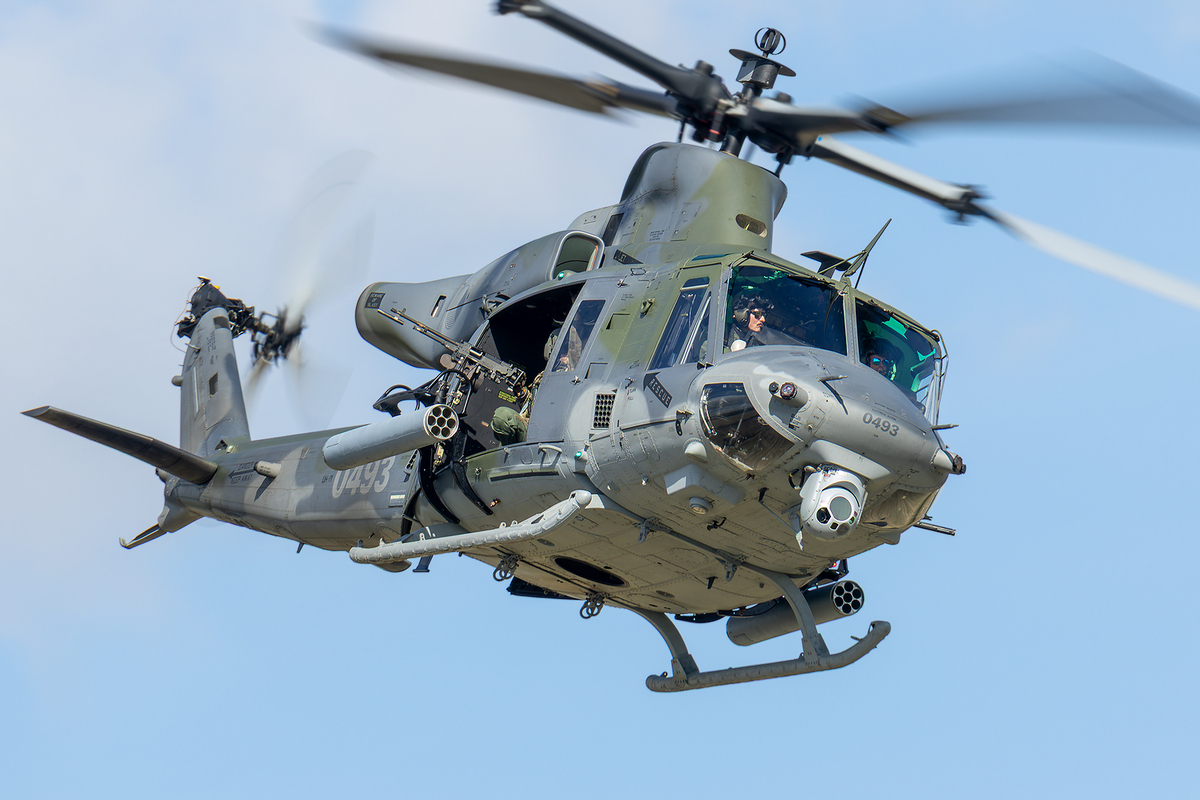
According to Míka, the presence of allied armies is also significant, including this year’s special partner nations, Germany and Slovakia. “That cooperation is absolutely essential. If we were to fight together, those closest neighborly relationships are important precisely so that all defense plans would work,” he stated.
Even perfectly coordinated documents and video conferences, he said, cannot replace personal knowledge of the people who would have to work together in a crisis situation. That is why he himself used this year’s NATO Days to meet with former and current colleagues from allied armies. “Precisely to strengthen those bonds – those human connections – which are the most important in times of crisis,” General Míka concluded.
Modern defense relies on cutting-edge technology, a functioning industry, sufficient production capacity, and prepared armed forces. Equally important, however, is the ability to connect all these elements – between the state and industry, between the manufacturer and the soldier, and above all between allies, who must know and trust one another and be prepared to act together when security is no longer just a matter of show but a real necessity.