















Stable strategic support for Ukraine: How NATO is reshaping its role in a new security reality
Support for Ukraine is no longer a short-term response to the war, but has become a structural part of the Alliance's strategy. NATO is gradually changing its understanding of security, defense investment, and industrial cooperation. This shift strengthens not only Ukraine's defense, but also the resilience of all member states, including the Czech Republic. In this environment, security policy is becoming a long-term commitment rather than an episode.
Russia's aggression against Ukraine in 2022 represented a major turning point in post-war European history. While initial expectations were for a rapid stabilization of the situation, the conflict proved to be protracted, dynamic, and highly demanding on the capacities of states. NATO therefore had to rethink its approach, which had been based on a relatively calm security environment and a preference for expeditionary missions over collective defense.
In the first months of the war, assistance to Ukraine was immediate and largely improvised. It included anti-tank systems, air defense, logistical equipment, and diplomatic support. However, experience has shown that this form of assistance is not sustainable in the long term. The Alliance is therefore gradually moving towards a much more structured model, in which support for Ukraine is part of a broader strategy to modernize defense capabilities and strengthen Europe's resilience.
This change was significantly confirmed by the NATO foreign ministers' meeting in Brussels in early December, where it was emphasized that the security of Ukraine and the security of the Alliance are interlinked. The decision to move towards spending 5% of GDP by 2035, which may include aid to Ukraine, shows a shift from short-term measures to a long-term defense policy.
The Alliance's approach to supporting Ukraine has developed in three basic phases. The first phase was a response to acute needs—providing basic equipment, strengthening the eastern flank, and coordinating individual states. The second phase brought institutionalization of support, particularly through the creation of the NATO-Ukraine Council, which provides a platform for aligning priorities. The current third phase is strategic: NATO is building a sustainable framework for assistance that reflects the fact that the conflict may last for many years.
One of the most important tools is the Prioritized Ukraine Requirements List (PURL) mechanism. This allows Ukraine's key needs to be defined and the delivery of air defense systems, ammunition, drones, and modern technologies to be coordinated. This model reduces the fragmentation of assistance and creates the conditions for faster and more efficient supply. PURL has become a symbol of the Alliance's ability to plan support based on real data and strategic priorities.
Militarily, NATO is focusing not only on the delivery of equipment, but also on strengthening the readiness of its own forces. The conflict has provided a wealth of practical insights, particularly in the areas of drone operations, modern electronic warfare, critical infrastructure protection, and air defense. These experiences are significantly influencing member states' modernization plans and changing the way the Alliance thinks about future conflicts.
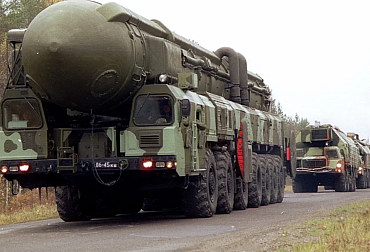
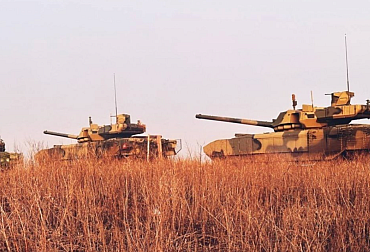
Another key dimension is industrial mobilization. The war has shown that the European defense industry is not prepared for a long-term, high-intensity conflict. The production of ammunition, artillery systems, and spare parts had to be increased, often after decades of stagnation. The Alliance therefore emphasizes the need to increase capacity, share technology, and create long-term partnerships between states and companies. This change also affects budget planning, as defense investment is becoming a multi-year process rather than a short-term measure.
An important part of the current strategy is also to strengthen resilience to hybrid threats. These include cyber attacks, disinformation, attempts to disrupt political processes, and incidents in airspace. The Alliance anticipates that hybrid pressure will be one of the main tools of destabilization in the long term. Ukraine serves as a source of unique experience that member states can use to strengthen their own defense mechanisms.
Central European countries, especially the Czech Republic, play an important role in the new model. The Czech Republic has become one of the most active providers of support to Ukraine, and its defense industry is one of the fastest growing in the region. At the same time, the Czech Republic has long supported a policy of deterrence and strengthening European defense autonomy. Through its combination of political engagement, industrial capacity, and diplomatic activity, it contributes to ensuring that support for Ukraine has not only an immediate but also a strategic impact.
At the same time, however, the challenges facing NATO and its members cannot be ignored. Maintaining long-term commitment to support, harmonizing investments between states, navigating economic pressures, and ensuring political cohesion are not a given. It is therefore clear that the transformation process will continue in the coming years and will require stable commitments across the Alliance.
NATO is undergoing a period of fundamental change. Support for Ukraine has evolved from a crisis response to a structural element of the new security architecture. The Alliance is building a framework that combines military support, industrial base modernization, strengthening resilience to hybrid threats, and long-term investment in defense. This approach enhances the security of Ukraine and all member states and represents a fundamental shift from the idea of a short-term war to the reality of long-term rivalry.
The Czech Republic plays an important role in this new reality—as an active supporter of Ukraine, the initiator of a successful ammunition initiative, a reliable NATO member, and a country with growing industrial capacity. In the long term, this shift can strengthen not only the security of the region, but also the Czech Republic's position in European security policy. If NATO is able to maintain unity, invest in defense, and coordinate its actions, it can emerge from this crisis more resilient, more integrated, and better prepared for the challenges of the future.