
















The Military Police commemorated 35 years of its modern history at Vítkov
The Military Police commemorated 35 years of its modern existence at the National Memorial in Vítkov. The ceremonial parade was accompanied by commemorative acts, speeches by representatives of the Ministry of Defense, and personal reflections on the path that this corps has taken since 1991. According to both former and current leaders of the institution, the Military Police is a matter close to their hearts, born out of necessity but grown into a respected and professional part of the armed forces at home and abroad.
Video: The Military Police commemorated 35 years of its modern history at Vítkov / CZ DEFENCE
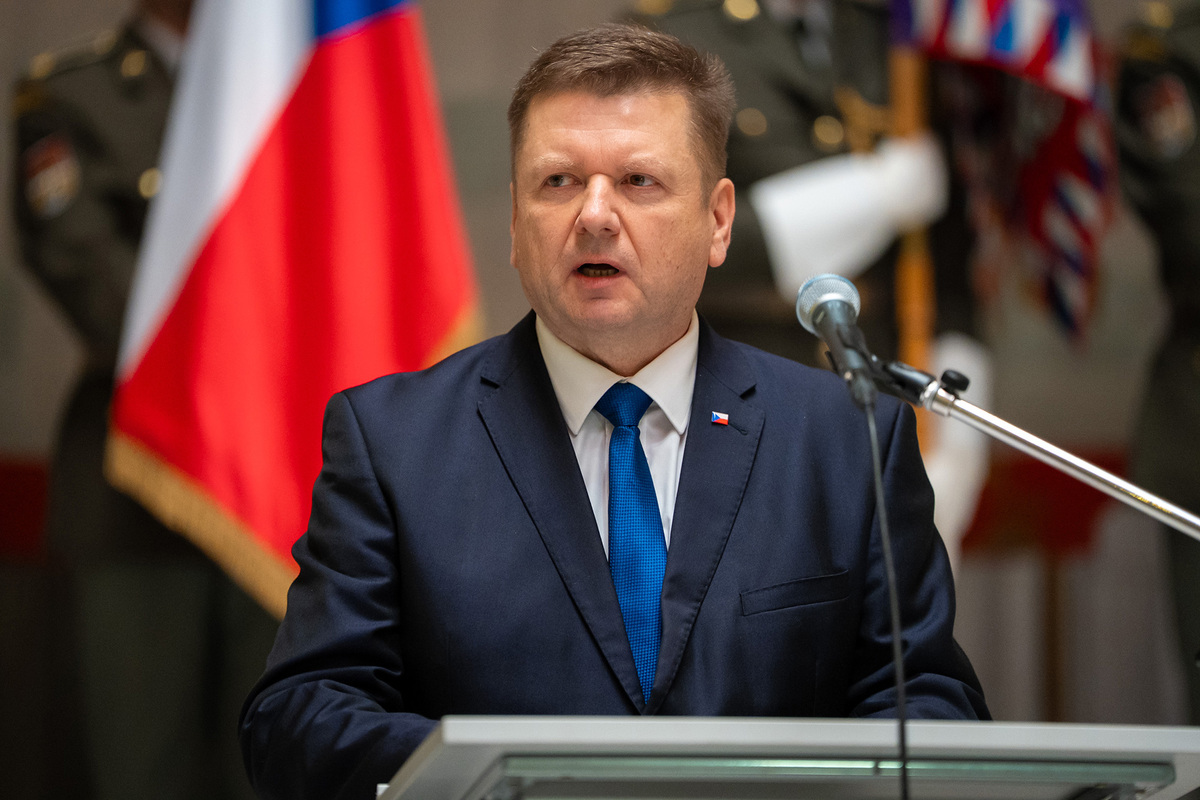
Before the ceremony began, First Deputy Minister of Defense Radovan Vích and Chief of Military Police (VP) Major General Jiří Roček laid flowers at the Tomb of the Unknown Soldier. In his subsequent speech, Radovan Vích recalled the establishment of the Military Police in a broader historical context and emphasized its importance for the Czech Armed Forces and for the state as a whole. "Thirty-five years ago, we opened a new and important chapter in our modern history. We established a special police unit that has become a pillar of the army and, in fact, of the entire Czech Republic," he said. According to him, the Military Police has undergone extraordinary development since its difficult beginnings and today represents a modern, highly professional force with a strong international reputation. The Deputy Minister of Defense particularly praised the deployment of military police officers in foreign operations. "Your work in foreign missions is proof of your courage, expertise, and dedication to serving your country. You deserve our respect and gratitude for the security you provide not only to our soldiers, but also to state officials and diplomats," said Radovan Vích. He also recalled the close cooperation with the Police of the Czech Republic, the Customs Administration of the Czech Republic, the Prison Service, and other components of the integrated rescue system. "The expansion of the powers of the Military Police in recent legislative changes also testifies to your high level of professionalism and reliability," emphasized First Deputy Minister of Defense Radovan Vích.

In his speech, Major General Jiří Roček, Chief of the Military Police, returned to the historical roots of the corps, its development, and its current position within the Ministry of Defense and international structures. "It is a great honor for me to address you all here today at this ceremonial gathering on the occasion of the 35th anniversary of the founding of the Military Police. With humility and pride, I pay tribute to an institution that has tirelessly upheld the law and provided police protection and support to the Ministry of Defense and the Armed Forces of the Czech Republic for more than three decades," said Roček. He recalled that the Military Police in its modern form was established on January 21, 1991, in response to the need for a modern and professional body in the conditions of a newly forming democratic society. However, according to him, its roots go much deeper. "With great respect, we can start as early as 1917, when, according to historical sources, parts of the military police of the Czechoslovak Legions were established in Italy and Russia. It was then that the symbol of a burning grenade was born, to which we proudly refer in our distinctive badges," the chief specified. He went on to summarize the key milestones in the development of the corps after 1991 – from the adoption of the first legal norms, through organizational changes, the establishment of specialized workplaces, involvement in foreign operations and the building of a multinational NATO Military Police battalion, to the recent strengthening of powers in response to the deteriorating security situation.
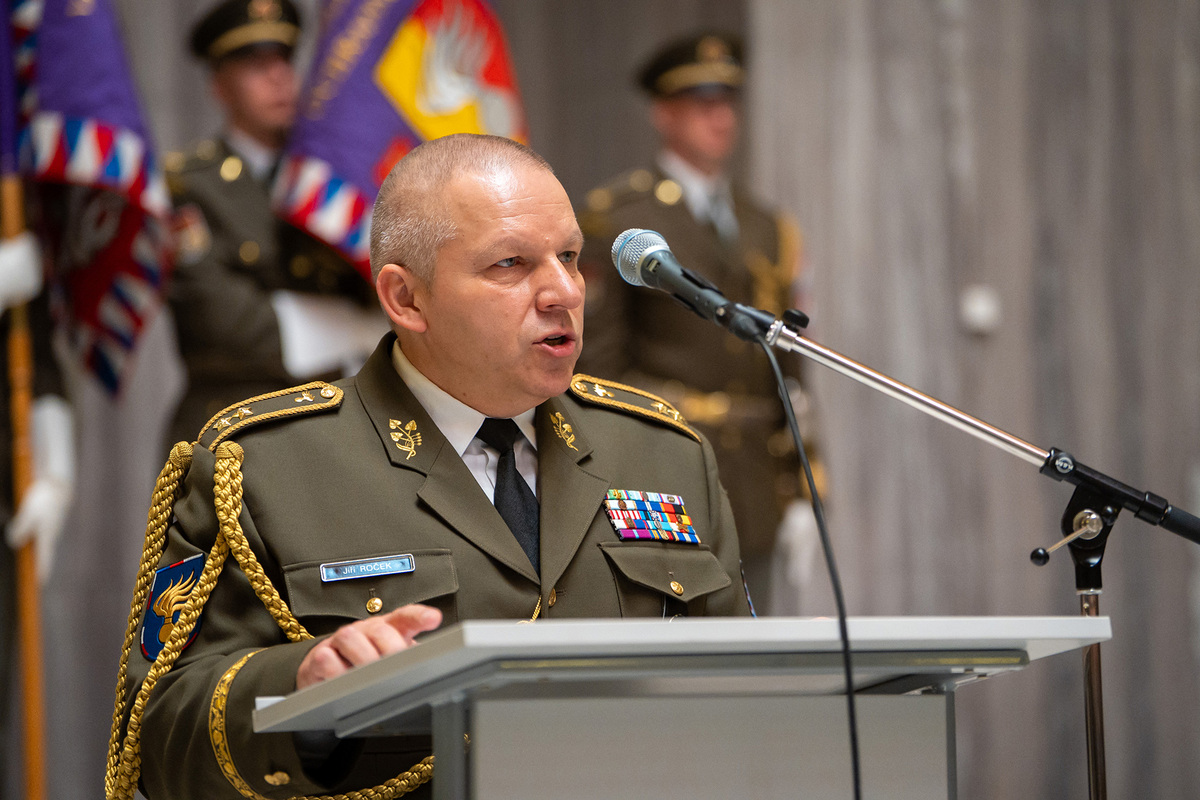
"Today, after thirty-five years, we can say with respect that the Military Police is a respected part of the Ministry of Defense. Its members have served in dozens of foreign operations, assisted in crisis situations, protected military facilities, investigated crimes, and protected the lives and property of the state. Their work is often invisible, but that makes it all the more important," he emphasized.
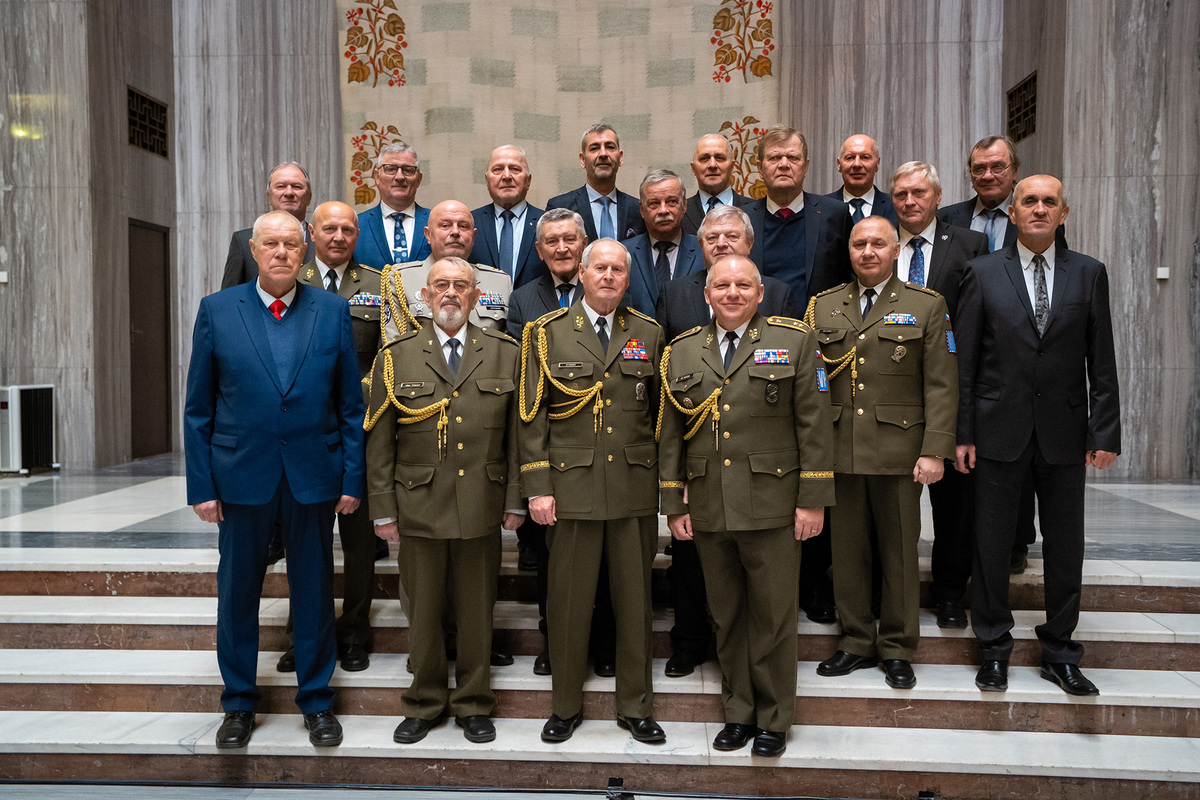
The ceremony also included the launch of a comprehensive publication on the 35-year history of the Military Police. The book, entitled Vojenská policie, vždy na straně práva (Military Police, Always on the Side of the Law), was blessed by military chaplain Col. Jaroslav Knichal. The book was initiated by former Military Police Chief Brigadier General Miroslav Murček. "We wanted it to be more than just a factual publication; we wanted it to include the stories, experiences, and memories of our members. Of course, it was also important to capture the facts from history to the present," added General Murček. The author of the book, Captain Martin Vaňourek, summarized his three years of work on the book as follows: "The book has 304 pages, several hundred photographs, and is based on the testimonies of forty eyewitnesses." He pointed out that the publication dates back to the period of the Czechoslovak Legions' field police and contains a wealth of interesting material. "For example, we will see a photograph of field policemen in the Dukla Pass for the first time. These are photographs that have never been published before," added Vaňourek. Less well-known facts from the history of the corps may also be of interest. "It may come as a surprise to current members that the Military Police does not have a helicopter squadron, even though it had four helicopters in the past," said the author. He also emphasized the significant shift that the Military Police has undergone since 1991. "This step is enormous—not only in terms of equipment, but above all in terms of thinking and education. At that time, the Military Police was created practically from nothing, and it was not until 1992 that it began to systematically train its own professional cadres," said Captain Vaňourek.
His words were also confirmed by the Chief of the Military Police, Major General Jiří Roček. "Over the past 35 years, the Military Police has undergone incredible development in terms of capabilities, activities, and support. Today, it has a clear position and is respected not only within the Ministry of Defense and the armed forces, but also among other security forces," said the Chief of the Military Police.
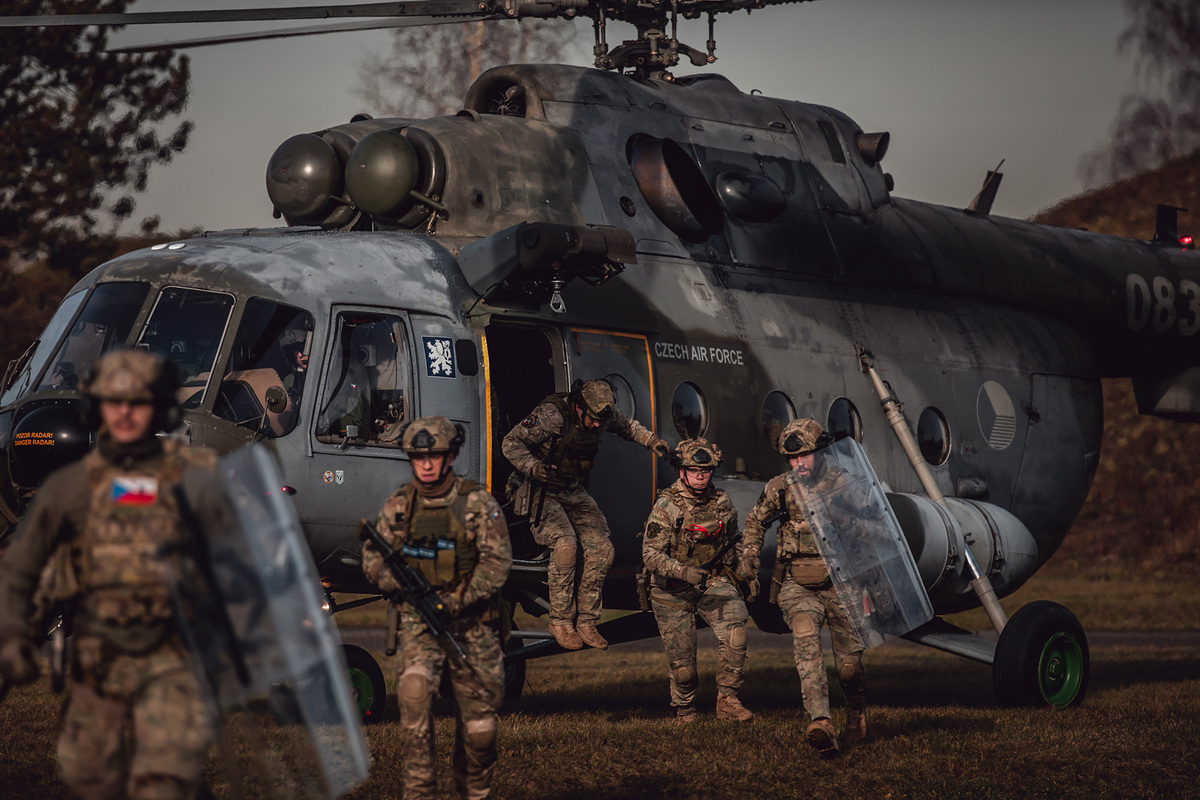
Looking ahead, he emphasized the importance of legislative changes and long-term planning. "We have a clearly defined concept for the development of the Military Police until 2035. We know where we want to go. Supporting the armed forces remains a priority, and this is reflected in the further development of personnel, technology, and capabilities," concluded Major General Jiří Roček.