










Josef Flek: There is no defence without a strong industrial base
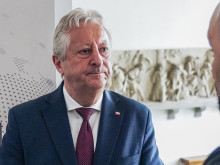
The security landscape around us is changing dramatically, and with it, the demands placed on the Czech Armed Forces, the country’s political leadership, and society as a whole. Josef Flek, Chairman of the Defence Committee of the Chamber of Deputies of the Parliament of the Czech Republic, discusses the most serious threats to the Czech Republic, the army’s readiness for modern conflicts, and whether the current pace of modernization and the level of defence spending correspond to the realities of today’s world. He also addresses sensitive topics such as the personnel crisis, the role of active reserves, oversight of arms acquisitions, and the army’s place in the public sphere. The interview offers the perspective of a legislator for whom national defence is not merely a matter on the agenda but a direct political responsibility.
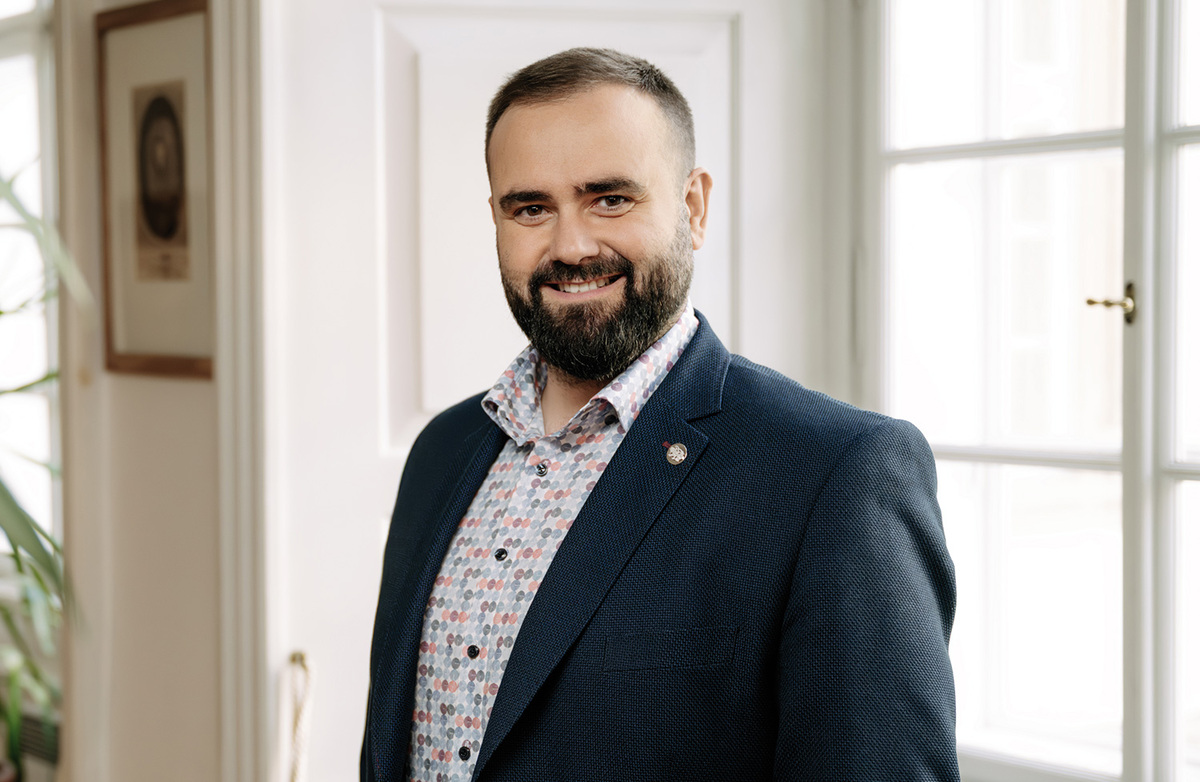
Mr. Chairman, the security environment in the Czech Republic has changed dramatically in recent years. In your opinion, which threats pose the greatest risk to the Czech Republic today, and is the Czech Army truly prepared to deal with them?
The security environment of the Czech Republic has changed fundamentally, and today we face a combination of military and non-military threats. The aggressive policies gaining momentum around the world do not bode well. In addition, we must be prepared for hybrid threats, cyberattacks, disinformation, and sabotage of critical infrastructure. The Czech Armed Forces are high-quality, professional, and respected within NATO, but they have long been underfunded. Thanks to recent years, this deficit is gradually being addressed, particularly in the area of equipment modernization. The military’s readiness is certainly improving, but we must not rest on our laurels. Security is not a state but a process. The key lies in the collaboration between the military, the state, industry, and society.
The war in Ukraine has changed the way the public and politicians view national defence. In your opinion, what specifically has this experience revealed about the strengths and weaknesses of our military and society as a whole?
The war in Ukraine has been a harsh wake-up call for both Europe and the Czech Republic. Ukraine is buying us time to gradually adapt. At the same time, weaknesses have been exposed in ammunition stocks, logistics, and the speed of procurement processes. Ukraine has reminded us of the importance of heavy equipment, air defence, and drones. Another very important lesson is the role of society as a whole, its resilience, and its support for defence. Without public support, no army can survive in the long term. We also see the importance of allies and collective defence within NATO. Czech aid to Ukraine is the right thing to do, strategically sound, and in our own security interest.
How would you assess the Czech Republic’s current preparedness for crisis scenarios involving hybrid threats or sabotage of critical infrastructure?
Hybrid threats are among the most serious security challenges today. They involve not only physical attacks, but also a combination of cyberattacks, disinformation, and psychological manipulation. That is precisely why security is also a matter of values and awareness. The Czech Republic has made progress in this area, but there is still room for improvement. Protecting the energy, transportation, telecommunications, and healthcare sectors is key. Cooperation between the military, police, intelligence services, and the civilian sector plays a major role. International cooperation is also important, particularly within NATO and the EU. We must invest not only in technology, but also in people and education.
Defence spending has reached the 2% of GDP threshold. There is already talk that this level of funding is insufficient, and NATO member states are aiming for 3.5% or 5% of GDP. Don’t you think politicians should do a better job of explaining the need to invest more in their own defence and security?
Reaching 2% of GDP for defence was a necessary step, not the final destination. The current security reality shows that this level of funding will not be sufficient in the long term. High global demand for military equipment is driving up prices and extending delivery times. Delaying or reducing defence investments therefore increases future costs and delays the attainment of key operational capabilities. Politicians have a duty to explain these steps clearly to the public. Defence is not a luxury, but an insurance policy against significantly higher costs in a crisis situation. At the same time, it supports domestic industry, technological development, and the economy. NATO is based on shared responsibility, not free-riding. Our allies, including the U.S., have made this clear for a long time. We will not be able to avoid defence spending approaching 5% of GDP in the future.
The Defence Committee plays a key role in overseeing military procurement. Where do you see the biggest systemic problems in the Czech Army’s modernization process today?
Modernizing the Czech Armed Forces is necessary, but it faces systemic challenges. The biggest weakness is the complexity and slowness of procurement processes. The security situation is changing faster than the legislation. The Defence Committee plays a key role in ensuring the transparency and effectiveness of procurement. At the same time, however, it must not unnecessarily slow down the process. We need a balance between oversight and operational readiness. A long-term strategy is important, not ad hoc decisions. Greater involvement of the Czech defence industry can increase both efficiency and the security of supplies. Transparency is essential for public trust, but we must not wage a paper war.
Public debate often oversimplifies the issue of arms procurement. In your opinion, is there a better way to explain the necessity and importance of certain military acquisitions to the general public?
Defence procurement cannot be reduced solely to its financial value; it is about building specific military capabilities. The public has a right to understand what capabilities the military is building and why. It is the responsibility of both politicians and the military to communicate these contexts systematically and clearly. It is crucial to explain purchases in terms of their specific use and benefits for citizens’ security, not just their price. Long-term communication, the involvement of experts, and open data sharing are helpful, not one-off press releases. Modern technology enhances the safety of soldiers, the protection of civilian areas, and interoperability within NATO.
The personnel situation in the Czech Army remains a major issue. In your opinion, is the problem primarily with recruiting new professional soldiers, or with retaining current experienced soldiers over the long term?
The military’s personnel situation is a complex issue. It is not just about recruitment, but also about retaining experienced soldiers. Competition from the civilian job market is fierce. We are grappling with low unemployment as well as constant pressure to increase troop numbers. The military must offer not only stability but also prospects for the future. Conditions of service, pay, housing, and support for soldiers’ families are all important. The social prestige of military service plays a major role. Investing in people is just as important as investing in equipment. One cannot work without the other.
How do you assess the role of the active reserve? Should it become a more prominent part of the country’s defence system, and if so, how?
The active reserve is undoubtedly a key element of national defence. It connects the military with society and enhances the country’s resilience. Its importance will certainly grow in the future. The active reserve can quickly reinforce the military in crisis situations. At the same time, it brings civilian expertise to the military. The state should systematically support its development. Cooperation with employers is important. In this regard, we can draw inspiration from the Nordic countries. A common feature is the high social prestige of reserve service.
In your opinion, what should military leaders and politicians do to make the Czech Army a more natural part of public life?
The military should be a natural part of public life, not a closed institution. Open communication with citizens is key, but neither soldiers nor their families should be put at risk. Showcasing the work of soldiers, training exercises, and overseas missions helps. Cooperation with schools and young people is of great importance. People need to understand why we need the military. Politicians should lead by example and actively support the military, not disparage it. Politics has no place in the military. The role of the media is also important.
The Czech defence industry is seeing increased interest both at home and abroad. In your opinion, is the Czech Republic sufficiently capable and willing to harness this potential for the benefit of its own defence? Do you agree with the introduction of so-called mobilization potential at certain companies?
The Czech defence industry has enormous potential and enjoys international respect. It is a strategic national asset that we must utilize more fully for our own defence. Supporting domestic companies enhances supply security and self-sufficiency. I am not in favor of supporting companies that merely resell contracts, as this would make “supporting Czech industry” nothing more than a formality. It makes sense to support those companies and startups that can reinvest their profits into research, development, and expanding production capacity. At the same time, this strengthens the economy and employment. I consider the concept of mobilization potential to be rational and necessary. The state must know exactly who it can rely on in a crisis situation. This is not about protectionism, but a matter of security. There is no defence without a strong industry.
The topic of strategic autonomy is frequently discussed, and not just in our magazine. Does the Czech Republic aspire to be less dependent on foreign partners in certain areas?
We want to make use of these institutions, but when it comes to fulfilling our obligations, we look for excuses, thereby forfeiting our voice in the decision-making process. At the same time, we should strive for self-sufficiency in key capabilities. This applies not only to ammunition, equipment maintenance, and cybersecurity, but also to the protection of critical infrastructure. Dependence on a single supplier is a risk. We have experienced this firsthand, for example, with gas and fuel supplies. Diversification and domestic capabilities strengthen our security. Autonomy complements alliance cooperation; it is not a substitute for it. We will be strong allies if we are strong at home.
What role should Parliament play in shaping the country’s long-term defence strategy? And isn’t this role today more of a formality than a substantive one?
Parliament should play an active and strategic role in national defence – not only approving budgets and overseeing the Ministry of Defence, but also setting the long-term direction. The Defence Committee should serve as a partner to both the government and the military. Continuity across electoral terms is essential. Open expert debate is essential. Security should be a non-partisan issue. Unfortunately, this is not the case in some areas, and it could come back to haunt us. Actions such as canceling contracts, cutting defence spending, unfair practices in procurement, or dividing society could cost us dearly.
Czech society is becoming increasingly polarized on security issues. Do you see a risk that national defence will become the subject of ideological conflict rather than expert debate? Do you still believe that the military is apolitical?
Society is becoming increasingly polarized on security issues. National defence is often turning into an ideological battleground. Decisions must be based on facts, not emotions. The military must remain apolitical. Politicians have a responsibility not to abuse the military. Dividing society plays into the hands of our adversaries, and this tactic often becomes a hybrid tool. Security concerns each and every one of us, and without it, we cannot build social security.
In your opinion, what should Czech citizens realistically expect from our military in the event of a serious crisis or conflict? And are Czech citizens even mentally and physically prepared for a potential conflict?
Citizens can expect the military to protect the state and provide assistance during crises. However, the military cannot replace individual responsibility. What matters is the preparedness of society as a whole. Mental resilience is just as important as physical resilience. We must return to a basic understanding of crisis situations. Education and awareness are key. The state must communicate openly and in a timely manner so that people know what to expect. Panic is very dangerous and can be prevented through regular crisis drills. At the same time, we can learn from Ukraine’s experiences and use this information for our own needs. The government should continue to build a resilient society over the long term.
If you had to name one key challenge that the Czech Armed Forces and Czech defence policy will have to address over the next five years, what would it be and why?
The biggest challenge will be maintaining the pace of modernization and public support for defence. It is not enough to simply purchase equipment; we must know how to use and maintain it. Personnel stability within the military is key. At the same time, we must strengthen society’s resilience. Security will remain a constant issue even after the war in Ukraine ends. We must learn to think strategically and cooperate with our allies. NATO remains the pillar of our security. We must complete the mechanized brigade, strengthen air defence, invest in technology, build robust logistics and strategic supply chains, and much more. The next five years will determine our readiness for the decades ahead.