













In today's rapidly changing security environment, the importance of logistics is intensifying.
Logistics is a key, often overlooked factor in military operations that has had a fundamental impact on the outcome of conflicts since the dawn of organized armies. In today's rapidly changing security environment, the importance of logistics is intensifying—army modernization, the development of logistical capabilities, and the ability to effectively support allies are now strategic pillars of national defense.
The historical roots of logistics
The modern concept of military logistics began to take shape during the Napoleonic Wars, when it became clear that the success of large-scale military operations depended not only on strategy and tactics, but also on the ability to effectively supply and move armies. Swiss military theorist Antoine-Henri Jomini elevated logistics to an equal part of military art and emphasized that without careful planning and securing supplies, victory cannot be achieved. The failure of the logistics chain, for example during Napoleon's campaign in Russia, became a cautionary tale for future generations.
The Director of the Logistics Agency, Brigadier General Ing. Jaroslav Jírů, MSc., sums it up: "History shows that logistics is not just a supporting activity, but often a decisive factor in the success or failure of military operations. The experience of the Napoleonic Wars laid the foundations for modern logistics planning, which is much more complex today. "
World War II – innovation and lessons learned
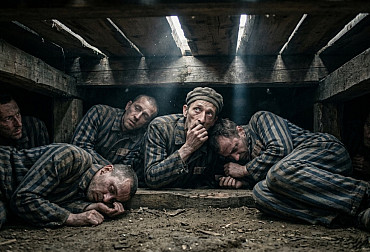
World War II presented an unprecedented logistical challenge, confirming that victory on the battlefield very often reflects an effectively set up supply system and support activities in the rear. The scale of the conflict and the need to supply armies over long distances led to fundamental innovations, such as the standardization of transport equipment and the introduction of containerization and palletization. The failure of German logistics during the campaign in the Soviet Union showed how fatal underestimating the logistical demands of an operation can be. Conversely, the Allied emphasis on efficiency and innovation in logistics (e.g., the Normandy landings) became the basis for the post-war development of this field.
The present and modernization
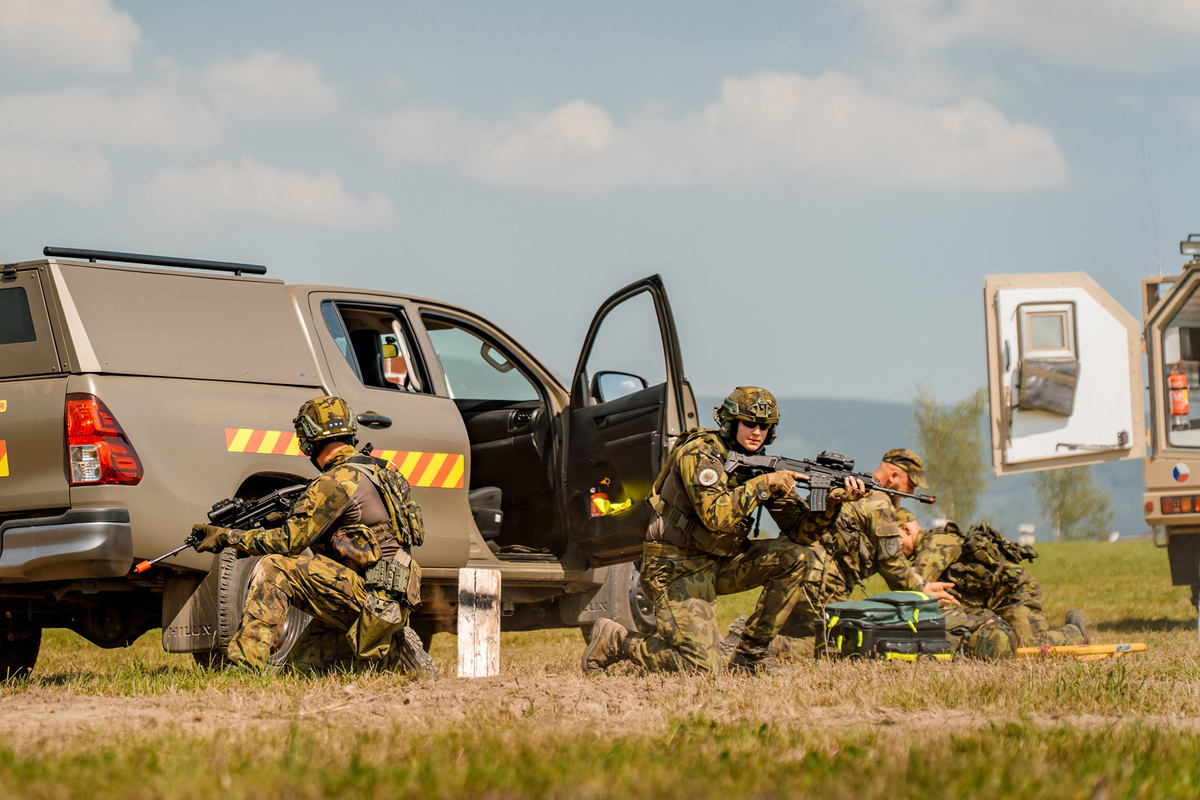
In response to changes in the security environment and new geopolitical challenges, the logistics of the Czech Army are undergoing a fundamental transformation. Modernization involves not only the acquisition of new technology, but also the digitization of processes, infrastructure development, and the provision of comprehensive services throughout the entire life cycle of military equipment. A key issue is therefore not only the acquisition of new resources, but also the ability to maintain them effectively and deploy them quickly in various conditions.
"Current trends in military logistics include digitization, automation, and the use of advanced analytical tools for predictive maintenance and planning. These innovations enable the army to respond more quickly to new threats and increase its operational readiness," adds Brigadier General Jírů.
Logistics modernization projects
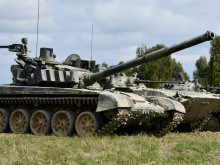
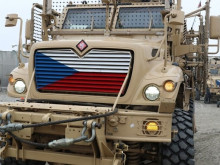
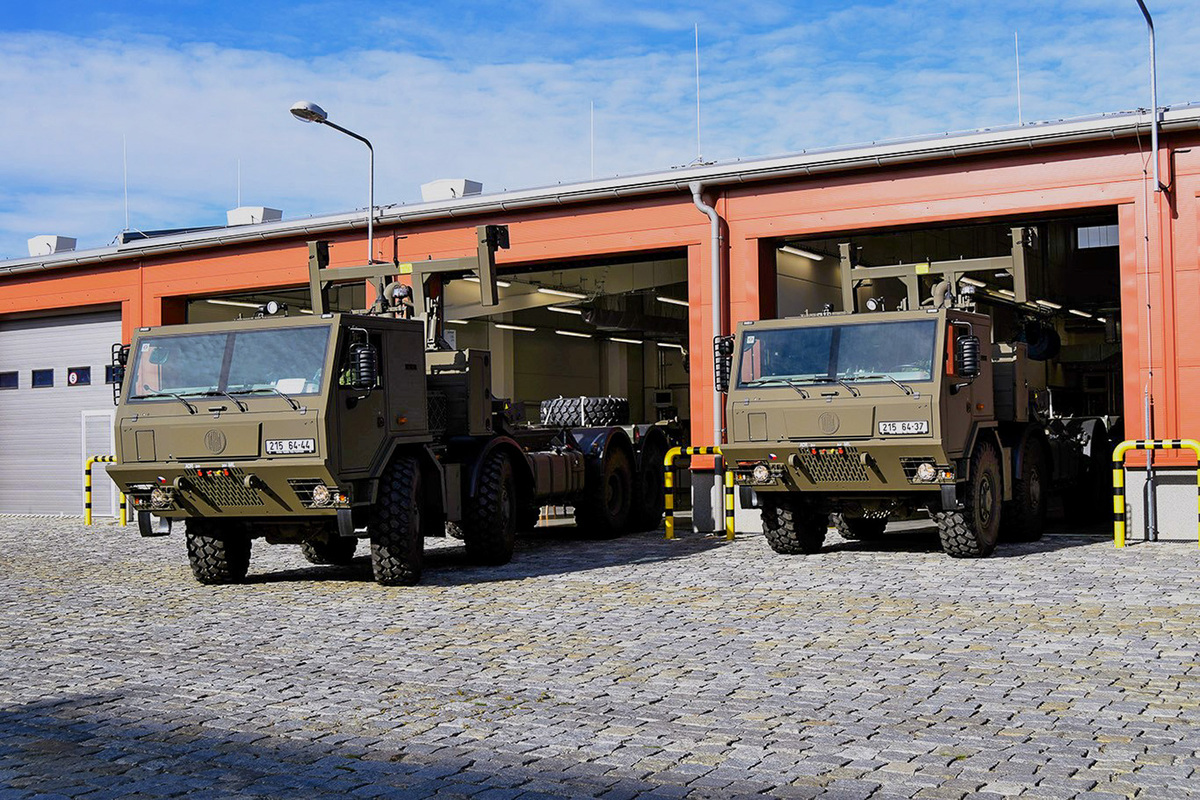
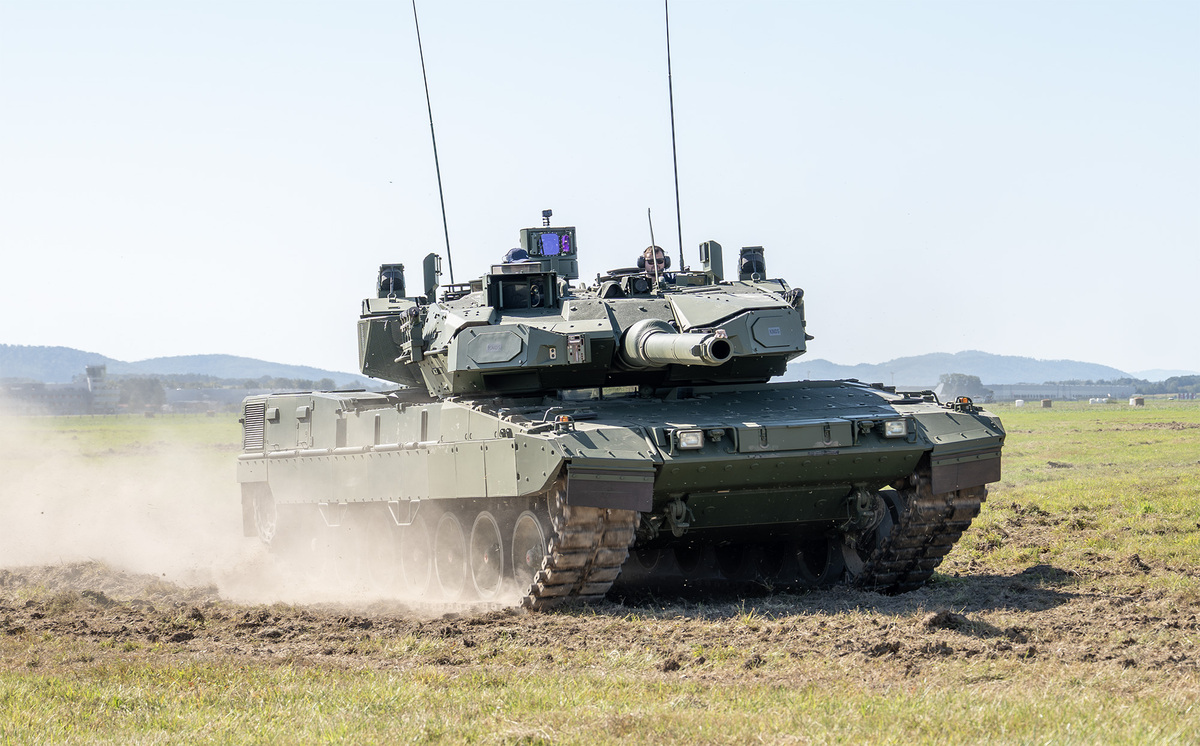
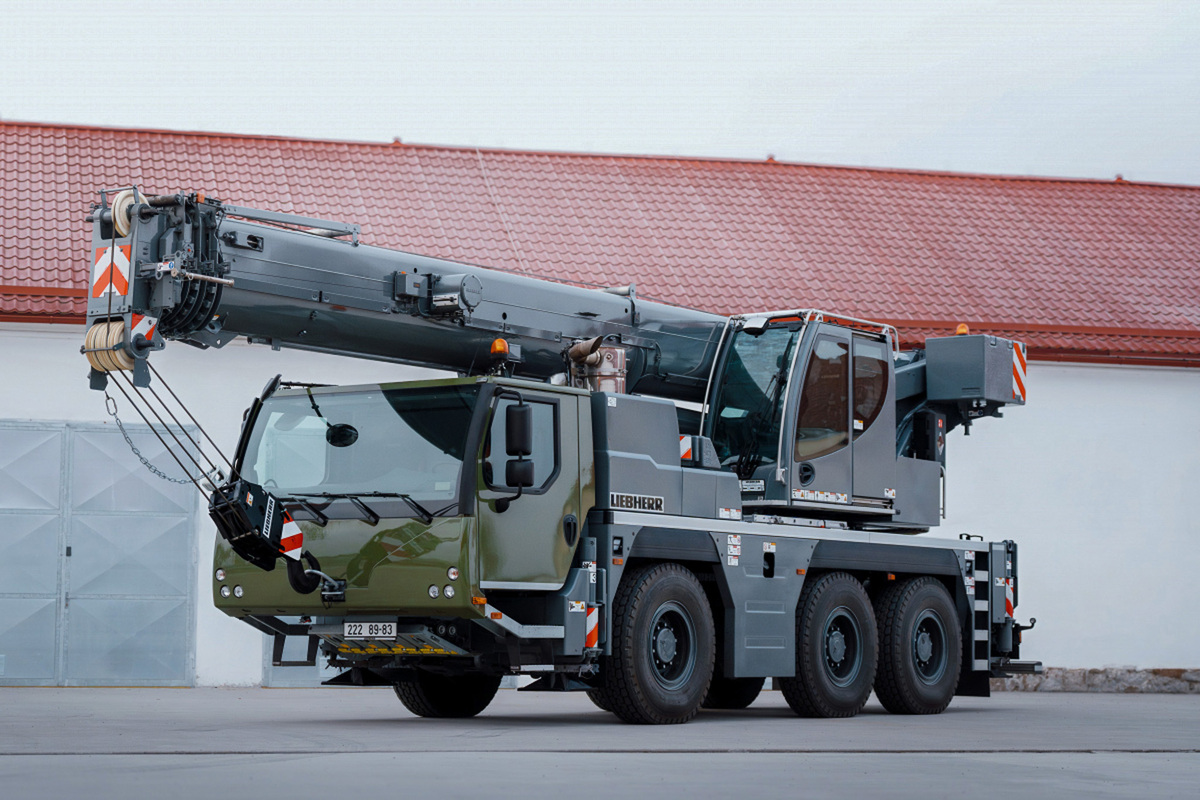
The modernization of the Czech Army's logistics includes not only the acquisition of major combat systems, such as Leopard 2A4 tanks, their future successors Leopard 2A8, and CV90 infantry fighting vehicles, but also the development of support equipment. Specialized vehicles—flatbed trucks, container carriers, cranes, tankers, and tractor-trailers—play a key role here, enabling the efficient transport of materials and ensuring the operational readiness of the entire army.


Equipment development and digitization
Innovations are also reflected in the area of equipment. Soldiers have access to new gloves in three variants and winter hats, while the introduction of a modern ordering system increases the efficiency of equipment distribution. New components are developed based on feedback directly from soldiers, ensuring greater comfort and functionality in various conditions.
Allied Support and Host Nation Support
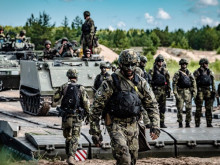
The security situation in Europe has changed significantly in recent years, which has also been reflected in military logistics requirements. The Czech Republic has become a key transit country for the movement of Alliance forces to NATO's eastern and southeastern flanks. Effective support for allied forces—including transport, accommodation, and catering—is now one of the main priorities of Czech military logistics.
Conclusion
History clearly shows that military logistics is a dynamic field that constantly adapts to new challenges and conditions. Every conflict brings new experiences and incentives for innovation, which are essential for maintaining the operational readiness and effectiveness of the armed forces. At a time when the security environment is changing rapidly and technology is evolving at an unprecedented pace, it is crucial that logistics remain flexible, open to new solutions, and capable of rapid response.
Logistics is no longer just a supporting element of the military—it has become a strategic pillar that determines the success or failure of defense operations. Investments in modernization, digitization, and human resource development are therefore essential for the future security of the state. As Brigadier General Jírů emphasizes: "Logistics must be innovative and prepared for whatever the future brings. Only then can it fulfill its role in the defense of the Czech Republic and within the framework of allied commitments."